
稳就业政策

Search documents
更大力度加强技能人才培养 更好促进高质量充分就业
Ren Min Ri Bao· 2025-09-20 21:48
Core Points - The third National Vocational Skills Competition was inaugurated in Zhengzhou, Henan Province, emphasizing the importance of employment and skills training as highlighted by General Secretary Xi Jinping [1][2] - The event aims to enhance the training of skilled personnel through various competitions, focusing on key industries and sectors to address structural employment issues [1] Group 1: Employment and Skills Training - The government is prioritizing employment as a fundamental aspect of people's livelihoods, implementing policies to support stable job creation and expansion in enterprises [2] - There is a focus on enhancing public employment services and organizing specialized recruitment activities to meet diverse employment needs [2] - The initiative "Skills Illuminate the Future" aims to provide targeted vocational skills training to improve employment opportunities for key groups such as college graduates and migrant workers [2]
谌贻琴出席第三届全国职业技能大赛时强调 更大力度加强技能人才培养 更好促进高质量充分就业
Xin Hua Wang· 2025-09-20 14:02
Core Points - The third National Vocational Skills Competition was inaugurated in Zhengzhou, emphasizing the importance of employment and skills training as highlighted by General Secretary Xi Jinping [1][2] - The government aims to enhance the training of skilled personnel to promote high-quality and full employment [1] - The competition serves as a platform to improve skills training through various vocational skill contests, focusing on key sectors and industries [1] Group 1 - The government is committed to prioritizing employment as a fundamental aspect of people's livelihoods, implementing a series of policies to stabilize employment [2] - There is a focus on supporting enterprises to maintain and expand job positions, particularly for key groups such as college graduates and migrant workers [2] - The establishment of a comprehensive public employment service system is emphasized, along with the need for targeted recruitment activities to meet diverse employment needs [2]
谌贻琴出席第三届全国职业技能大赛
Xin Hua She· 2025-09-20 13:59
Core Viewpoint - The emphasis is on enhancing skills training and promoting high-quality employment to address structural employment issues and meet diverse labor demands [2][3]. Group 1: Skills Training and Competitions - The third National Vocational Skills Competition was held in Zhengzhou, emphasizing the importance of skill competitions to promote learning and training [2]. - The initiative "Skills Illuminate the Future" aims to focus on key industries and implement targeted vocational skills training [2]. Group 2: Employment Policies and Support - There is a strong focus on prioritizing employment as a fundamental aspect of people's livelihoods, with policies aimed at stabilizing and expanding job opportunities [3]. - The government plans to enhance public employment services and organize specialized recruitment activities to meet the diverse employment needs of different labor groups [3]. - The use of market-oriented entrepreneurial incubation resources is encouraged to promote entrepreneurship as a means to drive employment [3].
科锐国际:公司积极响应国家稳就业政策,为构建高质量就业服务体系提供支撑
Zheng Quan Ri Bao· 2025-09-16 12:17
Group 1 - The core viewpoint of the article highlights that the company, Keri International, is leveraging a "technology + platform + service" business model to enhance its digital and offline service capabilities, aligning with national employment stabilization policies [2] Group 2 - The company is actively collaborating with industry partners to strengthen its service offerings and support the development of a high-quality employment service system [2]



城镇调查失业率季节性上升,这一群体失业率下降
第一财经· 2025-09-15 07:09
Core Viewpoint - The employment situation in China remains generally stable despite seasonal fluctuations and structural challenges, with the urban surveyed unemployment rate averaging 5.2% from January to August 2023 and standing at 5.3% in August, reflecting a slight increase from the previous month but stable compared to the same period last year [3][4]. Group 1: Employment Statistics - The urban surveyed unemployment rate for August 2023 was 5.3%, up by 0.1 percentage points from July, and unchanged from August 2022 [3]. - The unemployment rate for the main labor force group (ages 30-59) remained stable at 3.9% in August, consistent with both the previous month and the same month last year [3]. - The unemployment rate for migrant workers decreased to 4.7% in August, down by 0.2 percentage points from the previous month, which is lower than the national urban surveyed unemployment rate [3]. Group 2: Employment Policies and Challenges - The spokesperson from the National Bureau of Statistics highlighted the importance of ongoing employment policies and the need for active measures to maintain employment stability amid complex external environments and persistent domestic employment pressures [4]. - There is a recognition of structural contradictions in the job market, where both employment difficulties and recruitment challenges coexist, necessitating further efforts to stabilize employment and the economy [5]. - Emphasis is placed on enhancing vocational skills training to improve labor supply and demand matching, promoting high-quality and sufficient employment, and ultimately improving living standards and ensuring social stability [5].
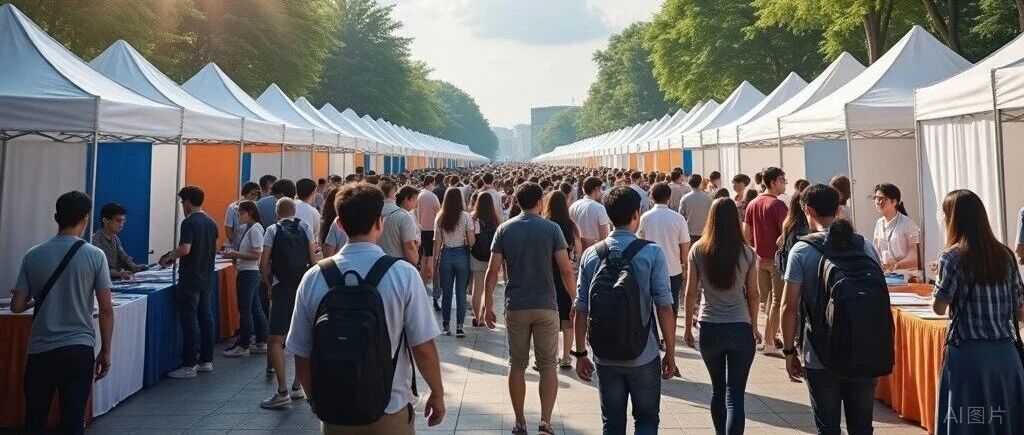
国家统计局:稳就业政策持续加力 我国就业形势总体稳定
Xin Hua Wang· 2025-09-15 06:18
Core Viewpoint - The employment situation in China remains stable as of August 2025, with the urban survey unemployment rate unchanged compared to the same period last year, indicating effective employment stabilization policies in response to complex external and domestic pressures [1] Economic Performance - The urban survey unemployment rate in August 2025 is reported to be consistent with the previous year, reflecting a stable employment landscape despite ongoing challenges [1] - The government has implemented robust employment stabilization policies to address both the total volume and structural pressures in the job market [1]
城镇调查失业率季节性上升,这一群体失业率下降
Di Yi Cai Jing· 2025-09-15 03:57
Group 1 - The average urban survey unemployment rate in China for January to August is 5.2%, with a slight increase to 5.3% in August, which is consistent with the same month last year [2] - The seasonal rise in unemployment during July and August is attributed to the influx of new graduates entering the labor market, but it is expected to decrease as they find jobs [2] - The unemployment rate for the main labor force aged 30-59 remains stable at 3.9%, indicating steady employment in this demographic [2] Group 2 - The unemployment rate for migrant workers has decreased to 4.7% in August, down by 0.2 percentage points from the previous month, which is lower than the national urban unemployment rate [2] - The spokesperson from the National Bureau of Statistics highlighted the challenges posed by complex external environments and structural pressures on employment, emphasizing the need for continued efforts to stabilize employment [3] - There is a recognition of the coexistence of employment difficulties and recruitment challenges in certain industries, necessitating enhanced vocational training and improved labor supply-demand matching to promote high-quality employment [3]
韩晶:铺就家门口就业路
Jing Ji Ri Bao· 2025-08-20 00:10
Group 1 - The core viewpoint of the articles emphasizes the role of employment service stations in enhancing local employment opportunities through innovative public service models and digital technology integration [1][2][3] - Employment service stations are recognized as important "people's livelihood projects" in various regions, facilitating job matching and providing comprehensive services such as career assessment and policy guidance [1][2] - In Shenzhen, 31 companies offered 1,444 job positions during a recent live-streaming recruitment event, showcasing the effectiveness of standardized employment service stations [1] Group 2 - Employment service stations utilize a "precise, intelligent, and sustainable" service model to efficiently match job seekers with available positions, leveraging an "Internet+" public employment service platform [2] - The stations collect job information through online and offline methods, ensuring timely delivery of job opportunities to job seekers [2] - Digital empowerment through AI and big data technologies enhances the efficiency of job matching and provides valuable insights into job market trends [2] Group 3 - Employment service stations serve as "charging stations" for job seekers, offering career consulting, interview guidance, and practical skills training to improve employability [3] - High-quality development of employment service stations is crucial, requiring effective selection, branding, and promotion strategies to enhance their visibility and impact [3] - There is a need for a mechanism to evaluate and improve underperforming employment service stations, ensuring they contribute positively to local employment [3]
铺就家门口就业路
Jing Ji Ri Bao· 2025-08-19 22:09
Core Viewpoint - The implementation of employment service stations in China is effectively addressing employment challenges by integrating various public service resources and utilizing digital technology to enhance job matching and support for job seekers [1][2]. Group 1: Employment Service Stations - Employment service stations are recognized as important "people's livelihood projects" and are being established in various regions to facilitate local employment opportunities [1]. - In Shenzhen, 80 standardized employment service stations have been built, hosting over 600 employment service events and providing job information for more than 300,000 positions this year [1]. - The stations offer comprehensive services including job assessments, one-on-one career assistance, and policy guidance to job seekers [1]. Group 2: Digital Empowerment - Employment service stations utilize a "precise, intelligent, and sustainable" service model to efficiently match job supply and demand [2]. - The integration of "Internet+" public employment service platforms allows for the collection and dissemination of job information, ensuring timely delivery of new job postings [2]. - Advanced technologies such as AI recruitment machines and big data analytics are employed to enhance job matching efficiency and provide real-time employment data [2]. Group 3: Skills Development - Employment service stations serve as "charging stations" for job seekers, offering career consulting, interview guidance, and practical training to improve job skills [3]. - There is a focus on developing training programs that align with local industry needs, facilitating a "training-order-sales" model to help individuals acquire specific skills [3]. - High-quality development of employment service stations is emphasized, with a need for effective evaluation and support mechanisms to ensure their success and sustainability [3].
决胜“十四五” 打好收官战丨夯实民生之基 我国加力稳定和扩大就业
Xin Hua Wang· 2025-08-17 10:26
Core Viewpoint - The article emphasizes the importance of employment stability and expansion in China, highlighting government efforts to support job creation and improve employment quality during the "14th Five-Year Plan" period [1]. Group 1: Employment Stability Measures - China has maintained an annual urban employment increase of over 12 million since the start of the "14th Five-Year Plan," providing a foundation for improving people's livelihoods [1]. - The government has implemented various policies to support employment, including increasing unemployment insurance refunds, deferring social security payments, and expanding the scope of social security subsidies [3][4]. - In the first half of this year, the reduction in unemployment insurance rates saved companies over 90 billion yuan in labor costs, with 62 billion yuan allocated to 815,000 enterprises for job stabilization [3]. Group 2: Targeted Support for Key Groups - The government is focusing on supporting employment for key groups, such as recent college graduates, by enhancing financial, tax, and job development policies [6]. - A recruitment program for 34,400 college graduates to serve in grassroots positions is underway, with completion expected by the end of August [6]. - Efforts are being made to stabilize the employment of migrant workers and those from poverty alleviation programs, with services tailored to facilitate local employment opportunities [6][7]. Group 3: Addressing Structural Employment Issues - To alleviate structural employment challenges, China is enhancing job training and aligning education with labor market needs, particularly in manufacturing and emerging industries [9]. - The government is promoting collaboration between educational institutions and enterprises to improve job placement rates through targeted training programs [9]. - A large-scale vocational skills enhancement initiative is set to run until the end of 2027, focusing on increasing the supply of skilled labor in manufacturing and service sectors [9][10].