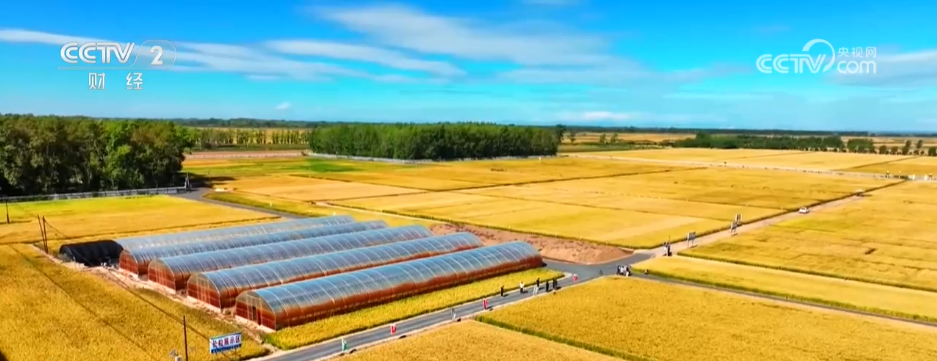
粮食增产

Search documents
视频|1.43万亿斤!为何今年全国粮食产量再创新高?
Yang Shi Xin Wen Ke Hu Duan· 2025-12-28 07:58
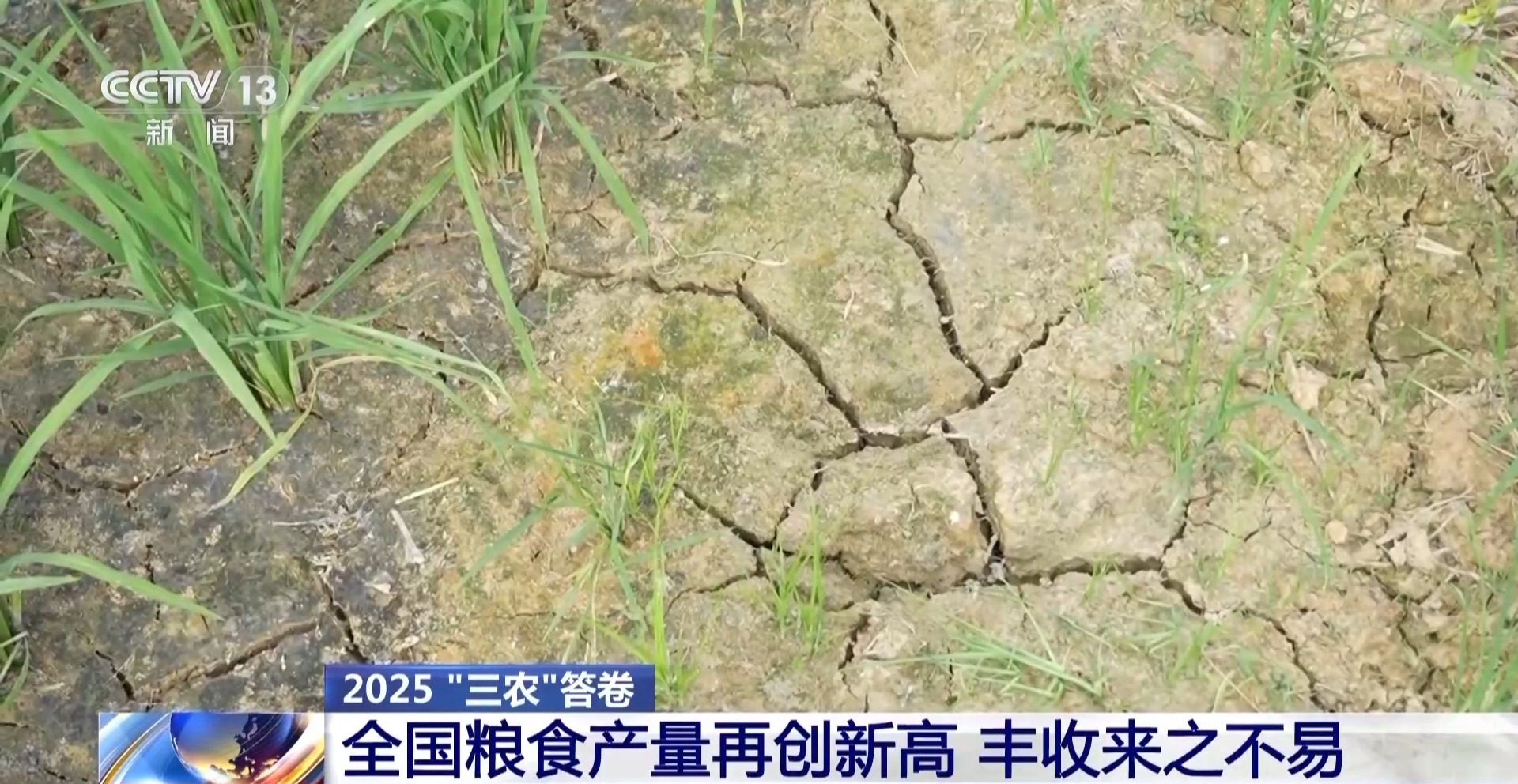
Core Insights - The national grain production reached 1.43 trillion jin this year, marking a 1.2% increase from the previous year, and setting a new record after surpassing 1.4 trillion jin last year [1][2] Group 1: Production Challenges and Resilience - The grain harvest this year was achieved despite severe natural disasters, including spring droughts, summer heatwaves, and autumn continuous rain [2] - The Huang-Huai-Hai region, a key grain-producing area, has faced multiple natural disasters in recent years, impacting production [6] - Despite these challenges, the Huang-Huai-Hai region has improved its resilience, with significant infrastructure upgrades and emergency response capabilities [8][10] Group 2: Factors Contributing to Increased Grain Production - The increase in grain production is primarily attributed to corn, which has become the main driver of the overall yield increase [13] - Key factors for grain production include increased planting area and higher yields per unit area, with corn area expanding by 3.3 million mu this year [15] - The single yield of corn has seen significant improvements, with an increase of 8 jin in 2024 and over 14 jin in 2025 [15][20] Group 3: Technological Advancements in Agriculture - The rapid increase in corn yield is supported by the introduction of high-performing varieties that are resistant to diseases, pests, and adverse weather conditions [18] - Innovative planting techniques, such as "reasonable close planting," have been implemented to enhance corn density, significantly improving yields [20]

视频丨1.43万亿斤!为何今年全国粮食产量再创新高?
Xin Lang Cai Jing· 2025-12-28 06:02
Core Viewpoint - The national grain production has reached a new high despite facing severe natural disasters, highlighting the resilience and improvements in agricultural practices in key production areas like the Huang-Huai-Hai region [1][5]. Group 1: Regional Focus - The Huang-Huai-Hai region, which includes provinces such as Hebei, Shandong, Henan, Jiangsu, Anhui, Shanxi, and Shaanxi, has been significantly impacted by natural disasters in recent years, affecting grain production [1]. - Despite these challenges, the region has strengthened its agricultural infrastructure, including the dredging of over 100,000 kilometers of ditches and the establishment of emergency service centers to enhance disaster response capabilities [3]. Group 2: National Grain Production Trends - Over the past five years, grain production across the country has been on the rise, with significant contributions from corn, which is the largest grain crop in China, accounting for 42.1% of total grain production in 2025 [7][9]. - The increase in grain production is attributed to both the expansion of planting area and improvements in yield per unit area, with corn area increasing by 3.3 million acres [9]. Group 3: Yield Improvement Factors - The rise in corn yield is driven by the adoption of high-yield varieties that are resistant to pests, drought, and other adverse conditions, ensuring stable growth under varying circumstances [10]. - Innovative planting techniques, such as "reasonable close planting," have been implemented, increasing planting density significantly, which is a core part of the national corn yield enhancement initiative [12].
1.43万亿斤!为何今年全国粮食产量再创新高?
Yang Shi Xin Wen Ke Hu Duan· 2025-12-28 05:47
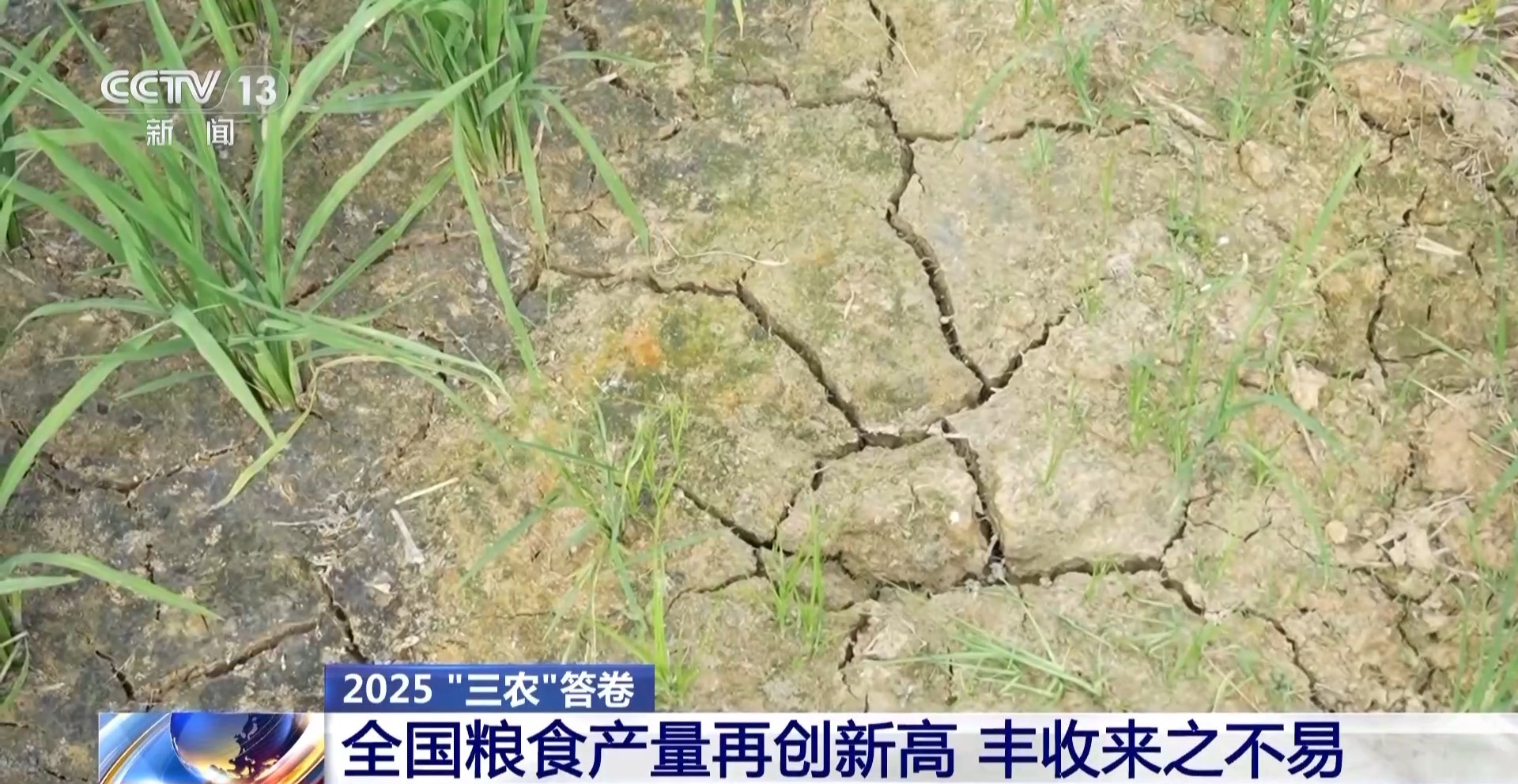
Core Insights - The national grain production reached 1.43 trillion jin this year, marking a 1.2% increase from the previous year, and setting a new record after surpassing 1.4 trillion jin last year [1] - The harvest was achieved despite severe natural disasters, including spring droughts, summer heatwaves, and autumn rains [1] - The main production areas, particularly in the Huang-Huai-Hai region, have shown resilience and improvement in grain production capabilities over the past few years [3][5] Group 1: Production Challenges and Resilience - The Huang-Huai-Hai region has faced multiple natural disasters in recent years, impacting crop yields [3] - Despite these challenges, the region has strengthened its agricultural infrastructure, including over 10,000 kilometers of dredged channels and the establishment of emergency service centers [5] - Grain production in the Huang-Huai-Hai region has been on the rise, demonstrating an upward trend in output despite adverse conditions [7] Group 2: Key Contributors to Grain Production - The increase in grain production is primarily attributed to corn, which is the largest grain crop in China, accounting for 42.1% of total grain production by 2025 [9][11] - This year, corn planting area increased by 3.3 million mu, equivalent to the grain area of a large grain-producing county [11] - The rise in corn yield is supported by improved seed varieties and advanced planting techniques, such as "reasonable density planting," which enhances productivity [13][15]
粮食高位增产增添发展底气
Xin Lang Cai Jing· 2025-12-21 22:46
Core Viewpoint - The national grain production in 2025 is projected to reach 14,298 billion jin, marking a 1.2% increase from the previous year, indicating a stable and robust agricultural foundation for China's food security [2][3]. Group 1: Grain Production Overview - The total grain production for 2025 is expected to increase by 167.5 billion jin, maintaining a level above 14 trillion jin [1][2]. - The grain planting area has seen a continuous increase for six consecutive years, with a notable rise in corn acreage while rice and wheat areas remain stable [3][4]. - The average yield per mu (亩) has increased by 4.4 kg compared to the previous year, reflecting improvements in agricultural practices and technology [3][4]. Group 2: Contributing Factors to Grain Production - Government policies have been favorable, including increased minimum purchase prices for wheat and early indica rice, as well as expanded insurance coverage for major grain crops [3][4]. - Local efforts have focused on protecting arable land, optimizing planting structures, and enhancing land quality, which have contributed to improved yields [3][4]. - Favorable weather conditions in major production areas have significantly boosted grain output, with regions like Inner Mongolia, Liaoning, Jilin, and Heilongjiang contributing to nearly 70% of the national increase [3][4]. Group 3: Future Outlook and Challenges - The new benchmark of 14 trillion jin in grain production presents challenges for future stability and growth, necessitating a comprehensive approach to strengthen food security [4]. - Recommendations include increasing investment in agricultural infrastructure, enhancing disaster prevention capabilities, and promoting agricultural technology innovations [4].
超1.4万亿斤!今年全国粮食实现丰收
Ke Ji Ri Bao· 2025-12-15 01:56
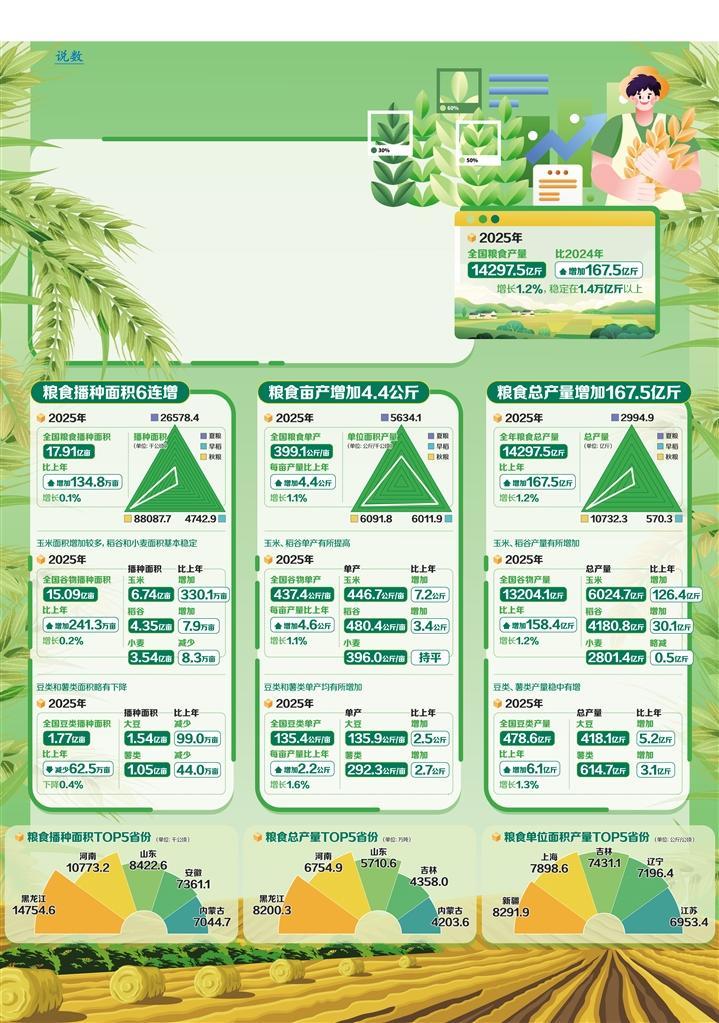
Group 1 - The core viewpoint of the articles indicates that China's grain production is projected to reach 14,297.5 billion jin in 2025, an increase of 167.5 billion jin or 1.2% from the previous year, maintaining a level above 14 trillion jin [1] - The total grain planting area in 2025 is expected to be 1.791 billion mu, an increase of 1.348 million mu or 0.1% year-on-year, marking six consecutive years of growth [1] - The increase in grain planting area is attributed to strengthened farmland protection and quality improvement measures, including optimizing planting structures and reclaiming abandoned land [1] Group 2 - Despite facing challenges such as drought and flooding in some regions, the overall meteorological conditions across most agricultural areas are favorable for the growth and yield of grain crops [2] - The national grain yield is reported to be 399.1 kg per mu, with an increase of 4.4 kg per mu or 1.1% compared to the previous year, reflecting ongoing efforts to enhance grain yield through various agricultural techniques [2]
今年全国粮食再获丰收(锐财经)
Ren Min Ri Bao· 2025-12-12 19:48
Core Insights - The core viewpoint of the articles is that China's grain production has reached a new high in 2025, with a stable increase in planting area and significant improvements in yield, contributing to food security and economic stability [2][8]. Group 1: Grain Planting Area - The national grain planting area reached 1.791 billion acres in 2025, marking the sixth consecutive year of growth [2][3]. - The grain planting area increased by 900,000 hectares (1.35 million acres) compared to 2024, a growth of 0.1% [3]. - The area for high-yield crops like corn increased by 3.3 million acres, establishing a solid foundation for the year's grain harvest [3]. Group 2: Grain Production Volume - National grain production reached 1.42975 trillion jin (approximately 714.875 million tons) in 2025, an increase of 16.75 billion jin (approximately 8.375 million tons), representing a growth of 1.2% [2][7]. - The production of corn was 602.47 billion jin, up 2.1%, while rice production increased by 30.1 billion jin, a growth of 0.7% [7]. - The production of beans and tubers also saw increases, with total bean production at 47.86 billion jin, up 1.3% [7]. Group 3: Yield Improvement - The national grain yield reached 399.1 kg per acre, an increase of 4.4 kg per acre, or 1.1% from the previous year [5]. - The yield for corn was 446.7 kg per acre, up 1.6%, while rice yield remained stable [5][6]. - The contribution of yield improvement to overall grain production growth was over 90% [6]. Group 4: Resilience in Production - Grain production demonstrated resilience, with most provinces reporting increases, particularly in major producing areas [7]. - The overall stability in production was attributed to favorable climatic conditions and adjustments in planting structure [7]. - The stable grain production supports China's food security and contributes positively to the global food market [8].
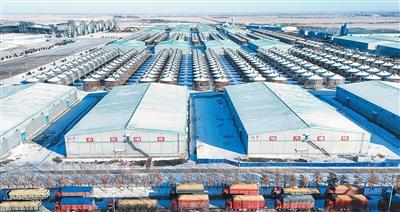
视频丨粮食产量再创新高!解锁大国粮仓的丰收“密码”
Yang Shi Xin Wen Ke Hu Duan· 2025-12-12 14:54
Core Viewpoint - The latest grain production data from the National Bureau of Statistics indicates that China's total grain output is projected to reach 14,298 billion jin in 2025, marking a 1.2% increase from the previous year, supported by increased planting area and improved yield per unit area [1] Group 1: Grain Production Growth - The national grain planting area has increased for six consecutive years, with a notable increase of 3.3 million mu in high-yield crops like corn, laying a solid foundation for this year's grain harvest [3] - The unit yield has significantly improved, with a focus on enhancing grain and oil crop yields through large-scale actions, increasing the number of counties involved to 702, and promoting the integration of quality land, seeds, machinery, and methods [5] Group 2: Technological and Policy Support - The integration of water and fertilizer management in grain crops is expected to reach over 88 million mu by 2025, with specific initiatives in various regions to enhance yield potential, contributing over 90% to the increase in grain production [7] - The government has implemented strong agricultural policies, including minimum purchase prices for rice and wheat, and subsidies for corn and soybeans, stabilizing farmers' income expectations and ensuring accountability for grain production targets [1] Group 3: Resilience Against Adverse Conditions - China's grain production resilience has been demonstrated this year despite severe weather challenges, with measures taken to address droughts and floods, including the allocation of over 6 billion yuan for disaster relief and crop protection [9] - The main increases in grain production are expected in the autumn harvest, particularly in the Northeast and Northwest regions, with corn being the primary crop contributing to this growth [9]
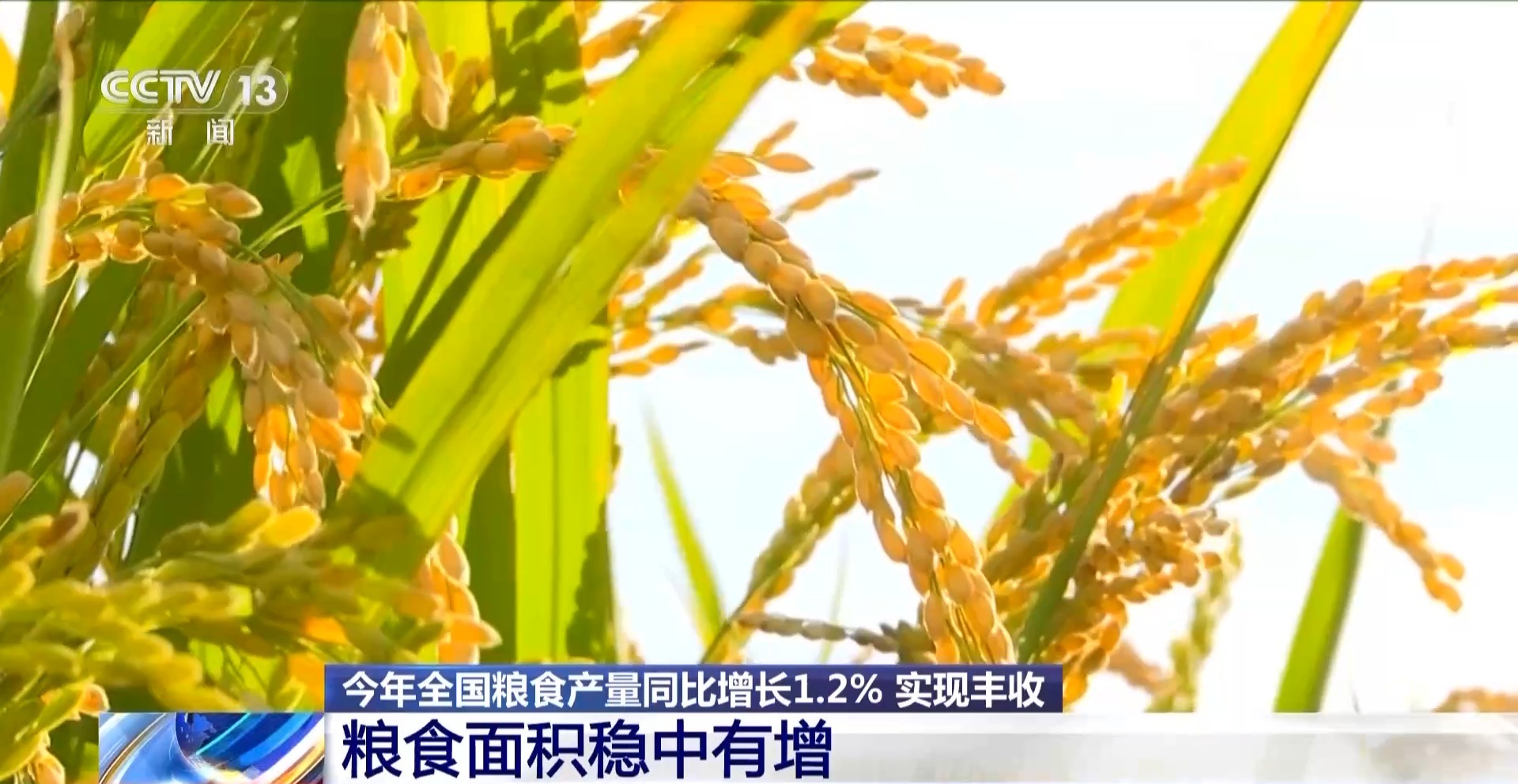
连年丰收!中国粮食产量再创新高的“三重密码”→
Sou Hu Cai Jing· 2025-12-12 12:25
Core Viewpoint - The National Bureau of Statistics reported that China's grain production is expected to reach 14,298 billion jin in 2025, marking a 1.2% increase from the previous year, indicating a successful harvest supported by various agricultural policies and practices [1]. Group 1: Agricultural Policies and Practices - The area of grain cultivation has steadily increased for six consecutive years, with a notable increase of 3.3 million mu in high-yield crops like corn, laying a solid foundation for this year's harvest [3][5]. - A series of supportive policies, including minimum purchase prices for rice and wheat and subsidies for corn and soybeans, have stabilized farmers' expectations for grain production [3]. - The implementation of the "Party and Government Share Responsibility" requirement for food security has ensured that production targets are met and responsibilities are enforced at local levels [3]. Group 2: Yield Improvement Initiatives - Significant improvements in yield have been a highlight of this year's grain production, with a large-scale initiative to enhance the yield of grain and oil crops being implemented across 702 counties [7]. - The integration of water and fertilizer management has expanded to over 88 million mu, with specific practices in different regions aimed at maximizing yield potential [9]. - The contribution of yield improvement to overall grain production growth is over 90%, showcasing the effectiveness of these initiatives [9]. Group 3: Resilience Against Adverse Conditions - China's grain production has shown resilience despite facing severe weather challenges, including spring droughts and summer heatwaves [11]. - The Ministry of Agriculture and Rural Affairs has issued disaster prevention and mitigation technical guidelines and dispatched teams to key production areas to implement critical measures [11]. - Central government funding of over 6 billion yuan has been allocated to support drought and flood prevention, pest control, and other measures to ensure stable production levels [11]. Group 4: Future Projections - Grain production is expected to achieve high-level growth again in 2025, with the main increases anticipated in autumn crops, particularly in the Northeast and Northwest regions, and primarily in corn [13].
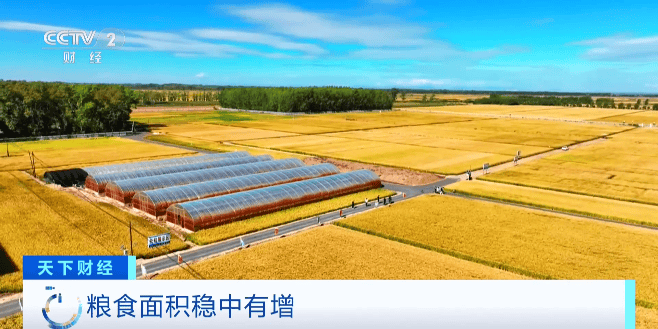
权威数读丨稳定在1.4万亿斤以上!今年粮食增产丰收
Xin Hua Wang· 2025-12-12 09:44
Group 1 - The core viewpoint of the article is that China's grain production in 2025 is projected to reach 14,297.5 billion jin, an increase of 16.75 billion jin, representing a growth of 1.2% compared to the previous year [1][2]. Group 2 - The total grain production increase is quantified at 16.75 billion jin for the year 2025 [2]. - The grain yield per mu (Chinese unit of area) is expected to rise to 399.1 kg/mu, with an increase of 4.4 kg/mu, reflecting a growth of 1.1% from the previous year [3].
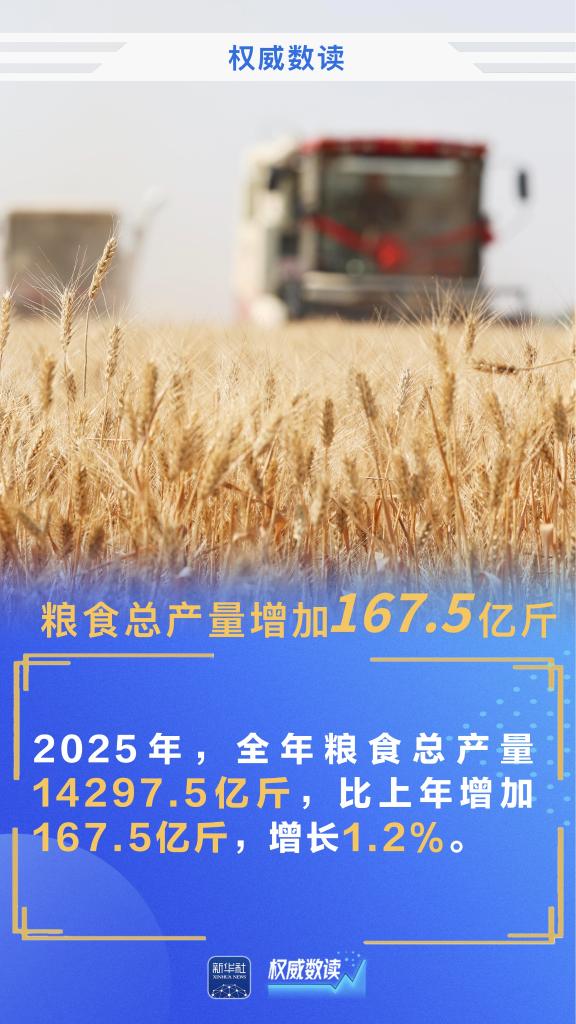
1.4万亿斤,创新高!“大国粮仓”高位增产背后的丰收“密码”
Yang Shi Wang· 2025-12-12 07:43
Core Viewpoint - China's grain production has reached a new high this year, building on last year's milestone of 1.4 trillion jin, supported by various agricultural policies and measures [1] Group 1: Agricultural Policies and Measures - The area of grain cultivation has steadily increased for six consecutive years, with a notable increase of 3.3 million mu in high-yield crops like corn, laying a solid foundation for this year's harvest [3][5] - The government has implemented a series of strong agricultural policies, including minimum purchase prices for rice and wheat, as well as subsidies for corn and soybeans, stabilizing farmers' expectations for grain production [3] Group 2: Yield Improvement Initiatives - Significant improvements in yield have been a highlight of this year's grain production, with the promotion of large-scale yield enhancement actions across 702 counties, focusing on the integration of quality land, seeds, machinery, and methods [5] - The contribution rate of yield improvement to grain production growth has reached over 90%, with plans to expand water and fertilizer integration to over 88 million mu by 2025 [7] Group 3: Resilience Against Adverse Conditions - China's grain production resilience has strengthened, achieving a good harvest despite severe weather challenges such as spring droughts and summer heat [9] - The central government allocated over 6 billion yuan to support disaster relief efforts, including drought and flood prevention, ensuring that areas with no disasters saw increased production [9] Group 4: Future Projections - By 2025, China's grain production is expected to reach new highs, with significant increases anticipated in autumn crops, particularly in the Northeast and Northwest regions, and mainly in corn [11]