
美国霸权主义

Search documents
不到48小时,美总统或下台,第二个“印度”出现,古巴彻底无退路
Sou Hu Cai Jing· 2026-01-23 11:36
Group 1 - Trump's use of tariffs as a weapon against countries trading with Iran, similar to previous actions against India, is expected to have significant economic repercussions for those nations involved [3][6] - The imposition of a 25% tariff on countries doing business with Iran is likely to exacerbate existing economic issues in Iran, which is already facing high inflation and shortages [6][9] - The situation in Iran is further complicated by ongoing domestic protests against the government, which may be intensified by external pressures from the U.S. [6][11] Group 2 - The U.S. government's immigration enforcement actions have sparked widespread protests and legal challenges, indicating a growing divide between federal and state authorities [7][9] - The economic impact of U.S. sanctions on Cuba, particularly the cut-off of oil supplies from Venezuela, poses a severe threat to Cuba's economy, which relies heavily on these resources [9][11] - The potential for retaliatory measures from the EU and other Latin American countries against U.S. actions suggests a shifting global landscape where nations seek to reduce dependence on U.S. influence [11]

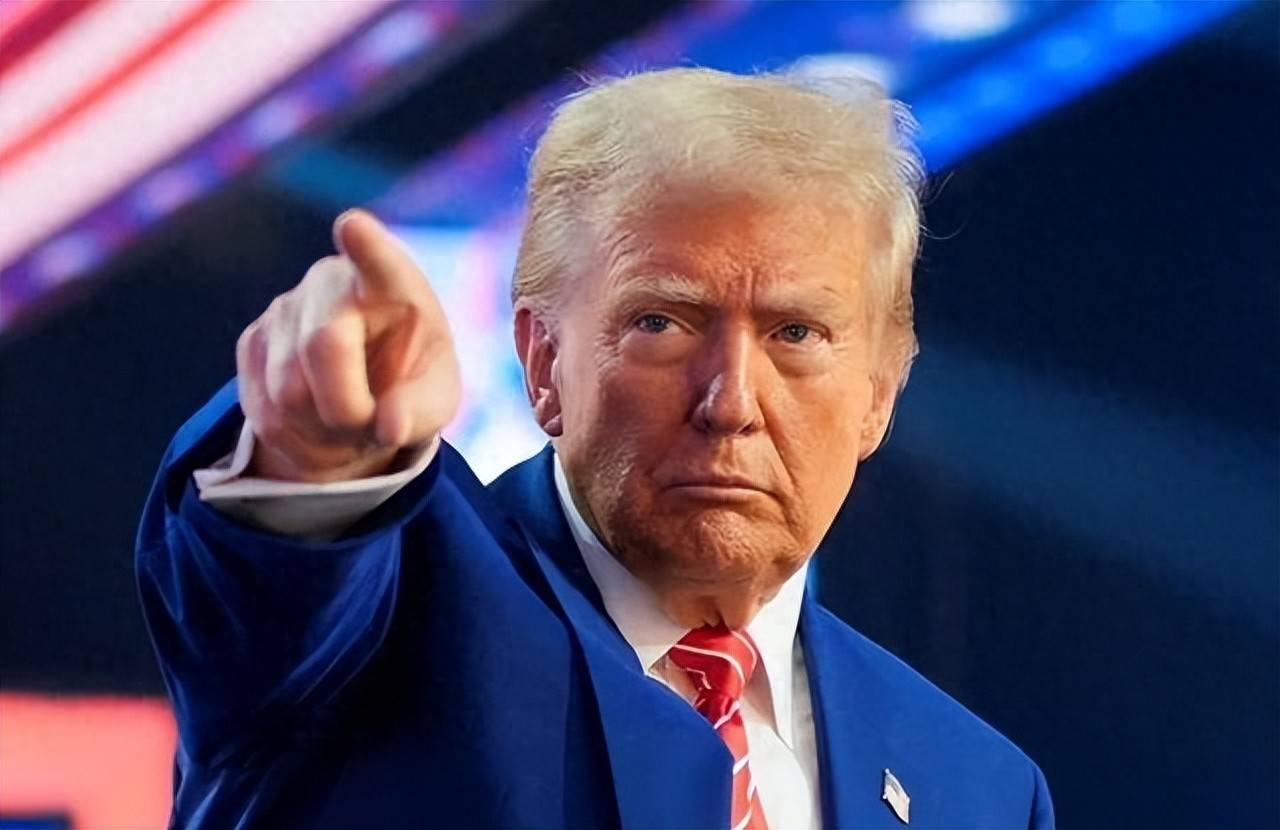
威胁还没结束,特朗普称伊朗需要换领袖,哈梅内伊会有性命危险吗
Sou Hu Cai Jing· 2026-01-23 10:55
大家好,我是闻叔。最近,特朗普一系列强硬举措让全球局势紧张不已。无论是通过关税威胁欧洲盟友,还是与伊朗因长期军事冲突的遗留问题持续对抗, 这些看似不相干的事件,其实背后都藏着美国霸权扩张和地区博弈的深层次逻辑。特朗普步步紧逼的背后,究竟是在为谁谋利?他的真正目的又是什么呢? 在格陵兰岛问题上,特朗普的霸道作风展现得淋漓尽致,几乎毫不掩饰地将霸权逻辑摆在了明面上。2026年1月17日,特朗普通过社交平台发布声明,宣布 对丹麦、挪威、瑞典、法国、德国、英国、荷兰、芬兰八国加征关税,目的是迫使这些国家同意美国收购格陵兰岛。这项关税政策将分阶段实施,从2026年 2月1日起,首先加征10%的关税,接着在6月1日进一步提高到25%,直到达成收购协议为止。格陵兰岛的战略地位早已成为大国博弈的焦点,它不仅是全球 航运的关键枢纽,还控制着连接大西洋与北冰洋的关键航道,更蕴藏着丰富的矿产资源。美国显然早已意识到,控制格陵兰对掌控北极地区至关重要。因 此,特朗普决心以关税作为武器,向欧洲盟友施压。格陵兰岛背后,正是美国对北极地区地缘政治主导权的强烈渴望。 特朗普这一表态,激起了欧洲的强烈反应。丹麦本土及格陵兰岛上爆发了大规模的抗 ...
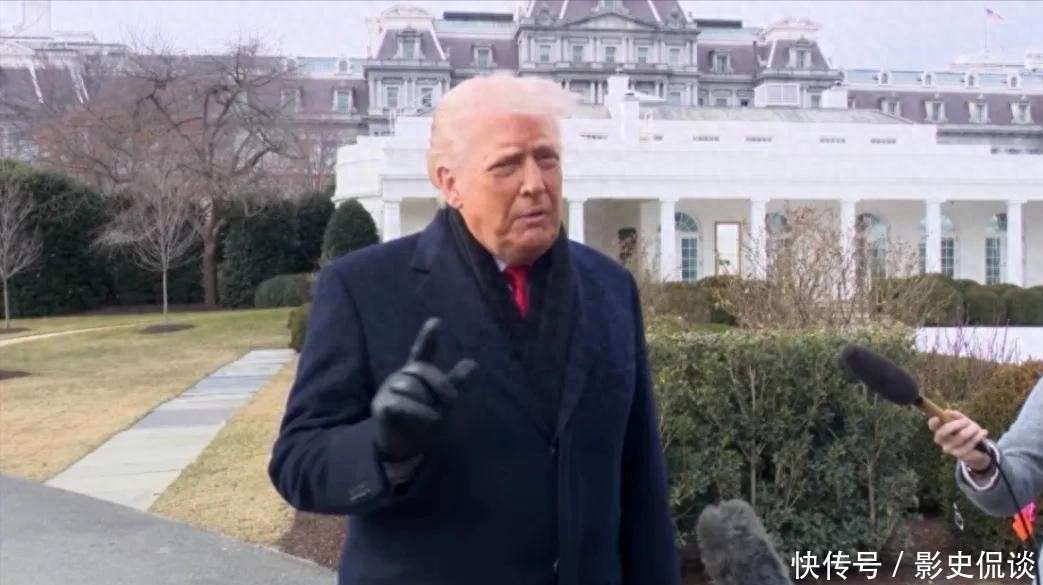
中方收到入群邀请函,特朗普也翻脸了:关税加到200%!受害者出现
Sou Hu Cai Jing· 2026-01-22 09:23
特朗普近期成立了所谓的加沙和平委员会,并已邀请超过60个国家参与。然而,中国的回应与俄罗斯等国截然不同,且法国总统马克龙明确拒绝加入,这一 决定激怒了特朗普。特朗普的反应迅速且强硬,宣布对法国实施200%的高额关税,法国成为首个受到惩罚的国家。 特朗普的这一举措并非单纯的经济制裁。美国是法国葡萄酒的最大单一出口市场,每年法国对美出口葡萄酒和香槟的额外税收可达45亿欧元,相关产业链上 涉及无数的葡萄种植园、酒庄和出口商。200%的高关税将严重打击这一产业,法国可能面临价格暴跌的风险。这种禁运式的关税威胁,意在迫使法国低 头。值得注意的是,马克龙对于特朗普的威胁几乎没有反应空间。与法国相比,德国在处理与美国的争议时显得更加谨慎。去年,德国就格陵兰岛问题派兵 表明立场,然而在美国的压力下仅用44小时就撤回了驻军。欧盟内部也因无法在反制特朗普关税问题上达成一致而宣告失败。因此,虽然马克龙目前坚持外 交独立的立场,但未来是否会作出让步仍然不可预知。 不过,中俄对这一邀请的回应却大相径庭。俄罗斯方面表示,正在研究细节并希望与美国就其中的细节问题进行进一步沟通。外界普遍认为,俄罗斯此时的 态度可能与俄乌冲突后的国际局势变化 ...
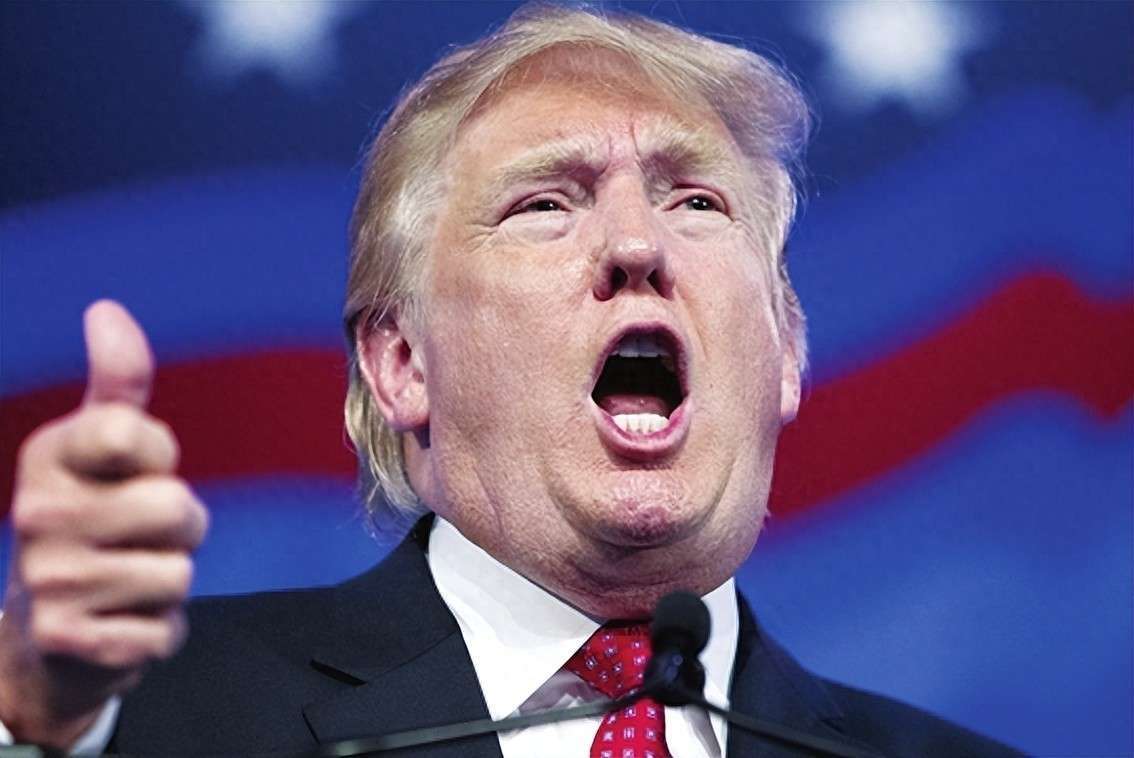
特朗普通告全球,带领美国赢了中国,英媒:特朗普帮中国再次伟大
Sou Hu Cai Jing· 2026-01-17 05:19
Core Viewpoint - The article discusses the implications of Trump's tariff policies on the U.S.-China relationship, highlighting that while Trump claims victory, the reality is more complex and may be benefiting China instead [3][5][18]. Group 1: Tariff Policies and Economic Impact - Trump's tariffs on Chinese goods, which began in 2018, have led to over $450 billion in additional tariffs, impacting U.S. consumers and businesses rather than China directly [11]. - The high tariffs have caused American households to change their consumption habits, leading to reduced spending on non-essential items and delaying major purchases [3]. - Despite a decrease in the U.S. import ratio from China to 17% in 2021, many goods exported from Vietnam to the U.S. still rely on Chinese components, indicating that the supply chain remains interconnected [11][12]. Group 2: Global Perception and Alliances - A recent poll indicates that Trump's policies have not achieved the intended effects, with many countries, including traditional U.S. allies, beginning to distance themselves and seek closer ties with China [5][16]. - In countries like South Africa, India, and Brazil, the perception of China as an ally has increased significantly, with 86% of Russians, 85% of South Africans, and 73% of Brazilians viewing China as a necessary partner [9]. - The article notes that the global economic landscape is shifting, with countries recognizing the unreliability of the U.S. and increasingly looking to China for stable supply chains and quality products [12][18]. Group 3: Changes in Global Order - The article suggests that Trump's actions have led to a weakening of the traditional U.S. alliance system, with countries like Canada, Germany, and France beginning to challenge U.S. policies and increase their strategic autonomy [14][18]. - The erosion of trust in U.S. leadership is prompting nations to explore new partnerships with China, indicating a fundamental change in the global order [16][18]. - The article concludes that the era of U.S. hegemony may be coming to an end, as more countries align with China in response to the shifting geopolitical landscape [18].
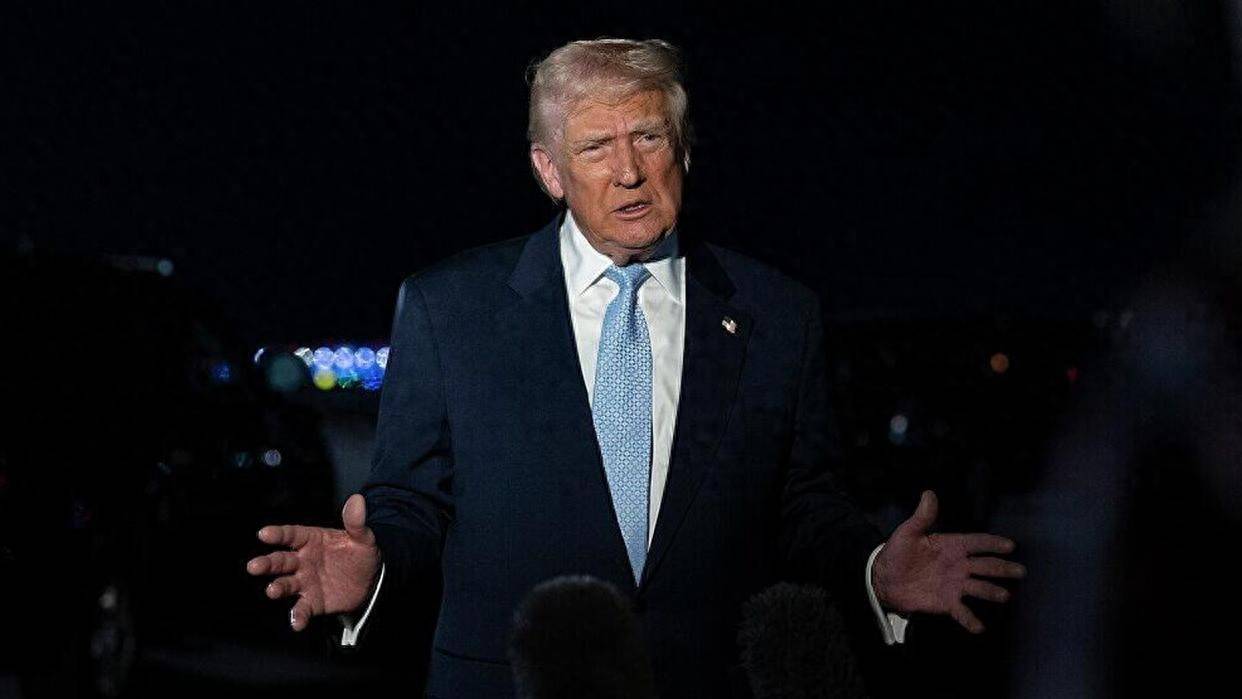
新华时评:霸权行径只会让全球陷入混乱动荡
Xin Hua She· 2026-01-14 07:59
Core Viewpoint - The article highlights the aggressive unilateral actions taken by the United States, which are seen as efforts to maintain its hegemony and disrupt global stability, with specific examples including interventions in Venezuela, Greenland, Iran, and Cuba [1][2]. Group 1: U.S. Actions and Motivations - The U.S. has conducted a raid in Venezuela, forcibly controlling President Maduro and his wife, under the guise of a "drug war," while actually aiming to overthrow the government and seize control of its oil resources [1]. - The U.S. claims it will "manage" Venezuela's oil industry, potentially acquiring oil worth tens of billions, ultimately reaching hundreds of billions or even trillions [1]. - The U.S. expresses intentions to control Greenland, motivated by the island's rich resources and strategic geopolitical value in the Arctic, aiming to strengthen its military and resource dominance in the region [1]. Group 2: International Reactions - The U.S. actions are criticized for violating international law and undermining global justice, with the "America First" policy seen as prioritizing U.S. interests over international rules [2]. - Leaders from multiple countries, including Brazil and Cuba, have condemned U.S. actions as threats to peace and security, with France's President Macron noting that the U.S. is alienating some allies and deviating from international trade and security norms [2]. - The article suggests that the U.S.'s reliance on power and outdated thinking will provoke widespread opposition, leading to potential backlash and consequences for its actions [2].
从公然干涉他国内政到“夺岛剧本”美国正在向更低下限的方向演变
Sou Hu Cai Jing· 2026-01-13 23:09
Group 1 - The article discusses the increasing tensions within the U.S. government, particularly focusing on the threats against Federal Reserve Chairman Jerome Powell and the implications for the independence of the Federal Reserve [6][7][8] - It highlights the significant cost overruns of the Federal Reserve's building renovation project, which is projected to exceed $2.5 billion, raising concerns about political pressure on the central bank [6][7] - The article notes the ongoing political conflict between former President Trump and Powell, emphasizing Trump's desire for lower interest rates to stimulate the economy, contrasting with Powell's commitment to independent monetary policy [8][9] Group 2 - The article outlines the public protests triggered by the death of a U.S. citizen during an ICE operation, indicating a growing discontent with the government's immigration policies and law enforcement actions [10][11][12] - It mentions Trump's controversial remarks regarding Greenland, which have sparked international criticism and raised concerns about U.S. foreign policy and its impact on NATO relations [14][15] - The article also details Trump's aggressive stance towards Cuba and Iran, reflecting a broader pattern of interventionist rhetoric that has drawn condemnation from various international leaders [16][17]

否定国际法、“退群”、增加军费,美国霸权主义暴露无遗
Xin Lang Cai Jing· 2026-01-09 08:21
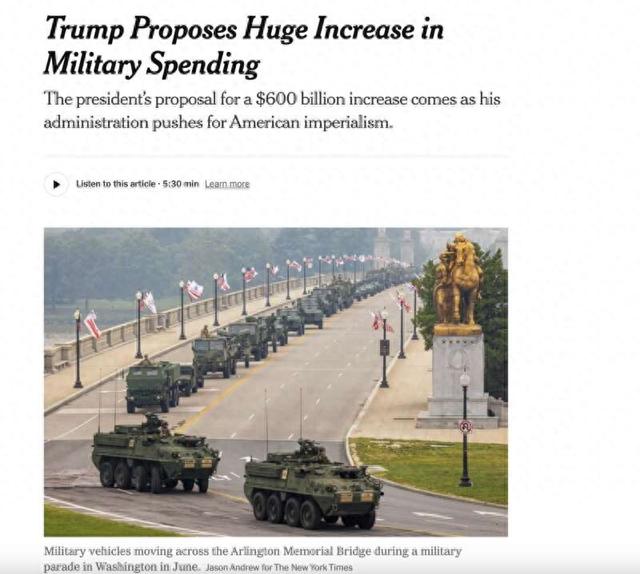
Core Viewpoint - President Trump proposed to increase the U.S. defense budget to $1.5 trillion by 2027, which may lead to more aggressive U.S. actions in Venezuela and other regions [1][3]. Group 1: Defense Budget and Military Strategy - The proposed increase in military spending is aimed at creating a "dream army" and ensuring U.S. security against any adversaries, although specific allocations for weapons and military branches were not detailed [3]. - Trump's vision includes a new world order where the U.S. can freely overthrow foreign governments and seize territories and resources deemed in its national interest [3]. Group 2: International Law and Military Intervention - Trump's administration has shown a willingness to use military force to protect U.S. interests in the Western Hemisphere, as indicated by statements from key advisors [6]. - Concerns have been raised about the implications of disregarding international law, with warnings that it could lead to increased aggression and a regression to imperialistic behaviors [6][10]. Group 3: Historical Context and Risks - Historical examples of U.S. military interventions in Latin America have resulted in instability, repression, and human rights violations, with past interventions often leading to regret [10]. - Experts emphasize the need to adhere to current international law to avoid escalating tensions and entering a more dangerous phase in global relations [10].
特朗普打响美洲战略第一枪,全球局势大变,中美俄要三分天下?
Sou Hu Cai Jing· 2026-01-08 10:45
Group 1 - The core viewpoint of the article discusses Trump's Americas strategy and its implications for China's future, emphasizing the ongoing nature of U.S. hegemony and the potential opportunities for China within a "three-part world" framework [1][3][20] - The article outlines the historical context of U.S. hegemony, detailing its consistent use of military intervention and geopolitical pressure since the end of the Cold War [3][4][9] - Trump's strategy is characterized as a continuation of U.S. hegemonic logic, focusing on consolidating control over the Americas, particularly through the lens of resource acquisition and geopolitical dominance [6][8][20] Group 2 - The "three-part world" concept suggests a balance among China, the U.S., and Russia, which aligns with current global trends, rather than a simplistic view of confrontation or compromise [11][15] - Trump's approach differs fundamentally from Biden's, as he aims to refocus U.S. efforts on the Americas while allowing Russia to counterbalance Europe and China to lead in Asia [13][15] - China's strategic priority remains on resolving key issues within Asia, such as the Taiwan question and relations with neighboring countries, rather than engaging in direct confrontation with the U.S. in the Americas [18][20] Group 3 - The article identifies four major challenges facing China's Asian strategy: the Taiwan issue, the Philippines' fluctuating stance, Japan's historical antagonism, and India's ambiguous position [18] - China's approach to U.S. actions in the Americas is characterized by moral support rather than military confrontation, focusing on stabilizing its position in Asia first [18][20] - The conclusion emphasizes that China's strategic choices are rational responses to the global landscape and that addressing Asian issues is crucial for its long-term goals of national rejuvenation and establishing a fairer global order [20]
不到一年,美国已在7国实施军事打击
Ren Min Ri Bao· 2026-01-08 00:31
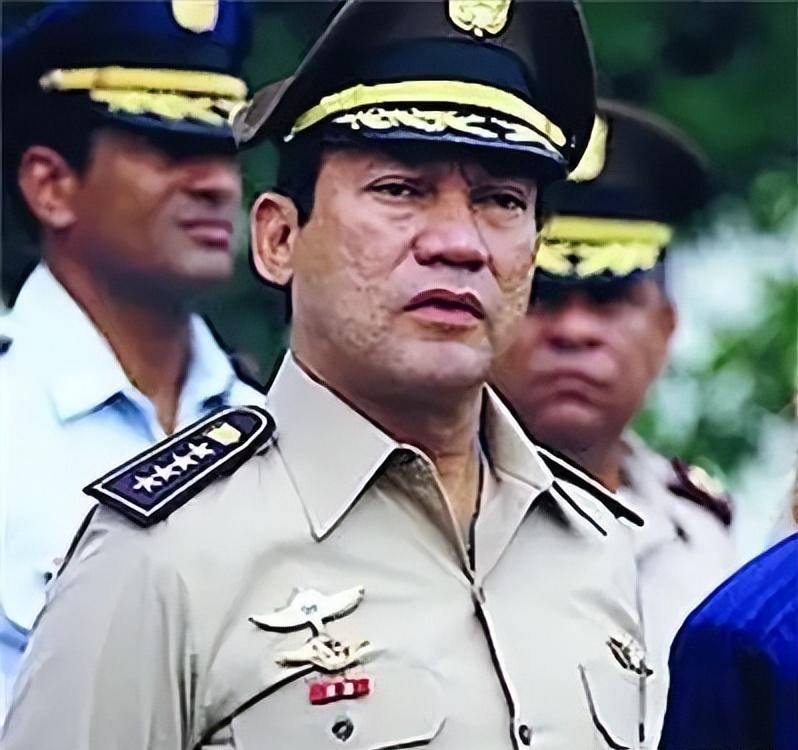
Core Viewpoint - The recent large-scale military action by the United States against Venezuela is a blatant display of American imperialism and interventionism, which has historically led to significant turmoil and conflict globally [1][2][8]. Group 1: Historical Context of U.S. Military Interventions - Since its founding in 1776, the United States has conducted nearly 400 military interventions worldwide, with a significant portion occurring in Latin America [4]. - The U.S. has a long history of territorial expansion through violence, including wars and invasions, particularly in Latin America, which has been viewed as its sphere of influence since the Monroe Doctrine [3][4]. - A study indicates that from 1898 to 1994, the U.S. orchestrated at least 41 coups in Latin America, averaging one every 28 months, employing various methods such as economic sanctions and direct military invasions [3]. Group 2: Recent Military Actions and Their Implications - The military action against Venezuela is the largest U.S. intervention in Latin America since the 1989 invasion of Panama, with President Trump asserting that it aims to maintain U.S. dominance in the Western Hemisphere [2][5]. - Trump’s administration has conducted military strikes in seven countries within less than a year, contradicting his earlier promises to avoid overseas conflicts [2][5]. - The military intervention has reportedly resulted in at least 40 deaths among military personnel and civilians in Venezuela, exacerbating an already severe humanitarian crisis due to U.S. sanctions [4][5]. Group 3: Consequences of U.S. Interventionism - The U.S. military interventions have historically led to severe humanitarian crises, as seen in various conflicts where millions have died or been displaced [4][6]. - The ongoing military actions and threats from the U.S. may create a perception of low costs and difficulties in intervening in other nations, potentially leading to more aggressive foreign policies [5][6]. - The psychological toll on U.S. veterans from prolonged military engagements has resulted in high suicide rates, indicating a significant social issue stemming from these interventions [7]. Group 4: Global and Regional Reactions - The military action against Venezuela is viewed as a potential new source of conflict in Latin America, undermining the sovereignty of nations in the region [8][9]. - Analysts warn that if the U.S. continues to intervene militarily in sovereign nations, it could render international law meaningless and threaten the self-determination of Latin American countries [9].
印媒:美霸权行径公然挑战他国主权和全球正义,应敲响警钟!
Zhong Guo Xin Wen Wang· 2026-01-06 07:27
Core Viewpoint - The article condemns the recent U.S. military intervention in Venezuela, particularly the forceful control of President Maduro and his family, as a blatant challenge to the sovereignty of other nations and global justice [1][2]. Group 1: Legitimacy of U.S. Actions - The U.S. military action against President Maduro raises questions about its legality under international law, as it violates the fundamental principles of the United Nations Charter, which prohibits the use of force against another country's sovereignty without UN Security Council authorization or self-defense [2][3]. - The article argues that the U.S. portrays the operation as part of its "war on drugs," providing a convenient justification for its actions, while the underlying intent appears to be the re-establishment of U.S. hegemony in Latin America under the guise of promoting democracy and combating crime [2][3]. Group 2: Motivations Behind U.S. Intervention - The timing and scope of the U.S. intervention are closely linked to Venezuela's status as a country with the world's largest oil reserves, suggesting that the U.S. aims to seize Venezuela's resources [3]. - The article highlights that the U.S. has long targeted Venezuela's state-owned oil industry, employing aggressive tactics such as blocking sanctioned oil tankers and illegally seizing Venezuelan overseas assets, revealing deep economic motivations behind the intervention [3]. - The actions of the U.S. signify an escalation of its hegemonic behavior, openly violating international law with the core motive of plundering Venezuela's oil resources, which sets a dangerous precedent for future military interventions [3].