
远程手术

Search documents
家门口就医 从“有”到“优”的福建实践
Xin Lang Cai Jing· 2025-12-22 23:27
Core Viewpoint - The article emphasizes the advancements in healthcare services in Fujian, particularly focusing on high-level hospitals and specialized medical centers, aiming to provide top-tier medical treatment locally and enhance patient satisfaction [5][9]. Group 1: Heavy Ion Therapy - The first heavy ion therapy device in Fujian is operational at the Fujian Medical University Affiliated Union Hospital, providing cutting-edge cancer treatment [6]. - Heavy ion therapy utilizes carbon ions accelerated to 40%-70% of the speed of light, creating a "Bragg peak" effect that allows for precise targeting of tumor cells while minimizing damage to surrounding healthy tissue [6][7]. - Patients report minimal discomfort during treatment, with some able to rest during the procedure, highlighting the efficiency and patient-friendly nature of this advanced therapy [6]. Group 2: Multidisciplinary Treatment Approach - The hospital is integrating various specialties to create a multidisciplinary treatment model, which is crucial for managing complex medical cases [9][11]. - A case study illustrates the successful collaboration among cardiology, neurology, and surgery teams to treat a patient with multiple severe conditions, showcasing the effectiveness of this approach [10][11]. - The hospital's heart center has restructured its teams into specialized groups to enhance patient care and streamline treatment processes [12]. Group 3: Remote Surgery Innovations - The first cross-province remote robotic surgery was successfully performed, demonstrating the potential of telemedicine to provide high-quality care regardless of location [13]. - This technology allows local doctors to assist in surgeries performed by experts from distant locations, enhancing their skills and improving patient outcomes [14]. - The integration of remote surgery aligns with national healthcare policies aimed at optimizing medical resources and improving access to care for patients in rural areas [16].

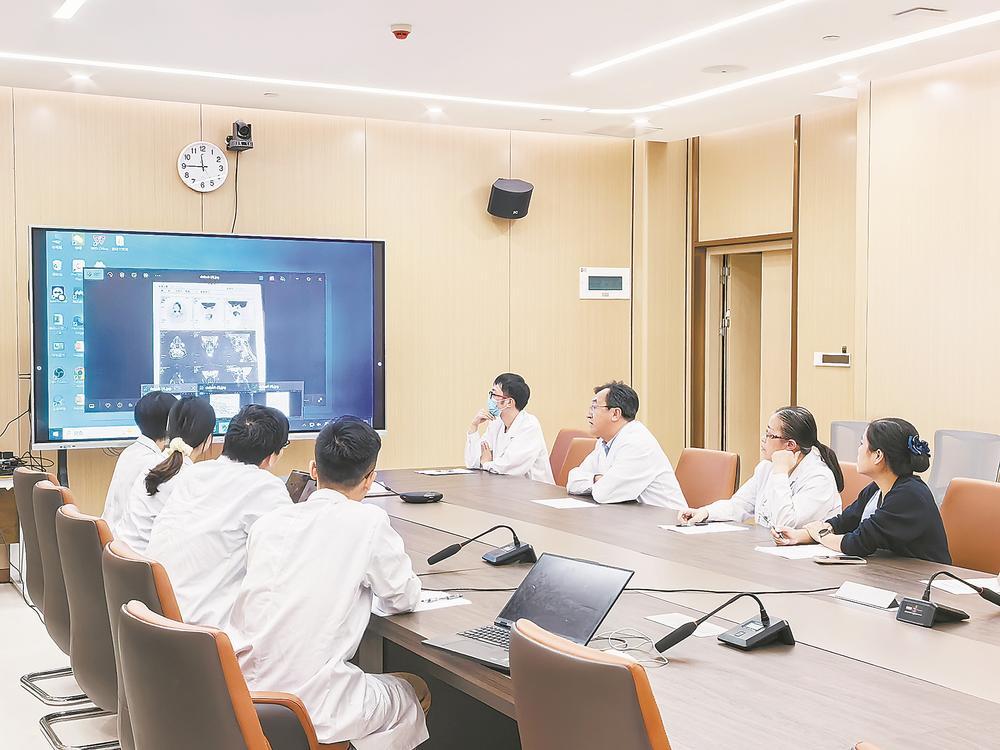
全国首例5G远程机器人袖状胃切除术成功实施
Qi Lu Wan Bao· 2025-12-19 12:52
革新减重外科 近日,树兰(济南)医院院长胡三元教授团队,通过无形的5G网络与灵活的机器人机械臂协同,完成 了全国首例5G远程机器人袖状胃切除术。这标志着我国在减重与代谢外科这一重要领域,正式迈入 了"超远程精准手术"的新纪元,为破解医疗资源分布不均难题提供了极具价值的"山东实践"。这次手术 的成功,标志着优质医疗资源能够突破时空限制,通过网络技术实现"零延迟"精准输送。 袖状胃切除术是一种兼具减重与代谢改善效果的微创外科手术。其核心原理是将原本呈"储物袋"状、可 高度扩张的胃沿纵轴切除约80%,只保留一条类似"香蕉"或"袖子"的细长管状胃腔。这种结构变化带来 三重作用:显著减少胃容量、不改变胃肠道生理通路、调节关键代谢激素。手术切除的是胃底部产生饥 饿素(Ghrelin)的主要区域,使饥饿感显著下降,同时可提升 GLP-1、PYY 等肠促胰素水平,从而改 善胰岛功能、降低血糖、促进代谢稳态恢复。因此,袖状胃切除术不仅通过"减少能量摄入"实现减重, 更通过"重塑激素调控"改善代谢,是当前临床上效果稳定、安全性高的减重代谢手术方式之一。 云端执刀 本次手术的成功,不仅是技术的胜利,更是协作模式的创新。它确立了"远 ...

工业和信息化部:推进5G、人工智能等医用机器人深入融合 培育发展远程手术等新模式新业态
Zhong Zheng Wang· 2025-12-10 13:53
Core Viewpoint - The medical robotics industry is positioned as a strategic high ground in global technological competition, driven by the acceleration of a new round of technological revolution and industrial transformation, alongside the increasing aging population in China and the continuous improvement of the hierarchical medical system [1] Group 1: Industry Development - The Ministry of Industry and Information Technology (MIIT) will promote high-quality development of the medical robotics industry, emphasizing top-level design and the formulation of the "14th Five-Year" high-end medical equipment industry development plan, with medical robots as a key development area [1] - A comprehensive policy system will be established to support technological innovation, registration and certification, medical insurance pricing, and application promotion for medical robots [1] Group 2: Innovation and Technology - MIIT supports collaboration among industry, academia, research, and medical sectors to accelerate the research and development of key common technologies such as bionic intelligent materials and flexible sensors [1] - The focus will be on clinical needs in specific areas like interventional radiology and dental implants, aiming to develop innovative products and promote the integration of 5G and artificial intelligence with medical robots [1] - New models and business formats such as remote surgery and AI-assisted diagnosis will be cultivated [1]
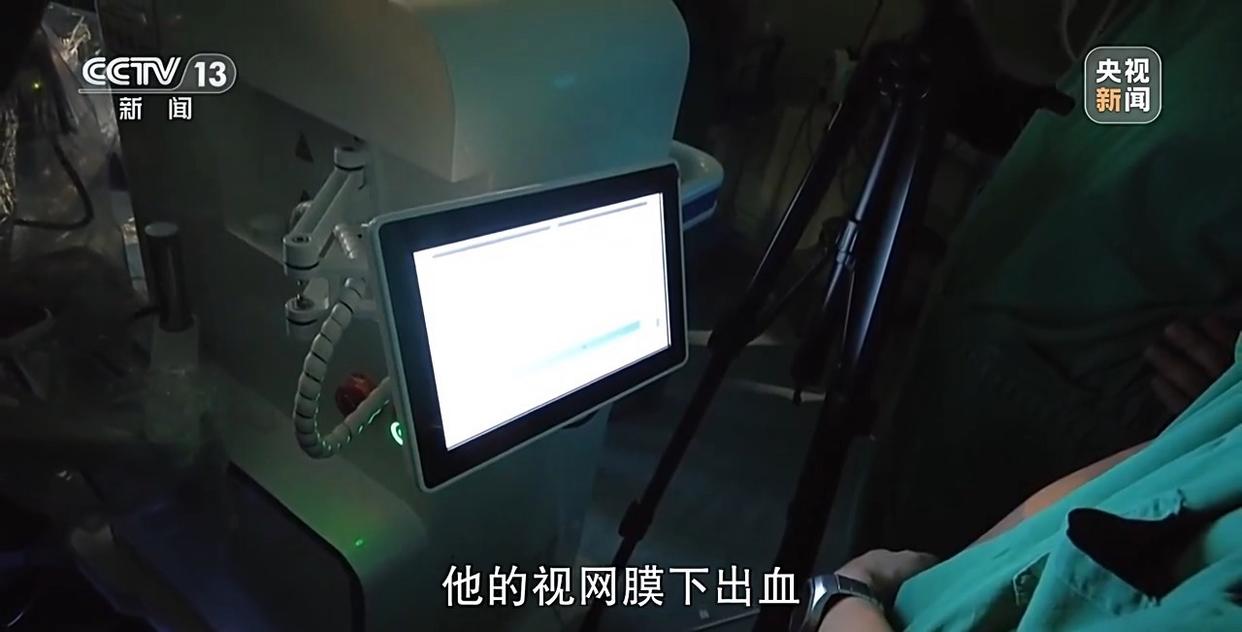
远程手术 离“实用”还有多远
Yang Shi Xin Wen· 2025-11-08 18:33
Core Viewpoint - The successful completion of the world's first remote robotic retinal injection surgery in Xinjiang marks a significant advancement in telemedicine, showcasing the capabilities of domestic surgical robots and the potential for remote surgeries to become practical and safe in the near future [1][3][5]. Group 1: Technological Breakthroughs - The remote robotic retinal injection surgery took only seven minutes and required precision at the micrometer level, highlighting the complexity and difficulty of such procedures [3][5]. - The transition from "centimeter-level" remote surgeries to "micrometer-level" surgeries represents a qualitative leap in surgical precision [6]. - The collaboration between medical teams and engineers has led to customized solutions that enhance the stability and accuracy of domestic surgical robots [6]. Group 2: Clinical Applications and Challenges - Despite breakthroughs, most remote robotic surgeries are still in clinical trial phases and have not yet achieved large-scale clinical application [6]. - The implementation of remote surgeries can alleviate the burden of long-distance travel for patients, but concerns about safety and standardization remain [7][10]. - The establishment of operational guidelines, such as the "Remote Robotic Surgery Operation Guidelines (2025 Edition)," aims to address safety and regulatory concerns [15][17]. Group 3: Regional Healthcare Impact - Remote surgeries enable the sharing of high-quality medical resources across provinces, as demonstrated by the successful remote surgery conducted from Guangzhou to Xinjiang [12]. - The goal is to replicate successful models in remote areas, ensuring that patients in less developed regions receive top-tier medical services [14]. - The integration of remote surgery into local healthcare systems requires significant investment in training and equipment, which poses challenges for grassroots medical institutions [20][27]. Group 4: Future Directions - The ongoing development of domestic surgical robots is expected to lower costs, making them more accessible to grassroots healthcare facilities [29]. - Innovations in technology must be accompanied by reforms in medical regulations, including clarifying responsibilities and compensation for healthcare providers involved in remote surgeries [29].
跨越万里山海,中国医疗创新获世界点赞|Healthcare View
红杉汇· 2025-10-31 00:05
Group 1: Surgical Robotics - A record-breaking remote robotic surgery was successfully performed over a distance of 12,035 kilometers, certified by Guinness World Records as the "farthest distance for remote robotic surgery" [2] - The surgery was conducted by Dr. Leandro Totti in Kuwait using the Chinese-developed Jingfeng® surgical robot, demonstrating a bidirectional communication delay of only 199 milliseconds, ensuring precision and safety during the procedure [4] Group 2: Pharmaceutical Innovations - The first AI-enabled formulation drug in China, MTS-004, has successfully reached the primary endpoint of Phase III clinical trials, marking a significant milestone in the pharmaceutical industry [6] - MTS-004 is designed for the treatment of Pseudobulbar Affect (PBA) and features an orally disintegrating tablet formulation that improves patient compliance by dissolving quickly in the mouth without water [8] Group 3: Medical Devices - The GuiTracker® hard guidewire developed by Shanghai Shape Memory Alloy Materials Co., Ltd. has received approval for market launch, aimed at enhancing the performance of cardiovascular and peripheral vascular interventional surgeries [10] - The guidewire addresses clinical challenges by providing high support and stability, crucial for navigating complex vascular conditions during procedures [10] Group 4: Advanced Therapies - C-CAR168, a novel CAR-T therapy developed by Xibiman Biotechnology, has been selected as a breakthrough abstract for the 2025 American College of Rheumatology (ACR) Convergence, highlighting its potential in treating refractory autoimmune diseases [12][13] Group 5: Brain Research Initiatives - The China Brain Multi-omics Atlas Project (CBMAP) has officially launched, aiming to create a comprehensive molecular map of the human brain, focusing on the East Asian population [15] - M20 Genomics' VITA high-throughput single-cell full-length transcriptome platform has been chosen as a core method for this project, enabling high-quality analysis of precious brain tissue samples [19] Group 6: Medical Materials - The animal study results of UniPearls®, a new generation drug-loaded embolic microsphere, have been published in a leading biomaterials journal, demonstrating its effectiveness and safety for use in transarterial embolization [21][24] Group 7: Investment Landscape - Sequoia China has invested in over 200 innovative healthcare companies, covering various sectors including innovative drugs, medical devices, and digital healthcare, with more than 45 companies having completed IPOs [25]

瑞士工程院院士、瑞士苏黎世联邦理工大学教授布拉德利·尼尔森:《用于应对全球主要健康威胁的微型机器人与远程手术》
机器人圈· 2025-10-13 09:51
Core Viewpoint - The article discusses the advancements and potential of micro-robotics in the medical field, particularly in remote surgery and targeted drug delivery, highlighting the challenges and innovations in treating critical conditions like diffuse intrinsic pontine glioma and stroke [4][5][10]. Summary by Sections Event Overview - The 2025 World Robot Conference will be held from August 8 to 12 in Beijing, featuring a main forum and 31 activities with 416 experts sharing insights on new technologies and applications [1]. Micro-Robotics in Medicine - Micro-robotics is gaining attention for its applications in medicine, especially in remote surgery [4]. - The focus is on diffuse intrinsic pontine glioma, a severe brain cancer with poor prognosis, affecting about 300 patients annually in the U.S. [4]. Drug Development Challenges - The global pharmaceutical industry invested approximately $250 billion in drug development last year, with a 90% failure rate, largely due to toxicity issues [5]. - Targeted drug delivery via micro-robots can address the challenge of determining effective treatment dosages [5][6]. Technological Innovations - The development of micro-robots has evolved over 20 years, moving from simple designs to complex intelligent systems inspired by natural organisms [5][6]. - The use of electromagnetic fields to control micro-robots allows for precise movement within the human body [7][11]. Remote Surgery Potential - Remote surgery can significantly reduce the time patients spend traveling to treatment centers, which is critical for conditions like stroke where timely intervention is essential [10][11]. - The technology enables real-time observation and control of surgical procedures from thousands of kilometers away, enhancing access to specialized care [12][13]. Clinical Applications and Collaborations - Successful collaborations in Hong Kong have demonstrated the feasibility of remote surgeries for various conditions, showcasing the potential for widespread application [15]. - The article emphasizes the importance of remote medical services in addressing the needs of patients who cannot access timely surgical interventions [14][16]. Future Directions - The ongoing research aims to further develop micro-robotic technologies and integrate them into clinical practice, potentially revolutionizing surgical procedures and patient care [16].

微创机器人亏损收窄,但现金流仍不宽裕
Xin Lang Cai Jing· 2025-09-30 04:18
Core Insights - Despite a significant increase in revenue, the company is still far from profitability, with a net loss of 113 million yuan, although this represents a 59% reduction year-on-year [1][2][4] - The company's gross margin has declined from 47% to 41%, indicating increased competition in its main surgical robot products [1][2][4] - The reduction in net loss is largely attributed to aggressive cost-cutting measures, particularly in R&D expenses, which were reduced by 46% to 88.6 million yuan [2][4][5] Financial Performance - The company reported a 77% year-on-year increase in revenue, reaching 176 million yuan [1][2] - Operating cash flow remains negative at -113 million yuan, indicating ongoing cash consumption despite reduced cash outflow [4][5] - Cash and cash equivalents stood at 816 million yuan as of June 30, suggesting a few years of operational support at the current cash burn rate [4] Cost Management - Sales and marketing expenses decreased by 12.8% to 80.4 million yuan, while administrative expenses fell by 40% to 18.1 million yuan [4] - The company's focus on cost control reflects improved operational efficiency, but the decline in gross margin suggests a shift towards lower-margin products [4][5] Market Position and Competition - The company is competing in a highly competitive market, particularly with its core products like the TUMI laparoscopic surgical robot, which faces established competitors [5][6] - The orthopedic surgical robot, HONGHU, is also in a crowded market, facing competition from international giants [6] - The R-ONE vascular intervention robot operates in a "blue ocean" market, but requires significant investment in market education and clinical pathways [6] Global Expansion Strategy - The company has seen a 189% increase in overseas revenue, reaching 102 million yuan, which now accounts for nearly 58% of total revenue [8][9] - Rapid global expansion poses challenges in terms of funding, talent acquisition, and cross-cultural management [8][9] - The sustainability of the global strategy remains uncertain, particularly regarding the ability to generate positive profits after accounting for high overseas operational costs [9]
财说|微创机器人亏损收窄,但现金流仍不宽裕
Xin Lang Cai Jing· 2025-09-30 04:09
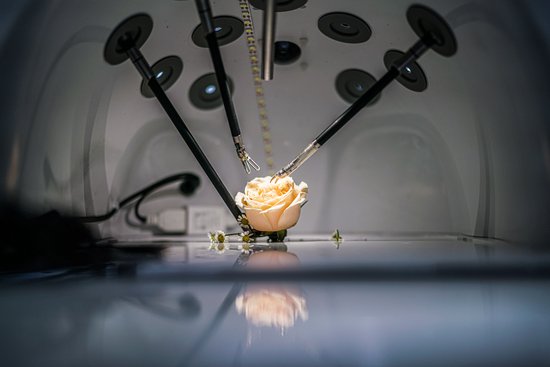
Core Viewpoint - Despite the growth in surgical robot shipments, MicroPort (2252.HK) is still far from turning a profit, with significant losses persisting despite revenue increases and cost-cutting measures [1][2][3] Financial Performance - MicroPort reported a 77.0% year-on-year increase in revenue to 176 million yuan, while the net loss narrowed by 59% to 113 million yuan [1][2] - The gross margin decreased from 47% to 41%, indicating increased competition in the surgical robot market [1][2] - The reduction in net loss was largely due to aggressive cost-cutting, particularly in R&D expenses, which fell by 46.0% to 88.6 million yuan [2][3] - Sales and marketing expenses decreased by 12.8% to 80.4 million yuan, and administrative expenses dropped by 40.0% to 18.1 million yuan [2] Cash Flow and Financial Structure - Operating cash flow remained negative at -113 million yuan, indicating ongoing cash consumption despite a 43% reduction in free cash flow outflow [3] - The company held cash and cash equivalents of 816 million yuan as of June 30, which could sustain operations for a few years at the current cash burn rate [3] - To optimize its financial structure, MicroPort redirected 266 million HKD from a planned business development use to repay bank loans, highlighting financial pressure [3] Market Position and Competition - MicroPort's valuation is based on the commercialization prospects of its three core pipelines: Tumai, Honghu, and R-ONE [4] - Tumai, targeting the urology sector, faces intense price competition against established players like Intuitive Surgical's Da Vinci system [4][5] - Honghu, in the orthopedic surgery market, competes with international giants like Stryker and Medtronic, while also facing domestic competition [5] - R-ONE, positioned in the vascular intervention market, has first-mover advantages but requires significant market education and clinical pathway establishment [5] Global Expansion Strategy - MicroPort's overseas revenue grew by 189% to 102 million yuan, accounting for nearly 58% of total revenue [6] - The rapid global expansion strategy poses challenges in terms of funding, talent acquisition, and cross-cultural management [6][7] - Competing in mature markets requires MicroPort to demonstrate superior technology and provide comprehensive clinical training and support, necessitating substantial capital investment [6][7]
(经济观察)中国医疗机器人加速覆盖多诊疗场景
Zhong Guo Xin Wen Wang· 2025-09-19 11:24
Core Insights - The Chinese medical robotics industry is rapidly expanding its coverage across various diagnostic and treatment scenarios, driven by advancements in artificial intelligence and smart sensing technologies [1][3]. Industry Developments - The 2025 Guangzhou Precision Medicine Expo showcased innovations such as the snake-arm single-port robot, which can perform stable and precise tissue separation and suturing in confined spaces [3]. - The snake-arm robot has been successfully used in over 1,000 surgeries across more than 60 top-tier hospitals in mainland China, including procedures in thoracic and gynecological surgery [3]. - The industry is moving towards a more standardized framework, with clear guidelines for clinical applications and physician training being established [3]. Future Trends - The future of surgical robots is expected to focus on miniaturization, precision, and remote capabilities, particularly through the integration of AI technology for remote surgeries, which could alleviate regional disparities in healthcare resources [3][5]. - The market for medical robots in China is projected to reach 14.94 billion RMB by 2025, reflecting a significant growth trajectory fueled by policy support and increasing demand for rehabilitation due to an aging population [5]. Technological Integration - The combination of medical robots and AI is transforming chronic disease management, emphasizing efficient, precise, and personalized services for patients, particularly in grassroots healthcare settings [6]. - The development of humanoid robots is being explored for applications in remote surgeries, elderly care, and traditional Chinese medicine, although widespread implementation is expected to take an additional 3 to 5 years [5].
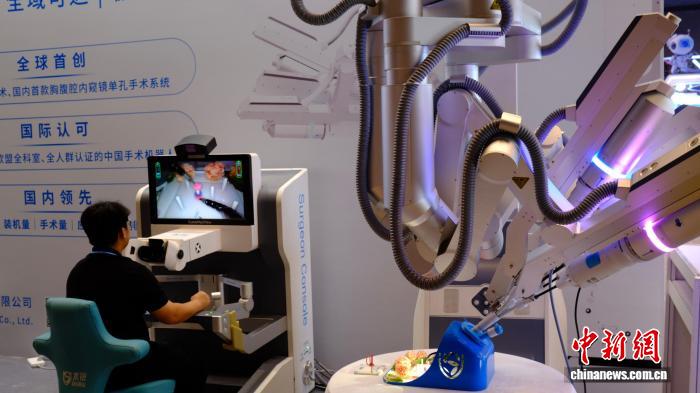
国产眼科手术机器人亮相 10微米精度“拿捏”
Zhong Guo Xin Wen Wang· 2025-09-11 03:21
Core Viewpoint - The introduction of a domestic ophthalmic surgical robot capable of performing operations with a precision of 10 micrometers, enabling remote surgeries through advanced technology [1] Group 1: Product Features - The domestic ophthalmic surgical robot can perform operations within the human eye, which is approximately 24 millimeters in diameter, requiring extremely high precision [1] - The robot's precision is reported to reach 10 micrometers, ensuring accuracy during surgical procedures [1] - The system allows for remote operations, combining remote control and computer software to facilitate surgeries from a distance [1]