需求侧改革

Search documents
国际媒体沙龙 | 探究中国经济转型新动态
Sou Hu Cai Jing· 2025-07-22 15:20
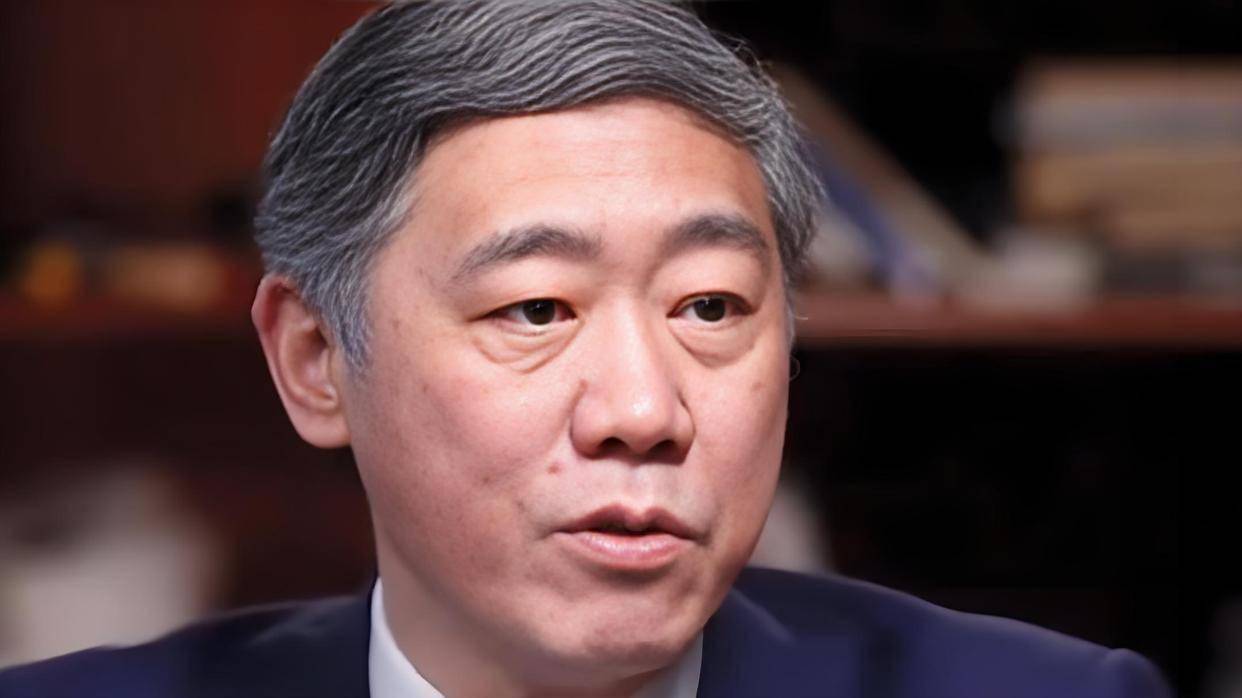
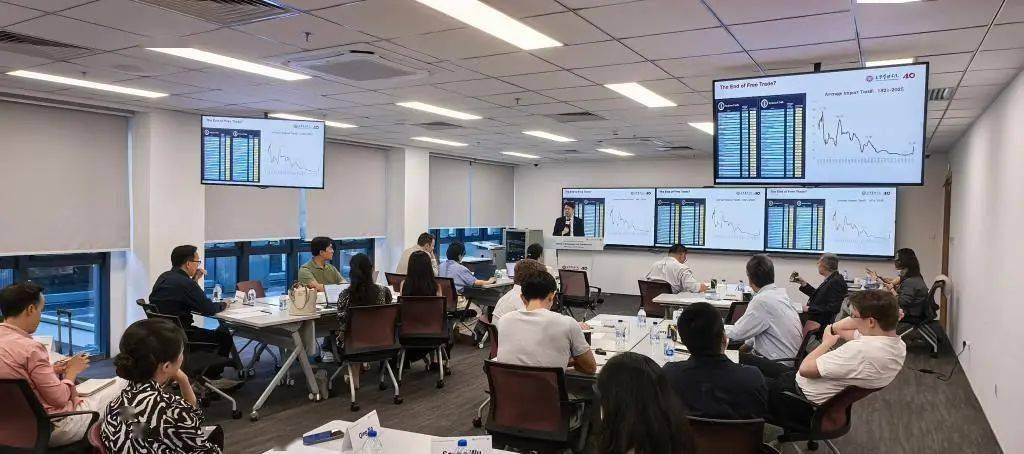
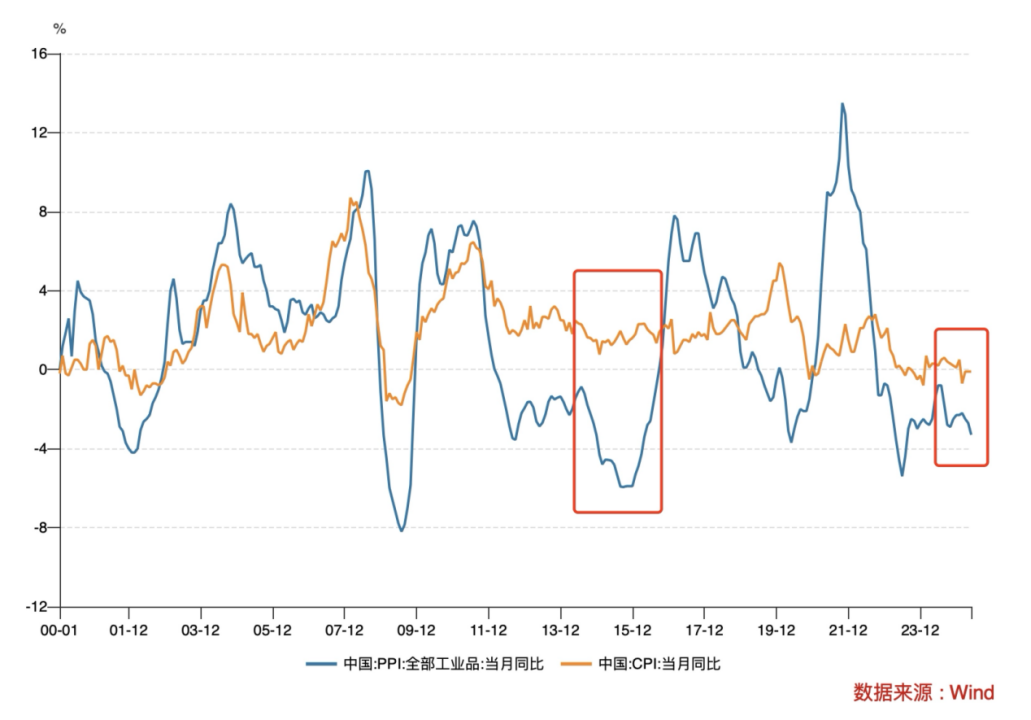
Group 1: Economic Transformation Insights - The core theme of the event was "Transforming Chinese Economy: Pathways and Prospects," focusing on macroeconomic background, opportunities, challenges, and policy directions [2] - Liu Qiao emphasized that China's strategy to maintain growth is through productivity enhancement, framing the US-China trade friction as a competition of total factor productivity (TFP) rather than a trade imbalance issue [4] - Liu Qiao noted that despite a decline in TFP growth, the "new quality productivity" strategy centered on technological innovation, industrial upgrading, and structural reform could restore TFP growth to 2%, supporting a sustainable GDP growth of 5% in the future [4] Group 2: Inflation and Demand Challenges - Color analyzed the current deflationary pressures in China, highlighting that both CPI and PPI are on a downward trend, with CPI recently turning negative, indicating increasing deflationary pressure [6] - The main causes of this deflation include strong supply capacity, weak demand, and tight monetary policy, with GDP growth projected at 5.3% and industrial value-added growth at 6.4% for the first half of 2025, while retail sales growth is only 5% [6][8] - Color pointed out that structural and long-term characteristics of deflation are evident, with traditional manufacturing facing overcapacity and a shift in demand towards high-end sectors [8] Group 3: Consumption and Trade Structure - Tang Yao focused on the need to develop consumer demand in China to lay a foundation for long-term economic growth, noting that while goods consumption is comparable to the US, service consumption is significantly lower [10] - The booming concert market and local sports leagues indicate a strong consumer willingness for service consumption, with the service sector seen as a key area for consumption growth [10] - Tang Yao observed that despite the turbulence caused by the Trump administration, global trade has shown resilience, with China's trade becoming more diversified and increasing integration with emerging economies [10]

需求的相对不足与绝对不足
Hu Xiu· 2025-07-14 06:24
Group 1 - The core argument of the article is that the issue of demand can be categorized into relative insufficiency and absolute insufficiency, which requires different reform approaches [1] - Relative demand insufficiency indicates that consumers have the money but are unable to find desirable products, necessitating supply-side reforms [1][8] - Absolute demand insufficiency suggests that consumers lack the financial means to purchase goods, indicating a need for demand-side reforms focused on income distribution [1][9] Group 2 - The article highlights the disparity in savings perception across different demographics, where some perceive a surplus of savings while others feel a shortage [2][3][4] - It emphasizes that regardless of demographic differences, the common sentiment is one of "wanting to consume but lacking money" rather than "having money but not consuming" [5] - The article discusses the phenomenon of consumers prioritizing certain types of spending, such as luxury items, even when overall financial resources are limited, illustrating a shift in consumption patterns [6]
供给侧改革会卷土重来吗?
Hu Xiu· 2025-07-14 02:41
Group 1 - The current economic situation is more complex than a decade ago, with issues extending from production to consumption, affecting PPI and CPI [3][5][6] - The decline in consumer confidence is linked to deteriorating asset-liability balances due to real estate downturns and corporate profit declines, leading to increased unemployment and suppressed consumption [5][11][12] - The need for reform is recognized, but a straightforward approach to reduce production capacity may not be feasible due to the current macroeconomic conditions [10][11][60] Group 2 - The shift in economic structure has led to a decrease in the demand for labor, with the service sector's share of GDP increasing significantly over the past nine years [12][14] - Demand-side reforms are considered more effective than supply-side reforms, as increasing demand is seen as a better solution than merely cutting production [15][39] - The current economic model shows a structural imbalance between consumption and investment, with a significant portion of economic benefits not reaching the average consumer [37][38] Group 3 - Stimulating consumer confidence is crucial, as current policies like subsidies may only provide temporary relief without addressing underlying issues [41][43] - The distribution of wealth and consumer spending power is highlighted as a key factor in improving consumption levels, with a focus on creating a more balanced distribution mechanism [43][49] - The stock market's potential to improve consumer sentiment is noted, as an increase in stock market participation could enhance the perception of economic stability [64][65]
身份证消费补贴25%:李稻葵的万亿刺激计划能激活内需吗?
Sou Hu Cai Jing· 2025-04-29 09:00
Core Viewpoint - The proposal by Tsinghua University economist Li Daokui to issue 1 trillion yuan in consumer subsidies has sparked debate, with supporters calling it a "precise market rescue" and opponents questioning its effectiveness in addressing fundamental issues in the economy [1]. Group 1: Subsidy Mechanism and Multiplicative Effect - Li Daokui's logic is based on the "subsidy multiplier effect," suggesting that a 1 yuan fiscal subsidy could stimulate 4 yuan in consumer spending, with a potential 200 billion yuan investment leading to a total consumption increase of 1 trillion yuan [3]. - Historical data from cities like Hangzhou and Shanghai indicate that consumption vouchers have achieved a multiplier effect of 3-4 times, with even higher effects in less developed areas [3]. Group 2: Challenges to the Subsidy Logic - Consumer willingness has a "ceiling," as evidenced by a 13%-14% year-on-year decline in retail sales in Beijing and Shanghai in 2024, indicating that subsidies may only be used for necessities rather than stimulating large-scale consumption [4]. - There is a structural imbalance where high-income groups have low marginal propensity to consume, while low-income groups are constrained by savings and debt, leading to a situation where subsidies may convert into savings rather than spending [4]. Group 3: Consumption Decline in Major Cities - In 2024, retail sales in Beijing and Shanghai fell by 2.8%-3.1%, despite a 6.8% growth in service consumption, highlighting three paradoxes: high income does not equate to high consumption, service consumption upgrades are misaligned with traditional retail data, and online consumption is replacing offline without adequate digital transformation [6]. Group 4: Policy Tools for Stimulating Consumption - The debate on stimulating consumption has led to differing opinions on policy tools: direct cash payments are effective in the short term but may lead to inflation, while increasing income is a long-term solution that takes time to implement [9]. - A combination of short-term vouchers and long-term income increases is suggested, including targeted subsidies for durable goods and tax reforms to expand the middle-income group [10]. Group 5: Policy Recommendations - Recommendations include precise distribution of consumption vouchers, addressing barriers in service consumption, promoting "lifestyle entrepreneurship," and enhancing digital infrastructure for offline merchants [12]. Group 6: Conclusion on Subsidy Effectiveness - While subsidies are not a panacea, they may be a necessary step in transitioning China's economy from investment-driven to consumption-driven, with the potential to alleviate inventory pressures and boost market confidence in the short term [14].