
风阻系数

Search documents
揭秘风洞测试江湖:昂贵的人造风,吹出一场数字游戏
Di Yi Cai Jing· 2025-05-11 08:20
Core Viewpoint - The recent controversy surrounding the aerodynamic performance of the Avita 12 highlights the tension between marketing claims and actual wind tunnel test results, raising questions about the integrity of wind resistance measurements in the automotive industry [3][10][12] Group 1: Wind Tunnel Testing Costs and Practices - Wind tunnel testing is an expensive process, with costs averaging around 30,000 yuan per hour, leading to daily expenses exceeding 120,000 yuan for companies [1][2] - The automotive industry typically requires multiple wind tunnel tests during the design phase, with a minimum of three tests, each lasting between 8 to 16 hours [1][2] - The lack of standardized testing methods in the industry results in variations in wind resistance measurements across different manufacturers and testing facilities [7][11] Group 2: Marketing and Consumer Perception - The competition for lower wind resistance coefficients has become a marketing strategy, with companies like Tesla, Mercedes, and Xiaomi promoting their vehicles' aerodynamic efficiency as a key selling point [2][10] - The difference of 0.01Cd in wind resistance coefficients among vehicles has been criticized as a "digital game," often failing to reflect real-world consumer experiences [2][10] - Companies are urged to provide clearer information regarding the conditions under which wind resistance coefficients are measured to avoid misleading consumers [2][10] Group 3: Discrepancies in Wind Resistance Measurements - The Avita 12 faced scrutiny when a blogger reported a wind resistance coefficient of 0.28Cd, significantly higher than the company's claimed 0.21Cd, leading to widespread debate [3][4] - Factors affecting wind resistance measurements include vehicle configuration, testing methods, and the completeness of certain components, with vehicle design accounting for nearly 60% of the wind resistance coefficient [4][5] - Different wind tunnel facilities yield varying results, and the absence of a unified testing standard complicates the comparison of wind resistance data across manufacturers [7][8] Group 4: Industry Standards and Future Implications - The automotive industry lacks a national standard for wind tunnel testing, relying instead on group standards and international references, which can lead to inconsistencies [7][11] - The pursuit of lower wind resistance is critical for improving fuel efficiency and electric vehicle range, with a 10% reduction in wind resistance potentially lowering fuel consumption by 0.12L/100km and increasing electric vehicle range by approximately 15km [7][8] - The recent controversies have prompted companies to reconsider their marketing strategies, with many adjusting their promotional language regarding wind resistance to avoid misleading claims [12]
风阻系数被指造假,阿维塔公开测试“自证”,受邀的马斯克未到场
Mei Ri Jing Ji Xin Wen· 2025-05-09 15:13
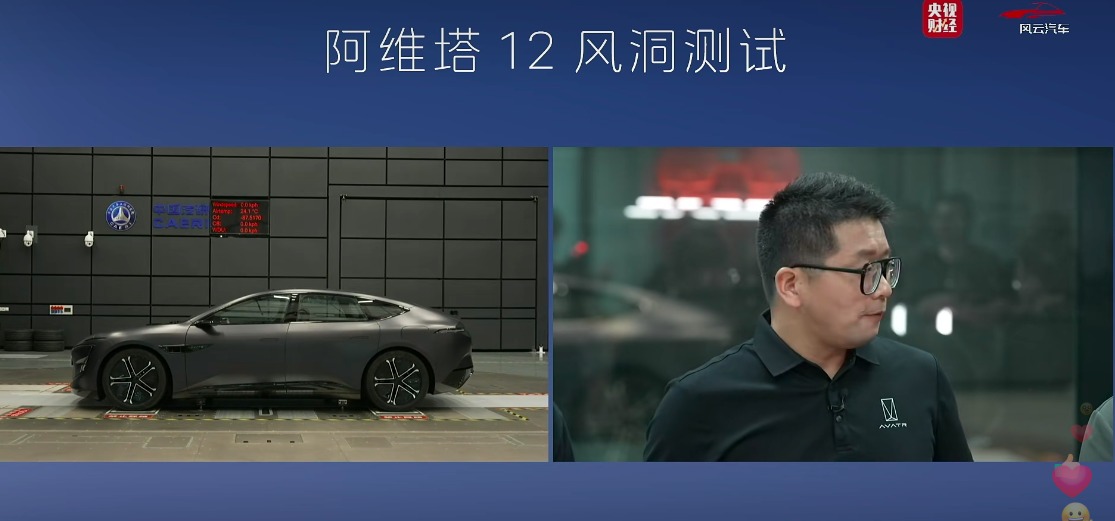
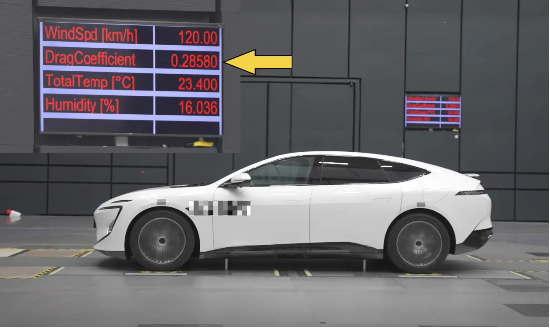
Core Viewpoint - The controversy surrounding the wind resistance coefficient of the Avita 12 has prompted the company to conduct a public wind tunnel test to validate its claims, revealing that the actual measurements are close to the advertised figures, thus potentially alleviating the dispute [1][3][4]. Group 1: Wind Tunnel Testing Results - The Avita 12 was tested under six simulated conditions, showing a wind resistance coefficient of 0.217Cd at a speed of 160KPH and 0.2175Cd at 120KPH, which aligns closely with the official claim of 0.21Cd [3]. - The wind resistance coefficient varied between 0.2327Cd and 0.2973Cd under different configurations, such as changing to sport wheels and using traditional mirrors instead of electronic ones [3][5]. Group 2: Origin of the Controversy - The controversy began when an automotive blogger claimed that their independent test showed a wind resistance coefficient of 0.28Cd for the Avita 12, significantly higher than the company's claim, which sparked widespread discussion [3][4]. - The lack of standardized testing procedures in the automotive industry has led to discrepancies in wind resistance measurements, with different testing institutions yielding varying results [4][6]. Group 3: Importance of Wind Resistance Coefficient - In the context of electric vehicles, a lower wind resistance coefficient is crucial for enhancing range, with studies indicating that a reduction of 0.010 in the coefficient can increase the range by approximately 5 kilometers [6]. - The automotive industry is increasingly focused on reducing wind resistance to improve vehicle performance, with manufacturers employing various design strategies to achieve coefficients below 0.2Cd [6][7].

阿维塔风阻罗生门:被误读的营销数据
第一财经· 2025-05-09 15:12
Core Viewpoint - The article discusses the controversy surrounding the drag coefficient of the Avita 12 electric vehicle, highlighting the differences in test results and the implications for energy consumption and marketing practices in the automotive industry [1][2][3]. Group 1: Testing and Results - Avita conducted a live wind tunnel test to validate its claimed drag coefficient of 0.21Cd, which was questioned after a blogger reported a measurement of 0.28Cd from a different facility [1][2]. - The testing involved multiple configurations affecting the drag coefficient, with the highest recorded being approximately 0.2973Cd under specific conditions [2]. - Key factors influencing the drag coefficient include external shape resistance (nearly 60%), airflow under the vehicle (10-15%), wheel design (25%), and other components like mirrors and grille design [2]. Group 2: Impact on Performance - The drag coefficient directly affects the energy consumption, range, noise, and stability of electric vehicles, with a reduction of 0.01Cd potentially increasing the range by 5-10 kilometers [3]. - The difference of 0.07Cd in reported values could lead to a minimum range impact of 35 kilometers [3]. Group 3: Industry Practices and Standards - There is currently no unified standard for wind tunnel testing in the industry, leading to discrepancies in reported drag coefficients [4]. - Companies are encouraged to provide clear information on the conditions under which performance metrics are obtained to avoid consumer misunderstandings [4]. - Some manufacturers may optimize test conditions to achieve better drag coefficients for marketing purposes, which may not reflect real-world usage [4]. Group 4: Future Directions - The optimization of drag coefficients should be a focus for automotive companies to advance the development of the Chinese automotive industry [5].
被指风阻系数造假,马斯克也转发了!阿维塔12公开测试自证
Nan Fang Du Shi Bao· 2025-05-09 15:04
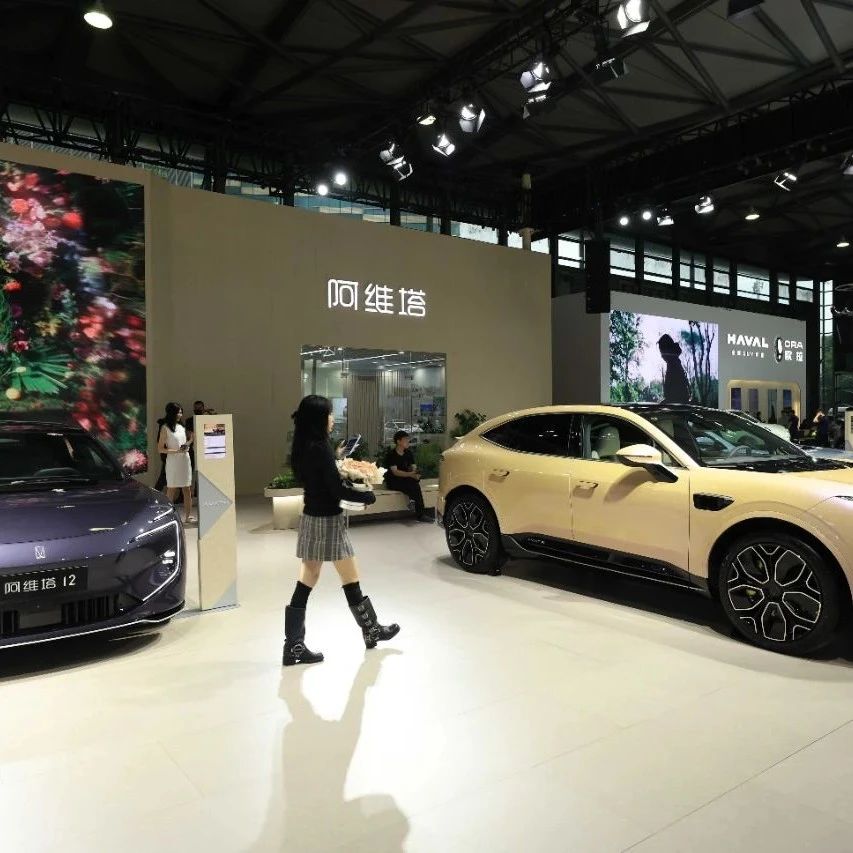
Core Viewpoint - The controversy surrounding Avita's alleged false wind resistance coefficient has gained significant attention, especially after a video by an automotive blogger claimed a discrepancy between the tested and advertised values, prompting Avita to conduct a public wind tunnel test to defend its reputation [2][3]. Group 1: Allegations and Response - An automotive blogger reported that the actual wind resistance coefficient of the Avita 12 model was 0.28Cd, which is 30% higher than the official figure of 0.21Cd [3]. - Following the allegations, Avita's legal department stated that the blogger's claims were "completely false" and emphasized that all technical parameters are based on official releases [3]. - Avita announced a public wind tunnel test to restore its reputation, which took place at the China Automotive Engineering Research Institute [3]. Group 2: Test Results - The public test showed that at a speed of 120 km/h, the measured wind resistance coefficient was 0.217Cd, which is 22% lower than the blogger's reported figure of 0.28Cd [3]. - When the low-resistance wheels were replaced with sport wheels, the coefficient was measured at 0.2326Cd, and with standard mirrors and raised suspension, it was 0.2509Cd [4]. - Opening the front grille resulted in a wind resistance coefficient of 0.2743Cd [4]. Group 3: Design Innovations - Avita's internal sources revealed that the design team implemented various features to reduce wind resistance, including a disc-wing front design, optimized vehicle shape, electronic mirrors, and low-resistance wheel designs [7]. - These innovations aim to enhance aerodynamic efficiency while maintaining aesthetic appeal and practicality [10]. Group 4: Industry Standards and Testing Discrepancies - Industry insiders noted that different testing standards can lead to significant variations in results, emphasizing the importance of consistent testing conditions [8][9]. - The discrepancies in results may arise from the use of non-standard configurations or environmental conditions during testing [9]. - It was mentioned that while minor differences (around 0.01Cd) are acceptable, a 0.07Cd difference is beyond reasonable limits [9]. Group 5: Consumer Awareness and Industry Implications - Experts cautioned that consumers should not overly focus on wind resistance coefficients at the expense of other vehicle attributes, such as comfort and design [10]. - The incident highlights a broader issue of transparency and industry standards, as many companies rely on self-reported data without independent verification [10][11]. - This situation presents an opportunity for the industry to establish stricter testing protocols and enhance third-party oversight [11].
阿维塔风阻罗生门:被误读的营销数据
Di Yi Cai Jing· 2025-05-09 13:50
Core Viewpoint - The article discusses the varying drag coefficient of the Avita 12 electric vehicle under different testing conditions, highlighting the controversy surrounding its advertised drag coefficient of 0.21Cd compared to a reported 0.28Cd from an independent test [1][2][3]. Group 1: Testing Conditions and Results - The Avita 12 underwent wind tunnel tests at different configurations, with the best result being a drag coefficient of approximately 0.21Cd at a speed of 160 km/h with optimal settings [1]. - In subsequent tests, adjustments to the vehicle's configuration led to varying drag coefficients, with the highest recorded being 0.2973Cd under less favorable conditions [2]. - Key factors affecting the drag coefficient include external shape resistance (nearly 60%), airflow under the vehicle (10-15%), wheel design (25%), and other components like mirrors and grille design [2]. Group 2: Industry Implications - The discrepancy in drag coefficient measurements has sparked a debate in the industry, with implications for vehicle energy consumption, range, and overall performance [3]. - The Avita company attributes the differences in test results to variations in vehicle configuration, testing methods, and the completeness of certain components [3]. - There is a call for clearer marketing practices within the industry, emphasizing the need for transparency regarding the conditions under which performance metrics are reported [4]. Group 3: Future Directions - Industry experts suggest that optimizing drag coefficients should be a focus for automotive companies to enhance vehicle performance and contribute to the advancement of the Chinese automotive industry [4].
阿维塔公布风洞测试直播结果:低风阻状态下风阻系数为0.217左右,与官方宣传的0.21相差不大
Xin Lang Ke Ji· 2025-05-09 11:47
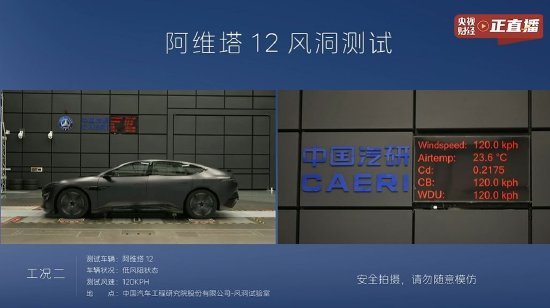
Core Viewpoint - Avita conducted a live wind tunnel test for the Avita 12, addressing controversies regarding its drag coefficient, with results presented by industry experts and verified by a notary [1]. Group 1: Testing Details - The wind tunnel test took place at the China Automotive Engineering Research Institute, featuring six different test conditions [1]. - The first three test conditions showed drag coefficients of 0.2172 at 160 KPH, 0.2175 at 120 KPH, and 0.2327 with sport wheels at 120 KPH [2]. - The latter three conditions resulted in drag coefficients of 0.2509 with standard mirrors and raised air suspension, 0.2741 with an active grille, and 0.2973 with a 5° vehicle offset, all at 120 KPH [3]. Group 2: Expert Insights - The test utilized a real production vehicle to simulate various real-world scenarios, with the results for conditions one and two closely aligning with the advertised coefficient of 0.21 [3]. - Experts noted that minor changes in vehicle status and testing environments significantly impact drag coefficient results, highlighting the lack of a unified national standard for measuring drag coefficients [3].
当我们卷风阻系数时,我们在卷些什么
Hu Xiu· 2025-05-08 09:22
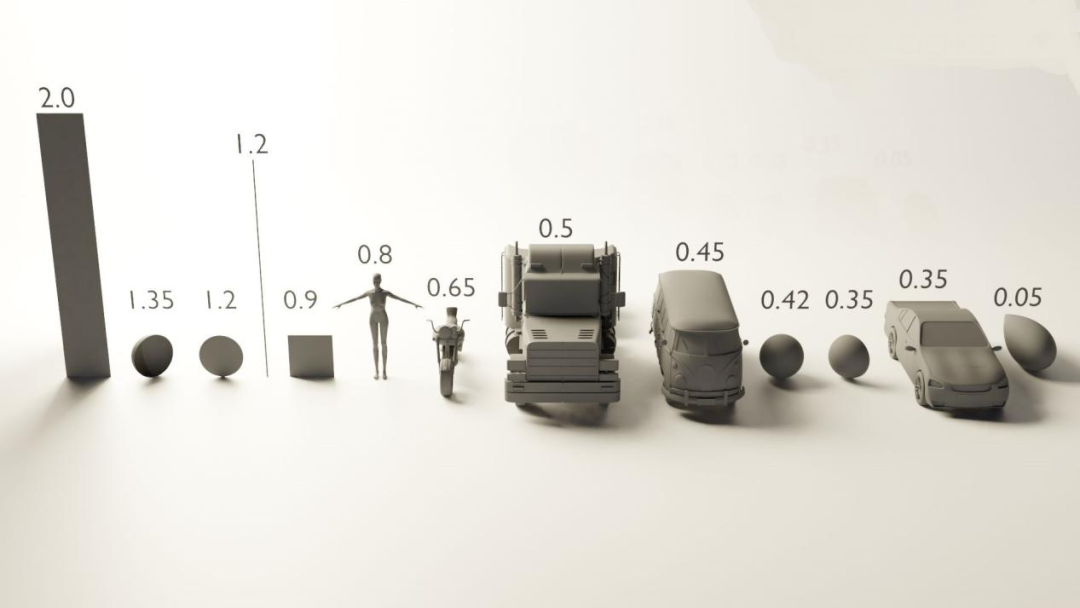
Core Viewpoint - The article explores the significance of the drag coefficient (Cd) in the automotive industry, questioning whether its numerical values are truly decisive in vehicle performance and consumer perception [1][10]. Group 1: Historical Context and Development - The drag coefficient was largely ignored in the early automotive industry, with focus primarily on structural strength and engine power [3]. - Wind tunnel testing, initially developed for aviation, became relevant for automotive testing in the 1930s, with significant advancements occurring during the 1970s oil crisis [4][6]. - The SAE J1263 standard, introduced in 1980, marked the first widely adopted method for testing road resistance in light vehicles [6]. Group 2: Importance of Drag Coefficient in Electric Vehicles - The arrival of electric vehicles (EVs) has amplified the importance of the drag coefficient, as energy efficiency declines at high speeds, making range more sensitive to drag [7][8]. - For instance, a reduction of 0.01 Cd at a speed of 120 km/h can increase the range by 10 to 16 km, which is critical for consumer anxiety regarding range [8]. Group 3: Market Dynamics and Consumer Perception - The drag coefficient has become a key performance indicator (KPI) in the competitive landscape of EVs, influencing consumer perception and marketing strategies [9][13]. - However, the article emphasizes that lower drag is not universally beneficial; its significance varies across different driving scenarios [10][11]. Group 4: Design Trade-offs and User Experience - There is growing concern that design choices aimed at reducing drag, such as hidden door handles and overly streamlined designs, may compromise user experience [15][16]. - For example, the energy savings from such designs may be minimal, leading to questions about whether the trade-offs are justified [15]. Group 5: Industry Observations and Recommendations - The article suggests that the focus on drag coefficient optimization is leading to a divergence between engineering and marketing strategies, with potential overemphasis on numerical values [18][20]. - It concludes that while drag coefficient optimization is valuable, it should not overshadow other important vehicle attributes, advocating for a balanced approach in automotive design [22][24].
马斯克围观阿维塔“风阻门”! 专家揭秘:测试如何暗箱操作? | 次世代车研所
Xin Lang Ke Ji· 2025-05-08 00:38
Core Viewpoint - The controversy surrounding the wind resistance coefficient of the Avita 12 electric vehicle has gained international attention, particularly after Elon Musk's retweet of a video highlighting the discrepancy between the official and actual measurements, which showed a 33% difference [2][4][11]. Group 1: Wind Resistance Coefficient Discrepancy - The actual measured wind resistance coefficient of the Avita 12 was reported at 0.28Cd, significantly higher than the advertised 0.21Cd [2][4]. - Avita's official response claimed the video content was "completely false" and announced plans to invite a third-party organization for a public test [2][4]. - Experts noted that the lack of standardized testing for wind resistance allows manufacturers to manipulate results, leading to potential consumer deception [8][10]. Group 2: Importance of Wind Resistance in Electric Vehicles - Reducing wind resistance can significantly enhance the range of electric vehicles, with a 10% decrease in wind resistance potentially improving the NEDC comprehensive range by approximately 3% [6]. - The impact of wind resistance on energy consumption is substantial, with potential differences in range reaching dozens of kilometers due to discrepancies in advertised versus actual coefficients [6][11]. Group 3: Testing Standards and Consumer Awareness - There are currently no mandatory national standards for wind resistance testing, which is conducted based on company-specific research standards [8][10]. - The growing consumer interest in wind resistance coefficients indicates a shift towards more discerning purchasing criteria, highlighting the need for transparency in how these metrics are reported [10][11]. - The controversy reflects broader issues within the industry regarding the reliability of technical parameters as marketing tools, emphasizing the necessity for standardized testing conditions and third-party verification [10][11].
回应风阻系数质疑,阿维塔隔空喊话马斯克!
第一财经· 2025-05-07 15:18
Core Viewpoint - The controversy surrounding the drag coefficient of the Avita 12 has gained attention, with claims that the actual measurement is 0.28Cd compared to the advertised 0.21Cd, prompting responses from both Avita and industry figures like Elon Musk [1]. Group 1: Drag Coefficient Controversy - A video by a blogger claims the Avita 12's drag coefficient is 0.28Cd, raising doubts about the official figure of 0.21Cd [1]. - Avita has responded on social media, labeling the information as false and inviting Musk to witness upcoming wind tunnel tests [1]. - The drag coefficient is critical in the electric vehicle sector as it directly impacts energy consumption, range, noise, and stability [1]. Group 2: Importance of Drag Coefficient in EV Performance - Reducing the drag coefficient is essential for enhancing the performance and range of electric vehicles [2]. - Vehicle design, particularly the shape of the body, significantly influences the drag coefficient, accounting for nearly 60% of its variation [2]. - Streamlined designs and coupe-like appearances are increasingly favored in the design of new energy vehicles to lower drag [2]. Group 3: Industry Standards and Testing Methods - There is a lack of standardized methods for measuring drag coefficients, which has been a topic of discussion in the industry [2]. - Different wind tunnels can yield varying results for the same vehicle, necessitating corrections based on standard wind tunnel tests [2]. - The automotive industry is working towards establishing unified testing methods and comfort evaluation systems to meet the growing demands for passenger comfort [2].

阿维塔风阻系数遭质疑,专家称测试风洞不同会影响测试数据
Di Yi Cai Jing· 2025-05-07 11:01
Core Viewpoint - The controversy surrounding the drag coefficient of the Avita 12 has gained traction, with claims that the actual measurement is 0.28Cd compared to the official figure of 0.21Cd, raising questions about the vehicle's performance metrics [1] Group 1: Company Response - Avita has responded to the allegations by stating that the information shared by Elon Musk is inaccurate and has invited him to witness upcoming wind tunnel tests [1] - The company plans to publicly conduct tests based on the schedule of professional institutions to clarify the drag coefficient claims [1] Group 2: Industry Insights - The drag coefficient is a critical factor affecting the energy consumption, range, noise, and stability of electric vehicles, with studies indicating that at a speed of 80 km/h, air resistance can account for over 60% of energy consumption [1] - A reduction of 0.01Cd in drag coefficient can lead to an increase in electric vehicle range by 5 to 10 kilometers [1] - The design of the vehicle, particularly the body shape, significantly influences the drag coefficient, with approximately 60% of the impact attributed to the vehicle's exterior design [2] - There is a lack of standardized testing methods for measuring drag coefficients in the industry, which has been a topic of discussion since 2019 [2] - The establishment of a unified testing method is essential as the automotive industry moves towards higher-end vehicles and increased passenger comfort [2]