SPAC上市

Search documents
新规下中国企业境外上市路径解析III——新加坡上市(下篇)
Sou Hu Cai Jing· 2025-10-22 08:46
Core Insights - The article discusses the pathways for Chinese companies to list in Singapore, focusing on the listing structure and regulatory requirements [2][31]. Group 1: Singapore Listing Structure - The listing structure for Chinese companies in Singapore includes two main categories: direct listing and indirect listing [4]. - Direct listing refers to Chinese companies issuing shares on the Singapore Exchange (SGX) as "S-shares," exemplified by companies like YZJCY and HNHT [4]. - Indirect listing involves companies primarily operating in China listing under a foreign entity, which can be further divided into "red-chip structure" and "VIE structure" [5]. Group 2: Singapore Listing Pathways - The main pathways for listing on the SGX include Initial Public Offering (IPO), secondary listing, SPAC listing, and reverse takeover [7]. - IPO is the most common method for companies to enter the capital market, with specific rules outlined for SGX [7]. - Secondary listing allows companies already listed on other exchanges to list on SGX while maintaining their primary listing status [8]. - SPAC listings were introduced to enhance market activity, allowing companies to raise funds through IPOs for business combinations [10]. - Reverse takeovers involve acquiring a shell company to achieve a listing, subject to strict regulatory scrutiny [18][19]. Group 3: Key Considerations for Chinese Companies - Chinese companies must understand the regulatory framework and filing processes when preparing for a listing in Singapore [20]. - Companies need to comply with the China Securities Regulatory Commission (CSRC) requirements for overseas listings, including obtaining necessary approvals [21][25]. - Foreign investment regulations and the choice of listing structure are critical, especially concerning the negative list of foreign investment [27]. - Cybersecurity and data security assessments are essential for companies with significant user data when planning to list abroad [28][29].

【锋行链盟】港交所SPAC上市核心要点
Sou Hu Cai Jing· 2025-09-27 16:19
Core Viewpoint - The Hong Kong Stock Exchange (HKEX) has officially implemented the SPAC (Special Purpose Acquisition Company) listing regime starting January 1, 2022, aiming to balance innovation with investor protection through a stringent regulatory framework [2]. Group 1: Sponsor Qualifications and Responsibilities - At least one sponsor must hold a license from the Hong Kong Securities and Futures Commission for either Type 6 (advising on corporate finance) or Type 9 (asset management), or be a qualified "senior person" with substantial capital market experience and a good compliance record [6]. - Sponsors are required to disclose their background, professional experience, and past performance to ensure they have the capability to drive acquisitions [6]. - Sponsors must subscribe to at least 10% of the SPAC shares with their own funds, aligning their interests with those of investors [6]. Group 2: SPAC Listing Conditions - The market capitalization of the SPAC at the time of listing must be at least HKD 1 billion, which is higher than some markets like the U.S. that do not have a clear minimum [6]. - The issue price must not be lower than HKD 10 per share to prevent dilution of investor rights [6]. - Public shareholding must be at least 25%, with a minimum of 30 public shareholders to avoid excessive concentration of ownership [6]. Group 3: Fundraising and Fund Custody - Funds raised through the IPO (after deducting issuance costs) must be fully deposited into an independent trust account and can only be used for specific purposes such as acquiring target companies, paying acquisition-related fees, or repurchasing shares if shareholders exercise their redemption rights [4]. - The trust account will be managed by an independent trustee to ensure funds are used exclusively for their intended purposes, reducing the risk of misappropriation [4]. Group 4: Acquisition Transaction (De-SPAC) Requirements - The target company must meet the main board listing requirements of HKEX, ensuring it has sustainable operational capabilities [4]. - An independent financial advisor must be hired to value the target company, and the valuation methods and key assumptions must be disclosed [7]. - The acquisition transaction must be approved by a special resolution of at least 75% of SPAC shareholders, with related sponsors required to abstain from voting [7]. Group 5: Shareholder Rights Protection - Shareholders who disagree with the acquisition can request to redeem their shares at a price not lower than the issue price, ensuring they are not forced into an acquisition they do not support [8]. - There are limits on dilution, with sponsor shares and warrants subject to a maximum dilution cap post-acquisition to protect public shareholders' interests [8]. Group 6: Time Limits and Failure Handling - SPACs must complete their acquisition within 24 months of listing, with a one-time extension of up to 6 months allowed, totaling a maximum of 30 months [8]. - If the acquisition is not completed within the time frame, the SPAC must initiate liquidation and return the principal to investors, along with interest [8]. Group 7: Information Disclosure and Regulation - SPACs are required to regularly disclose the use of funds, acquisition progress, and potential risks [10]. - HKEX will conduct comprehensive oversight of SPACs throughout their lifecycle, focusing on sponsor qualifications, fund safety, and fairness of acquisitions to prevent shell companies and market manipulation [10].

特朗普出手,大涨
Zheng Quan Shi Bao· 2025-08-26 22:29
Core Insights - Trump Media Technology Group announced a merger with Crypto and Yorkville to form Trump Media Group CRO Strategy Inc, aiming to raise approximately $6.42 billion through SPAC listing [1][2] - Following the announcement, Trump Media's stock initially surged over 8% before settling at a 4.7% increase, while Yorkville's stock rose by 1% [1] Group 1: Merger Details - The merger will result in Yorkville being renamed MCGA and listed on NASDAQ after completion [1] - The combined entity will focus on acquiring and managing CRO, the native token of the Cronos blockchain, which is designed for speed, scalability, and seamless connectivity [2] Group 2: Financial Strategy - The new company plans to utilize nearly all cash reserves to acquire CRO, aiming for long-term value generation through revenue-producing assets [2] - The merger is expected to exceed the current market value of CRO, with an additional commitment of over $400 million in cash and $5 billion in credit for further CRO acquisitions [3] Group 3: Strategic Partnerships - Trump Media has partnered with Crypto to implement a rewards system on its social media platforms, utilizing CRO as a utility token [3] - The CEO of Trump Media emphasized the increasing digitization of financial markets and the strategic planning of companies through digital asset vaults [2]
英媒:逆势闯关,中企赴美上市激增
Huan Qiu Wang Zi Xun· 2025-08-06 23:15
Group 1 - A record number of Chinese companies are seeking to list in the U.S. this year, despite geopolitical tensions and stricter domestic listing rules [1][2] - In the first half of the year, 36 Chinese companies have already listed in the U.S., with many utilizing Special Purpose Acquisition Companies (SPACs) to expedite the process [1][2] - There are currently over 40 Chinese companies waiting to list on NASDAQ, including a mobile advertising service provider and a traditional Chinese medicine manufacturer [1] Group 2 - More than 100 Chinese companies are listed in the U.S., with a total market capitalization of approximately $1 trillion as of March this year [2] - The trend shows an increasing number of startups, particularly in the technology sector, seeking to go public via SPACs to accelerate fundraising [2] - The number of companies going public through SPACs nearly doubled last year to 57, and has already reached 76 this year [2]
纳斯达克(Nasdaq)上市|新三板上市企业可以去纳斯达克上市吗?
Sou Hu Cai Jing· 2025-06-21 07:40
Core Viewpoint - New Third Board companies can directly list on NASDAQ without needing to delist first, following the revised Securities Law Implementation Regulations in 2024, which recognizes the New Third Board as a national securities trading venue [1][6]. Group 1: Policy Environment - The 2024 revision of the Securities Law Implementation Regulations clarifies the New Third Board's status, allowing companies to retain their domestic listing while pursuing overseas financing [6]. - The China Securities Regulatory Commission (CSRC) has simplified the overseas listing filing process, with over 96 companies approved in 2024, including 51 for U.S. listings [3][6]. Group 2: Operational Pathways - New Third Board companies must complete the CSRC's overseas listing filing and meet NASDAQ's financial standards, such as a net profit of $750,000 or a valuation of $50 million [3]. - Companies can choose a traditional IPO route if they meet NASDAQ Global Market standards, as demonstrated by Dongyuan Logistics raising $8 million [7]. - The SPAC merger route has gained traction, allowing companies to go public quickly, with valuations typically increasing by 300%-500% [8]. Group 3: Market Effects - Dual-listed companies can create a beneficial cycle of "New Third Board financing + NASDAQ pricing," with a reported 62% year-on-year increase in R&D investment for companies listed on both markets [9]. - The differences in information disclosure between the two markets may lead to increased compliance costs [9].
为什么现在业务这么难做?投行大佬们总结出了一些实用建议
梧桐树下V· 2025-06-19 03:52
Core Viewpoint - The article highlights promotional membership offers and educational courses related to investment banking and corporate finance, emphasizing significant discounts and a variety of learning opportunities for professionals in the field [2][4][6]. Membership Offers - Various membership options are available at discounted prices, including: - Annual Card: ¥4099, now ¥2799 - Semi-Annual Card: ¥2599, now ¥1799 - Honor Card: ¥1499, now ¥999 - Monthly Card: ¥699, now ¥599 [1]. Educational Courses - A range of courses is offered for free or at reduced prices, covering essential topics in investment banking and corporate finance, such as: - Mergers and Acquisitions Practicalities - Corporate Compliance Practices - Private Equity Fund Practices - AI Applications in Investment Banking [4][7][8]. - Specific courses include: - Mergers and Acquisitions with 140 case studies (4.9 hours) at ¥199.5 - Corporate Governance Compliance Issues (1.5 hours) at ¥84.5 - Financial Valuation Modeling from beginner to advanced (7.4 hours) at ¥149.5 [7][8]. Promotional Period - The promotional period for membership and courses runs from June 19 to June 26, with special pricing for two-year memberships at ¥3299 [2][8].
如何在美股借壳上市?境外上市辅导机构
Sou Hu Cai Jing· 2025-05-31 08:08
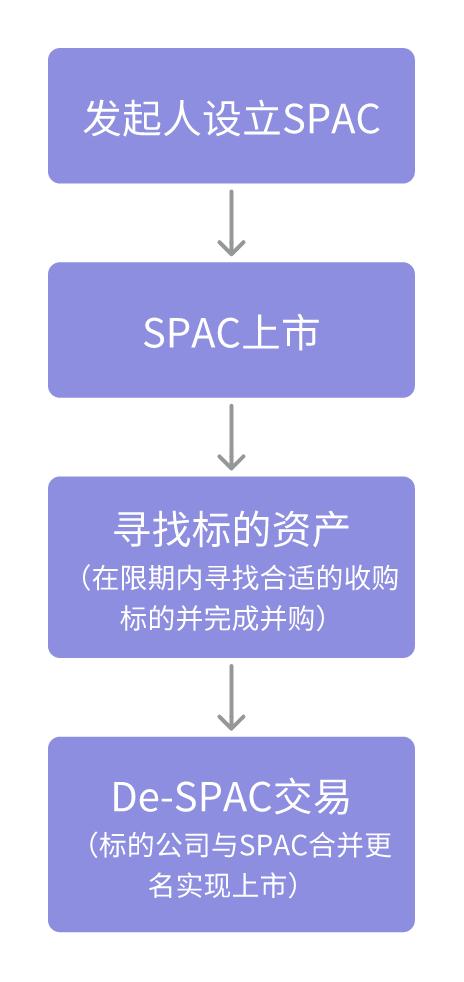
Core Viewpoint - The article discusses the opportunities and risks associated with reverse mergers in the U.S. stock market, emphasizing the strict regulations imposed by the SEC since 2020 and outlining the necessary steps for a successful reverse merger [2][4]. Group 1: Core Process of Reverse Mergers - The core process of reverse mergers includes selecting a compliant shell type, conducting due diligence, signing a reverse merger agreement, submitting SEC Form 8-K, and applying for a main board upgrade [2][3][4]. - Different types of shell companies include blank check companies, OTC shell companies, and SPACs, each with distinct characteristics and suitability [2][3]. Group 2: Key Operational Steps - The first step involves due diligence to confirm the shell company has no debts or lawsuits [3]. - The second step is to execute a reverse merger agreement, followed by the submission of Form 8-K to the SEC within 15 days after the acquisition [4]. - To list on NASDAQ or NYSE, companies must meet specific conditions, including a net asset of at least $5 million and a stock price of at least $4 [4]. Group 3: Core Risks of Reverse Mergers - New SEC regulations require shell companies to submit Form 10 immediately after listing, reducing the previous one-year grace period [5]. - The lock-up period for original shell shareholders has been extended from 6 months to 12 months under Rule 144 [5]. - There is a high risk of fraud, particularly in the OTC market, where approximately 40% of OTC shells have undisclosed related-party transactions or inflated assets [5][6]. Group 4: SPAC as a Mainstream Alternative - SPACs have become a mainstream method for reverse mergers, with a success rate exceeding 80% [7]. - The cost comparison between traditional reverse mergers and SPACs shows that SPACs involve hidden costs such as 20% equity incentives for sponsors [7]. - The operational flow of SPACs includes an IPO, target search within 24 months, and subsequent De-SPAC merger [7]. Group 5: Compliance Path Recommendations - Traditional reverse mergers are suitable for small businesses with annual revenues of less than $5 million, while SPAC mergers are recommended for medium to large enterprises [9][10]. - Key steps for SPAC mergers include selecting reputable SPAC sponsors, negotiating De-SPAC valuations, and signing PIPE financing agreements [9][10]. - Direct IPOs are highlighted as having the lowest regulatory risk and high brand premium, with a timeline of 6-9 months for completion [10][12].
何为SPAC上市?实操中有哪些优势及潜在风险?
3 6 Ke· 2025-05-20 08:37
Core Viewpoint - The increasing trend of domestic companies choosing to go public overseas, particularly through SPAC listings, is highlighted as a simple, fast, and efficient method for companies to access capital markets [1][9]. Group 1: What is SPAC? - SPAC, or Special Purpose Acquisition Company, is a shell company created to raise capital through an IPO for the purpose of acquiring a private company, thereby facilitating its public listing [2][5]. - SPACs are often referred to as "blank check companies" because they do not have any assets or operations at the time of their IPO [2][5]. Group 2: Characteristics of SPAC Listings - SPAC listings require a high level of professionalism from the founding team, as their expertise is crucial for identifying and acquiring a suitable target company within a specified timeframe [5][9]. - SPACs possess private equity investment characteristics, as investors primarily rely on the reputation and trust in the founding team rather than the company itself [6]. - SPACs serve a financing function, where funds raised during the IPO are held in a trust account until the completion of the acquisition [7][9]. - Unlike traditional "backdoor listings," SPACs are formed to raise capital first and then acquire a target company, which differentiates them from companies that acquire existing public companies to go public [8]. Group 3: Advantages of SPAC Listings - SPAC listings have a higher success rate and lower costs compared to traditional IPOs, as they do not require extensive historical performance data [10][11]. - Founders of SPACs can achieve significant returns due to the appreciation of the acquired company's value post-merger [11]. - Investor funds are safeguarded in a trust account before the acquisition, allowing for a refund if the deal does not go through [12]. - The process of going public is expedited for target companies, as they can access SPAC funds and gain public company status without paying a "shell price" [13]. Group 4: Risks Associated with SPAC Listings - There is a time constraint for completing the De-SPAC transaction, typically within 24 to 36 months, which can lead to potential liquidation if not met [14]. - The equity dilution risk exists for the target company's existing shareholders due to the issuance of shares to SPAC founders [15]. - SPACs may encourage short-term trading behavior among investors, which could detract from attracting long-term investment [16]. Group 5: Conclusion - SPACs have emerged as a favored method for companies to list overseas due to their regulatory leniency, speed, and cost-effectiveness, despite the need for careful consideration of the founding team's expertise and other financial details [17].
2025年,北美又一家核能创企要IPO了
3 6 Ke· 2025-04-22 10:09
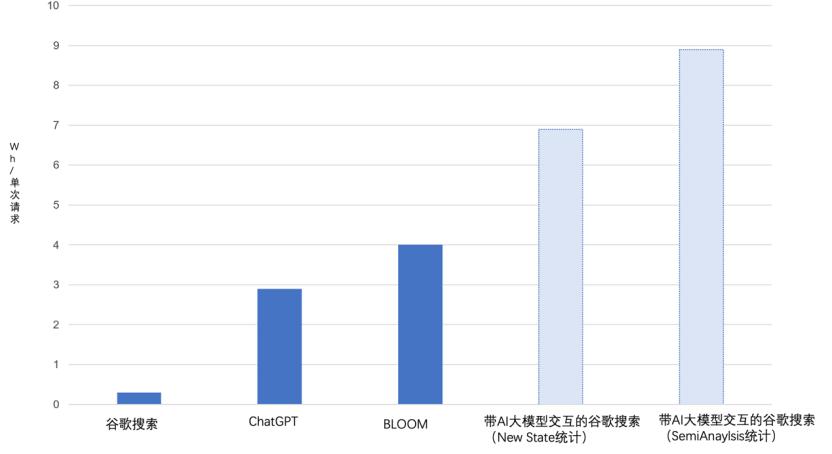
Core Insights - The article discusses the increasing energy demands of AI technologies and the potential of nuclear energy, particularly through the innovations of Terrestrial Energy, a startup focused on molten salt reactors [1][4][17]. Group 1: Energy Demand and AI - AI technologies, such as ChatGPT, are consuming significant amounts of electricity, with estimates indicating that the AI industry could require between 85 to 134 terawatt-hours of power annually by 2027, equivalent to the total electricity consumption of Beijing in 2023 [4][17]. - The CEO of OpenAI, Sam Altman, emphasizes the need for breakthroughs in energy supply to support the growing demands of AI [1][4]. Group 2: Terrestrial Energy Overview - Terrestrial Energy, founded in 2012 and based in North Carolina, is developing advanced modular nuclear power plants using integrated molten salt reactor (IMSR) technology, which is significantly smaller and more efficient than traditional nuclear plants [5][6]. - The company plans to go public through a SPAC merger, aiming to raise $280 million, with 60% of the funds allocated for the construction of its first commercial reactor [12][13]. Group 3: Advantages of IMSR Technology - IMSR technology offers enhanced safety, as it eliminates the risk of pipe failures and can automatically flow into a safety container in case of system failure [6]. - The economic benefits include a 50% higher thermal efficiency compared to traditional reactors, a 40% reduction in nuclear waste, and lower maintenance costs due to less frequent fuel changes [9][11]. - IMSR's flexibility allows it to supply power to both large cities and remote areas, and it can store excess energy as heat during low demand periods [9][11]. Group 4: Regulatory and Commercialization Aspects - Terrestrial Energy has successfully navigated regulatory processes, receiving approvals from Canadian and U.S. nuclear regulatory bodies, which boosts investor confidence [11][12]. - The company has established partnerships with major organizations, including Westinghouse Fuels and Schneider Electric, to advance its commercialization efforts [12][11]. Group 5: SPAC Financing Model - The SPAC model provides nuclear startups with significant upfront capital, allowing them to secure funding without the lengthy process of traditional IPOs [13][14]. - SPAC mergers can help avoid market volatility and provide a faster route to public listing, which is particularly beneficial for technology-sensitive sectors like nuclear energy [14][16]. Group 6: Public Sentiment and Market Potential - Public support for nuclear energy in the U.S. has increased, with 77% of Americans favoring its development in 2024, reflecting a significant shift in perception over the past three decades [17][20]. - The global nuclear technology market is projected to be worth nearly a trillion dollars, with annual investments in the sector growing by nearly 50% in the last three years, surpassing $60 billion [17][20].