
企业出海

Search documents
新一轮出海热潮再起 谁是企业链接全球的“首选地”?
Mei Ri Jing Ji Xin Wen· 2025-12-11 16:45
Core Viewpoint - The article emphasizes the significance of Hainan Free Trade Port as a pivotal platform for Chinese companies to expand globally, especially with the upcoming full island closure operation, which is seen as a milestone event in enhancing openness and trade facilitation [1][2]. Group 1: Hainan Free Trade Port Developments - Hainan Free Trade Port is preparing for its full island closure operation, with all necessary preparations reportedly completed, including the establishment of a policy framework for customs operations [2][3]. - The "zero tariff" policy will expand from 1,900 to approximately 6,600 tariff items, covering about 74% of all goods, transitioning from a positive list to a negative list management system [3][4]. - The processing value-added goods exceeding 30% will be exempt from tariffs when entering the mainland, with relaxed eligibility criteria for companies to benefit from these policies [3][4]. Group 2: Tax Incentives and Economic Impact - The "dual 15%" tax incentive policy has resulted in cumulative tax reductions exceeding 360 billion yuan for enterprises and 190 billion yuan for individuals, enhancing Hainan's attractiveness for businesses [6]. - The total import value under the "zero tariff" policy reached 270.6 billion yuan, with tax reductions of 50.9 billion yuan, indicating significant economic activity and engagement from enterprises [6][7]. Group 3: Modern Industrial System and Strategic Goals - Hainan is constructing a distinctive modern industrial system characterized by a "4+5+4+3+2" framework, which aligns with its resource endowments and aims to enhance industrial support [7]. - The province is focusing on five strategic directions, including green energy and digital economy, to attract investments and foster innovation [7][8]. Group 4: Global Trade and Investment Opportunities - Hainan aims to become a headquarters base for Chinese companies entering international markets and for foreign companies entering China, leveraging its geographical advantages in global trade [8][9]. - The province is positioned as a key player in national open policies, with plans to simplify tax systems and enhance customs operations to facilitate trade [9][10].
新一轮出海热潮再起,谁是企业链接全球的“首选地”?
Sou Hu Cai Jing· 2025-12-11 16:40
Core Viewpoint - The article emphasizes the significance of Hainan Free Trade Port (FTP) as a pivotal platform for Chinese companies to expand globally, especially with the upcoming full island closure operation, which is seen as a milestone event in enhancing openness and trade facilitation [1][4]. Group 1: Hainan FTP Developments - Hainan FTP is preparing for its full island closure operation, with all necessary preparations reportedly completed, including the establishment of a policy framework for customs operations [4][5]. - The "zero tariff" policy will expand from 1,900 to approximately 6,600 tariff items, covering about 74% of all goods, transitioning from a positive list to a negative list management approach [5][6]. - The processing value-added goods with over 30% value-added will be exempt from tariffs when entering the mainland, with relaxed eligibility criteria for companies to benefit from these policies [6][7]. Group 2: Tax Incentives and Economic Impact - The "double 15%" tax incentive policy has resulted in cumulative tax reductions exceeding 360 billion yuan for enterprises and 190 billion yuan for individuals [7][8]. - The total import value under the "zero tariff" policy reached 270.6 billion yuan, with tax reductions of 50.9 billion yuan, indicating significant economic activity and engagement with the FTP [8][9]. - The establishment of a modern industrial system in Hainan, characterized by a "4+5+4+3+2" framework, is aimed at enhancing the integration of various industries and promoting sustainable development [9][10]. Group 3: Strategic Positioning and Future Prospects - Hainan is positioned as a strategic hub for international trade, with plans to establish it as a headquarters base for Chinese companies going global and foreign companies entering the Chinese market [10][11]. - The upcoming full closure operation is viewed as a new beginning rather than an endpoint, with ongoing efforts to streamline customs regulations and tax systems to facilitate trade [11][12]. - Hainan's geographical advantages and policy frameworks are expected to attract more businesses, making it an ideal platform for companies looking to expand internationally [10][11].

海泰新光董秘汪方华谈出海建厂:中国人的效率最高
Xin Lang Cai Jing· 2025-12-11 02:54
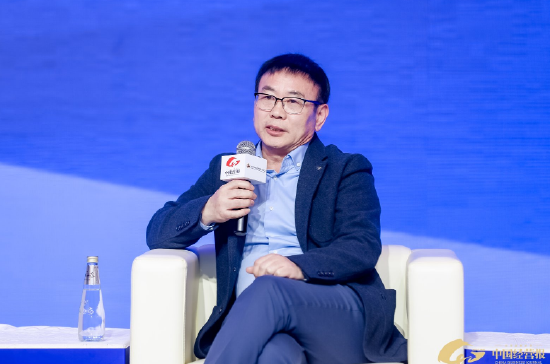
新浪声明:所有会议实录均为现场速记整理,未经演讲者审阅,新浪网登载此文出于传递更多信息之目 的,并不意味着赞同其观点或证实其描述。 责任编辑:李思阳 专题:2025中国企业竞争力年会 "2025中国企业竞争力年会"于12月9日至10日在北京举行,青岛海泰新光科技股份有限公司董事会秘书 汪方华在演讲中谈到,做医疗器械的产业链很长,他们核心技术是光学。 谈到在东南亚建厂,汪方华表示,早期可能人工也没有那么贵,土地也没有那么贵,但是随着中国的企 业很多往东南亚转,整个东南亚的人工、地皮就很贵。整体的经营环境,总体的感觉是没有熟悉的地方 好。 专题:2025中国企业竞争力年会 "2025中国企业竞争力年会"于12月9日至10日在北京举行,青岛海泰新光科技股份有限公司董事会秘书 汪方华在演讲中谈到,做医疗器械的产业链很长,他们核心技术是光学。 谈到在东南亚建厂,汪方华表示,早期可能人工也没有那么贵,土地也没有那么贵,但是随着中国的企 业很多往东南亚转,整个东南亚的人工、地皮就很贵。整体的经营环境,总体的感觉是没有熟悉的地方 好。 "我们在美国也有工厂,人不是很多,但是从中美泰来说,中国人的效率是最高的,所以不容易,但是 ...

鼓励上市公司积极主动向境外投资者展示中国资产长期配置价值
Xin Lang Cai Jing· 2025-12-10 23:20
炒股就看金麒麟分析师研报,权威,专业,及时,全面,助您挖掘潜力主题机会! 本报讯 (记者毛艺融)为更好解读中国资产全球吸引力,吸引更多境外资本长线投资中国资本市场, 近日,上交所与中国上市公司协会在香港共同举办"走进香港"上市公司路演及投资者交流活动。活动吸 引了40家内地上市公司高管人员、近200位境外投资机构代表参与,举办36场路演并开展上市公司 ESG、企业出海等主题交流。通过政策解读、座谈会、路演对接等多元形式,助力内地上市公司与境外 投资者加强沟通交流,展示优质上市公司高质量发展成效。 系列活动举办期间,上交所以"上拓新局·永续笃行"为理念,举办ESG专题活动,围绕可持续发展与国 际竞争力提升展开深度探讨,并邀请券商首席经济学家、律师和会计师事务所合伙人等围绕上市公司 ESG披露标准与实践经验等热点话题进行介绍和讨论。此外,上交所联合香港投资推广署,组织上市公 司高管开展"香港助力内地企业出海"座谈会,邀请香港"出海专班"参与者分享出海机遇、挑战和策略。 近年来,上交所已在香港地区开展多次以"走进沪市上市公司"为主题的调研推介活动,吸引了众多境外 基金公司、资产管理公司和券商投行,累计参与千余人次。 ...
解码中国资产吸引全球长钱 上交所举办“走进香港”系列活动
Shang Hai Zheng Quan Bao· 2025-12-10 17:57
Core Insights - The Shanghai Stock Exchange (SSE) and the China Securities Association recently held a roadshow and investor communication event in Hong Kong to enhance the global appeal of Chinese assets and attract more long-term foreign investment into the Chinese capital market [1][2] Group 1: Event Overview - The event featured 40 executives from mainland listed companies and nearly 200 representatives from foreign investment institutions, conducting 36 roadshows and discussions on themes such as ESG and corporate overseas expansion [1] - The SSE's theme for the event was "Expanding New Horizons, Practicing Sustainability," focusing on sustainable development and enhancing international competitiveness through in-depth discussions on ESG disclosure standards and practices [1] Group 2: Ongoing Initiatives - The SSE has conducted multiple promotional activities in Hong Kong under the theme "Entering the Shanghai Stock Market," attracting numerous foreign fund companies, asset management firms, and investment banks, with participation exceeding a thousand individuals [2] - This event marks the third promotional exchange activity held by the SSE in Hong Kong since 2023, reinforcing the direct connection between mainland enterprises and global investors [2] Group 3: Future Plans - The SSE plans to continue organizing a series of exchange activities to expand its high-quality service network abroad, showcasing the innovative measures and achievements of China's capital market's high-level institutional openness [2] - The SSE aims to encourage listed companies to actively present the long-term investment value of Chinese assets to foreign investors, highlighting a safer, more regulated, transparent, open, vibrant, and resilient image of the Chinese capital market [2]
海南大力推进探索建设“两个基地” 上市公司董秘共话出海新机遇
Mei Ri Jing Ji Xin Wen· 2025-12-10 14:05
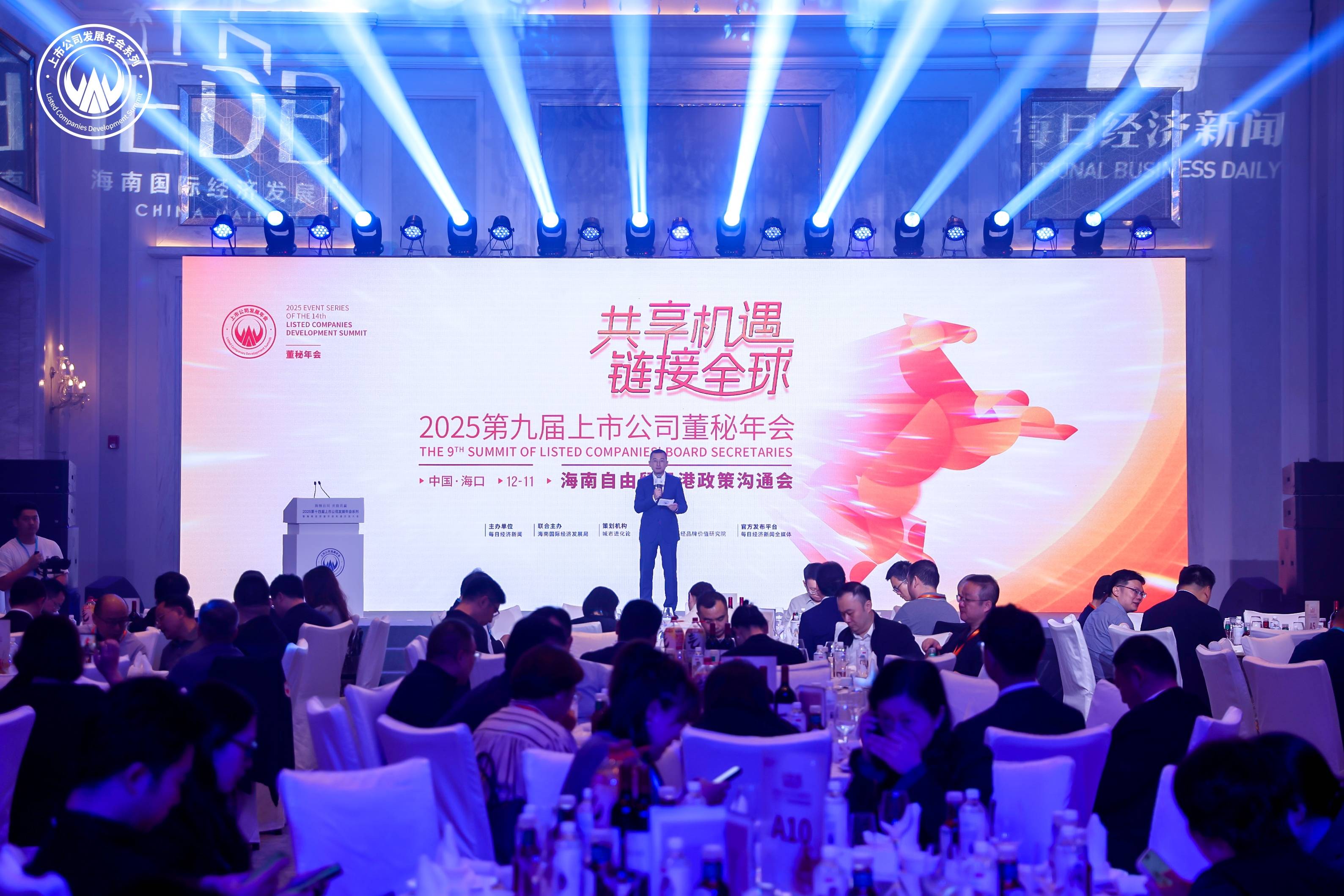
海南自贸港即将迎来全岛封关运作。面临新一轮开放机遇,上市公司正抢先"跑步入场"。 在此背景下,每日经济新闻联合海南国际经济发展局,于12月11日至13日在海口举办"2025第十四届上 市公司发展年会暨海南自贸港开放机遇交流大会",将有超过400家上市公司和20多家机构参会,共话封 关新局下的政策路径、全球化机遇。 作为本次系列活动的首场重要活动,"2025第九届上市公司董秘年会暨海南自由贸易港政策沟通会"于12 月11日率先举行。此次董秘年会以"共享机遇·链接全球"为主题,吸引政府机构、投资机构、有意向出 海的企业和众多上市公司董秘及高管齐聚一堂,共话出海新机遇。 中企出海 全球化深度运营 从会前征集的问题来看,企业家们对封关政策尤为关切,包括如何把握封关运作初期的政策红利,以及 封关后各项配套政策将如何持续为企业发展提供助力等。因此,本次董秘年会的一大亮点正是为企业了 解、落地海南自贸港搭建一个政企交流平台。本次董秘年会将邀请海南深改办、财政厅、海口海关等部 门相关负责人到场,深度解读有关自贸港封关最新政策。不仅如此,针对封关后海关监管、税收制度、 投资政策、人才配套等一系列高关注度话题,政企双方还将展开深 ...
五大重点机遇!瑞再展望“十五五”中国财险市场趋势
券商中国· 2025-12-10 09:55
Core Insights - The insurance industry in China is poised for growth aligned with the "14th Five-Year Plan," focusing on five key areas: disaster prevention and reduction, green development, rural revitalization, enterprises going global, and industrial modernization [1] Group 1: Disaster Prevention and Reduction - The natural disaster insurance protection gap in China is estimated at 90%, compared to a global average of 50%, indicating significant market potential [2] - Annual insurance losses from natural disasters have exceeded $100 billion, approaching $150 billion, with potential global losses reaching $300 billion [2] - The Chinese government is implementing measures to reduce this protection gap, emphasizing collaboration between insurance companies and government to enhance disaster risk management [2] Group 2: Green Development - China is actively promoting renewable energy and green transformation, with the energy-saving and environmental protection industry expected to reach 15 trillion yuan by 2030 [3] - The insurance penetration rate in green energy projects is already high, with most solar and wind facilities insured [3] - The green insurance sector is projected to experience high growth over the next five years, driven by the expansion of infrastructure rather than increased penetration rates [3] Group 3: Rural Revitalization - The focus on rural revitalization aims to enhance food security and agricultural modernization, which will lead to increased investment in agricultural assets and machinery [4] - Two growth directions for agricultural insurance are identified: natural growth due to increased risk awareness among larger farm operators and the need for simplified insurance products for smallholders [4] - Index insurance is highlighted as a promising solution for small farmers, offering a straightforward loss assessment mechanism [4] Group 4: Enterprises Going Global - More Chinese enterprises are expected to accelerate their overseas expansion, diversifying investments beyond traditional infrastructure projects [6] - The changing risk landscape presents opportunities for reinsurance companies to support these enterprises by addressing various overseas risks [6] Group 5: Industrial Modernization - China's push for technological self-reliance and industrial upgrading is creating new risk management demands in emerging technology sectors [7] - Insurance can provide targeted coverage for new risks associated with research, supply chains, and advanced operations, supporting industrial upgrades [7] - The insurance industry must adopt cautious underwriting strategies to adapt to the evolving risk landscape and ensure alignment with future client needs [7] Group 6: Market Growth Projections - The property and casualty insurance sector in China is expected to grow at a rate of 5%-6% from 2025 to 2030, outpacing GDP growth [8] - Non-auto insurance is anticipated to be the main growth driver, while auto insurance remains a stable support for the market [8] - The industry is focusing on improving underwriting quality and operational efficiency to achieve sustainable profitability [8]

上交所举办“走进香港”上市公司路演及投资者交流活动 吸引更多境外资本长线投资中国资本市场
Zheng Quan Shi Bao Wang· 2025-12-10 09:29
Group 1 - The Shanghai Stock Exchange (SSE) and the China Association of Public Companies recently held a series of roadshows and investor communication events in Hong Kong to enhance the global appeal of Chinese assets and attract more long-term foreign capital into the Chinese capital market [1] - A total of 36 roadshows were conducted, featuring discussions on ESG (Environmental, Social, and Governance) and corporate overseas expansion, with participation from 40 executives of mainland listed companies and nearly 200 representatives from foreign investment institutions [1] - The SSE emphasized the theme "Expanding New Horizons, Practicing Sustainability" during the events, focusing on sustainable development and enhancing international competitiveness, while inviting experts to discuss ESG disclosure standards and practical experiences [1] Group 2 - The SSE's ongoing roadshows in Hong Kong aim to strengthen direct connections between mainland enterprises and global investors, serving as a dual-channel for "mainland enterprises going global and overseas capital coming in" [2] - The SSE plans to continue organizing a series of exchange activities to expand its high-quality service network abroad, showcasing the innovative measures and achievements of China's capital market in terms of high-level institutional openness [2] - The initiative aligns with the strategic deployment of the 14th Five-Year Plan, promoting a new landscape of cooperation and win-win outcomes through enhanced openness [2]
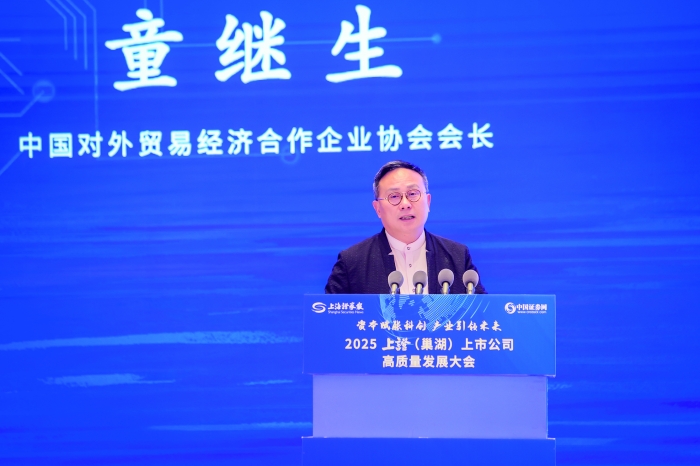
中国外经贸企业协会会长童继生:企业出海需思想先行 避免盲目扩张
Shang Hai Zheng Quan Bao· 2025-12-09 03:03
Core Viewpoint - The necessity for Chinese enterprises to expand internationally is emphasized, highlighting the competitive advantages and opportunities available through global engagement [2][3][4]. Group 1: Reasons for Going Global - The first reason is that going global is an inevitable choice for competitive development, with future opportunities lying in the integration of urban-rural and international markets [2]. - The second reason is the profound changes in the global economic landscape, shifting from a focus on developed countries to a new paradigm that includes emerging markets [3]. - The third reason is the current economic challenges faced by China, where going global is seen as a key pathway to overcome development bottlenecks [3]. - The fourth reason is the immense potential of the "Belt and Road" initiative, which offers vast market opportunities for enterprises that can develop cross-border operational capabilities [3]. Group 2: Risk Management in Going Global - The risks associated with going global include geopolitical risks and currency management risks, which are often overlooked by domestic enterprises [4]. - Each of the nine critical stages in the transition from domestic to international operations presents risks that exceed the operational understanding of domestic companies [4]. Group 3: Strategies for Successful International Expansion - Companies should prepare mentally by utilizing tools like AI to research overseas markets and should experience the market firsthand before committing capital [4]. - There is a need for personnel preparation, emphasizing the importance of training local talent and leveraging localized teams for production management and profitability [4]. - Material preparation remains a traditional strength, but companies must adapt to the differing expectations of social responsibility in international markets [4]. Group 4: Goals and Mindset for Going Global - The ultimate goal of international expansion is high-quality and sustainable development rather than short-term gains [4]. - Companies are advised to maintain a low-profile and pragmatic approach post-expansion, focusing on enhancing operational efficiency and achieving win-win outcomes [4].
视频|申万宏源王胜:想成就伟大的企业,企业家一定要胸怀天下
Zhong Guo Jing Ying Bao· 2025-12-09 01:47
0:00 申万宏源研究所总经理、首席策略分析师王胜日前主持《沪市汇・硬科硬客》第二季第6期节目"供应 链'再出海'"时表示,要想造就一家伟大的企业,企业家必须胸怀天下。正如真正的外交家,一定是能 够与竞争对手握手的人。中国企业家也要有这种气度,才能在"走出去"的过程中,把企业做得更大, 让"出海"走得更远。(中经记者 孙汝祥 夏欣 北京报道) ...
