
区域协同发展

Search documents
第三届济南科技金融论坛成功举办
Zheng Quan Ri Bao Wang· 2025-11-28 13:16
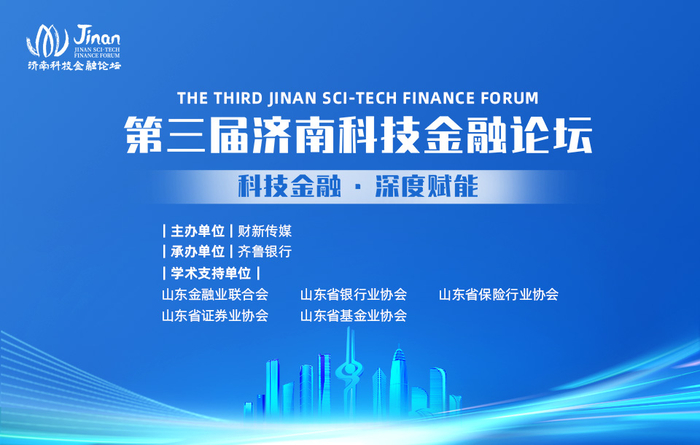
Core Viewpoint - The third Jinan Science and Technology Finance Forum successfully held with the theme "Deep Empowerment of Science and Technology Finance," focusing on how high-quality science and technology finance can better serve high-level technological self-reliance and strength [1][2] Group 1: Forum Structure and Activities - The forum featured twelve major components, including a main conference, two parallel sub-forums, a closed-door meeting, and various activities such as signing ceremonies and investment institution project inspections [1] - Two parallel sub-forums were held concurrently, focusing on "Product Innovation and Ecological Construction of Full-Cycle Science and Technology Finance" and "Activating Multi-Level Capital Markets to Drive the Technology-Capital-Industry Cycle" [1] Group 2: Regional Cooperation and Development - A closed-door meeting was held to discuss enhancing regional cooperation to promote high-quality development in the Yellow River Basin, involving experts and representatives from key cities [2] - The successful hosting of the forum showcased Jinan's open stance towards regional cooperation through science and technology finance innovation, aiming to transition from "experimental exploration" to "systematic deepening" of science and technology finance reform [2] Group 3: Future Goals and Strategies - Jinan aims to leverage its position as the first national pilot zone for science and technology finance reform, focusing on building a highland for science and technology finance that radiates across northern China [2] - The city seeks to provide replicable and scalable local experiences to support national innovation-driven development strategies and catalyze technological industry upgrades during the 14th Five-Year Plan period [2]
从文艺相遇到烟火相融,“三山”四秩把“跨省”过成“同城”
新华网财经· 2025-11-28 10:00
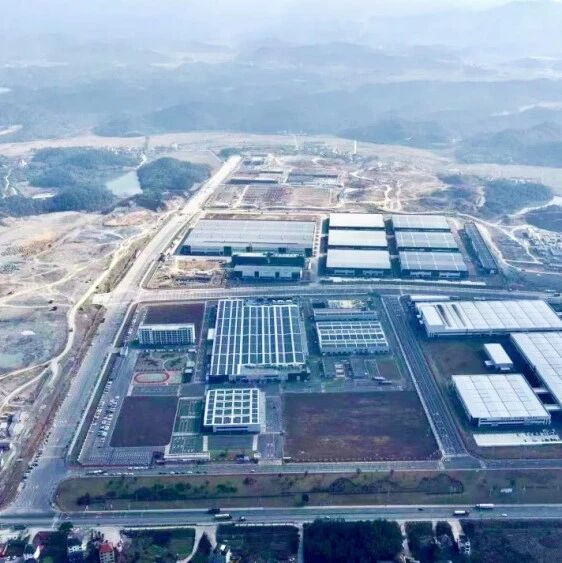
Core Viewpoint - The "Three Mountains" economic and cultural exchange activities have evolved from a simple arts festival to a comprehensive collaboration among the three regions, focusing on economic, social, and cultural cooperation over the past 40 years [5][13]. Group 1: Economic and Cultural Exchange Activities - The 40th "Three Mountains" economic and cultural exchange event was held in Yushan, showcasing the collaboration among Yushan, Changshan, and Jiangshan in various fields [2][4]. - The event featured a billiards competition and a market for local agricultural and cultural products, highlighting the unique offerings from each region [3][4]. Group 2: Regional Cooperation and Development - The "Three Mountains" initiative promotes regional cooperation, with the establishment of the "Zhejiang-Jiangxi Common Prosperity Intelligent Manufacturing Industrial Park" covering approximately 20 square kilometers [5]. - The industrial park has seen significant investment, with 18 enterprises signing agreements in Yushan, totaling approximately 171.2 billion yuan [5]. Group 3: Cultural and Social Integration - The regions are working together to create a cultural tourism route that connects historical sites, enhancing the cultural economy [6]. - The "Three Mountains" People's Mediation and Coordination Committee has successfully mediated over 1,100 cross-border disputes, fostering harmonious development [7]. Group 4: Public Services and Connectivity - A cross-province bus service was launched, connecting 32 stops between Yushan and Changshan, making commuting more convenient and affordable [8][12]. - The establishment of a shared "cross-province canteen" and mutual recognition of residence permits have improved the quality of life for residents across the regions [9][10].

连续召开三届的科技金融论坛给济南带来了什么?
Feng Huang Wang Cai Jing· 2025-11-28 08:01
Core Insights - China's financial system is transitioning from scale expansion to quality improvement, with a strategic goal of building a strong financial nation and a focus on developing technology finance as a priority [1][8] Group 1: Technology Finance Development - The 20th Central Committee of the Communist Party of China emphasizes the importance of technology finance in supporting major national technological tasks and small and medium-sized technology enterprises [1] - Jinan has been recognized as the first national pilot zone for technology finance reform, showcasing significant achievements in enhancing the quality and efficiency of technology financial services [4][5] - The number of technology enterprises in Jinan has surpassed 11,000, with high-tech industries accounting for 68.7% of the total industrial output value, an increase of 14 percentage points since the pilot approval [5] Group 2: Financial Innovation and Support - Jinan has developed a unique "six specialties and four pricing" system to enhance the integration of technology finance with institutional innovation and resource allocation [6] - The city has introduced various financial products tailored for technology innovation, such as "Research Loans" and "Qingxin Loans," resulting in a significant increase in the loan balance for technology enterprises to 302.9 billion yuan, a growth of 175.76% since the pilot zone was established [9] Group 3: Knowledge Property and Innovation - Jinan is actively building a knowledge property operation system to transform intellectual property into assets, facilitating the financing of innovations [10] - The city has established an online trading system for high-value patents, which has gathered 148,000 entries, enhancing the market recognition of knowledge value [10] Group 4: Regional Collaboration and Future Vision - The ongoing technology finance forums in Jinan aim to expand regional collaboration, moving from a solo performance to a collective effort in technology finance reform [12] - Jinan is striving to become a technology finance hub in Northern China, providing replicable experiences for national financial support of technological innovation [13][14]
产业兴、民生优、品牌亮!白云廉江协作赋能区域共兴
Nan Fang Nong Cun Bao· 2025-11-27 10:04
Core Insights - The collaboration between Baiyun District and Lianjiang City aims to enhance regional development through industrial synergy, improving livelihoods, and constructing parks, transitioning from "blood transfusion" aid to "blood-making" development [3][4][5][6] Group 1: Industrial Collaboration and Development - Baiyun District is leveraging its role as a "Bay Area connector" to facilitate the full chain of "design-manufacturing-exhibition," helping Lianjiang's quality products connect with the Greater Bay Area market [9][10] - The establishment of the Baiyun-Lianjiang Industrial Collaboration Innovation Center aims to enhance Lianjiang's manufacturing capabilities and market expansion through a collaborative model [12][13] - The center has successfully facilitated partnerships between Lianjiang enterprises and design firms, resulting in 12 design projects and 11 innovative products set to debut at the 2025 Spring Canton Fair [18][19] Group 2: Agricultural and E-commerce Initiatives - The collaboration has led to the establishment of an e-commerce service center to enhance the sales channels for Lianjiang's agricultural products, integrating offline exhibitions with online capabilities [28][30] - The initiative has attracted 23 enterprises to the e-commerce center, promoting local agricultural products like red oranges and lychees to national markets [34][35] - The "reverse flying land" industrial collaboration platform has successfully connected with international buyers, achieving intention orders exceeding 300 million yuan [22][23] Group 3: Resource Activation and Economic Growth - The project focuses on revitalizing idle rural resources, transforming them into productive assets, such as converting an old village office into a standardized rice noodle processing workshop, creating over 40 long-term jobs [41][42] - The introduction of a mushroom cultivation project in Changshan Town is expected to generate an annual output value of 5 million yuan, demonstrating effective resource activation [48][49] - The establishment of integrated bases for agricultural product processing and enterprise incubation is projected to generate over 200,000 yuan in annual income [51][56] Group 4: Brand Building and Market Expansion - The promotion of "Lianjiang Quality Products" through extensive advertising campaigns has significantly increased brand visibility, reaching over a billion exposures [107][108] - Collaborative efforts in cross-regional exhibitions and trade have facilitated the signing of contracts for 12 enterprises to settle in Lianjiang, enhancing local industry [120][123] - The establishment of a joint industrial park aims to support local enterprises and attract investments, with a total investment of 494.6 million yuan in aid funds [127][130]

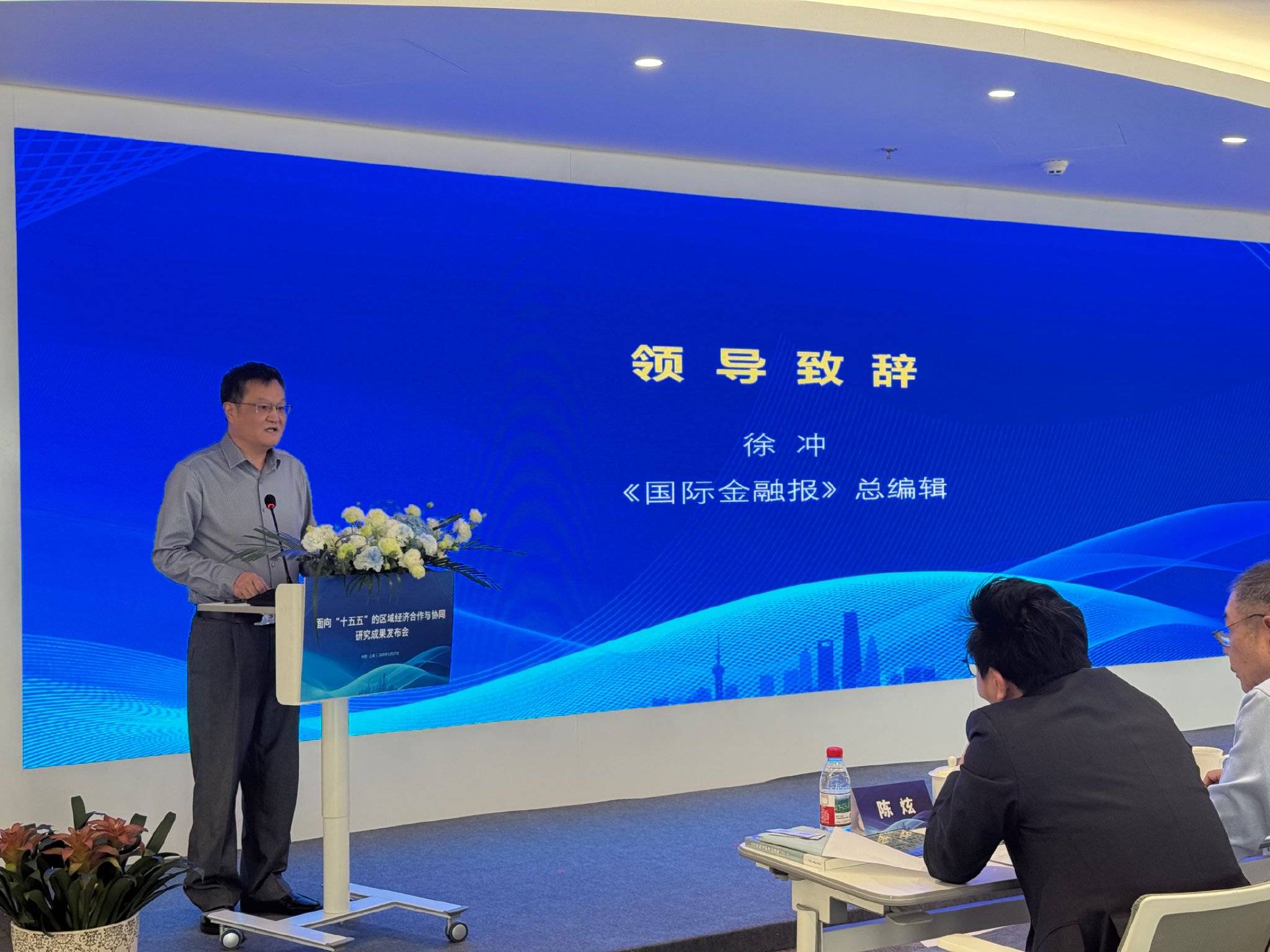
《国际金融报》总编辑徐冲:区域协同发展不仅需要“硬联通”,更需要“软联通”
Sou Hu Cai Jing· 2025-11-27 09:40
Core Viewpoint - The conference focused on the "14th Five-Year Plan" achievements and the new challenges and tasks for the "15th Five-Year Plan," emphasizing the importance of understanding the internal logic of regional coordinated development [3][4]. Group 1: Regional Economic Cooperation - The conference was organized by multiple institutions to release research results related to regional economic cooperation and collaboration under the "15th Five-Year Plan" [1]. - The aim is to provide intellectual support and practical references for high-quality regional economic development through the release of mid-term research results and application system construction [1]. Group 2: Role of Media - The media's role in regional coordinated development is evolving, serving as a platform for dialogue and experience sharing among various stakeholders [4]. - The media aims to present economic news in a more engaging and insightful manner, revealing the internal logic and future trends of regional collaborative development [4]. Group 3: Infrastructure and Innovation - The "15th Five-Year Plan" requires not only hard connectivity through infrastructure but also soft connectivity through institutional mechanisms, innovative elements, and public services [5]. - The conference is expected to spark new ideas and insights that will contribute to regional coordinated development in the context of China's modernization efforts [5].
自贸港的湾区力量|丘林岳:从1到10,还是从0到1?
Sou Hu Cai Jing· 2025-11-26 02:46
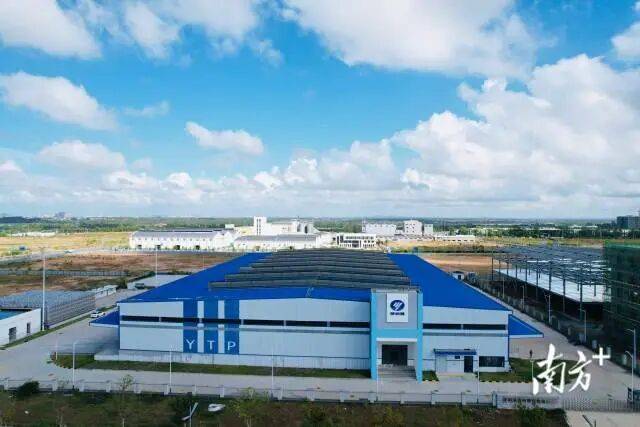
Core Viewpoint - The collaboration between Shenzhen and Danzhou represents a significant highlight in the regional coordinated development, with the Danzhou Industrial Park serving as a key platform to transform regional blueprints into reality [1][10]. Group 1: Development Background - The strategic cooperation agreement between Danzhou City and Shenzhen Port Group was signed in August 2020, marking the beginning of the "Shenzhen-Danzhou Cooperation" [6][10]. - By June 2023, the Guangdong-Hainan strategic cooperation agreement was signed, providing a higher-level strategic support for the Shenzhen-Danzhou collaboration [10]. Group 2: Project Progress - The Danzhou Industrial Park has transformed from a barren land five years ago into a modern logistics center with a six-lane asphalt road and various operational facilities [1][8]. - As of October 2025, the Danzhou Cooperation Zone has registered 28 enterprises, signed contracts with 18, and attracted 8 industry-leading companies, with total investments exceeding 1.6 billion [12]. Group 3: Innovative Cooperation Model - The cooperation has evolved from enterprise-led initiatives to a model guided by government and market operations, creating unprecedented development opportunities [10]. - The introduction of Shenzhen's development concepts, industrial planning, and management models into Danzhou has established a new framework of "Shenzhen R&D + Danzhou Manufacturing" [10]. Group 4: Future Opportunities - The upcoming full island closure operation of Hainan Free Trade Port on December 18, 2025, is expected to significantly enhance market competitiveness for Hainan's manufacturing sector, with the range of zero-tariff goods expanding from 21% to 74% [13]. - The cooperation is set to expand beyond the Danzhou Industrial Park to encompass the entire Danzhou area and surrounding economic zones, focusing on advanced manufacturing, tropical agricultural food processing, and digital economy [15].
“十四五”信托新力量 光大兴陇信托支撑地方经济社会高质量发展新图景
Jin Rong Shi Bao· 2025-11-25 02:49
作为金融央企信托机构,光大兴陇信托有限责任公司(以下简称"光大兴陇信托")"十四五"时期积极锚定"共 同富裕"这一时代命题,以"金融向善"为核心理念,立足自身使命担当深耕主业、做精专业,创新探索信托赋能乡 村振兴新范式,深度融入地方社会民生建设大局,聚焦公益慈善发展、地方特色产业培育、基础设施完善、民生 福祉提升等关键领域,全力为地方经济社会高质量发展注入信托力量。 乡村振兴:筑牢基础设施建设之基 基础设施是乡村振兴的 "硬支撑"。全面推进乡村振兴,既要激活产业"引擎",又要筑牢基建"基石"。 为深入贯彻"十四五"规划提出的"坚持农业农村优先发展、全面推进乡村振兴",用信托的力量助推地方经济 发展,光大兴陇信托以服务特色小镇建设为抓手,为浙江省第一批37个特色小镇之一——绍兴黄酒小镇的保护、 修缮和提升以及区域内的道路、管线、景观绿化等市政配套设施,提供了有效的资金支持。 立足区域优势、聚焦产业需求,方能在乡村振兴赛道上跑出"加速度"。特色小镇作为集聚自然、文化、创新 资源的新载体,是承载大项目、好项目的新平台,也是浙江创新发展的战略选择,更要协同各方力量,打通资源 要素流通堵点,以资源整合释放金融服务潜能。 ...

山东分东、西片区召开专题会,信号几何
Da Zhong Ri Bao· 2025-11-25 01:04
Core Insights - The article discusses the recent economic and social development meetings held in Shandong Province, emphasizing the urgency to achieve annual development goals as the end of 2025 approaches [1] Group 1: Granularity of Information - The concept of "granularity" refers to the level of detail in information, which is crucial for aligning understanding with actual economic conditions [2] - The meetings aimed to enhance communication among city leaders to address economic challenges and identify actionable solutions [2] - By analyzing specific bottlenecks in development, such as traditional industry upgrades and consumer promotion, the meetings sought to ensure that theoretical understanding translates into practical planning [2] Group 2: Saturation of Efforts - The article highlights the need to increase the "saturation" of economic efforts to ensure robust growth amidst uncertainties [3] - The term "full effort" was frequently mentioned, reflecting the commitment of Shandong as a major economic province [3] - On-site inspections of key projects were conducted to foster a sense of urgency and consensus on prioritizing project execution and development [3] Group 3: Balance in Development - The meetings recognized the regional disparities in Shandong, with different areas having varying levels of development and resource endowments [5] - The approach taken was to respect these differences while promoting coordinated regional development, avoiding a one-size-fits-all strategy [5] - Emphasis was placed on balancing various economic activities, such as industrial operations, project construction, and consumer stimulation, to achieve overall development goals [5]
专家学者建言长江经济带“十五五”高质量发展:建设成为世界级新质生产力发展带
Zhong Guo Jing Ying Bao· 2025-11-24 08:34
Core Viewpoint - The article emphasizes the importance of promoting high-quality development in the Yangtze River Economic Belt and the central urban agglomeration of the Yangtze River, aligning with national regional coordination strategies and the upcoming 15th Five-Year Plan [1][3]. Group 1: Strategic Development - The 15th Five-Year Plan aims to enhance regional development coordination and promote the growth of regional center cities within the Yangtze River Economic Belt [1]. - The eighth Yangtze River Economic Belt Development Strategy Forum was held in Wuhan, focusing on high-quality urban agglomeration development, providing strategic insights from various experts [1][2]. - The establishment of the "Yangtze River Economic Belt High-Quality Development Think Tank Alliance" aims to support major regional decisions through continuous research and forums [2]. Group 2: Collaborative Mechanisms - The concept of "Four Commons" (joint consultation, ecological governance, comprehensive construction, and shared development) is proposed as a framework for enhancing inter-provincial collaboration in the Yangtze River middle urban agglomeration [3][4]. - The need for a robust collaborative mechanism is highlighted, focusing on policy guidance, market-driven dynamics, and ecological protection to facilitate high-quality development [4]. Group 3: Regional Challenges and Solutions - Current challenges in the Yangtze River middle urban agglomeration include insufficient foundational research, weak collaborative efforts, and inadequate support for resource transformation [4]. - Proposed solutions include strengthening strategic leadership, resource aggregation, industrial radiation, and collaborative organization to achieve high-quality inter-city development [4][5]. Group 4: Learning from Other Regions - The article suggests that the Yangtze River Economic Belt can benefit from international and domestic development experiences, such as the Rhine and Great Lakes regions, to inform its growth strategies [6]. - The integration of ecological, logistics, and innovation chains is recommended to enhance regional collaboration and development [6]. Group 5: Future Urban Development - The article outlines a vision for future urban development in the Yangtze River middle urban agglomeration, focusing on smart logistics, ecological protection, and comprehensive urban planning [8]. - The establishment of a dense water transport network and the promotion of green, intelligent, and inclusive urban ecosystems are emphasized as key objectives for the 15th Five-Year Plan [8].
体态 状态 心态(人民论坛)
Ren Min Ri Bao· 2025-11-23 22:20
Group 1: Core Perspectives - The recent National Games showcased the improvement in the physical condition, mental state, and overall attitude of Chinese athletes, reflecting the broader theme of modernization in China [1][2][3] - The event highlighted the importance of sports and health in enhancing the well-being of the population, supported by scientific training, nutrition, and technological advancements [1][2] - The athletes' performances symbolize the spirit of perseverance and the pursuit of excellence, with examples of individual breakthroughs serving as motivation for broader societal progress [2][3] Group 2: Health and Sports Integration - The integration of sports and health is emphasized as essential for national well-being, with a robust healthcare system ensuring medical support for the population [1] - The National Games served as a platform for showcasing regional collaboration and the intersection of sports, culture, technology, and industry, reflecting modern governance in China [3] Group 3: Mental Attitude and Cultural Reflection - The shift in mindset among athletes, focusing on self-improvement rather than just winning, illustrates a deeper cultural confidence and resilience within Chinese society [3] - The event's organization demonstrated a commitment to high standards and cultural richness, enhancing China's international image and showcasing regional characteristics [3]