
农业农村现代化

Search documents
“十五五”开局!新质生产力赋能 中国农业现代化“智慧大升级”
Yang Guang Wang· 2026-01-24 12:07
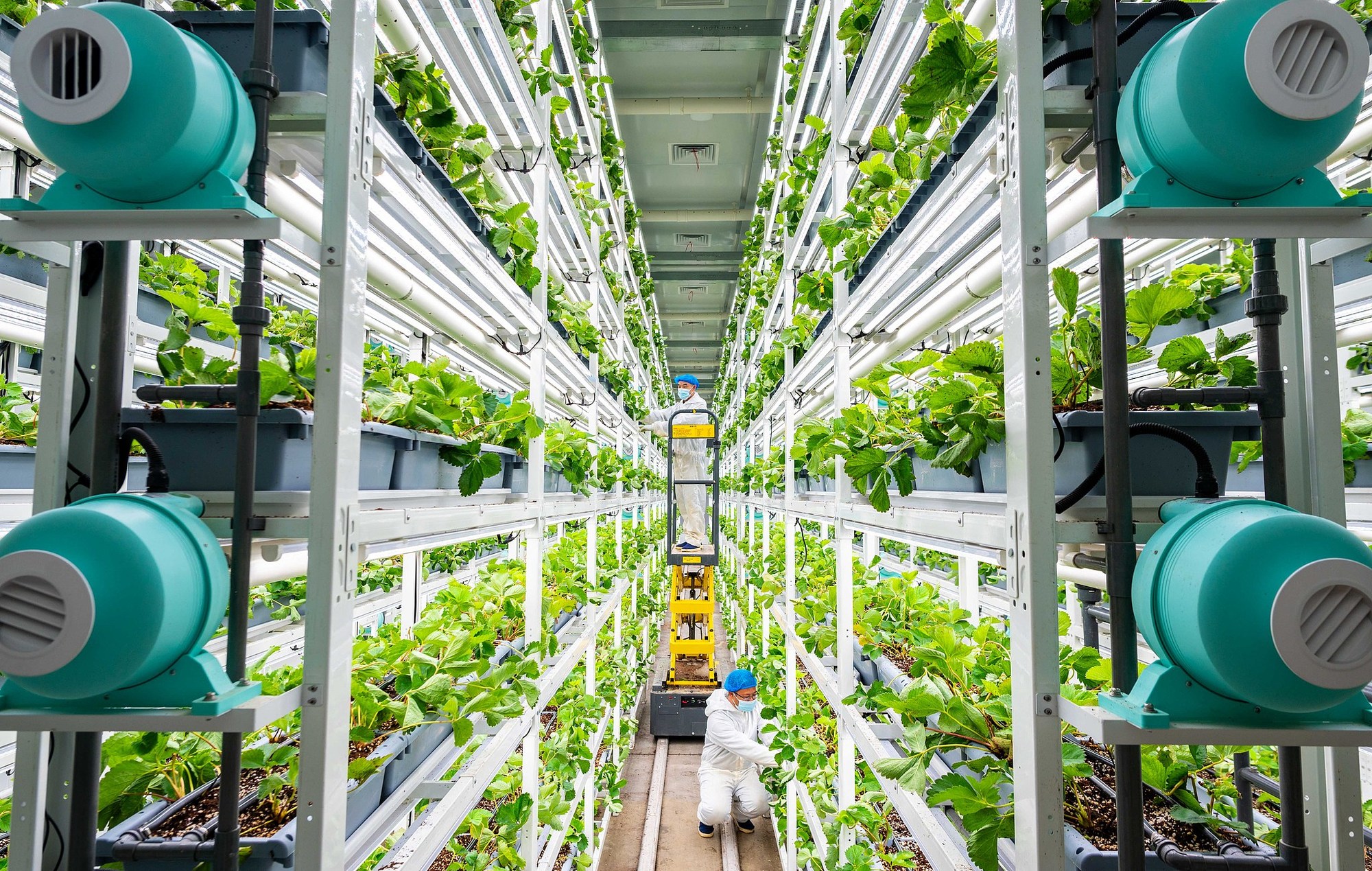
Core Viewpoint - The modernization of agriculture and rural areas in China is increasingly driven by technology and data, transitioning from traditional farming practices to data-driven approaches, with a clear outline for future development [1][6]. Group 1: Agricultural Production and Technology - By 2025, China's grain production is expected to reach 14,298 billion jin, an increase of 168 billion jin, maintaining a historical high for two consecutive years [3]. - The construction and upgrading of high-standard farmland will cover 7,568 million mu, with a cumulative total exceeding 1 billion mu [3]. - The comprehensive mechanization rate for crop farming is projected to reach 76.7% by 2025, indicating that over 70% of field operations will be mechanized [3]. - The contribution rate of agricultural technology progress has surpassed 64%, showcasing significant advancements in agricultural productivity [3]. Group 2: Income and Quality of Life for Farmers - By 2025, the per capita disposable income of rural residents is expected to reach 24,456 yuan, reflecting a real growth of 6% from the previous year [4]. - The improvement in farmers' income levels is attributed to the acceleration of new agricultural productivity, the deep empowerment of smart agriculture, and the development of diverse income channels [4]. - New industries and business models, such as rural tourism and e-commerce, are expanding, driven by technology-centered agricultural productivity [4]. Group 3: Systematic Transformation and Future Outlook - Smart agriculture is transforming the entire agricultural value chain, enhancing production methods, and extending the industry chain to improve the value chain [4]. - The systematic transformation facilitated by smart agriculture connects production, processing, circulation, and consumption, providing technical support and efficiency guarantees for rural development [4]. - The strategic signal for accelerating agricultural modernization is clear, aiming to improve the dignity and quality of life for farmers, with smart agriculture as a key focus in the initial phase of the "14th Five-Year Plan" [6].

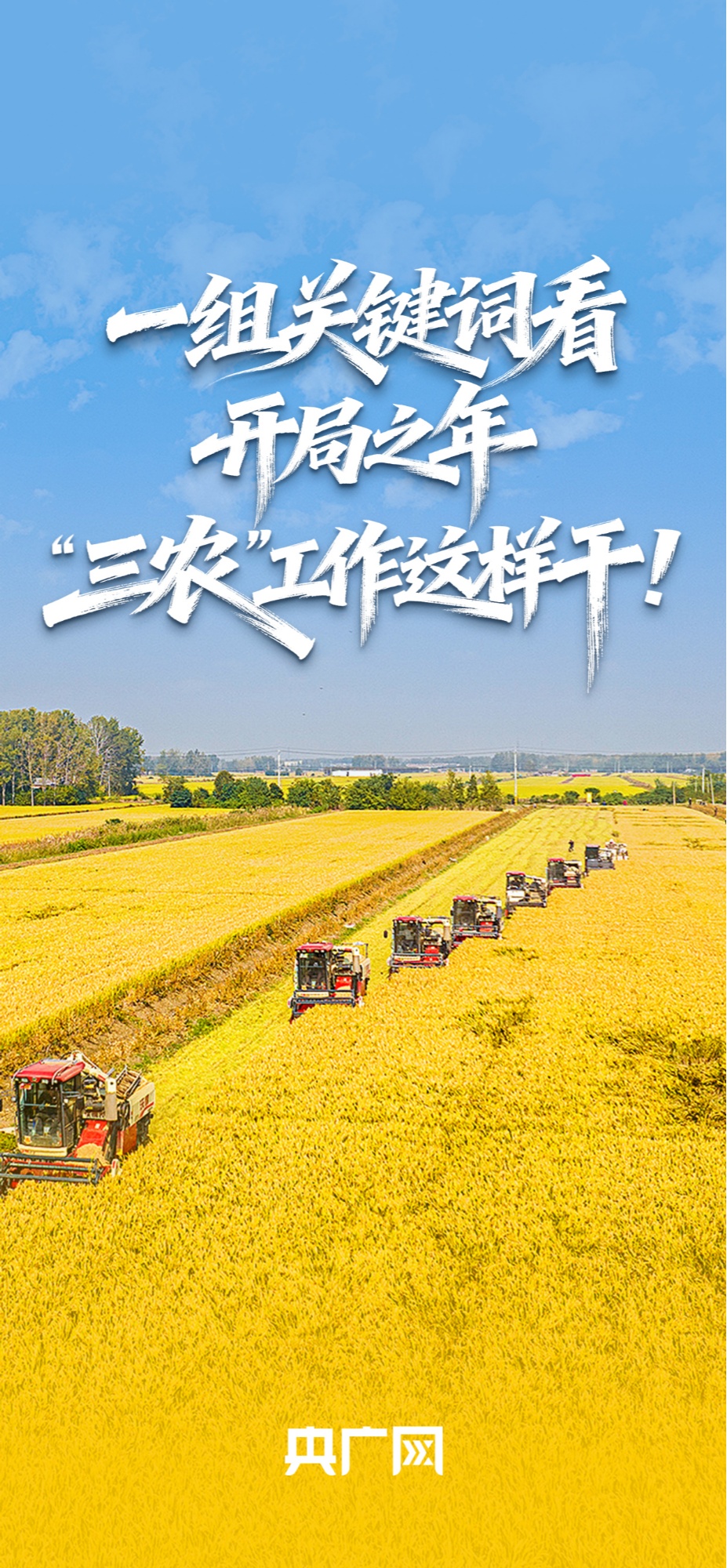
一组关键词看开局之年“三农”工作这样干!
Yang Guang Wang· 2026-01-23 07:11
Group 1 - The Ministry of Agriculture and Rural Affairs will guide provinces to improve work mechanisms and develop specific measures for extending contracts, ensuring steady progress in pilot projects for agricultural modernization [5] - Focus areas include stabilizing production and supply of important agricultural products, consolidating poverty alleviation achievements, and promoting high-level agricultural technology self-reliance [3][4] - Emphasis on enhancing farmers' income stability and improving rural living conditions to stimulate agricultural and rural development vitality [3][14] Group 2 - Implementation of regular and precise assistance measures, with a focus on tiered and classified support for underdeveloped regions [9] - Strengthening the cultivation of leading technology enterprises and the application of technological achievements [11] - Promoting resource conservation, reducing input use while increasing efficiency, and advancing the green and low-carbon transformation of the entire agricultural industry chain [24]
南农晨读 | 吉桔送四海
Nan Fang Nong Cun Bao· 2026-01-23 01:30
Group 1 - The Ministry of Agriculture and Rural Affairs is focusing on ensuring the quality of agricultural products during the "first mile" of market entry [2] - A press conference held on January 22 highlighted the acceleration of agricultural modernization and the promotion of rural revitalization [5][10] - The Ministry has initiated a second round of land contract extensions for 30 years, covering 7 provinces, 221 counties, and 349 townships, benefiting over 25 million farmers [6][7] Group 2 - The Guangdong Provincial People's Congress is set to focus on agricultural modernization in 2026, which is a key year for advancing rural revitalization [14][15] - The "万人人鹅宴" event in Shantou attracted significant attention, reaching over 100 million people through various media [39] - The training program for 421 grassroots agricultural technicians in Zhanjiang emphasizes grain and oil stability and smart agriculture [41][45] Group 3 - China's tea exports are projected to reach 418,800 tons in 2025, marking a historical high with an export value of approximately $1.546 billion, reflecting strong global competitiveness [32][34]

高水平建设国际化现代化人民城市
Su Zhou Ri Bao· 2026-01-23 00:17
Core Viewpoint - The government work report emphasizes the need for Suzhou to focus on innovation, transformation, and integration across various sectors to achieve high-level modernization and enhance the city's competitiveness and influence on an international scale [1][2]. Group 1: Key Focus Areas - Suzhou aims to leverage historical opportunities by emphasizing six key areas: innovation leadership, deepening reform and opening up, strengthening regional collaboration, cultural empowerment, prioritizing people's needs, and balancing development with safety [1]. - The report outlines ten specific areas of work for the "14th Five-Year Plan" period, including enhancing the integration of industry and innovation, strengthening the real economy, expanding effective demand, and optimizing urban functions [2]. Group 2: Specific Initiatives - In the area of industry and innovation integration, Suzhou plans to implement six major actions under the "platform empowerment leap" initiative to establish itself as a regional technology innovation center [2]. - The city aims to enhance its manufacturing capabilities through the "Suzhou Intelligent Manufacturing" initiative, striving to become a national model for new industrialization and a pilot city for the integration of two industries [2]. - To boost effective demand, Suzhou will launch an internal demand expansion project to make the city a more attractive destination for investment and consumption [2]. - The report highlights the importance of cultural development, aiming to enhance the "Jiangnan culture" brand and improve Suzhou's cultural creativity and influence [2].
1.43万亿斤,粮食产量再创历史新高 今年将“五路并进”提升产能
2 1 Shi Ji Jing Ji Bao Dao· 2026-01-22 23:15
Core Viewpoint - The Chinese government is accelerating agricultural modernization and promoting rural revitalization, with significant achievements in grain production and poverty alleviation by 2025 [1][10][12]. Group 1: Agricultural Production - In 2025, China's grain production reached 14,298 billion jin, an increase of 1.68 billion jin, marking a historical high and maintaining over 14 trillion jin for two consecutive years [1][3][10]. - The increase in grain production is primarily attributed to autumn grain, which contributed 1.636 billion jin, accounting for over 90% of the total increase [3][12]. - The main contributors to the increase were the northeastern provinces, Inner Mongolia, and Xinjiang, which together accounted for nearly 70% of the national increase [3][12]. Group 2: Poverty Alleviation and Support Policies - By the end of 2025, over 7 million monitoring subjects were identified for assistance, effectively eliminating the risk of returning to poverty [1][15]. - The employment scale of the poverty alleviation labor force exceeded 32 million, ensuring stable income sources for more than two-thirds of the poverty-stricken families [1][15]. - The government has invested 161.11 billion yuan in assistance funds and facilitated the sale of agricultural products from poverty-stricken areas amounting to 754.54 billion yuan [15]. Group 3: Future Agricultural Strategies - In 2026, the focus will be on stabilizing grain production areas, enhancing single yield, optimizing production structure, increasing efficiency, and disaster reduction [4][13][14]. - The government aims to implement a new round of grain production capacity enhancement actions, emphasizing the importance of maintaining grain planting areas and improving yield through advanced agricultural practices [4][12][13]. - Continuous support for rural revitalization will be integrated into the strategy to prevent large-scale poverty [16][17].

1.43万亿斤!产量再创历史新高,今年粮食生产将“五路并进”
2 1 Shi Ji Jing Ji Bao Dao· 2026-01-22 13:00
Core Viewpoint - The Chinese government is accelerating agricultural modernization and rural revitalization, with a focus on stabilizing grain production and ensuring food security, while also enhancing the living conditions of farmers and promoting sustainable development in rural areas [1][2][6]. Group 1: Agricultural Production - In 2025, China's grain production reached a historical high of 14,298 billion jin, an increase of 1.68 billion jin, maintaining stability above 14 trillion jin for two consecutive years [1][2]. - The increase in grain production in 2025 was primarily driven by autumn grain, which contributed 16.36 billion jin, accounting for over 90% of the total increase [2]. - The main regions contributing to the grain increase were Northeast China, Inner Mongolia, and Xinjiang, which together accounted for nearly 70% of the national increase [2]. - Corn was the leading crop in terms of production increase, contributing 12.64 billion jin, which represented 75% of the total grain increase [2]. Group 2: Poverty Alleviation and Support Policies - The government has identified and supported over 7 million monitoring objects to eliminate the risk of returning to poverty, with over 85% of impoverished households benefiting from at least one form of industrial support [6][7]. - Employment for the impoverished population has remained stable, with over 32 million people engaged in work, ensuring that more than two-thirds of the income for impoverished families is maintained [6]. - The transition period for poverty alleviation policies will end in 2026, with a focus on maintaining stability in support measures and integrating them into rural revitalization strategies [6][7]. Group 3: Future Agricultural Strategies - In 2026, the government plans to implement a new round of actions to enhance grain production capacity, aiming for a significant increase in grain output [3][4]. - Key strategies include stabilizing planting areas, improving yield per unit area, optimizing production structures, enhancing efficiency, and disaster reduction measures [3][4][5]. - The government emphasizes the importance of technology and collaboration among agricultural cooperatives to improve production efficiency and resilience against adverse weather conditions [3][4].
守粮安、兴产业、美乡村:山东烟台推进农业农村现代化先行市建设
Zhong Guo Xin Wen Wang· 2026-01-22 08:48
Group 1: Agricultural Development Goals - Yantai aims to establish a modern agricultural production, industry, and management system, striving to be a pioneer in achieving agricultural modernization by 2026 [1] - During the 14th Five-Year Plan period, Yantai has added 410,000 acres of high-standard farmland and has seen continuous grain harvests for five years [1] - The city plans to ensure stable grain planting area and production, targeting 4.55 million acres and over 1.9 million tons by 2026 [3] Group 2: Infrastructure and Disaster Management - The city emphasizes the importance of agricultural infrastructure for disaster prevention and mitigation, advocating for the inclusion of drainage systems in high-standard farmland construction [2] - Representatives highlight the need for a comprehensive agricultural disaster prevention system to transition from passive to proactive disaster management [2] Group 3: Brand and Market Development - There is a significant opportunity to enhance the market recognition and value of Yantai's agricultural products, with suggestions for innovative marketing strategies [3][4] - The city plans to cultivate over 10 agricultural industrialization leading enterprises and certify more than 30 quality agricultural products by 2026 [6] Group 4: Technological Innovation - Technological innovation is deemed crucial for industry upgrades, with a focus on developing resilient and high-quality crop varieties to support sustainable agricultural development [4][6] - The city encourages agricultural research institutions to innovate and support the transition of new varieties and technologies from experimental to productive fields [6] Group 5: Rural Development and Community Building - Yantai aims to create 20 rural revitalization areas by 2026, focusing on building a new type of rural production, living, and ecological community [7] - The city plans to improve rural living conditions by upgrading infrastructure, enhancing public services, and promoting community governance [7]
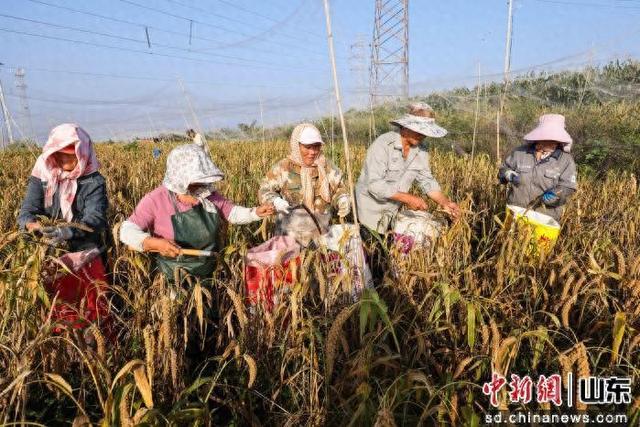
我国粮食产量连续两年稳定在1.4万亿斤以上
Xin Hua She· 2026-01-22 08:22
Core Points - The Chinese government is accelerating agricultural modernization and promoting comprehensive rural revitalization [2] Group 1: Agricultural Production - China's grain production has remained stable at over 1.4 trillion jin for two consecutive years [2]
事关粮食生产与“菜篮子”产品供应
Jing Ji Guan Cha Wang· 2026-01-22 08:19
Core Viewpoint - The press conference held by the State Council Information Office focuses on accelerating agricultural modernization and promoting rural revitalization, addressing key issues such as grain production stability, poverty alleviation, and supply of essential food products amid recent weather challenges [1] Group 1: Grain Production Stability - China's grain production has remained stable at over 1.4 trillion jin (approximately 933 million tons) for two consecutive years, with a focus on enhancing production through integrated efforts in land, seeds, machinery, and methods [1] - The Central Rural Work Conference emphasized the need for a new round of actions to increase grain production capacity by 100 billion jin (approximately 66 million tons), highlighting the importance of solidifying the foundation for national food security [1] Group 2: Poverty Alleviation - The transition period for consolidating and expanding poverty alleviation achievements has ended, marking the beginning of a new phase of normalized assistance, ensuring that previous support policies will not be abruptly halted [1] - The approach to ongoing assistance will involve adjustments based on new circumstances, with a focus on identifying and supporting households at risk of falling back into poverty due to health issues, accidents, or natural disasters [1] Group 3: Supply of Essential Food Products - With the Spring Festival approaching, there is a focus on the production status of essential food items such as meat, eggs, milk, fruits, and vegetables, assessing the impact of recent cold weather on production and market supply [1] Group 4: Rural Revitalization Policies - As the first year of the 14th Five-Year Plan begins, there is a commitment to advancing agricultural modernization and rural revitalization, with new policies aimed at fostering county-level industries, ensuring stable income for farmers, and promoting the development of livable and workable rural areas [1]
事关2026年“三农”工作,农业农村部最新发声
Qi Huo Ri Bao· 2026-01-22 04:47
Core Viewpoint - The Chinese government is accelerating agricultural modernization and rural revitalization, focusing on six key areas for the "Three Rural Issues" in 2026, as outlined by the Ministry of Agriculture and Rural Affairs [2][3]. Group 1: Key Focus Areas for Agricultural Development - Emphasis on stabilizing the production and supply of important agricultural products, enhancing agricultural productivity and quality, and developing a diversified food supply system [2]. - Continuous efforts to consolidate and expand poverty alleviation achievements, establishing a regular mechanism to prevent poverty and ensuring stable support policies [2]. - Promotion of high-level agricultural technology independence and innovation, with a focus on breakthroughs in key areas such as seed industry and smart agriculture [3]. Group 2: Strategies for Grain Production - In 2025, China's grain production reached a record high of 1.4 trillion jin, with significant contributions from autumn grain and specific regions like Northeast China and Inner Mongolia [4][5]. - The Ministry of Agriculture plans to implement a new round of actions to enhance grain production capacity, focusing on five key strategies: stabilizing planting area, increasing yield, optimizing structure, enhancing efficiency, and disaster reduction [6][7]. Group 3: Specific Measures for Grain Production - Stabilizing the planting area by enforcing responsibilities for land protection and grain security [6]. - Encouraging yield improvements through advanced agricultural practices and technologies [6]. - Optimizing the production structure by promoting high-quality crop varieties [6]. - Enhancing efficiency through policy support and compensation mechanisms for grain-producing regions [6]. - Implementing disaster reduction measures to minimize agricultural losses from adverse weather conditions [7].