数据安全

Search documents
佳华科技拟发行股份收购数盾科技90%股份 12月8日起复牌
Zhi Tong Cai Jing· 2025-12-05 14:54
Group 1 - The company Jiahua Technology (688051.SH) plans to acquire 90% of Shudun Technology from 49 counterparties through a combination of share issuance and cash payment, while also raising supporting funds [1] - The transaction is expected to meet the criteria for a significant asset restructuring as defined by the "Restructuring Management Measures" [1] - Shudun Technology specializes in domestic cryptography technology research, cryptographic information security product development, and overall information security solution services, positioning itself as a key player in the network and data security sector in China [1] Group 2 - The acquisition is anticipated to create synergies in business, technology, and customer relations, enhancing the company's product matrix and downstream application scenarios [1] - This strategic move aims to improve the company's responsiveness to customer data security needs and overall service capabilities, thereby strengthening its market competitiveness [1] - The company has received various accolades, including the National Cryptography Technology Progress Third Prize and the Beijing Science and Technology Progress First Prize, and has been involved in establishing national and industry standards in the commercial cryptography field [1] Group 3 - The company's stock is set to resume trading on December 8, 2025, following an application to the Shanghai Stock Exchange [2]

佳华科技:拟购买数盾科技90%股份且预计构成重大资产重组 股票复牌
Mei Ri Jing Ji Xin Wen· 2025-12-05 14:51
每经AI快讯,12月5日,佳华科技(688051.SH)公告称,公司正在筹划以发行股份及支付现金的方式购买 数盾信息科技股份有限公司90%股份,并募集配套资金。公司股票将于2025年12月8日开市起复牌。标 的公司专注于国产密码技术研究、密码信息安全产品研发和信息安全整体解决方案服务。本次交易完成 后,上市公司与标的公司能够在业务、技术、客户等方面产生良好的协同效应,进一步提升上市公司对 客户在数据安全需求方面的响应能力和综合服务能力。本次交易预计构成重大资产重组。 ...
撕开“鹰眼”技术依赖:一场中国科技公司奋力拼搏的体系突围
YOUNG财经 漾财经· 2025-12-05 07:04
Core Viewpoint - The introduction of VAR (Video Assistant Referee) technology in Chinese football highlights a deeper competition regarding data security and industry sovereignty, emphasizing the importance of mastering key technologies and core data for the future of digital sports [3][5]. Group 1: Structural Challenges of Non-Self-Controlled "Eagle Eye" - The existing "Eagle Eye" system's dominance is attributed to its early market entry and binding to international events, rather than its technical superiority [6]. - The non-self-controlled "Eagle Eye" system faces two structural challenges: the transparency dilemma regarding intellectual property and regulatory demands, and the risks associated with relying on external technology standards [7][8]. Group 2: Collective Awakening on Data Security - The recent amendments to the Cybersecurity Law and related regulations have clarified the risks associated with data flow and jurisdiction, prompting a collective awareness of the importance of data security in sports [10][11]. - The reliance on non-self-controlled systems raises concerns about data jurisdiction and potential exposure to foreign legal frameworks, which could compromise the integrity of sports data [12][13]. Group 3: Breakthrough of Self-Controlled "Eagle Eye" - Companies like Ruige Technology are emerging as "disruptors" in the market, aiming to develop self-controlled "Eagle Eye" systems that challenge existing monopolies [14]. - Ruige Technology's approach includes reducing costs significantly, thereby reshaping the value benchmark for VAR systems and demonstrating that such technology is not an insurmountable barrier [15][16]. - The company also emphasizes data sovereignty by ensuring local data storage and algorithm transparency, which addresses the risks associated with the "black box" nature of existing systems [17][18]. Group 4: Ongoing Competition and Future Implications - The self-controlled "Eagle Eye" system has been successfully implemented in various sports and has received FIFA certification, indicating its competitive edge in terms of accuracy and reliability [22][23]. - The ongoing competition between self-controlled and non-self-controlled systems is not yet resolved, but the emergence of self-controlled systems represents a significant breakthrough in the technology landscape [24][25]. - The shift towards self-controlled technology in sports is seen as a strategic priority, emphasizing the need for safety, data control, and industry autonomy [26][27].


研报掘金丨东方证券:维持绿盟科技“买入”评级,目标价9.42元
Ge Long Hui A P P· 2025-12-05 07:02
Core Viewpoint - The report from Dongfang Securities highlights that Green Alliance Technology focuses on AI and data security, cultivating new future scenarios through a "3+3+X+Y" strategy, driving differentiated competitiveness with dual engines of AI security and data security [1] Group 1: AI Security Developments - The company has iterated its Fengyunwei AI security capability platform, establishing a multi-agent security application center to address challenges in AI model assessment [1] - The launch of the AI-Scan large model risk assessment product enhances vulnerability detection and threat assessment efficiency, with successful implementations in government and financial sectors [1] Group 2: Emerging Security Scenarios - The company is actively developing new security scenarios, achieving technological breakthroughs in areas such as APT tracking and forensics, cloud offensive and defensive strategies, new drone countermeasures, and vehicle networking test fields [1] - The vehicle networking test field business has completed key technology validation, laying the groundwork for future large-scale applications [1] Group 3: Cloud Security and Privacy Computing - The company is deepening research in cloud-native security and privacy computing, enhancing its product matrix to meet diverse cloud security needs [1] - Continuous breakthroughs in these emerging fields are expected to open new growth opportunities for the company, forming long-term development potential [1] Group 4: Financial Outlook - Considering the current market conditions and comparable companies, a target price of 9.42 yuan is set for 2026, maintaining a "buy" rating with a projected 3x PS ratio [1]


绿盟科技(300369):聚焦AI与数据安全,培育未来新场景
Orient Securities· 2025-12-04 12:42
Investment Rating - The report maintains a "Buy" rating for the company with a target price of 9.42 CNY, based on a projected price-to-sales (PS) ratio of 3 times for 2026 [3][6]. Core Insights - The company is focusing on AI and data security, aiming to enhance its competitive edge through a strategic framework termed "3+3+X+Y" [2][10]. - Revenue forecasts for 2025-2027 are adjusted to 2.402 billion CNY, 2.546 billion CNY, and 2.857 billion CNY respectively, reflecting a growth trajectory despite previous estimates being lower [3][11]. - The company has made significant improvements in cost control, leading to a reduction in expense ratios and an overall enhancement in operational efficiency [10]. Financial Performance Summary - The company reported a revenue of 1.681 billion CNY in 2023, with a projected growth of 40.3% to 2.358 billion CNY in 2024, followed by modest growth rates in subsequent years [5][13]. - The gross margin is expected to stabilize around 53.6% to 54.0% from 2025 to 2027, indicating a strong pricing power and cost management [5][10]. - The net profit margin is projected to improve significantly, moving from -58.1% in 2023 to a positive 8.1% by 2027, showcasing a turnaround in profitability [5][10]. Strategic Focus - The company is actively exploring new security scenarios, including APT tracking, cloud security, and vehicle networking, which are expected to open new revenue streams [10]. - The introduction of innovative products like the AI-Scan model risk assessment tool is aimed at enhancing operational efficiency and effectiveness in threat detection [10].
安恒信息(688023):AI提升竞争力,新兴业务发展向好
Orient Securities· 2025-12-04 12:42
Investment Rating - The report maintains a "Buy" rating for the company, with a target price of 59.87 CNY based on a 2.65x PS multiple for 2026 [3][6]. Core Insights - The company is experiencing improved profitability primarily due to effective cost control, with a significant reduction in expense ratios [9]. - AI security is identified as the strategic core of the company, with the upcoming launch of the "Heng Nao 3.0" platform, which is expected to enhance product competitiveness [9]. - New business segments, particularly data security and MSS services, are showing rapid growth, with data security contracts increasing by nearly 25% year-on-year [9]. Financial Performance Summary - Revenue projections for 2025-2027 are adjusted to 2.126 billion, 2.306 billion, and 2.538 billion CNY, respectively, reflecting a growth rate of 4.1%, 8.5%, and 10.1% [3][5]. - The company is expected to achieve a net profit of 111 million CNY by 2027, with a significant turnaround from a net loss of 360 million CNY in 2023 [5][9]. - Gross margin is projected to decline slightly from 61.8% in 2023 to 58.3% by 2026, while net margin is expected to improve from -16.6% in 2023 to 4.4% in 2027 [5][9].

斗南花市,卖花也卖数据
Ren Min Ri Bao· 2025-12-04 09:09
Core Insights - The flower industry in Kunming, Yunnan, is evolving from traditional flower sales to data trading, with the first transaction of flower auction data taking place this year [1] - The Kunming Dou Nan Flower Market is the largest fresh-cut flower trading market in Asia and the second largest in the world, with projected trading volume and value for 2024 reaching 14.176 billion stems and 11.574 billion yuan respectively [1] - The establishment of the Kunming International Data Trading Platform aims to facilitate data transactions, with 447 products registered and a total transaction amount of 99.52 million yuan [2] Group 1 - The first transaction of flower industry auction data was completed between Kunming Dou Nan Agricultural Products Auction Co., Ltd. and Yunnan Finance Vocational College, utilizing real trading data for educational purposes [1] - The data product includes comprehensive information on flower categories, varieties, colors, grades, defects, openness, and length, processed from three years of trading data [1] - The data trading platform is designed to ensure data security by transforming raw data into compliant data products through cleaning and anonymization [2] Group 2 - The Yunnan provincial government is promoting the development of a data factor market, focusing on the effective utilization of data resources and the establishment of a trusted data space [3] - The platform aims to connect data providers, data demanders, and data merchants, ensuring compliance and safety in data transactions [2] - The initiative reflects a broader trend of leveraging data as a valuable asset in the flower industry, enhancing decision-making and operational efficiency [1][3]
“接地气”立法融入城市发展(坚持和完善人民代表大会制度) ——深圳基层立法联系点一线观察
Ren Min Ri Bao· 2025-12-03 22:54
Core Points - The legislative suggestions from representatives in Shenzhen have been incorporated into new laws, enhancing the legal framework for the private economy and addressing industry needs [1][2][4] - Shenzhen has established a three-tier legislative contact point network to facilitate public opinion expression and support legislation in key and emerging sectors [1][3][8] Group 1: Legislative Developments - Shenzhen's representatives have actively engaged in legislative research, particularly focusing on the challenges faced by the artificial intelligence industry, such as data privacy and barriers to data access [2][6] - The establishment of the "National-level" grassroots legislative contact point in Futian District marks a significant step in enhancing local legislative capabilities [1][5] - The legislative contact points have successfully submitted proposals that have been adopted in various regulations, including those promoting high-quality development in manufacturing [2][3] Group 2: Industry-Specific Insights - The legislative contact points are tailored to the local industrial landscape, with a focus on integrating feedback from high-tech sectors like artificial intelligence and semiconductors [2][3] - There is a concerted effort to align local legislation with international standards, particularly in areas such as foreign investment and intellectual property protection [5][6] Group 3: Community Engagement and Governance - The legislative contact points have been instrumental in gathering community feedback on pressing issues, such as the management of abandoned vehicles, which has led to actionable legislative proposals [7][8] - The integration of legislative work with community governance initiatives aims to enhance the responsiveness of local laws to the needs of residents and businesses [8][9]

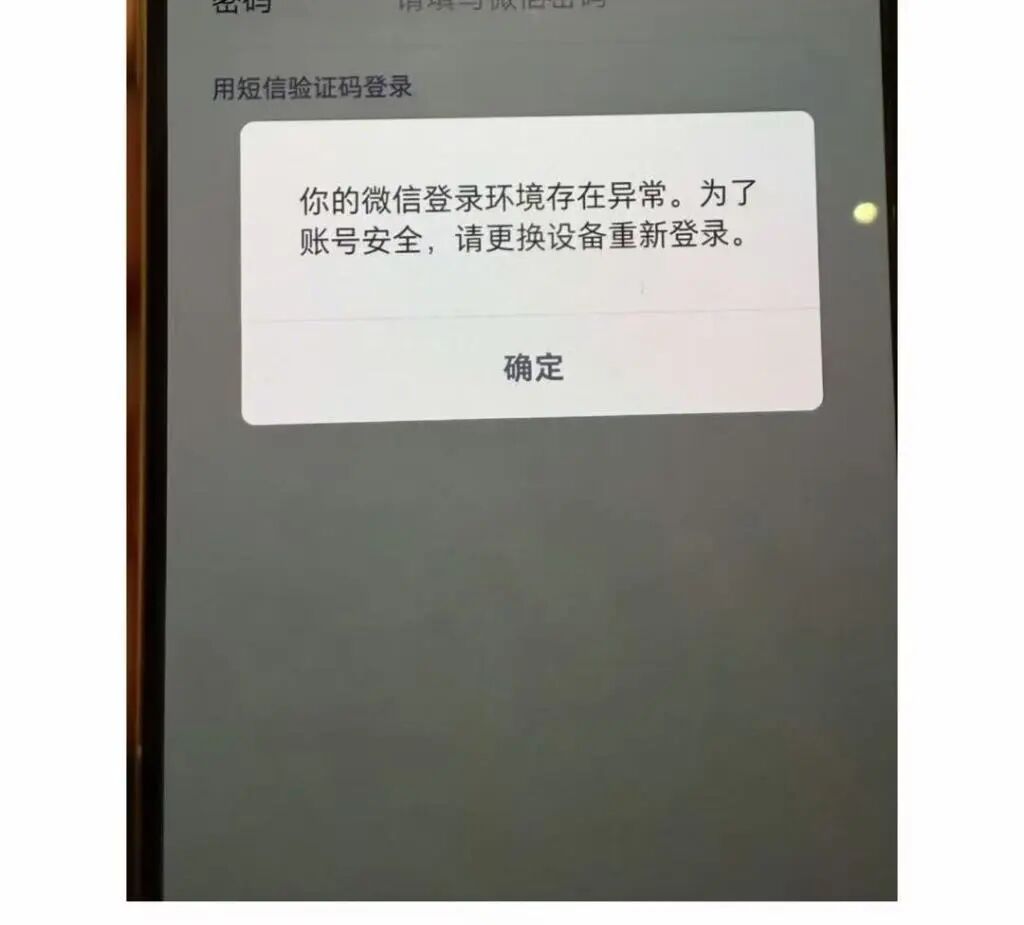
豆包手机助手无法“登录”微信的背后
Xin Lang Cai Jing· 2025-12-03 14:42
Core Viewpoint - The recent issues with the Doubao mobile assistant causing abnormal logouts from WeChat highlight the ongoing challenges in balancing AI functionality with user privacy and security measures in the smartphone industry [1][2][3]. Group 1: Doubao Mobile Assistant and WeChat Interaction - Users of the Doubao mobile assistant on Nubia M153 have reported that using the assistant can lead to WeChat account logouts and login issues [1]. - WeChat representatives indicated that these issues may stem from existing security measures rather than any specific actions taken against Doubao [2]. - The Doubao mobile assistant, launched on December 1, is designed to automate tasks across multiple applications, but it has faced challenges specifically with WeChat [2]. Group 2: AI Integration and Industry Trends - The collaboration between ZTE and Doubao signifies a new phase in the ecosystem collaboration between consumer electronics manufacturers and internet giants, with expectations that global AI smartphone penetration will exceed 35% by 2026 [2]. - The Doubao model aims to expand the application boundaries of AI functionalities, facilitating automation in various user tasks [2]. Group 3: Data Security and Permissions - The Doubao mobile assistant has been granted the INJECT_EVENTS permission, which allows it to simulate user input across applications, raising concerns about data security and privacy [4][7]. - This permission is typically reserved for system-level applications, indicating that Doubao is deeply integrated with the operating system rather than functioning as a standalone third-party app [4]. - Industry experts note that while this permission is common among native assistants from major manufacturers, it poses potential security risks if granted to third-party applications [7]. Group 4: Regulatory and Competitive Landscape - The regulatory environment surrounding AI mobile assistants remains ambiguous, particularly regarding user data access and privacy [7]. - WeChat's terms of service explicitly prohibit the use of third-party tools for automated operations, emphasizing the need for stringent security measures [7]. - Experts suggest that leading internet platform companies should collaborate to establish industry safety standards for AI mobile assistants to facilitate development while ensuring user security [8].
专家南京共话安全:2025(第十二届)江苏互联网大会AI+网络安全分论坛举办
Yang Zi Wan Bao Wang· 2025-12-03 03:18
Core Viewpoint - The forum highlighted the urgent need for collaborative efforts in AI and cybersecurity governance as the integration of AI into various sectors poses significant challenges to network security and societal stability [1][3]. Group 1: AI and Cybersecurity Challenges - The integration of AI into economic and social sectors has led to various societal issues, and its malicious use in cyber warfare and propaganda poses severe threats to network governance and economic security [3]. - There is a significant gap in cybersecurity professionals, with a global shortage of 4.8 million, indicating an urgent need for increased focus on cybersecurity measures [5]. Group 2: Technological Developments in Cybersecurity - The approach to data security has evolved from point protection to a "smartly connected" systemic defense, emphasizing the need for comprehensive solutions that leverage AI for data classification, risk detection, and automated operations [7]. - The establishment of a unified data security management platform aims to enhance interconnectivity and strategy alignment across various security products, marking a shift towards an AI-driven collaborative defense system [7]. Group 3: Collaborative Initiatives - The launch of the integrated security operation center for digital governance in Yuhua District aims to strengthen the security framework for regional digital government initiatives [9]. - A strategic partnership signing ceremony involved 16 partners collaborating with China Unicom to enhance the AI and cybersecurity ecosystem, focusing on resource sharing and technological cooperation [11].