智慧养老

Search documents
养老又有新科技!逛第九届广州老博会,提前体验未来银发生活
Nan Fang Du Shi Bao· 2025-08-13 04:04
Group 1 - The 9th China (Guangzhou) International Elderly Health Industry Expo will be held from August 22 to 24 at the Guangzhou Import and Export Fair Complex, focusing on the theme of "New Tracks, New Technologies, New Consumption in the Silver Economy" [2] - The exhibition area will cover 50,000 square meters, with a core area dedicated to smart elderly care, featuring various new robots and intelligent assistive devices [2] - The expo will showcase seven major sectors of the silver economy, including elderly services, elderly finance, and anti-aging products, highlighting the latest innovations and achievements in these fields [2] Group 2 - New special zones will be added, including a star-rated elderly care institution area and a "Welcome to the Special Olympics" section, aiming to attract over 1,000 participating brands, including state-owned enterprises and Fortune 500 companies [3] - The expo emphasizes public welfare by launching a "Silver Age Market and Elderly Goods Street," promoting quality silver consumption products and offering discounts and subsidies to the elderly [3] - A 200-square-meter dental technology exhibition area will be created to address the oral health needs of the elderly, featuring immersive technology experiences and consultations from renowned dental experts [3] Group 3 - The expo will host over 50 themed activities and industry matchmaking events, including an "International Silver Economy Development Cooperation Exchange Conference" to share international elderly care experiences [4] - New standards for home elderly care will be released, and the "Silver Age Cup" awards ceremony will recognize industry benchmarks and promote industry upgrades [4] - Attendees can register in advance through a mini-program for free entry, and transportation arrangements have been made to reduce travel costs for participants [4]


第33届广州博览会首设机器人表演专区
Zhong Guo Xin Wen Wang· 2025-08-12 12:35
Group 1 - The 33rd Guangzhou Expo will showcase over 130 robots in a newly established robot performance area, highlighting the integration of resources from the Greater Bay Area [1] - The expo will feature four thematic exhibition areas, including new productivity, rural revitalization, silver economy, and quality of life, covering a total exhibition area of approximately 180,000 square meters, representing a year-on-year growth of over 50% [1] - The 9th China (Guangzhou) International Elderly Health Industry Expo will focus on technology and resources from Hong Kong and Macau, featuring a dedicated smart robot area with various innovative robots [1] Group 2 - The 2025 Guangzhou Medical and Health Industry Expo will have a 30,000 square meter exhibition area, attracting over 400 participating units, showcasing cutting-edge technologies such as gene editing and cell therapy [2] - The expo will facilitate cross-border medical cooperation through a special session for Hong Kong and Macau medical devices, promoting the integration of advanced medical technologies into the mainland market [2] - The consumption assistance exhibition area will serve as a platform to promote domestic circulation, with participation from 80 cities and over 320 enterprises, connecting local agricultural products with Greater Bay Area consumers [2]

首款陪伴型机器人亮相!傅利叶加速布局康养赛道,创始人坦言走入家庭还需很长时间
Hua Xia Shi Bao· 2025-08-10 00:47
Core Insights - Fourier aims to sell over 10,000 robots by Q1 2025, with a delivery target of 300 biped robots for this year [1] - The company is focusing on the elder care robot market, which is expected to experience explosive growth due to global aging [1][4] - The newly launched GR-3 robot features a user-friendly design aimed at reducing the mechanical feel and enhancing user interaction [2] Company Developments - Fourier has been active in the elder care sector since its establishment in 2015, providing services to over 3,000 institutions and hospitals across more than 60 countries [3] - The company has completed 12 rounds of financing, with the latest round in May 2023 raising up to 300 million yuan [3] - Fourier's product line includes upper and lower limb rehabilitation robots and various therapy systems, addressing a wide range of rehabilitation needs [3] Market Potential - The domestic elder care robot market is projected to exceed 30 billion yuan in 2024 and reach 50 billion yuan by 2025, with a compound annual growth rate of over 30% [4] - The aging population in China, with over 300 million people aged 60 and above, presents a significant demand for elder care solutions [4] Technological Challenges - Current elder care robots have limitations in intelligence and interaction capabilities, requiring improvements in real-time environmental perception and multi-modal interaction [5] - Safety concerns exist regarding physical interaction with humans, indicating a need for better force feedback control [5] Future Directions - Fourier is exploring applications beyond elder care, including guidance, consultation, and industrial sectors [6] - The GR-3 robot is designed for various scenarios, including research, education, and healthcare, with a focus on meeting diverse customer needs [6]
首款陪伴型机器人亮相!傅利叶加速布局康养赛道,创始人坦言走入家庭还需很长时间|聚焦2025WRC
Hua Xia Shi Bao· 2025-08-09 11:57
Core Insights - Fourier aims to sell over 10,000 robots by Q1 2025, with a delivery target of 300 biped robots for this year [2] - The company is focusing on the elder care robot market, which is expected to see explosive growth due to global aging [2][5] - The newly launched GR-3 robot emphasizes interaction and companionship, designed to reduce users' feelings of alienation [3] Company Overview - Fourier has been active in the elder care sector since its establishment in 2015, providing services to over 3,000 institutions and hospitals in more than 60 countries [4] - The company has completed 12 rounds of financing, with the latest round in May 2023 raising up to 300 million yuan [4] Market Potential - The domestic elder care robot market is projected to exceed 30 billion yuan in 2024 and reach 50 billion yuan by 2025, with a compound annual growth rate of over 30% [5] - The aging population in China, exceeding 300 million people aged over 60, presents a significant demand for elder care solutions [5] Technological Challenges - Current elder care robots have limitations in intelligence and interaction capabilities, requiring improvements in real-time environmental perception and understanding of non-structured commands [5] - Safety concerns exist regarding physical interactions with users, indicating a need for better force feedback control [5] Expansion into Other Markets - Fourier is not limiting itself to the elder care market, as it has begun exploring applications in guidance, consultation, and industrial sectors [6] - Collaborations with institutions like China Construction Bank and SAIC General Motors demonstrate the versatility of their robots in various environments [6]

民政部:推进服务消费与养老再贷款政策落地
Zhong Guo Zheng Quan Bao· 2025-08-08 07:19
● 本报记者 熊彦莎 7月7日,民政部养老服务司副司长孙文灿在民政部第三季度例行新闻发布会上表示,民政部、商务 部拟于7月至12月举办全国"养老服务消费季"活动,并于7月10日在山东省青岛市举办启动仪式。在此次 活动中,将实施惠老助企政策,降低企业服务成本,推进服务消费与养老再贷款政策落地。 孙文灿介绍,将创新活动形式,打造多元化消费场景。指导各地创新形式组织开展本地区"养老服 务消费季"活动,充分挖掘中秋节"团圆安康"、重阳节"敬老爱老"等传统节日内涵,依规举办养老服务 领域博览会、展销会等,争取培育一批具有地域特色的标志性老年产品用品市集和康复辅具精品展区。 提升服务质效,深入推进居家适老化改造。孙文灿表示,将落实消费品以旧换新政策,鼓励各地优 化补贴申领流程,通过线上"一键申请"、线下社区代办等方式,推进居家适老化改造补贴精准覆盖更多 老年人。鼓励各地通过"硬件升级+智慧赋能",推动老旧家具更换与智能家居配置相结合,助力老年人 实现从传统居家养老向智慧养老迈进。 加大服务供给,满足老年人高品质生活需要。鼓励各类市场主体在消费季期间,围绕老年人多样化 需求,推出衣、食、住、行、用、医、养、乐等产品及服务, ...
养老社区引入外骨骼机器人,险企加速落地智能养老
Bei Jing Shang Bao· 2025-08-07 01:17
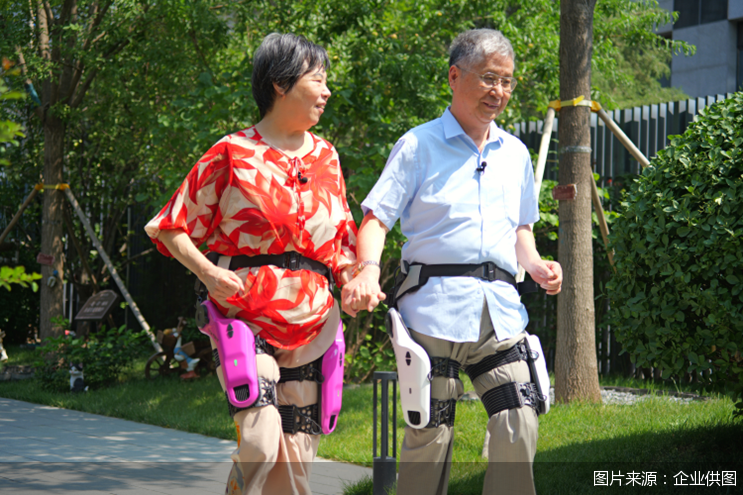
Group 1 - The integration of robots in elderly care is becoming a reality, with the introduction of exoskeleton robots enhancing mobility for seniors and reducing the burden on caregivers [3][4] - The establishment of a smart elderly care demonstration base in Beijing aims to provide practical applications for intelligent robots in elderly care settings [3] - Insurance companies are increasingly exploring smart elderly care solutions, recognizing the need for innovative services to meet the diverse demands of an aging population [2][7] Group 2 - The use of exoskeleton robots addresses the core challenges of mobility for elderly individuals, allowing them to perform basic actions like standing and walking, while also minimizing the risk of falls [4] - Various insurance companies are incorporating robotic solutions into their elderly care services, such as rehabilitation robots and interactive gaming robots, to enhance the quality of care [7] - The development of the elderly care robot industry faces challenges related to technology, cost, and ethical considerations, necessitating collaboration between government, enterprises, and societal perspectives for successful implementation [7]
养老机器人四大痛点尚需破解
Bei Jing Qing Nian Bao· 2025-08-05 01:00
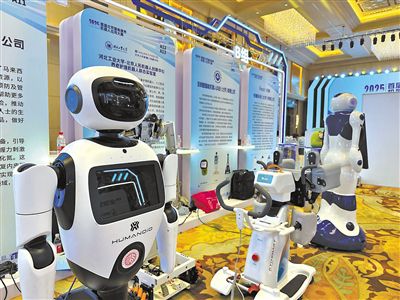
Core Viewpoint - The emergence of intelligent elderly care robots showcases the future of smart elderly care, but the industry is still in its infancy, facing challenges such as user habits, cost control, and insufficient data infrastructure [7][8][10]. Group 1: Pain Points - **Digital Divide**: The interaction design of elderly care robots is crucial, as many products do not consider the cognitive decline of the elderly, leading to difficulties in usage. Many elderly individuals have limited acceptance of smart robots due to complex operations and unfriendly interfaces [8][9]. - **Demand Matching**: There is a significant variation in the physiological and emotional needs of the elderly, making it essential for companies to understand these needs deeply to avoid creating products that do not meet actual demands [9][10]. - **Data Scarcity**: The lack of real-world application data hinders the development of smarter elderly care robots. Companies face challenges in collecting data from specific environments like nursing homes and communities, which is vital for improving their products [10][11]. - **High Costs**: The high price of elderly care robots remains a significant barrier to widespread adoption. Many products are still in the development stage, leading to high costs that exceed the financial capabilities of average households [11][12].
泰康之家·龙园正式奠基,打造东北地区优质养老服务圈
Zhong Guo Chan Ye Jing Ji Xin Xi Wang· 2025-08-04 12:38
Core Viewpoint - The successful groundbreaking of the TaiKang Home Longyuan in Harbin marks a significant step in TaiKang Insurance Group's expansion in the elder care industry, aiming to provide high-quality, integrated medical and nursing services for the aging population in Northeast China [1][2][7] Group 1: Project Overview - TaiKang Home Longyuan is expected to officially operate in 2028, offering approximately 1,100 elder care units with medical facilities to cater to various health conditions [1] - The project is strategically located in Harbin's Songbei District, close to major medical institutions and public transport, ensuring convenience for residents [4] - The design of the community incorporates local cultural elements and aims to create a vibrant living environment for the elderly [5] Group 2: Strategic Importance - The establishment of TaiKang Home Longyuan is part of TaiKang's broader strategy to develop a multi-layered, high-quality elder care service system in Heilongjiang Province, addressing the increasing demand for elder care services due to the aging population [2][7] - The project will collaborate with existing TaiKang facilities in the Northeast, such as those in Shenyang, Changchun, and Dalian, to create a cohesive elder care network [3][7] Group 3: Community Features - TaiKang Home Longyuan will offer a comprehensive living experience, including health management, rehabilitation care, cultural activities, and social engagement, reflecting TaiKang's established operational standards [5] - The community will focus on integrating smart elder care technologies and promoting active aging through various services [5][6] Group 4: Market Context - As of the end of 2024, Harbin's population aged 60 and above is projected to reach 2.714 million, accounting for 29.8% of the total registered population, highlighting the urgent need for quality elder care services [7] - The project is expected to alleviate the pressures of an aging population while enhancing local cultural and tourism offerings through travel-based elder care services [7]
乐普养老:养老服务综合体跑向能力输出中心
Bei Jing Shang Bao· 2025-08-04 09:51
Core Viewpoint - The article highlights the emergence of a new model in elderly care services, exemplified by the "Elderly Care Home" in Beijing, which aims to provide comprehensive, inclusive, and professional care services for the elderly in the community [2][3]. Group 1: Overview of Elderly Care Home - The Elderly Care Home, operated by Lepu Health (Beijing) Elderly Care Management Co., is set to open in November 2024, offering sustainable care support to elderly residents and the surrounding community [2]. - The facility consists of six floors with 125 furnished rooms and 300 beds, featuring various functional areas including an elderly university, care service area, community canteen, and health service station [2]. Group 2: Service Model and Features - The Elderly Care Home adopts a "1+3+N" service model, which includes "1 platform," "3 major scenarios," and "N services," aiming to create a regional smart elderly care service complex [3][9]. - The platform integrates smart elderly care technologies, providing a range of services such as daily care, medical care, health management, and psychological support, addressing the full lifecycle needs of the elderly [3][8]. Group 3: Goals and Community Impact - The facility aims to serve 300 elderly individuals initially, with a future goal of reaching 10,000 families within a 10-kilometer radius [4]. - The strategic vision includes creating a comprehensive elderly care system that integrates family, community, and institutional care, promoting accessibility and standardization in services [4][6]. Group 4: Smart Technology Integration - The smart information service platform is a key component, utilizing AI and data analytics to enhance service delivery and efficiency, allowing caregivers to monitor and respond to the needs of the elderly in real-time [10][13]. - The platform aims to improve the caregiver-to-elderly ratio, enabling one caregiver to serve 6-8 elderly individuals, thereby reducing costs and increasing service effectiveness [13]. Group 5: Future Trends in Elderly Care - The article predicts a rise in small-scale service providers, such as "couple teams," which will offer personalized and flexible care solutions, complementing larger service organizations [14][15]. - There is a growing emphasis on "product as service," where products designed for the elderly incorporate service elements, enhancing usability and accessibility [16][17]. Group 6: Challenges in the Industry - The elderly care industry is still in its early stages and faces challenges such as the need for a shift in service provider mindsets, training for talent, and the development of suitable products for the elderly [18].


创新消费力 | 乐普养老:养老服务综合体跑向能力输出中心
Bei Jing Shang Bao· 2025-08-04 09:45
Core Viewpoint - The article highlights the emergence of a new model in elderly care services, exemplified by the Changzhe Care Home in Beijing, which aims to provide comprehensive, inclusive, and professional elderly care services to residents and the surrounding community [2][3]. Group 1: Facility Overview - The Changzhe Care Home is a community elderly care complex with six floors, featuring 125 furnished rooms and 300 beds, and includes various functional areas such as an elderly university, care services, a community canteen, and specialized care zones for dementia and disability [2]. - The facility is set to open in November 2024 and will offer sustainable care support to families and communities [2]. Group 2: Service Model - The care home is exploring a "1+3+N" service model, which consists of "1 platform" for integrated services, "3 major scenarios" (home, community, and institutional care), and "N services" that encompass comprehensive care [3][7]. - The goal is to create a regional smart elderly care service complex that integrates medical and nursing services, with a focus on education and training for caregivers [3]. Group 3: Technology Integration - A one-stop smart elderly care service platform will be established, utilizing SaaS technology and connecting various health monitoring devices to provide tailored services based on individual needs [7][9]. - The integration of smart technology aims to enhance service efficiency and quality, allowing elderly individuals to access services more conveniently [9]. Group 4: Workforce Development - Training for caregivers to effectively use smart systems and devices is a priority, as many current workers may struggle with technology [10]. - The care home aims to improve the caregiver-to-elderly ratio, allowing one caregiver to serve 6-8 elderly individuals, thereby reducing costs and increasing efficiency [12]. Group 5: Market Trends - The article predicts a rise in small-scale service providers, such as "couple teams," which will offer personalized and flexible services, complementing larger service groups [13][14]. - The industry is currently facing challenges related to product development and the need for services to be more tailored to the elderly population [15][16].