
农业农村现代化

Search documents
农业农村部:2026年“三农”工作重点聚焦六个方面
Jing Ji Guan Cha Wang· 2026-01-22 04:06
Core Viewpoint - The Chinese government is accelerating agricultural and rural modernization, focusing on comprehensive rural revitalization as outlined in recent policy meetings and directives from leadership [1] Group 1: Policy Framework - The Central Economic Work Conference and the Central Rural Work Conference in 2025 will systematically deploy strategies for "Three Rural" work [1] - Important directives from General Secretary Xi Jinping provide fundamental guidance for the "Three Rural" initiatives [1] Group 2: Implementation Focus Areas - The government will focus on six key areas for implementation by 2026: 1. Ensuring stable production and supply of important agricultural products, enhancing overall agricultural production capacity and quality [1] 2. Consolidating and expanding achievements in poverty alleviation, establishing a mechanism to prevent the return to poverty [1] 3. Achieving high-level self-reliance in agricultural technology, accelerating innovation and application of agricultural technology [1] 4. Promoting stable income growth for farmers and developing rural industries for wealth creation [1] 5. Improving rural living conditions to create livable and workable beautiful villages [1] 6. Stimulating vitality in agricultural and rural development, advancing key tasks in rural reform [1]
黑龙江、上海、贵州、甘肃等地共青团多种形式开展党的二十届四中全会精神宣讲
Zhong Guo Qing Nian Bao· 2026-01-22 01:20
Group 1 - The article discusses the ongoing efforts by various regional youth organizations in China to promote the spirit of the 20th Central Committee's Fourth Plenary Session through targeted educational initiatives aimed at young people [2][3][4] - In Heilongjiang, a unique "youth" brand for lectures has been developed, focusing on training and grassroots presentations to effectively convey the session's spirit to the youth [3] - Shanghai's youth organizations are utilizing local resources and engaging in innovative dialogue formats to enhance understanding of the economic and social development goals outlined in the "14th Five-Year Plan" and "15th Five-Year Plan" [3][4] Group 2 - Guizhou is establishing a three-tiered lecture system to ensure comprehensive coverage of the session's spirit across various youth demographics, employing innovative teaching methods and local success stories [3][4] - Gansu has implemented a grassroots approach with over 1,400 lectures conducted, emphasizing the importance of youth engagement in the "15th Five-Year Plan" and encouraging them to take on responsibilities [4] - The article highlights the collaboration between local experts and youth organizations to create a multifaceted lecture team, enhancing the delivery of the session's spirit through relatable and engaging content [4]

全国政协委员热议:推动农业农村现代化再上新台阶
Ren Min Ri Bao· 2026-01-22 00:02
Core Viewpoint - Agricultural and rural modernization is essential for China's modernization, as emphasized by the Central Rural Work Conference, which calls for stabilizing grain and oil production, consolidating poverty alleviation achievements, and implementing rural civilization initiatives [1] Group 1: Grain Production and Farmer Income - Grain security is a national priority, and achieving stable production and efficiency requires the integration of quality land, seeds, machinery, and methods [2] - There is a significant shortage of agricultural machinery operators, with over 50% of positions unfilled, highlighting the need for technological advancements and training in modern agricultural practices [3] - To enhance farmer income, it is crucial to address the sales challenges in the agricultural supply chain, focusing on improving the initial sales channels for agricultural products [4] Group 2: Poverty Alleviation and Rural Revitalization - Continuous efforts are needed to consolidate poverty alleviation results, with 2025 marking a transition year for effective integration with rural revitalization [6][8] - The establishment of local micro-workshops has created over 800 jobs and increased annual income for residents by more than 40,000 yuan [7] - Recommendations include promoting industry-driven assistance to ensure sustainable income for previously impoverished households, with a focus on preventing individual family poverty [8] Group 3: Infrastructure and Governance - The "Ten Million Project" experience has significantly improved rural governance and infrastructure, enhancing residents' quality of life [10] - Recommendations for better rural governance include leveraging grassroots party organizations, attracting talent for rural entrepreneurship, and establishing participatory decision-making mechanisms [11] - Addressing traditional customs and practices, such as high bride prices, is essential for improving social harmony and community engagement [12]
事关农业农村现代化 今天10时国新办将举行发布会
Jing Ji Guan Cha Wang· 2026-01-21 23:07
经济观察网据央视新闻客户端消息,国务院新闻办公室将于2026年1月22日(星期四)上午10时举行新闻 发布会,请农业农村部副部长张兴旺介绍加快农业农村现代化,扎实推进乡村全面振兴有关情况,并答 记者问。 ...
四川盐亭:川农大研究生团队开展县域农业高质量发展主题调研
Xin Lang Cai Jing· 2026-01-21 09:16
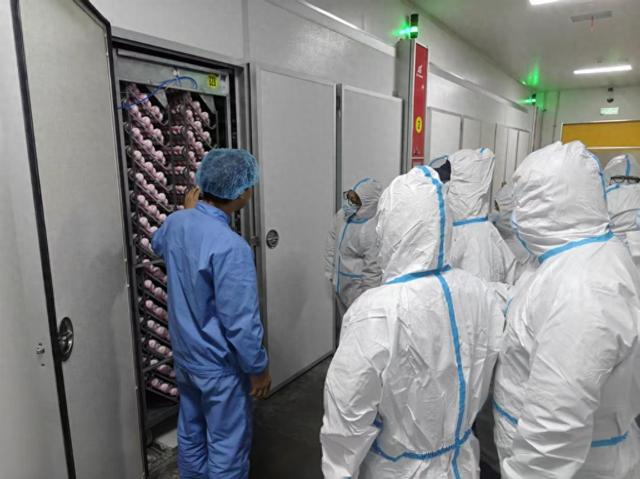
Core Insights - The research team from Sichuan Agricultural University conducted a field study in Yanting County to explore the internal logic and practical experiences of high-quality agricultural development [1][3] - The study aimed to clarify development fundamentals, explore innovative growth, and empower industrial upgrades through various methods such as site visits and discussions [1][3] Group 1: Agricultural Development Practices - Yanting County has developed a complete industrial chain for egg production, becoming the "number one county in the country for the egg chicken industry" by collaborating with Fengji Food Group [1][3] - The research team focused on issues such as standardized large-scale breeding, production operations, market expansion, deep processing technology of agricultural products, and models for extending the industrial chain [1][3] Group 2: Collaboration and Knowledge Sharing - The collaboration between Sichuan Agricultural University and Yanting County Agricultural and Rural Bureau aims to leverage academic expertise to systematically outline the development paths of order agriculture and the regional public brand "Lezhiwei" [3] - This partnership also serves to fulfill social responsibilities by providing a practical platform for talent cultivation and integrating theoretical research with local agricultural practices [3] Group 3: Modern Agricultural Goals - The "14th Five-Year Plan" emphasizes the modernization of agriculture and rural areas as crucial to China's overall modernization, advocating for the development of technological, green, quality, and brand agriculture [4] - The practices observed in Yanting County exemplify high-standard paradigms for modern agricultural development, enhancing the understanding of how theoretical knowledge can support local agricultural economic growth [4]
青海西宁:探寻高原草莓走红“密码”
Xin Hua She· 2026-01-20 03:30
Core Insights - The strawberry cultivation in Huangzhong District, Xining City, has transformed from traditional methods to modern techniques, significantly increasing production and income for local farmers [1][2][3] - The establishment of a cooperative and support from Jiangsu Province has facilitated the development of a specialized agricultural industry, enhancing the region's economic prospects [1][2] Group 1: Industry Development - Huangzhong District has become a key strawberry production area due to its favorable climate, with significant temperature variations and ample sunlight contributing to high-quality strawberries [1] - The area has expanded its strawberry cultivation through the establishment of a 2,000-acre agricultural demonstration zone and over 1,000 greenhouses, promoting the growth of the industry [1][2] - The total planting area for strawberries has reached approximately 1,170 acres, with an annual production of about 1,857 tons, and the entire industry chain's output value has exceeded 100 million yuan [3] Group 2: Technological Advancements - The introduction of expert guidance and modern agricultural techniques has improved the cultivation process, leading to higher yields and sales for local farmers [2] - A specialized virus-free seedling base has been established, producing over 5 million quality seedlings annually, ensuring a stable supply for year-round strawberry production [2] - The integration of technology in agriculture has been identified as a core support for enhancing the quality and efficiency of the strawberry industry in Xining [2]
叶兴庆:以脱贫攻坚创新成果促农业农村现代化
Jing Ji Ri Bao· 2026-01-20 00:02
Core Viewpoint - The article emphasizes the significant achievement of China in eradicating absolute poverty by the end of 2020, marking a milestone in the nation's development history, and outlines the importance of consolidating these gains during the transition period leading up to 2026 [1][2][3]. Summary by Sections Historical Significance and Global Value - The eradication of absolute poverty is a milestone event in the history of the Chinese nation, with the Communist Party of China leading efforts to improve living standards and social productivity [2]. - By the end of 2012, there were still 98.99 million rural poor, representing a poverty rate of 10.2%, which was a major shortcoming in achieving the first centenary goal [2]. Achievements in Poverty Alleviation - By the end of 2020, all 98.99 million rural poor were lifted out of poverty, with 832 impoverished counties removed from the poverty list and 128,000 impoverished villages eliminated [3]. - Since the start of the 14th Five-Year Plan, over 7 million individuals have been identified for assistance to prevent a return to poverty, with more than 30 million people from impoverished backgrounds maintaining stable employment [3]. Global Comparison - China's success in poverty alleviation contrasts sharply with the global situation, where the World Bank estimates that by 2024, around 692 million people will still live in extreme poverty [4]. - China achieved its poverty reduction goals ten years ahead of the UN's 2030 Sustainable Development Agenda, providing a model for global poverty alleviation efforts [4]. Practical Experience and Theoretical Framework - The success in poverty alleviation has led to the development of a unique Chinese theory on poverty reduction, which emphasizes narrowing urban-rural and regional development gaps [5]. - The approach includes a phased and targeted strategy, adapting to economic and social development patterns [6]. Investment Strategies - The strategy combines investments in infrastructure and human capital, with significant financial resources allocated to poverty alleviation, including nearly 1.6 trillion yuan in special funds [7]. - During the transition period, continued financial support and investment in education and health services are crucial for sustaining poverty alleviation efforts [8]. Ecological and Regional Development - The strategy also focuses on leveraging ecological resources in impoverished areas, promoting sustainable development through ecological compensation and resource utilization [9]. - The relocation of impoverished populations to more viable areas has been a key measure, with over 3.5 million people relocated to improve living conditions [10]. Future Directions for Agricultural Modernization - The article outlines the need for ongoing support for rural revitalization and agricultural modernization, emphasizing the importance of integrating poverty alleviation into broader rural development strategies [11][12]. - Continuous monitoring and targeted assistance are essential to prevent a return to poverty and ensure that previously impoverished areas keep pace with national development [13]. Enhancing Agricultural and Rural Development - The goal is to transform agriculture into a modern industry, improve rural living conditions, and ensure farmers' income stability, with a target to reduce the urban-rural income ratio to 2.34:1 by 2024 [14].
付伟:高质量推进乡村全面振兴
Jing Ji Ri Bao· 2026-01-20 00:02
"十四五"期间,我国乡村振兴取得了突出成效,为"十五五"时期扎实推进乡村全面振兴奠定了坚实基 础。乡村振兴是全面系统工程,是产业、人才、文化、生态、组织"五位一体"的全面振兴。乡村振兴也 是中国式现代化的重要内容,必须从全面建设社会主义现代化国家的角度统筹推进农业农村现代化进 程。 农业综合生产能力提质增效。"十四五"期间,耕地保护、要素保障、技术创新、产业发展等方面的投入 力度不断加大,我国农业综合生产能力得到了极大提升。农业的功能和价值日益多元,农业成为现代产 业体系的重要组成部分。随着人民群众生活水平的提高,食品消费已经从"吃饱"向"吃好、吃健康"转 型,在保障粮食安全的基础之上,农业需要进一步满足人民群众多元的食品消费需求。农业本身作为一 种生态景观,也发挥着保护生态环境、发展休闲旅游产业的作用,农业的生态、社会等其他功能得到进 一步发挥。近年来,各类人才、模式下乡带来的"运营下乡"推动新的产业发展方式不断出现,带动了乡 村休闲旅游等新业态的繁荣。技术革命也深刻地为农村发展提供了新的动能,农业的自动化、数字化水 平不断提升,农业日益成为链接多元产业主体的复杂产业链。"十五五"规划建议提出,把农业建成现 ...
高质量推进乡村全面振兴
Jing Ji Ri Bao· 2026-01-19 22:44
Group 1 - The core viewpoint of the article emphasizes the significant achievements in rural revitalization during the "14th Five-Year Plan" period, laying a solid foundation for the comprehensive revitalization of rural areas in the "15th Five-Year Plan" period [1] Group 2 - Agricultural comprehensive production capacity has significantly improved due to increased investments in land protection, resource assurance, technological innovation, and industrial development during the "14th Five-Year Plan" [2] - The agricultural sector is evolving to meet diverse consumer demands, transitioning from basic food security to providing high-quality and healthy food options [2] - The integration of technology in agriculture is enhancing automation and digitalization, making agriculture a complex industry linked to various sectors [2] Group 3 - The construction of livable and workable beautiful villages has seen effective results, with improved rural infrastructure and public services enhancing living conditions for residents [3] - The "15th Five-Year Plan" aims to ensure that rural areas meet modern living standards, addressing the historical shortcomings in rural infrastructure and public services [3] Group 4 - The effectiveness of policies supporting agriculture, rural areas, and farmers has been enhanced, creating a comprehensive support system covering food security, industrial prosperity, rural construction, and public services [4] - The policy framework emphasizes the need for tailored and precise measures based on local conditions, promoting a systematic approach to rural revitalization [4] Group 5 - The modernization of agriculture and rural areas is crucial for the overall progress of Chinese-style modernization, with the year 2026 marking the beginning of the "15th Five-Year Plan" [5] - There is a strategic focus on integrating rural revitalization within the broader context of new industrialization, information technology, and urbanization [5]
以脱贫攻坚创新成果促农业农村现代化
Jing Ji Ri Bao· 2026-01-19 22:42
Core Viewpoint - The article emphasizes the significant achievement of China in eradicating absolute poverty by the end of 2020, marking a milestone in the nation's development history, and outlines the importance of consolidating these gains during the transition period leading up to 2026 [1][2][3]. Summary by Sections Historical Significance and Global Value - The eradication of absolute poverty is a milestone event in the history of the Chinese nation, with the Communist Party of China leading efforts to improve living standards and social productivity [2]. - By the end of 2012, there were still 98.99 million rural poor, with a poverty rate of 10.2%, which was a major shortcoming in achieving the first centenary goal [2]. Achievements in Poverty Alleviation - By the end of 2020, all 98.99 million rural poor were lifted out of poverty, with 832 impoverished counties and 128,000 impoverished villages achieving significant progress [3]. - Since the start of the 14th Five-Year Plan, over 7 million individuals have been identified for assistance to prevent a return to poverty, with employment for the formerly impoverished remaining stable at over 30 million [3]. Comparison with Global Poverty Trends - China's success in poverty alleviation contrasts sharply with global trends, where the World Bank estimates that by 2024, approximately 692 million people will still live in extreme poverty [4]. - China achieved its poverty reduction goals ten years ahead of the UN's 2030 Sustainable Development Agenda, contributing significantly to global poverty alleviation efforts [4]. Practical Experiences and Strategies - The article outlines the importance of targeted, phased approaches to poverty alleviation, emphasizing the need for precise strategies and the integration of economic development with social welfare [5][6]. - Significant financial investments have been made, with nearly 1.6 trillion yuan allocated for poverty alleviation, including 660.1 billion yuan from the central government [7]. Investment in Infrastructure and Human Capital - Investments in both physical infrastructure and human capital are crucial for sustainable development in impoverished areas, with over 300,000 industrial bases established during the poverty alleviation campaign [8]. - Educational initiatives have led to the return of over 200,000 dropouts to school and provided vocational training for over 8 million graduates from impoverished families [8]. Ecological and Spatial Development - The article discusses the importance of ecological compensation and the development of ecological products in poverty alleviation, highlighting the need for sustainable practices in resource-rich but ecologically fragile areas [9]. - The relocation of over 9.6 million impoverished individuals to more viable living conditions has been a key strategy in improving living standards and promoting urbanization [10]. Future Directions for Agricultural Modernization - The transition to agricultural modernization is critical for national development, with a focus on enhancing agricultural productivity and rural living conditions during the 15th Five-Year Plan [11][12]. - Continuous support for formerly impoverished populations is essential to prevent regression into poverty, with a structured approach to monitoring and assistance [13]. Comprehensive Rural Development - The goal is to create a modern agricultural industry that meets diverse consumer demands while improving rural living conditions and increasing farmers' incomes [14]. - Strategies include enhancing agricultural production capabilities, improving rural infrastructure, and ensuring equitable income distribution between urban and rural residents [14].