多模态AI

Search documents
扎克伯格15亿美元挖不动的男人
3 6 Ke· 2025-08-04 05:40
智东西8月4日消息,据外媒《华尔街日报》近日报道,知情人士透露,与OpenAI前首席技术官米拉·穆拉蒂(Mira Murati)联合创办Thinking Machines Lab的安德鲁·塔洛克(Andrew Tulloch),拒绝了扎克伯格的可能高达15亿美元(约合人民币108.2亿元)的薪酬。 据报道,试图收购Thinking Machines Lab失败后,扎克伯格在随后数周内接触了该公司约十几名员工,最终成功带走0个人。 2011年,塔洛克在悉尼大学以一等荣誉毕业并获得数学专业大学奖章,2014年在剑桥大学获得数理统计学硕士学位,并在加州大学伯克利分校 攻读博士学位。 塔洛克从2012年就加入了Meta的FAIR(Fundamental AI Research,基础AI研究)团队,担任杰出工程师一职,专攻使用PyTorch的机器学习系 统。 2022年底,ChatGPT一炮而红。塔洛克最终离开了已经工作近10年的Meta,于2023年加入了OpenAI,负责机器学习系统以及GPT-4o和GPT-4的 预训练。 今年2月,他和米拉·穆拉蒂一起离开,参与创办了Thinking Machines。 《华尔街 ...



计算机行业周报:国内多模态AI应用全更新!物理AI产业化加速-20250803
Shenwan Hongyuan Securities· 2025-08-03 04:12
Investment Rating - The report maintains a "Positive" outlook on the computer industry, highlighting the acceleration of AI commercialization and the emergence of new investment opportunities [5]. Core Insights - The report emphasizes the significant advancements in multi-modal AI applications and the acceleration of physical AI commercialization, marking a pivotal moment for the next generation of AI [5]. - Key companies such as Kingsoft Office, MaiFushi, and Hikvision are noted for their strong performance and innovative AI-driven products, indicating robust growth potential in the sector [5][41][48]. Summary by Sections Multi-modal AI Applications - Figma's IPO has catalyzed increased attention on AI in design and multi-modal applications, with significant updates from companies like Wanjing Technology and Hongsoft Technology [5][6]. - Wanjing Technology's Tianmu Model 2.0 has shown substantial improvements in generating video and image content, while Hongsoft Technology is leveraging DeepSeek technology to enhance its market position [6][11]. Physical AI Commercialization - The report discusses the transition towards Physical AI, which is crucial for the development of autonomous robots and smart driving technologies [14][15]. - Nvidia's Omniverse and Cosmos platforms are highlighted as key enablers for generating high-quality data for training AI models, significantly impacting the robotics and smart driving sectors [15][28]. Key Company Updates - Kingsoft Office has launched WPS AI 3.0, which incorporates Agentic AI capabilities for enhanced document creation and task management [41]. - MaiFushi is rapidly commercializing its AI Agent products, particularly in the marketing sector, where AI models are being utilized for real-time optimization and decision-making [45][46]. - Hikvision reported a 12% year-on-year profit increase, driven by strategic shifts towards higher-margin businesses and effective cost management [48][50]. Investment Targets - The report identifies several key investment targets across various segments, including AIGC, digital economy leaders, and companies focused on data and AI computing power [5][58]. - Notable companies include Kingsoft Office, Hikvision, and Wanjing Technology, which are positioned to benefit from the ongoing digital transformation and AI integration in their respective fields [5][58].

特斯拉车祸,被判赔偿超 2 亿美元;传 OpenAI 将推 10 美元「亲民订阅」;影石刘靖康:祝贺同行大疆推全景相机
Sou Hu Cai Jing· 2025-08-03 00:07
Group 1 - Tesla has been ordered to pay approximately $243 million in damages for a fatal accident involving its Model S equipped with an autonomous driving system [1][3][4] - The compensation includes $129 million in compensatory damages, with Tesla held responsible for 33% of the liability, and $200 million in punitive damages [4] - CEO Elon Musk announced that Tesla will appeal the jury's decision [5] Group 2 - OpenAI is planning to launch a new subscription plan called "Go" for ChatGPT, targeting light users with a price potentially below $15, possibly as low as $10 [5][6] - The new plan aims to provide access to AI models without including advanced features, catering to users who only need basic functionalities [6] Group 3 - Meta's collaboration with Ray-Ban on smart glasses has seen sales increase by over 300% this year, with the third generation set to launch in October [6][8] - The new smart glasses will feature a monochrome display and a wristband-style controller, priced between $1,000 and $1,400 [8] Group 4 - Instagram has implemented a new rule requiring users to have at least 1,000 followers to go live, aiming to enhance the overall live streaming experience [9] - This change may impact smaller creators and casual users who previously had access to live streaming regardless of their follower count [9] Group 5 - The price of caregiver robots is expected to drop to around 50,000 yuan within five years, making them more accessible to ordinary families [10] - The demand for caregiver robots is driven by the aging population in China, with projections indicating that by the end of 2024, there will be 310 million people aged 60 and above [10] Group 6 - Brilliant Labs has launched a new smart glasses product called Halo, priced at $299, which features a microOLED display and AI capabilities for natural interaction [11] - The glasses are designed to provide contextual information and enhance user privacy through bone conduction speakers [11] Group 7 - The new XPeng P7 electric sedan will debut on August 6, featuring an industry-first flat illuminated logo and an adjustable electric rear wing [13] - The design aims to reflect a blend of technology and luxury, with a strong emphasis on aesthetics [13] Group 8 - DJI has released its first 8K 360-degree camera, the Osmo 360, starting at 2,999 yuan, marking its entry into the 360-degree camera market [15] - The CEO of影石 has expressed respect for DJI's capabilities and acknowledged the competitive landscape in the drone and camera sectors [15]



中胤时尚涨3.70%,成交额1.05亿元,今日主力净流入699.87万
Xin Lang Cai Jing· 2025-08-01 08:41
Core Viewpoint - The company, Zhejiang Zhongyin Fashion Co., Ltd., is experiencing growth in its stock performance and is benefiting from various market trends, including the three-child policy, virtual digital human technology, and the depreciation of the RMB [1][2][3]. Company Overview - Zhejiang Zhongyin Fashion Co., Ltd. was established on October 21, 2011, and went public on October 29, 2020. The company focuses on creative design, primarily in footwear design and supply chain integration services [7]. - The company's revenue composition includes 80.77% from supply chain integration, 10.62% from design services, 3.56% from brand operation, 1.95% from footwear production, 1.59% from cultural tourism services, and 1.51% from other businesses [7]. Financial Performance - As of the first quarter of 2025, the company achieved a revenue of 78.99 million yuan, representing a year-on-year growth of 4.96%. However, the net profit attributable to the parent company was a loss of 2.64 million yuan, a decrease of 10.13% year-on-year [7][8]. - The company has distributed a total of 83.33 million yuan in dividends since its A-share listing, with 59.33 million yuan distributed over the past three years [9]. Market Trends and Analysis - The stock price of Zhongyin Fashion increased by 3.70% on August 1, with a trading volume of 105 million yuan and a market capitalization of 4.238 billion yuan [1]. - The company is positioned within several concept sectors, including virtual digital humans, small-cap stocks, margin financing, NVIDIA concepts, and share buybacks [7]. - The company has a significant overseas revenue share of 83.07%, benefiting from the depreciation of the RMB [3]. Technical Analysis - The average trading cost of the stock is 15.35 yuan, with the stock price approaching a resistance level of 17.84 yuan. A breakthrough of this resistance could signal a potential upward trend [6].

韩国股市领跌亚太,日元、韩元对美元跌破关键点位
第一财经· 2025-08-01 06:57
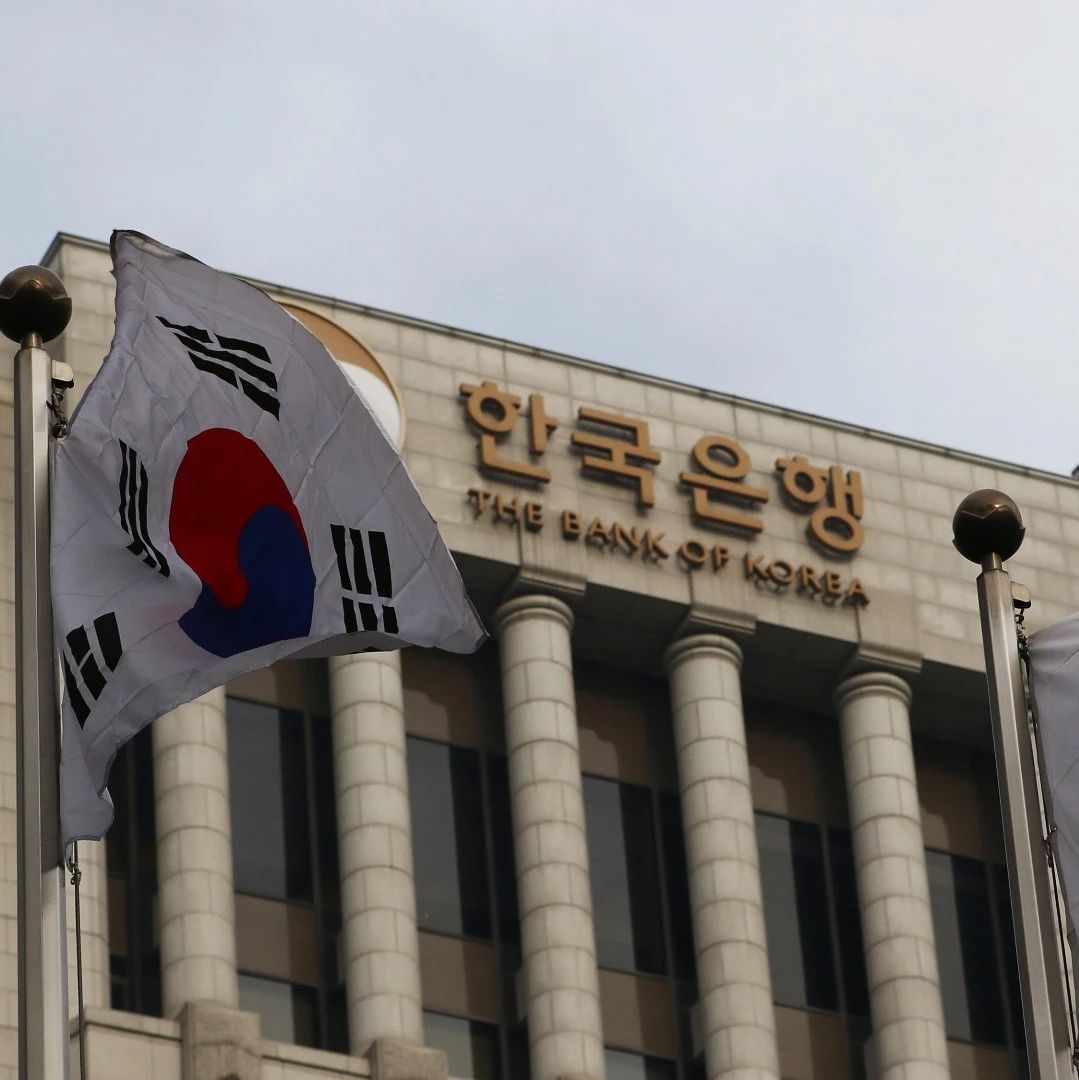
Core Viewpoint - The article discusses the impact of newly imposed tariffs by the U.S. on various countries, particularly focusing on the reactions of Asian markets and the implications for Japan and South Korea's economies [2][4][7]. Group 1: Market Reactions - Following the announcement of new tariffs ranging from 10% to 41%, major Asian stock indices opened lower, with the Nikkei 225 index dropping significantly [2]. - The MSCI Asia-Pacific index (excluding Japan) fell by 0.7%, marking a cumulative decline of 1.8% for the week [2]. - The South Korean stock market experienced a sharp decline, with the composite index dropping nearly 4% at one point, influenced by both the tariffs and proposed increases in capital gains tax [7]. Group 2: Japan's Economic Concerns - Japanese officials expressed concerns about the potential pressure on the economy due to U.S. tariffs, with the Finance Minister stating that the government will analyze the impact on Japanese industries [4]. - The Bank of Japan maintained its current interest rates but indicated the possibility of a rate hike later in the year, amid uncertainties from trade policies [5]. - Japan's exports are expected to be negatively affected by the new tariffs, which could lead to a slowdown in demand due to global economic conditions [5]. Group 3: South Korea's Tax Reforms - The South Korean government announced a comprehensive tax reform plan that includes raising corporate tax rates and expanding the capital gains tax, which is projected to increase annual tax revenue by approximately 59 billion USD over five years [7]. - This tax reform is seen as a move to stimulate investment and economic growth, but it may also burden companies already facing challenges from U.S. tariffs [7][9]. - The proposed changes could lead to significant stock sell-offs by major shareholders, potentially undermining the current bullish trend in the South Korean stock market [9].
多模态AI板块短线拉升 万兴科技、鼎捷数智涨超10%
Xin Lang Cai Jing· 2025-08-01 06:06
多模态AI板块短线拉升,万兴科技、鼎捷数智涨超10%,立方控股、易点天下、昆仑万维、当虹科技、 值得买等跟涨。 ...


韩国股市领跌亚太,日元、韩元对美元跌破关键点位!“关税大限”倒计时,全球市场怎么走
Di Yi Cai Jing· 2025-08-01 03:45
Group 1: Market Reactions to Tariffs - The countdown to the "tariff deadline" has impacted stock indices, with major US indices declining and Asian indices opening lower [1] - The Nikkei 225 index fell by 1%, while the Korean Composite Index dropped over 2%, reaching a near 4% decline at one point [1] - The MSCI Asia-Pacific index (excluding Japan) decreased by 0.7%, with a cumulative drop of 1.8% for the week [1] Group 2: Japan's Economic Concerns - Japanese officials expressed concerns about the potential pressure on the economy due to US tariffs, with Finance Minister Taro Aso stating the need for analysis [3] - The Bank of Japan maintained its current interest rates but indicated the possibility of a rate hike later in the year [3] - Japan's government is closely monitoring the impact of US tariffs on exports and overall economic performance [3] Group 3: India's Tariff Situation - The US government announced a 25% tariff on Indian goods starting August 1, prompting India's Commerce Minister to assert the country's commitment to protecting its national interests [4] Group 4: South Korea's Tax Reforms - South Korea's government plans to increase capital gains tax, contributing to a significant drop in the Korean stock market, with the Composite Index falling nearly 4% [5][6] - The proposed tax reforms aim to raise an additional 82 trillion won (approximately $59 billion) over five years, marking the largest increase in recent years [5][6] - The reforms are intended to shift towards a new growth model, but experts warn that increased corporate taxes may burden companies already facing tariff pressures [6] Group 5: Currency Movements - The US dollar is set to record its first monthly increase of the year, with the dollar index rising by 2.5% to its highest level in two months [7] - The yen has depreciated significantly, with the dollar rising to 150.76 yen, marking a 5% increase in July, the largest monthly gain since December 2024 [8] - The depreciation of the yen raises concerns about import inflation in Japan, potentially impacting consumer spending and prompting the Bank of Japan to consider earlier rate hikes [8]
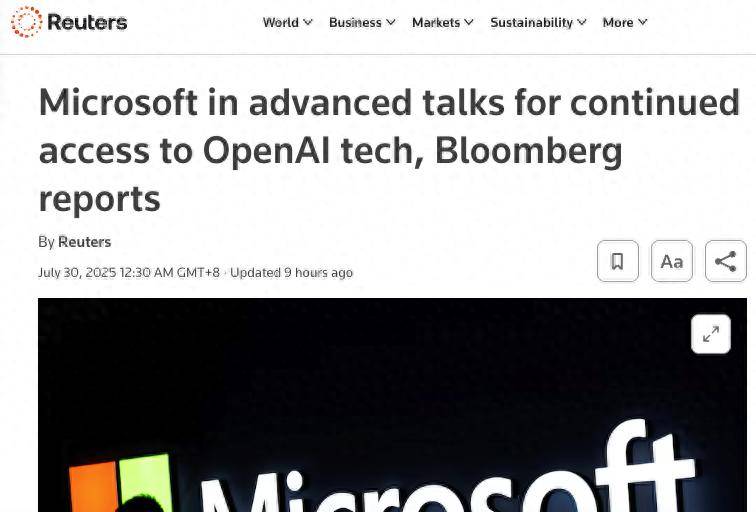
微软与OpenAI加速谈判 拟突破AGI限制条款
Sou Hu Cai Jing· 2025-07-31 07:43
Core Insights - Microsoft is in critical negotiations with OpenAI to reach a historic agreement that would allow Microsoft to continue using OpenAI's latest models and technologies even if OpenAI achieves its AGI goals [1][4] Group 1: Current Agreements and Implications - The original agreement signed in 2019 stipulates that Microsoft would lose access to OpenAI's subsequent technologies if OpenAI develops an AGI system capable of surpassing human performance in most economically valuable tasks [4] - This clause is intended to prevent the monopolization of AGI by a single commercial entity, but it has become a significant risk for Microsoft [4] Group 2: Financial Investments and Strategic Concerns - Microsoft has invested over $13.75 billion in OpenAI and has deeply integrated its technologies into core products such as Azure cloud services, Windows, Office, and GitHub Copilot [4] - If Microsoft loses access due to the AGI clause, it would face technological obsolescence, strategic disadvantages, and the risk of its substantial investments being rendered worthless [4] Group 3: Regulatory Scrutiny - Regulatory bodies in the EU and the US are conducting antitrust reviews of the collaboration between Microsoft and OpenAI, concerned about the potential formation of an AI technology monopoly [4] - If Microsoft expands its control during negotiations, it may trigger more stringent regulatory interventions [4]

8点1氪|演唱会偷情事件男主以侵犯隐私起诉Coldplay;日本政府对200多万人发出海啸避难指示;各地产假延长至158天及以上
3 6 Ke· 2025-07-31 00:02
Group 1: Company Developments - Xiwanda has submitted a listing application to the Hong Kong Stock Exchange, with Goldman Sachs and CITIC Securities as joint sponsors [1] - Starbucks CEO Brian Niccol mentioned that over 20 potential buyers have shown interest in acquiring the company's stake in the China market [3] - Starbucks reported third-quarter revenue of $9.5 billion, with same-store sales down 2%, and net profit of $558.3 million, significantly lower than expected [4][15] - Meta Platforms reported second-quarter revenue of $47.52 billion, a 22% year-over-year increase, with net profit of $18.337 billion, up 36% [13] - Adidas reported second-quarter revenue of €5.95 billion, a 2.2% year-over-year increase, with net profit of €369 million, up 94% [14] Group 2: Financial Performance - CATL achieved a net profit of 30.512 billion yuan in the first half of the year, a 33.02% year-over-year increase, with revenue of 178.886 billion yuan, up 7.27% [16] - Luckin Coffee reported second-quarter net revenue of 12.36 billion yuan, a 47% year-over-year increase, with net profit of 1.25 billion yuan, up 44% [16] - Prada's first-half net revenue reached €2.74 billion, an 8% year-over-year increase, with net profit of €386 million [17] - Airbus reported first-half revenue of €29.610 billion, with a net profit of €1.525 billion [17] Group 3: Market Trends - Ryanair announced it will cease operations at three French airports due to high ticket taxes imposed by the French government, which increased by 180% [6] - Mercedes-Benz warned of a significant decline in annual revenue due to tariffs affecting car and truck sales, with expectations of lower sales in 2025 compared to last year [10]



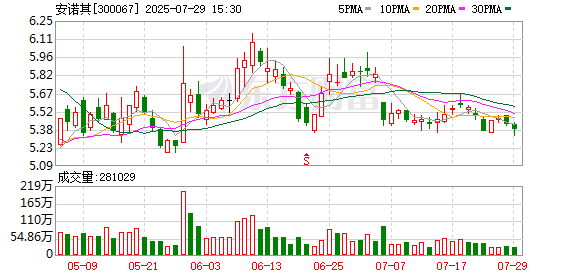
安诺其:“CatiMind”平台是以交付结果为核心的多模态AI创作平台
Mei Ri Jing Ji Xin Wen· 2025-07-29 15:24
Core Viewpoint - The company confirmed that its CatiMind model service platform is part of the multimodal AI sector, focusing on delivering results through a user-friendly interface that simplifies complex processes [2] Group 1 - The CatiMind platform is described as a multimodal AI creation platform that integrates image generation, video generation, and AI audio into a single workflow template [2] - The platform aims to reduce the learning curve and time consumption associated with traditional workflow setups [2]