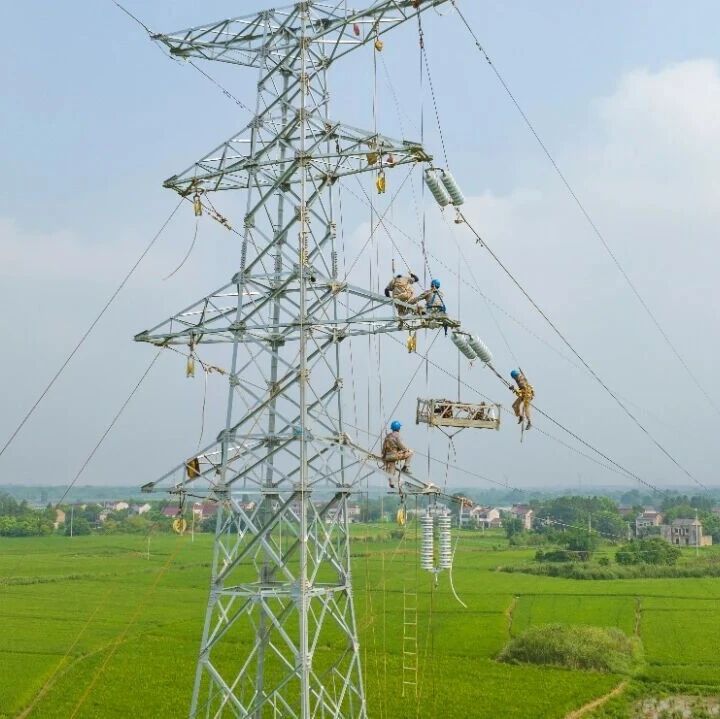
新能源消纳

Search documents
国家发展改革委 国家能源局关于促进新能源消纳和调控的指导意见
国家能源局· 2025-11-10 09:33
Overall Requirements - The guidance aims to establish a multi-level renewable energy consumption and regulation system by 2030, ensuring that new electricity demand is primarily met by renewable energy generation, with a significant enhancement in the adaptability of the new power system and its regulatory capabilities [4][5][6] Classification Guidance for Renewable Energy Development and Consumption - The strategy emphasizes the dual approach of promoting both the external delivery and local consumption of renewable energy from "sand, desert, and wasteland" bases, particularly in arid regions [5] - It advocates for the integrated development and consumption of hydropower, wind, and solar energy, optimizing the configuration of renewable energy based on the characteristics of hydropower [6] - The orderly development and consumption of offshore wind energy are encouraged, with a focus on optimizing the offshore transmission network [6] Promoting New Models and Innovative Development of Renewable Energy Consumption - The guidance supports the integrated development of renewable energy, particularly in resource-rich areas, and aims to establish a collaborative industrial system [7] - It encourages the transfer of high-energy-consuming industries to regions with abundant clean energy, promoting the use of renewable energy in traditional industries [7] - New business models for nearby consumption of renewable energy, such as integrated source-grid-load-storage systems, are to be developed [8] Enhancing the Adaptability of the New Power System to Renewable Energy - The plan includes accelerating the construction of hydropower stations and energy storage facilities to improve system regulation capabilities [9] - It aims to enhance the grid's capacity to accept renewable energy by optimizing the national power flow and expanding transmission channels [10] - A new power dispatching system will be established to clarify the regulatory relationships among various energy sources and improve intelligent control levels [11] Improving the National Unified Power Market System for Renewable Energy Consumption - The guidance proposes expanding a multi-level market system for renewable energy consumption, promoting flexible trading mechanisms [11] - It emphasizes the need for a market rule system that accommodates the characteristics of renewable energy generation and distribution [12] - Innovative pricing mechanisms for renewable energy transmission and consumption are to be established to enhance market responsiveness [12] Strengthening Technological Innovation Support for Renewable Energy Consumption - The focus is on advancing efficient renewable energy generation technologies and improving power prediction accuracy [13] - The development of flexible regulation technologies and large-capacity energy storage solutions is prioritized [14] - The application of advanced technologies such as AI and big data in grid management is encouraged to enhance dynamic sensing capabilities [14] Assurance Measures - The guidance calls for optimizing the management mechanism for renewable energy consumption, setting regional utilization targets, and ensuring coordinated development [15] - Clear responsibilities are outlined for various stakeholders, including energy authorities and grid companies, to ensure effective implementation of consumption measures [16] - A monitoring and regulatory framework will be established to track renewable energy utilization rates and ensure compliance with targets [16]


国家能源局有关负责同志就《关于促进新能源消纳和调控的指导意见》答记者问
国家能源局· 2025-11-10 09:33
Core Viewpoint - The article discusses the recent issuance of the "Guiding Opinions on Promoting the Consumption and Regulation of New Energy" by the National Development and Reform Commission and the National Energy Administration, highlighting the need for improved policies to manage the rapid growth of new energy sources in China and ensure their effective integration into the energy system [2][3]. Summary by Sections Background and Significance - The rapid growth and increasing share of new energy in China's energy mix have led to significant consumption pressures, necessitating a balance between development and consumption. The guiding opinions aim to enhance the capacity of the power system to accept, allocate, and regulate new energy, supporting carbon peak and national contribution goals [3]. Overall Arrangement for New Energy Consumption - The guiding opinions propose a systematic approach to enhance new energy consumption, with goals set for 2030 and 2035. By 2030, a multi-layered consumption regulation system will be established, ensuring that new energy meets the majority of new electricity demand. By 2035, a high-proportion new energy system will be in place, optimizing resource allocation and supporting national goals [4]. New Ideas and Measures - The guiding opinions introduce innovative measures, including categorizing new energy development and consumption into five types, promoting new consumption models and business formats, and enhancing the adaptability of the new power system to large-scale new energy development [5][6]. National Unified Electricity Market System - The focus is on improving the electricity market's adaptability to new energy characteristics, including expanding market mechanisms, shortening trading cycles, and establishing rules for various new energy sources to participate in the market [7]. Technological Innovation Support - Emphasis is placed on technological innovation to ensure efficient consumption of new energy, including advancements in power prediction accuracy, flexible regulation technologies, and the application of AI and big data in energy management [8]. Management of New Energy Consumption - The guiding opinions propose a shift from a single utilization rate indicator to a comprehensive evaluation system for new energy consumption, with a focus on establishing a monitoring and early warning mechanism for the entire cycle of planning, construction, grid connection, and consumption [9]. Implementation of the Guiding Opinions - The article outlines the responsibilities of various entities in implementing the guiding opinions, including the National Development and Reform Commission, provincial energy authorities, and power grid companies, ensuring that the measures are effectively executed [10].

两部门:挖掘新能源配建储能调节潜力,加快突破大容量长时储能技术
中关村储能产业技术联盟· 2025-11-10 09:07
Core Viewpoint - The article outlines the guidelines for promoting the consumption and regulation of renewable energy in China, aiming to establish a new power system that accommodates a high proportion of renewable energy by 2035, with a focus on enhancing system regulation capabilities and optimizing energy consumption mechanisms [5][6]. Group 1: Overall Requirements - The guidelines emphasize the need for a multi-layered renewable energy consumption and regulation system to be established by 2030, ensuring that new electricity demand is primarily met by renewable energy sources [6]. - By 2035, a new power system that supports high proportions of renewable energy will be fundamentally established, with a unified national electricity market playing a crucial role in resource allocation [6]. Group 2: Classification Guidance for Renewable Energy Development and Consumption - The guidelines advocate for the coordinated development of renewable energy bases in desert and arid regions, promoting both local consumption and external delivery [7]. - There is a focus on optimizing the integrated development of hydropower, wind, and solar energy, particularly in southwestern regions with large hydropower bases [8]. Group 3: New Models and Innovative Development for Renewable Energy Consumption - The guidelines encourage the development of new business models for renewable energy consumption, such as integrated source-grid-load-storage systems and smart microgrids [10]. - Support is provided for the integration of renewable energy with industrial development, particularly in high-energy-consuming industries transitioning to cleaner energy sources [9]. Group 4: Enhancing the Adaptability of the New Power System to Renewable Energy - The guidelines call for the acceleration of system regulation capabilities, including the construction of pumped storage power stations and the promotion of advanced storage technologies [11]. - There is an emphasis on improving the grid's capacity to accept renewable energy, including the development of a new grid platform that enhances collaboration between main and distribution networks [11]. Group 5: Improving the National Unified Electricity Market System for Renewable Energy Consumption - The guidelines propose expanding a multi-level market system for renewable energy consumption, allowing for flexible trading mechanisms and promoting long-term purchase agreements [14]. - There is a focus on establishing market rules that accommodate the unique characteristics of renewable energy generation and distribution [15]. Group 6: Strengthening Technological Innovation Support for Renewable Energy Consumption - The guidelines highlight the need for breakthroughs in efficient renewable energy generation technologies, including advancements in solar and wind power [16]. - Emphasis is placed on the development of intelligent control technologies that enhance the dynamic sensing capabilities of the grid [17]. Group 7: Assurance Measures - The guidelines stress the importance of optimizing management mechanisms for renewable energy consumption, including setting regional utilization targets and ensuring coordinated planning [18]. - Responsibilities are clearly defined among various stakeholders, including government agencies, grid companies, and power generation enterprises, to ensure effective implementation of renewable energy consumption strategies [19].
两部门:到2035年 适配高比例新能源的新型电力系统基本建成
智通财经网· 2025-11-10 08:33
Core Viewpoint - The National Development and Reform Commission and the National Energy Administration have released guidelines to promote the consumption and regulation of renewable energy, aiming to establish a multi-level renewable energy consumption regulation system by 2030 and a new power system adaptable to high proportions of renewable energy by 2035 [1][4]. Group 1: Overall Requirements - By 2030, a collaborative and efficient multi-level renewable energy consumption regulation system is expected to be established, ensuring the smooth integration, diverse utilization, and efficient operation of renewable energy [4]. - The guidelines aim to meet the annual demand for the reasonable consumption of over 200 million kilowatts of new energy, supporting the achievement of carbon peak goals [4]. Group 2: Classification Guidance for Renewable Energy Development and Consumption - The guidelines emphasize the need to coordinate the external delivery and local consumption of renewable energy from "desert, Gobi, and wasteland" bases, enhancing the economic viability of these bases [5]. - It encourages optimizing the integrated development and consumption of hydropower, wind, and solar energy, particularly in the southwestern regions [6]. Group 3: Promoting New Models and Innovative Development of Renewable Energy Consumption - The guidelines advocate for the development of new business models for local consumption of renewable energy, including integrated source-grid-load-storage systems and smart microgrids [8]. - It supports the integration of renewable energy with industrial development, particularly in regions rich in renewable resources [7]. Group 4: Enhancing the Adaptability of the New Power System to Renewable Energy - The guidelines call for improving system regulation capabilities, including the construction of pumped storage power stations and the promotion of advanced storage technologies [9]. - It emphasizes the need to enhance the grid's capacity to accept renewable energy, optimizing the national power flow and expanding the range of renewable resource allocation [10]. Group 5: Improving the National Unified Power Market System for Renewable Energy Consumption - The guidelines propose expanding a multi-level market system for renewable energy consumption, promoting flexible and continuous trading mechanisms [12]. - It encourages the establishment of market rules that accommodate the characteristics of renewable energy generation and distribution [13]. Group 6: Strengthening Technological Innovation Support for Renewable Energy Consumption - The guidelines highlight the importance of advancing technologies for efficient renewable energy generation and flexible regulation systems [14]. - It promotes the application of advanced technologies such as artificial intelligence and big data in the coordination of microgrids [15]. Group 7: Safeguard Measures - The guidelines stress the need for optimizing the management mechanism for renewable energy consumption, setting regional utilization rate targets, and ensuring comprehensive implementation of consumption measures [16]. - It outlines the responsibilities of various stakeholders, including the National Development and Reform Commission, provincial energy departments, and grid enterprises, in ensuring the effective consumption of renewable energy [17].
两部门:落实可再生能源消费最低比重目标要求 加快建立强制消费与自愿消费相结合的绿证消费机制
2 1 Shi Ji Jing Ji Bao Dao· 2025-11-10 08:21
南方财经11月10日电,国家发展改革委、国家能源局发布促进新能源消纳和调控的指导意见。其中提 到,优化新能源消纳管理机制。强化规划指导作用,在五年电力发展规划中分档设置不同地区新能源利 用率目标,科学统筹新能源发展与消纳,协同推进新能源规划布局及配套电网、调节能力建设。完善新 能源消纳评估方法,推动新能源消纳评估逐步由单一新能源利用率指标向综合评价指标体系转变。各省 级能源主管部门科学开展本地区年度新能源利用率目标制定及未来3年展望工作,明确年度新能源开发 与消纳方案。根据新能源利用率目标和可再生能源电力消纳责任权重目标,统筹确定年度并网新能源 (含分布式新能源)新增开发规模。落实可再生能源消费最低比重目标要求,加快建立强制消费与自愿 消费相结合的绿证消费机制,进一步压实可再生能源电力消纳责任。 ...
南网储能2025年三季度业绩说明会问答实录
Quan Jing Wang· 2025-11-10 01:07
Core Viewpoint - The company held a successful Q3 2025 earnings presentation, engaging with investors and addressing 17 questions with a 100% response rate, indicating strong investor relations and transparency [1] Group 1: Company Strategy and Operations - The company is currently constructing 10 pumped storage power stations with a total installed capacity of 12 million kilowatts, expected to be operational by the 14th Five-Year Plan or early in the 15th Five-Year Plan [4] - The company is focusing on both pumped storage and new energy storage projects to diversify its business and enhance funding for its main operations [2][3] - The company has invested in three pumped storage projects in Inner Mongolia, indicating a strategic focus on regions with significant renewable energy resources [5] Group 2: Market Position and Competitive Advantage - Pumped storage is recognized as the most mature and widely used long-duration energy storage solution, with the lowest lifecycle costs, making it essential for large-scale grid regulation [3] - The company aims to optimize project site selection, control project costs, and improve operational efficiency to enhance the competitiveness of its pumped storage business [9] - The company is actively monitoring market conditions and adjusting its pricing strategies for energy storage to remain competitive amid increasing market dynamics [6][9] Group 3: Financial Performance and Projections - The pumped storage business accounted for 62.14% of the company's revenue in the first three quarters, highlighting its significance as a primary income source [4] - The company is tracking the performance of its projects, including the profitability of the Shenzhen pumped storage station, which is reported to be operating well [7] - The company has not disclosed specific financial impacts from the upcoming projects but emphasizes that future earnings will depend on government-approved capacity pricing and market conditions [12]

江苏首个区域分散建设电网侧储能电站并网运行
Xin Hua She· 2025-11-07 13:23
据悉,该储能电站创新采用"汇集站+子站"的通信架构,选取其中一座储能电站作为母站,其余储 能子站通过内部组网实现数据互联。与传统储能电站相比,可降低一次性建设成本超1000万元。 新华社南京11月7日电(记者陈圣炜)江苏宿迁中和东线新能源49.8兆瓦电网侧储能电站11月7日并 网运行,该电站为江苏省首个区域分散建设电网侧储能项目。 近年来,以风、光为代表的新能源在江苏发展迅猛,部分地区面临新能源消纳能力不足问题,影响 电网稳定运行。以宿迁市为例,截至今年10月底,全市新能源装机容量超665.2万千瓦,占全市电源装 机总量约八成。 此次投运的储能电站建在宿迁市泗阳县4座退役变电站内,这一"变废为宝"的举措,可破解集中式 储能站难以灵活消纳分布式光伏发电的难题,提升整体就地消纳水平。 "该储能电站预计每年充放电量将超4000万度电,年可减排二氧化碳约5万吨,节约标煤消费约1.6 万吨。"国网泗阳县供电公司发展建设部主任贺国梁说。 ...
内蒙古鄂尔多斯:巨型“充电宝”即将并网投运
Ren Min Wang· 2025-11-05 02:15
Core Viewpoint - The project in the Kubuqi Desert, Inner Mongolia, is a significant investment in renewable energy, combining various storage technologies to enhance clean energy supply and balance electricity demand [1] Project Overview - The 3GW/12.8GWh energy storage project is set to begin construction in June 2025 [1] - The project will cover an area of approximately 1,100 acres and has a total investment of 11.2 billion yuan [1] - It aims to deliver 3.6 billion kilowatt-hours of clean energy to the grid annually [1] Technological Innovation - The project integrates multiple technological routes, including lithium iron phosphate, molten salt storage, and all-vanadium flow batteries [1] - This innovative approach is expected to play a crucial role in supporting the new power system dominated by renewable energy [1] Impact on Local Energy System - Upon completion by the end of this year, the project will contribute to the establishment of a new power system in the region, primarily based on renewable energy [1] - It will significantly enhance energy storage capabilities, facilitating the absorption of renewable energy and balancing electricity supply [1]

甘肃电力现货市场交出亮眼周年“成绩单”
Ke Ji Ri Bao· 2025-11-02 23:46
Core Insights - Gansu's electricity spot market has been operational for one year, significantly impacting power supply security, renewable energy consumption, and resource optimization, providing a replicable solution for high renewable energy scenarios and supporting the national unified electricity market construction [1][2]. Group 1: Market Overview - The electricity spot market operates on a trading mechanism based on medium- and long-term market transactions, focusing on day-ahead, intraday, and real-time electricity trading, and is a crucial part of the national unified electricity market [2][3]. - As of August 2023, Gansu has 563 generating entities with a total installed capacity of 74 million kilowatts participating in the spot market, and 454 user-side participants with an average monthly electricity consumption of nearly 5 billion kilowatt-hours, accounting for 60% of market-based electricity consumption [2]. Group 2: Market Characteristics - The Gansu electricity spot market has five key characteristics: improved market structure, stable and efficient operation, significant supply and consumption results, activated market participant vitality, and continuous optimization demonstrating its exemplary value [3]. - Gansu has the longest continuous settlement operation time in the national electricity spot market, accumulating rich experience in market mechanisms, rules, technical solutions, operational parameters, and risk control indicators since the trial operation began in May 2021 [3]. Group 3: Renewable Energy Integration - Gansu's renewable energy installed capacity exceeds 65% of the total grid capacity, and the spot market effectively enhances renewable energy consumption, promoting a green and low-carbon energy transition [4]. - During peak solar generation hours, coal-fired power plants reduce their output to 33% of rated capacity to accommodate renewable energy, while user load curves have adapted to better fit renewable generation characteristics, leading to lower electricity prices for users [4]. Group 4: Market Mechanism Innovation - Gansu is a pioneer in implementing a "quote and quantity" model for renewable energy, allowing renewable energy companies to participate in the spot market, transitioning from a policy-driven to a market-driven approach [5]. - Since 2021, 325 renewable energy companies in Gansu have completed the "quote and quantity" functionality, with 680 billion kilowatt-hours of self-reported electricity in 2024, representing 84.4% of total renewable generation, and an accuracy rate of 92.3%, an increase of 8.7 percentage points from 2023 [5]. Group 5: Future Developments - Gansu plans to enhance market operation monitoring, improve operational rule systems, and increase compliance levels to ensure the continued optimization and efficient operation of the electricity spot market [6]. - The province aims to provide replicable provincial market construction solutions to contribute to the national unified electricity market system [6].
媒体报道︱全国多地为何出现负电价?国家能源局作出回应→
国家能源局· 2025-11-02 05:32
Core Viewpoint - The article discusses the phenomenon of negative electricity prices in China's power market, highlighting its increasing frequency and implications for both consumers and power producers [2][5][11]. Group 1: Understanding Negative Electricity Prices - Negative electricity prices occur when the market clearing price for electricity falls below zero, indicating an oversupply of electricity [2]. - Recent instances of negative prices have been observed in regions such as Sichuan, Shandong, and Inner Mongolia, with Sichuan experiencing a peak negative price of -34.8787 yuan per megawatt-hour [2][5]. - The rise in negative prices is attributed to the rapid growth of renewable energy sources like wind and solar, which have low operational costs, leading to aggressive bidding in the market [4][5]. Group 2: Market Dynamics and Impacts - The current electricity market in China is characterized by a significant increase in supply from renewable sources, with hydropower in Sichuan seeing a 34.7% year-on-year increase in output [4]. - In contrast, electricity demand has decreased, with a reported 18.1% year-on-year drop in net electricity supply in September, leading to the emergence of negative prices [4]. - Experts indicate that negative prices reflect a temporary imbalance in supply and demand, and while they may seem alarming, they serve as a signal for market adjustments and investments in energy storage and demand response [8][11]. Group 3: Implications for Consumers and Producers - Despite negative prices, consumers, particularly industrial users, will not receive free electricity, as their costs include additional charges beyond the market price [7]. - Power producers are not necessarily losing money due to negative prices, as long-term contracts and government subsidies help stabilize their revenues [7][11]. - The article emphasizes that negative prices should be viewed as a market signal that can drive improvements in energy system efficiency and renewable energy integration [8][11].