
稀土出口管制

Search documents
商务部密集回应!涉中美会谈、稀土出口管制、稳外贸政策等
Shang Wu Bu Wang Zhan· 2025-10-16 12:09
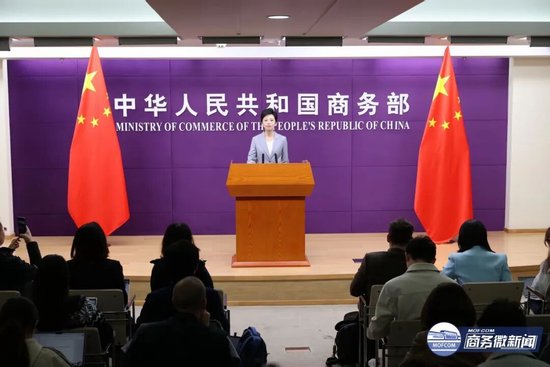
Core Points - The Ministry of Commerce held a routine press conference on October 16, 2025, with no new information announced [1][3] - The Ministry emphasized the positive growth in service consumption during the National Day holiday, with a 7.6% year-on-year increase in daily sales revenue in related industries [6] - The Ministry plans to focus on three areas to further promote service consumption: cultivating new growth points, innovating diverse consumption scenarios, and optimizing service supply [6][7] Trade and Foreign Relations - China's foreign trade maintained stable growth in the first three quarters of the year, with a 4% increase in goods trade and an 8% growth in September [10] - The Ministry highlighted the importance of policy effectiveness, trade promotion, and deepening trade cooperation to stabilize foreign trade growth [10][11] - The Ministry expressed strong opposition to the Netherlands' interference in the operations of Nexperia, a subsidiary of Wingtech Technology, and criticized the U.S. for its "penetration rules" that harm Chinese enterprises [9][10] Semiconductor and Export Controls - The Ministry commented on the U.S. Inflation Reduction Act, stating that the termination of subsidies for electric vehicles was a step towards correcting previous errors [13][14] - The Ministry defended its recent export control measures on rare earths, emphasizing that they are lawful and aimed at preventing illegal use while maintaining national security [23][25] - The Ministry indicated that export applications for civilian use would be approved, and it is considering measures to facilitate compliance for European companies [25]

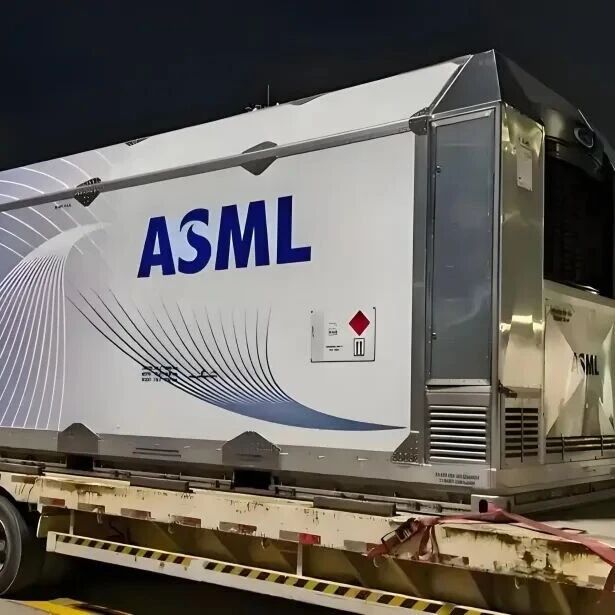
ASML:不担心中国管制稀土!
国芯网· 2025-10-16 11:57
Group 1 - The article discusses the impact of geopolitical tensions on ASML, particularly regarding rare earth export controls that affect its supply chain [2] - ASML's CFO stated that the company is well-prepared for China's export control measures on rare earth elements, ensuring sufficient raw material inventory to meet short-term customer demands [2] - In Q3 2025, ASML reported net sales of €7.52 billion, a slight decline of 2.28% from the previous quarter, and net profit of €2.1 billion, down approximately 6.81% but better than market expectations [4] Group 2 - The total order amount for ASML in the quarter reached €5.4 billion, with €3.6 billion attributed to core extreme ultraviolet (EUV) lithography machine orders [4] - Net system sales amounted to €5.554 billion, with ArFi system sales accounting for 52% and EUV system sales for 38% [4]

美财长称若中国停止实施稀土出口管制计划,美或许将延长对华加征关税的三个月豁免期限,外交部回应
Huan Qiu Wang· 2025-10-16 11:54
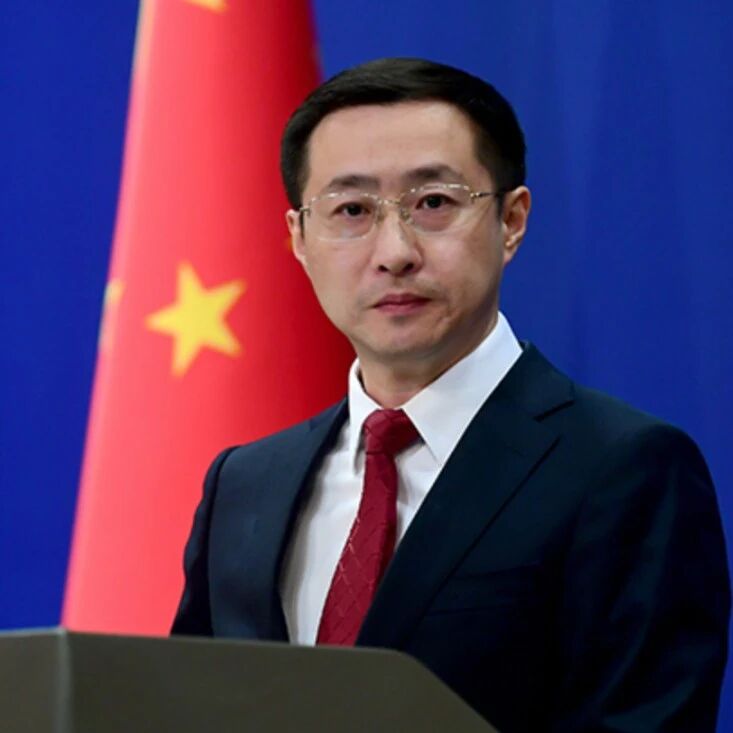
【环球网报道】10月16日,外交部发言人林剑主持例行记者会。 林剑:我们已多次阐明在稀土出口管制和中美经贸问题上的立场。 阿拉比电视网记者:美国财长表示,如果中国停止实施严格的稀土出口管制计划,美国或许将延长对华 加征关税的三个月豁免期限,并表示美国总统特朗普准备在不久的将来与中国领导人会晤。中方对此有 何评论? ...
商务部回应稀土出口管制措施:是完善自身出口管制体系的正常行为
Xin Hua Cai Jing· 2025-10-16 10:11
新华财经北京10月16日电(记者丁雅雯)10月16日下午,商务部举行例行新闻发布会。商务部新闻发言 人何咏前在回答媒体提问时表示,稀土等相关物项具有明显的军民两用属性,中方依法对相关物项实施 出口管制,是完善自身出口管制体系,维护国家安全和利益,履行防扩散等国际义务的正当做法。此次 出台的稀土出口管制措施是中国政府依法依规完善自身出口管制体系的正常行为,并非针对特定国家和 地区,只要是用于民用用途的、合规的出口申请,都可以获得批准。 关于媒体问到的是否考虑安排绿色通道进行审批问题,何咏前表示,中方将在措施实施的过程中,不断 优化许可流程,缩短审核时间,积极考虑适用通用许可、许可豁免等便利化措施,有效促进合规贸易。 (文章来源:新华财经) ...
美财长称中国稀土出口管制是“对抗世界”,外交部:中方出口管制措施目的是更好地维护世界和平
Bei Jing Qing Nian Bao· 2025-10-16 08:58
林剑表示,中方的主管部门和我们已经多次阐述了关于稀土出口管制政策的有关立场。中方出台的出口 管制措施符合国际的通行做法,目的是更好地维护世界和平与地区稳定。 文 | 北京青年报记者 熊颖琪 北京青年报2025-10-16 15:46:52 10月16日,外交部发言人林剑主持例行记者会。 有记者提问,昨日,美国财政部长贝森特声称中国对稀土的出口管制是"中国对抗世界"。他呼吁美国盟 友采取行动,共同努力尽快降低对中国的依赖,并实现供应链的多元化,摆脱对中国的依赖。请问外交 部对此有何评论? 编辑 | 杜小溪 杨家瑞 ...

中方回应日方对中国稀土限制担忧
Bei Jing Wan Bao· 2025-10-16 08:58
【#中方回应日方对中国稀土限制担忧#】#中方愿同各国加强出口管制对话#10月16日,外交部发言人林 剑主持例行记者会。法新社记者提问,日本财政大臣今日表示,日本对上周中国对稀土实施的出口限制 措施"深感担忧",并称七国集团应当携手共同应对这一问题。外交部对该言论有何回应呢?林剑表示, 我们已经就稀土出口管制政策多次阐明了立场,中方依法对相关物项实施出口管制,目的是更好地维护 世界和平与地区稳定,履行防扩散等国际义务,这也符合国际惯例。"我们愿同各国加强出口管制的对 话交流,维护全球产供链的安全稳定。"林剑说。 (@北京日报 记者 李治宏) ...
外交部表态!
券商中国· 2025-10-16 08:21
Group 1 - The Chinese government maintains that its energy cooperation with Russia and other countries is legitimate and opposes unilateral sanctions imposed by the U.S. [2] - China's export control measures on rare earths are in line with international practices and aim to maintain global peace and regional stability [3] - The meeting between Chinese Foreign Minister Wang Yi and Spanish Foreign Minister Alvarez was constructive, aiming to enhance China-Spain relations and cooperation [4] Group 2 - China expresses strong dissatisfaction with the UK's unilateral sanctions against Chinese companies, asserting that normal business interactions should not be disrupted [5] - The Chinese government categorically denies allegations of systematic cyber intrusions into the UK government and calls for an end to such political manipulation [6]
美财长批评中国稀土出口管制措施 中方回应
Zhong Guo Xin Wen Wang· 2025-10-16 08:09
Core Viewpoint - The Chinese government defends its rare earth export control measures as compliant with international practices, aimed at maintaining global peace and regional stability, and fulfilling non-proliferation obligations [1] Group 1: China's Position on Rare Earth Export Controls - The Chinese Ministry of Foreign Affairs has reiterated its stance on rare earth export control policies, stating that these measures are in line with international norms [1] - The purpose of the export control measures is to better safeguard world peace and regional stability [1] - China emphasizes its commitment to fulfilling international obligations related to non-proliferation [1] Group 2: Response to U.S. Criticism - The remarks from U.S. Treasury Secretary Yellen criticizing China's export controls as "China's confrontation with the world" have prompted questions from the media [1] - China views the criticism as part of a broader narrative of "decoupling" from China, which it contests [1]
外交部:中方出台稀土出口管制措施符合国际通行做法
Yang Shi Xin Wen Ke Hu Duan· 2025-10-16 08:09
Core Viewpoint - The Chinese government has implemented export control measures on rare earths, which are in line with international practices and aim to maintain world peace and regional stability while fulfilling international obligations related to non-proliferation [1] Group 1 - The Chinese Ministry of Foreign Affairs has reiterated its stance on the rare earth export control policy multiple times [1] - The purpose of the export control measures is to better safeguard global peace and regional stability [1] - The measures are also intended to fulfill international obligations regarding non-proliferation [1]
美财长称中国稀土出口管制是“对抗世界” 外交部回应
Ge Long Hui A P P· 2025-10-16 07:54
格隆汇10月16日丨据北京日报,外交部发言人林剑主持例行记者会。法新社记者提问,昨日,美国财政 部长贝森特声称中国对稀土的出口管制是"中国对抗世界"。他呼吁美国盟友采取行动,共同努力尽快降 低对中国的依赖,并实现供应链的多元化,摆脱对中国的依赖。请问外交部对此有何评论?林剑表示, 中方的主管部门和我们已经多次阐述了关于稀土出口管制政策的有关立场。中方出台的出口管制措施符 合国际的通行做法,目的是更好地维护世界和平与地区稳定。 ...