
绿水青山就是金山银山

Search documents
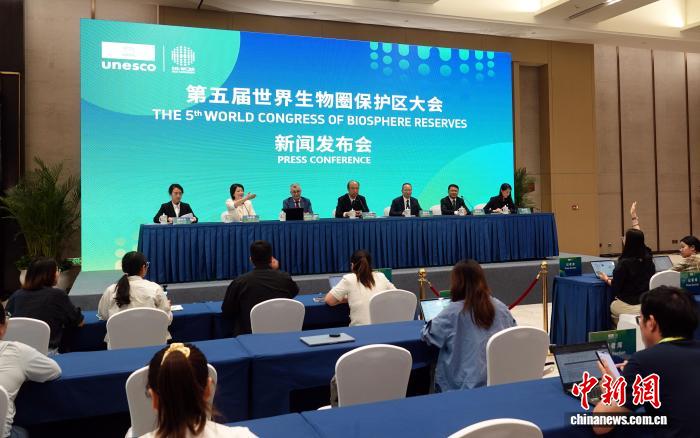
中国科学院:未来10年每个省区市都有至少一个世界生物圈保护区
Zhong Guo Xin Wen Wang· 2025-09-26 07:24
Core Viewpoint - The Chinese Academy of Sciences aims to establish at least one World Biosphere Reserve in every province, autonomous region, and municipality in China over the next decade [1][2]. Group 1: Strategic Goals - The Chinese Academy of Sciences, as the chair unit of the Chinese Man and the Biosphere National Committee, will implement the "Hangzhou Strategic Action Plan (2026-2035)" focusing on four areas: accelerating the application for biosphere reserves, enhancing technological support for management, strengthening capacity building and talent training, and promoting international cooperation [2][3]. - Currently, China has 34 World Biosphere Reserves across 20 provinces and aims to eliminate gaps in this area by ensuring every province, autonomous region, and municipality has at least one reserve [2]. Group 2: Technological Integration - The management of biosphere reserves will leverage various technologies, including satellite remote sensing, infrared imaging, acoustic monitoring, environmental DNA, and drones, to enhance scientific management and decision-making [3][5]. - The integration of big data and artificial intelligence will be prioritized to optimize monitoring and research platforms, improving the overall management of biosphere reserves [3]. Group 3: International Collaboration - The initiative will actively participate in building regional and thematic networks, focusing on less-studied ecosystems like oases and marine environments, to foster experience sharing, collaborative research, and technology exchange [3][5]. - The goal is to support global environmental governance and address common challenges in sustainable development through international partnerships [3]. Group 4: Sustainable Development Practices - The Chinese biosphere reserves emphasize the dual goals of protection and development, with a focus on enhancing community income while preserving ecosystems [5][6]. - The concept of "Green mountains and clear waters are as valuable as mountains of gold and silver" is highlighted as a core principle guiding the sustainable development of biosphere reserves [5].

“菏”以青绿!第20届中国林交会谱写林业新篇章
Xin Lang Cai Jing· 2025-09-25 09:24
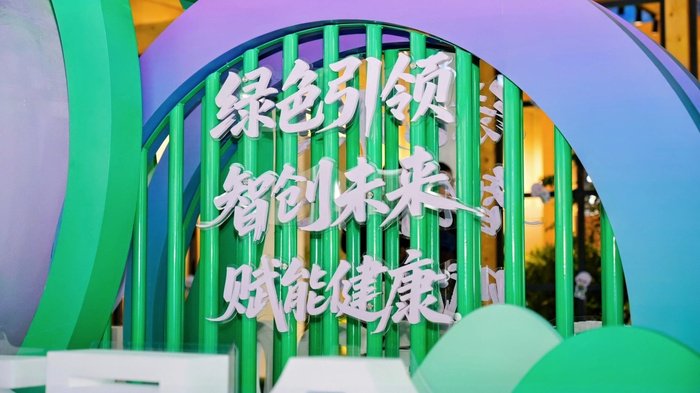
Core Insights - The 20th China Timber Products Trade Fair was held in Heze, marking a significant milestone in the development of the forestry industry in China [1][3][9] - The event showcased the transformation of the forestry industry towards high-end, intelligent, and green development, aligning with the national strategy of sustainable growth [5][9][10] Industry Overview - Heze has become a major hub for the timber processing industry, with 12.6 million acres of forest area and over 28 million cubic meters of timber stock [5][11] - The city hosts 7,716 timber processing enterprises, contributing to a forestry output value exceeding 100 billion yuan [5][11] - The trade fair has established itself as the largest and most influential event in China's forestry sector since its inception in 2004 [3][5] Event Highlights - The theme of this year's fair was "Green Leading, Intelligent Creating, Empowering Health," featuring four main exhibition areas focused on various aspects of the timber processing industry [5][10] - The fair introduced six innovative measures to enhance its effectiveness, including a three-dimensional招商体系 (investment attraction system) and an optimized online platform for real-time transactions [7][10] - The event attracted over 12,690 professional visitors and achieved an intended transaction volume of 3.819 billion yuan [14] Market Trends - The fair highlighted the growing trend of diversification in the forestry industry, with a focus on niche markets such as pet products and health-oriented materials [5][10] - The introduction of eco-friendly products, including low-carbon building materials and biodegradable adhesives, reflects the industry's commitment to sustainability [9][10] Regional Development - Heze has evolved from a traditional timber industry base to a national-level "global wood industry highland," showcasing a complete industrial chain and significant cluster effects [11][13] - The county of Cao County has become one of the largest panel processing bases in the country, with a total output value of 59.42 billion yuan projected for 2024 [13][14] - The integration of technology and policy support has facilitated the transformation of the forestry industry in Heze, enhancing both quantity and quality [11][13]
浙江省高质量发展基层行智库实践活动在安吉举行
Xin Hua Wang· 2025-09-25 01:53
Core Viewpoint - The event highlights the implementation of the "Green Mountains and Clear Water are as Valuable as Mountains of Gold and Silver" concept in Zhejiang, showcasing its impact on high-quality development in rural areas [1] Group 1: Event Overview - The Zhejiang Provincial High-Quality Development Grassroots Action (2025) Think Tank Practice Activity was held in Anji, guided by the Provincial Propaganda Department and organized by various local institutions [1] - The event produced several think tank outcomes, including reports on the logic of the "Green Mountains and Clear Water" concept and its role in modernizing rural areas [1] Group 2: Key Achievements - Notable cases selected include initiatives from Anji County aimed at promoting youth development and rural revitalization, as well as projects from Zhejiang Energy and Luhong Technology focusing on environmental standards and green manufacturing [1] - Representatives from selected cases shared their experiences and practices, emphasizing the transformative effects of the "Green Mountains and Clear Water" concept on rural communities [1]
2025全球滨海论坛在盐城开幕杨震出席开幕式并致辞 信长星关志鸥诺里斯·卡尔米特李金华致辞许昆林主持
Xin Hua Ri Bao· 2025-09-24 23:17
Core Viewpoint - The 2025 Global Coastal Forum emphasizes the importance of ecological protection and sustainable development in coastal areas, guided by the "Two Mountains" concept proposed by President Xi Jinping, which aims to harmonize development and environmental conservation [1][2]. Group 1: Forum Highlights - The forum was attended by key officials including Yang Zhen, Vice Chairman of the National Committee of the Chinese People's Political Consultative Conference, and various ministers from China and Vanuatu, highlighting international cooperation in coastal resource management [1][2]. - The theme of the forum is "Beautiful Coast: Ecological Priority and Green Development," focusing on enhancing ecological protection and promoting green transformation in coastal regions [3]. Group 2: Initiatives and Agreements - The forum released the "Global Coastal Ecosystem Status Report" and the "International Case Collection on Coastal Ecological Disaster Reduction," showcasing collaborative efforts in ecological governance [3]. - New partnerships were formed during the forum, with agreements signed to enhance cooperation in sustainable coastal development [3]. Group 3: Future Directions - Jiangsu Province aims to strengthen ecological barriers and develop marine new productive forces, promoting a closer relationship between people and the ocean [2]. - The forum seeks to build a global consensus on harmonious coexistence between humans and nature, fostering open cooperation and mutual benefits in coastal ecological civilization [2].
青春华章|循水而行,书写高质量发展绿色答卷
Huan Qiu Wang· 2025-09-24 07:24
Group 1 - The core theme of the news is the importance of water management in ecological restoration and sustainable development, highlighting the role of youth in these efforts [1][3] - The "Golden Lake Plan" in Changdang Lake serves as a model for ecological recovery, showcasing a comprehensive approach to water governance that includes pollution control and biodiversity restoration [1][2] - The transformation of industrial areas into ecological parks, such as the Yangtze River Ecological Park, illustrates the shift from industrial to ecological landscapes, promoting a new economic model [2] Group 2 - The initiative emphasizes the integration of ecological benefits into economic development, with a focus on green industries like new energy vehicles and solar power [2] - Youth engagement in environmental protection activities, such as volunteer programs along rivers, reflects a growing commitment to ecological stewardship among the younger generation [3] - The overarching belief in the principle that "lucid waters and lush mountains are invaluable assets" drives the collective efforts towards sustainable water management and environmental conservation [3]
2024年山东压减焦化产能450万吨、炼油产能200万吨,粗钢产能沿海占比突破53%
Zhong Guo Xin Wen Wang· 2025-09-24 00:56
Core Viewpoint - Shandong province is implementing the "Green Water and Green Mountain is Gold and Silver Mountain" concept to promote high-quality development through ecological protection and green transformation, marking the 20th anniversary of this philosophy [1][4]. Group 1: Ecological Practices - The city of Leiling is a model for the "Two Mountains" concept, with over 14,000 ancient jujube trees and initiatives to protect this area through various ecological measures [2]. - Shandong has established 32 national ecological civilization demonstration zones and 11 innovation bases for the "Green Water and Green Mountain" concept, showcasing its commitment to ecological preservation [2]. - The Yellow River Delta National Nature Reserve has implemented comprehensive wetland restoration, returning 72,500 acres to nature, benefiting endangered bird species [2]. Group 2: Energy and Industry Transformation - Shandong is focusing on green, intelligent, and high-end development in key industries like petrochemicals and steel, aiming for a significant reduction in carbon emissions [3]. - The province plans to cut coking capacity by 4.5 million tons and refining capacity by 2 million tons by 2024, with over 40% of advanced production capacity in key industries [3]. - Renewable energy sources are being prioritized, with solar power installations leading the nation for eight consecutive years, and a target of 115 million kilowatts of renewable energy capacity by 2024 [3]. Group 3: Economic Value from Ecological Resources - Shandong is exploring mechanisms to convert ecological value into economic benefits, such as the issuance of "forest tickets" in villages to stimulate local economies [5]. - The village of Baihuayu has leveraged its ecological resources to develop tourism and hospitality services, significantly increasing local income [5]. - Qingzhou is developing eco-friendly products and services, creating jobs and enhancing the economic value of its forest resources [5]. Group 4: Future Recommendations - Experts suggest that Shandong should deepen ecological reforms and establish a market mechanism for ecological product valuation to continuously convert ecological advantages into economic growth [6].
来了这里,外国友人直呼“Happy”
人民网-国际频道 原创稿· 2025-09-23 09:01
Group 1 - The article highlights the significance of the "Belt and Road" media cooperation forum, showcasing the beauty of Huangguoshu Waterfall as a representation of Guizhou's ecological splendor [2] - Huangguoshu Waterfall is noted as one of the world's famous waterfalls, emphasizing its unique geographical features and the local flora, particularly the widespread "Huangge" trees [2] - The experience is described as a vivid illustration of the concept that "lucid waters and lush mountains are invaluable assets," aligning with the environmental and economic philosophy of sustainable development [2]
“只此青绿”成“美丽山东”鲜明底色
Zhong Guo Xin Wen Wang· 2025-09-23 08:56
Group 1 - The core idea of the article emphasizes Shandong's commitment to the "Green Water and Green Mountains are Golden Mountains and Silver Mountains" philosophy, showcasing its efforts in ecological protection and high-quality development over the past 20 years [1][4] - Shandong has established 32 national ecological civilization construction demonstration zones and 11 innovation bases for the "Green Water and Green Mountains" practice, reflecting its extensive commitment to ecological initiatives [4] - The province is focusing on green transformation in key industries such as petrochemicals and steel, aiming for a low-carbon and high-quality development model [6][7] Group 2 - Shandong's energy structure is increasingly green, with plans to reduce coal power and enhance renewable energy sources, including a target of 115 million kilowatts of installed capacity for new energy and renewable energy by 2024 [6][7] - The average PM2.5 concentration in Shandong is projected to reach 35.5 micrograms per cubic meter in 2024, marking the best level since monitoring began, while the GDP is expected to grow by 5.7% [7] - The province is implementing innovative mechanisms to convert ecological value into economic benefits, such as the issuance of "forest tickets" in villages to stimulate local economies through eco-tourism and related industries [9][11]
“洋学生”中国说|埃及留学生:在探秘“零碳”奇迹中,读懂中国生态智慧
Huan Qiu Wang· 2025-09-23 08:10
Core Insights - The concept of "Green Mountains and Clear Water are as Valuable as Mountains of Gold and Silver" has been recognized for 20 years, driving ecological civilization in China [2] - The integration of technology and nature in urban planning is exemplified by the "zero carbon" initiatives in Beijing [4] Group 1: Ecological Achievements - The high greening rate of 85% in the park allows for the absorption of over 5,000 tons of CO2 annually, supporting biodiversity with over 70 species of animals [4] - The park's design emphasizes seamless integration of greenery and architecture, creating a natural environment within an urban setting [2] Group 2: Zero Carbon Innovations - The Beijing City Library features a roof made of 837 ginkgo leaf-shaped metal panels with 126 smart skylights, generating an annual electricity output of 250,000 kWh through a solar film system [4] - The park utilizes a distributed photovoltaic and geothermal heat pump system, achieving 100% green energy supply for heating, cooling, and hot water needs [4] Group 3: Global Perspective - The experience of exploring "zero carbon" practices in China has inspired a desire to share these insights globally, highlighting the actionable nature of ecological development [5]

沉醉在大理
人民网-国际频道 原创稿· 2025-09-23 01:21
视频制作:庄志斌 9月21日,2025"一带一路"媒体合作论坛中外媒体联合采访团的脚步,来到云南大理祥云鲜花基地 与洱海生态廊道。 统筹:曹树林 上午,中外媒体嘉宾们走进大理祥云鲜花基地,近距离考察鲜花种植、养护、采摘、包装、交送物 流等过程,感受云南特色农业的蓬勃活力,用镜头定格下鲜花产业带动地方发展的生动画面。 午后,采访团转场来到大理洱海生态廊道。清澈的洱海碧波荡漾,大家一边欣赏生态美景,一边倾 听洱海治理的故事,切身感受"绿水青山就是金山银山"理念在大理的生动实践。 ...