民营经济促进法

Search documents
刘永好谈民营经济促进法出台:不断增强民企发展动力和信心
Zhong Guo Ji Jin Bao· 2025-04-30 12:06
Core Points - The "Private Economy Promotion Law" was passed by the 15th meeting of the 14th National People's Congress Standing Committee and will take effect on May 20, 2025, marking a significant step in optimizing the development environment for the private economy in China [1] - The law aims to enhance the legal business environment for private enterprises, boosting their confidence and development momentum [2][3] Group 1 - The law focuses on establishing a fair market access system for private economic organizations, including a nationwide negative list for market access and ensuring equal use of production factors and public services [3] - The promotion of fair competition and the reduction of monopolistic and unfair competition behaviors are key aspects of the law [3][4] - The emphasis on "equality" in the law signifies equal treatment for state-owned and private enterprises, which is considered a core point of the legislation [4] Group 2 - The law supports private economic organizations in participating in national technology research projects, which is expected to enhance the quality of development for private enterprises [5] - The involvement of private enterprises in major technological breakthroughs is seen as crucial for the country's economic transformation and upgrading [5] - The company plans to leverage current policies and technological advancements to address key challenges in agricultural modernization [7]



中国经济圆桌会丨全国人大常委会法工委:以法治之力激发民营经济发展动能
Xin Hua Wang· 2025-04-30 11:32
新华社北京4月30日电(记者齐琪)民营经济促进法是我国第一部专门关于民营经济发展的基础性法 律。全国人大常委会法工委经济法室主任杨合庆在新华社30日推出的"中国经济圆桌会"大型全媒体访谈 节目中表示,制定民营经济促进法,以法治之力激发民营经济发展动能,具有重大而深远的意义。 "从法治建设的角度看,我国宪法规定了坚持公有制为主体、多种所有制经济共同发展的基本经济制 度,明确规定国家鼓励、支持和引导非公有制经济的发展。"杨合庆介绍,民营经济促进法与宪法关于 社会主义基本经济制度的规定贯通起来,将支持和保障民营经济发展的法律制度融入中国特色社会主义 法律体系,具有重要的法治意义。 民营经济促进法既是促进民营经济发展的一部基础性法律,也是构建高水平社会主义市场经济体制的一 部重要法律。 "法治保障固根本、利长远,高质量发展前景广阔,强国建设大有可为。"杨合庆说,下一步要以民营经 济促进法出台为契机,深入阐释民营经济的重要地位,全面解读民营经济促进法的法治保障作用,充分 凝聚社会共识,将思想和行动统一到党中央决策部署上来,保证法律出台实施的政治效果、法律效果和 社会效果。 另一方面,要统筹推进配套法规制度制定和修改工作 ...
中国经济圆桌会丨国家发展改革委:制定颁布民营经济促进法凝聚信心、共识和力量
Xin Hua Wang· 2025-04-30 11:32
对于民营企业发展中的重点关切,民营经济促进法积极回应。刘民介绍,总则中有总括性的规定,第二 章至第七章从公平竞争、投资融资促进、科技创新、规范经营、服务保障、权益保护等方面,针对性作 出鼓励、支持、引导的具体规定,保证各种所有制经济依法平等使用生产要素、公平参与市场竞争、同 等受到法律保护,促进各种所有制经济优势互补、共同发展。 "可以看到,民营经济促进法既鼓励支持民营经济发展,又注重规范和引导,促进民营企业依法经营、 主动融入国家战略、弘扬企业家精神、积极履行社会责任,爱国敬业、守法经营、创业创新、回报社 会,促进民营经济健康发展和民营经济人士健康成长。"刘民说,同时,第八章通过强化法律责任,增 强制度刚性,保证法律落地见效。 刘民表示,民营经济促进法引导广大民营经济组织及其经营者规范经营,完善治理结构和管理制度,做 优主业、做强实业,走高质量发展之路,不断提高民营经济组织的核心竞争力。同时,调动各方面积极 因素、激发各方面潜力潜能,营造全社会关心、支持、促进民营经济发展的良好氛围。 新华社北京4月30日电(记者张晓洁)民营经济促进法经十四届全国人大常委会第十五次会议审议通 过并颁布。国家发展改革委民营经济 ...
中华人民共和国民营经济促进法:国家实行全国统一的市场准入负面清单制度
news flash· 2025-04-30 11:21
新华社受权发布中华人民共和国民营经济促进法。其中提出,国家实行全国统一的市场准入负面清单制 度。市场准入负面清单以外的领域,包括民营经济组织在内的各类经济组织可以依法平等进入。 ...
十四届全国人大常委会第十五次会议在京闭幕 表决通过民营经济促进法、新修订的传染病防治法等 决定任命李乐成为工业和信息化部部长
news flash· 2025-04-30 07:51
Group 1 - The 15th meeting of the 14th National People's Congress Standing Committee concluded in Beijing, passing the Private Economy Promotion Law and the revised Infectious Disease Prevention Law [1] - The meeting decided to remove Jin Zhuanglong from the position of Minister of Industry and Information Technology and appointed Li Le as the new minister [1] - The Standing Committee authorized the State Council to temporarily adjust the application of the Seed Law in the Xinjiang Free Trade Zone [1] Group 2 - The meeting approved agreements for judicial cooperation with Saudi Arabia and the transfer of sentenced persons with Ethiopia [1] - A report on the qualifications of individual representatives was also approved by the Standing Committee [1] - Other appointments and removals were passed during the meeting [1]
十四届全国人大常委会举行第四十四次委员长会议决定将民营经济促进法草案等交付常委会会议表决 赵乐际主持会议
news flash· 2025-04-30 07:46
Group 1 - The meeting of the Standing Committee of the 14th National People's Congress was held on the morning of the 30th in Beijing, chaired by Chairman Zhao Leji [1] - The meeting reviewed the draft amendments to the Private Economy Promotion Law, the draft amendments to the Infectious Disease Prevention Law, and the draft decision to authorize the State Council to temporarily adjust the applicable provisions of the Seed Law in the China (Xinjiang) Pilot Free Trade Zone [1]
壹快评丨期待民营经济促进法充分发挥基础性作用
Di Yi Cai Jing· 2025-04-30 07:29
Core Points - The newly passed Private Economy Promotion Law is significant as it is the first foundational law aimed at promoting the healthy development of the private economy in China, set to take effect on May 20 this year [1][2] - The law consists of 9 chapters and 78 articles, focusing on fair competition, investment financing, technological innovation, and the protection of rights and interests of private enterprises [1][2] Group 1 - The law aims to optimize the development environment for private enterprises, ensuring fair market participation and promoting the growth of private economic entities [1][2] - It incorporates principles that emphasize the importance of both public and non-public ownership, marking a shift in legal recognition of private economic contributions [2] - The law includes specific measures to support investment and technological innovation, addressing key challenges faced by private enterprises [2] Group 2 - The law establishes a fair competition review mechanism and a negative list system to ensure that private enterprises can compete on equal footing with state-owned enterprises [2] - It outlines clear guidelines for the protection of rights, including the differentiation between economic disputes and crimes, and mandates timely payment of debts owed to private enterprises by state entities [2] - The implementation of the law will require coordinated efforts to develop supporting regulations and ensure effective enforcement, highlighting the need for a comprehensive legal framework [3]
为新时代新征程民营经济持续、健康、高质量发展提供坚实法治保障——全国人大常委会法工委负责人就民营经济促进法答记者问
news flash· 2025-04-30 07:18
Core Points - The promulgation of the Private Economy Promotion Law is a significant measure to provide legal protection for the sustainable, healthy, and high-quality development of the private economy in China [1][2][3] - The law aims to consolidate the achievements of the private economy over the past 40 years of reform and opening up, reflecting the Party's commitment to the development of the private economy [2][3] - The law establishes the legal status of the private economy and emphasizes the importance of promoting its continuous, healthy, and high-quality development as a long-term national policy [3][4] Legislative Process - The legislative process for the Private Economy Promotion Law involved extensive research, public consultation, and the formation of a drafting team comprising 17 central government units [5][6] - The draft law was publicly solicited for opinions multiple times, ensuring a democratic and scientific approach to legislation [6][7] Key Provisions of the Law - The law consists of 9 chapters and 78 articles, outlining guiding principles, requirements for fair competition, and measures to optimize the investment and financing environment for private enterprises [8][9] - It emphasizes the need for equal treatment of all economic entities, the protection of private property rights, and the encouragement of private enterprises to engage in technological innovation [10][11] - The law also establishes mechanisms for effective communication between government and enterprises, ensuring the protection of the rights and interests of private economic organizations and their operators [11][12]
政在发声 | “520”施行!民营经济促进法出台:促进民营经济健康发展
2 1 Shi Ji Jing Ji Bao Dao· 2025-04-30 07:01
21世纪经济报道记者王峰 北京报道4月30日,十四届全国人大常委会第十五次会议表决通过民营经济促 进法,自2025年5月20日起施行。 民营经济促进法共9章78条,包括总则、公平竞争、投资融资促进、科技创新、规范经营、服务保障、 权益保护、法律责任和附则。 新华社报道称,作为我国第一部专门关于民营经济发展的基础性法律,民营经济促进法将进一步优化民 营经济发展环境,保证各类经济组织公平参与市场竞争,促进民营经济健康发展和民营经济人士健康成 长,构建高水平社会主义市场经济体制,发挥民营经济在国民经济和社会发展中的重要作用。 填补市场经济制度空白 民营经济促进法的出台可以说是万众瞩目。 截至2024年9月底,全国登记在册的民营企业数量超过5500万户,占全国企业总数的92%以上。其中, 国家高新技术企业中民营企业占比超过92%。 "民营经济促进法审议通过,就像一场'及时雨',让民营经济在中国式现代化征程中扎根更深、生长更 活跃。"全国工商联副主席、奇安信集团董事长齐向东说。 近年来,国家出台了一系列支持民营经济发展的政策法规。2005年,中小企业促进法和《国务院关于鼓 励支持和引导个体私营等非公有制经济发展的若干意 ...
民营经济促进法表决通过,让民营企业大展身手 | 新京报快评
Xin Jing Bao· 2025-04-30 06:15
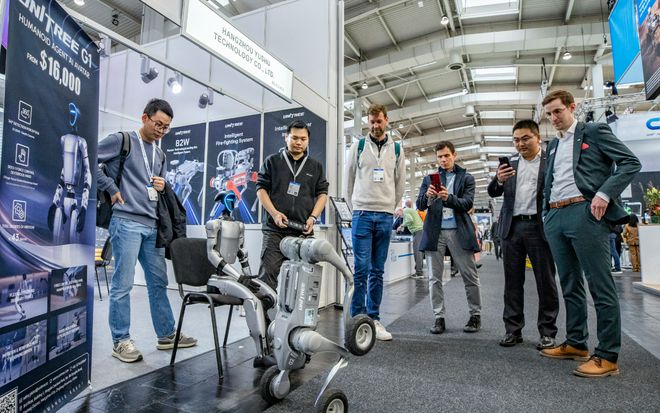
▲2025年4月1日,在德国汉诺威工业博览会上,人们在宇树科技展区观看机器狗演示。图/新华社 但与此同时必须看到,随着全球经济格局深刻调整,民营企业面临着需求收缩、供给冲击、预期转弱三 重压力,一些深层次问题逐渐显现:产权保护不到位、市场准入尚有隐性壁垒、融资难融资贵等顽疾, 如同无形的枷锁制约着创新活力。"玻璃门""弹簧门""旋转门"等问题时有发生,部分民营企业家也因此 对未来发展信心不足、观望情绪浓厚。 面对这些深层次矛盾,单纯地依靠临时性扶持政策和行政手段已难以根本解决,必须依靠法治手段建立 长效机制,为民营经济提供稳定、透明、可预期的发展环境。 法治化的制度保障是破除发展梗阻的关键钥匙。民营经济促进法正是在这种背景下应运而生。从此前的 草案修订到本次表决通过,每一次的更新进展都广受民营企业家关注。而随着法律的出台,也意味着首 次在国家法律层面明确了民营经济的平等地位和发展权利,规定各类所有制主体依法享有平等使用生产 要素、公开公平公正参与市场竞争、同等受到法律保护的权利。 更重要的是,通过法律形式确立民营经济平等市场主体地位,不仅有助于消除社会偏见,也为营商环境 优化打下了坚实的法治基石。 当然,法律 ...