
文化自信

Search documents
中国生活方式全球圈粉
Zhong Guo Xin Wen Wang· 2025-10-17 10:21
Core Viewpoint - Cultural export serves as a strategic link between economic prosperity and cultural confidence, transforming cultural advantages into industrial competitiveness and supporting high-level openness and economic restructuring [1] Group 1: Cultural Confidence - Cultural confidence is fundamental, providing the foundation for cultural export and allowing unique Chinese aesthetics, philosophy, and values to resonate globally [1] - The more robust the cultural confidence, the more successful the cultural export, creating a virtuous cycle of success and confidence [1] Group 2: Market Scale Advantage - China's vast market, with a population of 1.4 billion, acts as an "immersive experience chamber," validating narratives and emotional resonance through high subscription rates for novels and successful games [2] - The domestic market's success provides funding, technology, and confidence for cultural export, while international success enhances brand value and encourages further investment in R&D [2] Group 3: Purpose of Cultural Export - The core purpose of cultural export is to present a modern, diverse, and creative image of China, as evidenced by the global popularity of works like "The Wandering Earth" and "The Three-Body Problem" [2] - Chinese elements have become popular in global creative content, attracting the curiosity of young audiences worldwide [2] Group 4: Technological Empowerment - Traditional cultural export relied on conventional channels, but now digital platforms like TikTok and mobile gaming have created a "cultural digital expressway" for instant global delivery of cultural products [3] - Digital technology enhances the efficiency of cultural export, allowing for a systematic and industrialized approach to sharing Chinese culture globally [3] - The transition from "Made in China" to "Created in China" signifies a successful implementation of the dual circulation strategy in the cultural sector [3]
两部苏州乐团首演作品斩获金钟奖
Su Zhou Ri Bao· 2025-10-16 00:35
Core Viewpoint - The 15th China Music Golden Bell Awards recognizes outstanding works in the music industry, highlighting the achievements of the Suzhou Chinese Orchestra with two of its commissioned works being selected for awards [1][2]. Group 1: Awards and Recognition - The China Music Golden Bell Awards is the only permanent comprehensive music award in China, approved by the Central Committee of the Communist Party of China, and is regarded as the highest award in the music field [1]. - This year's awards include a restoration of the works category, with five excellent works selected in both orchestral and national orchestral categories [1]. - The Suzhou Chinese Orchestra's artistic merit is affirmed as two of its works are among the five selected national orchestral pieces [1]. Group 2: Featured Works - "Symphony of Elegance and Praise," created for the 40th anniversary of reform and opening up and the 70th anniversary of the founding of New China, premiered on January 14, 2019, and has received widespread acclaim [2]. - The work draws inspiration from the "Book of Songs," merging traditional Chinese culture with contemporary artistic expression, showcasing the spirit of modern China [2]. - The national orchestral work "Light" depicts the journey of historical figures striving for a brighter future, reflecting a nation's exploration for strength and a people's struggle for rejuvenation [2]. Group 3: Event Details - The theme for this year's Golden Bell Awards is "Era Golden Bell: A Colorful Chapter," featuring over 80 events from October 18 to 29 [3]. - The Suzhou Chinese Orchestra will perform at the "15th China Music Golden Bell Awards Works Award National Orchestral Works Award Concert" on October 21, showcasing its artistic talents to a national audience [3].
乙巳年中国仙都祭祀轩辕黄帝大典将于10月29日举办
Zhong Guo Xin Wen Wang· 2025-10-15 10:13
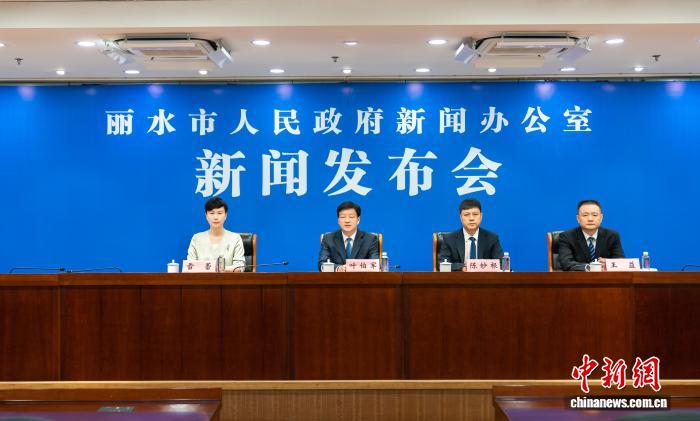
Core Viewpoint - The upcoming ceremony to worship Xuanyuan Huangdi, the cultural ancestor of the Chinese nation, will be held on October 29, 2025, emphasizing the importance of cultural heritage and innovation in contemporary society [1][3]. Group 1: Event Details - The ceremony will take place in Jinyun County, Zhejiang Province, with the theme "Four Seas Unite to Worship the Ancestor, Common Prosperity Writes a New Chapter" [3]. - The event will include nine ceremonial activities such as trumpet sounding, drum beating, incense offering, and singing hymns, integrating elements of local culture [3]. - The ceremony aims to showcase a cultural celebration with "Chinese characteristics, Zhejiang style, and Jiangnan charm" [3]. Group 2: Cultural Significance - The event serves as an important platform for cultural roots tracing and enhancing cultural confidence among the Chinese people [3]. - Over the years, more than 6,000 compatriots from Hong Kong, Macau, Taiwan, and overseas have participated in the Huangdi worship ceremonies, fostering a sense of unity among the Chinese nation [3]. Group 3: Economic Impact - Jinyun County is leveraging Huangdi culture to drive high-quality development in the cultural economy, promoting a "cultural plus" model [4]. - The Xianju Scenic Area, supported by Huangdi culture, has become the first national 5A-level tourist attraction in Lishui, contributing to the local economy [4]. - The "Bringing Home the Fairy Spirit" brand has launched over 270 Huangdi culture-themed products, with a total industrial chain output value exceeding 10 billion [4].

保护好传承好创新好中华优秀传统文化 进一步弘扬文化优势激发城市活力
Zheng Zhou Ri Bao· 2025-10-15 00:56
Core Points - The article emphasizes the importance of protecting and utilizing historical and cultural heritage, particularly the Shangdu site, to promote cultural prosperity and support the modernization of Zhengzhou as a national central city [1][2] Group 1 - The Shangdu site has revealed over 10,000 archaeological remains and large areas of rammed earth architecture, indicating its significant historical and cultural value [1] - The local government is committed to integrating archaeological work with cultural heritage preservation to enhance national cultural confidence and cohesion [2] - The development plans for the Book Street North area aim to showcase the unique cultural charm and historical significance of the Shangdu site [2] Group 2 - The government stresses the need for meticulous archaeological excavation, artifact organization, and research to present a comprehensive view of the Shangdu site's cultural heritage [2] - There is a focus on innovation in the presentation and experience of cultural heritage, leveraging technology to enhance the utilization of cultural relics [2] - The integration of cultural and economic development is highlighted as a strategy to boost the vitality of the city and promote high-quality development in the cultural tourism industry [2]
坚定文化自信 勇担历史使命 充分发挥优势 走好具有特色的河南文化繁荣兴盛之路
Zheng Zhou Ri Bao· 2025-10-15 00:46
Core Points - The article emphasizes the importance of cultural heritage protection and the need for innovative cultural development in Henan Province, as highlighted by provincial leader Liu Ning during a visit to the Provincial Archaeological Research Institute [1][2][3]. Group 1: Cultural Heritage Protection - Liu Ning stressed the need to remember the directives from the leadership regarding the protection and transmission of cultural heritage, particularly in light of President Xi Jinping's emphasis on safeguarding cultural treasures during his visit to Henan [2]. - The article outlines the principles of prioritizing protection, reasonable use, and minimal intervention in cultural heritage management, aiming for systematic protection and unified safety supervision [2][3]. Group 2: Archaeological Research and Development - The article highlights the achievements of archaeologists in demonstrating the origins and development of Chinese civilization, with Liu Ning acknowledging the contributions of notable archaeologists like Li Boqian [3]. - Liu Ning called for the strengthening of modern archaeological practices in Henan, encouraging the exploration of unknown areas and the promotion of a distinctive Chinese archaeological style [2][3]. Group 3: Technological Integration - The article mentions the importance of utilizing new technologies and equipment in the preservation and restoration of cultural relics, aiming to enhance the level of protection and create digital platforms for cultural heritage [2][3].
江苏打造习近平文化思想生动实践地②“百步之内,必有芳草”
Xin Hua Ri Bao· 2025-10-14 23:31
Core Viewpoint - The articles highlight the cultural richness and historical significance of Jiangsu province, emphasizing the importance of cultural heritage preservation and innovation in promoting cultural confidence and development in the region [1][2][8]. Group 1: Cultural Heritage and Historical Significance - Jiangsu is home to three UNESCO World Heritage sites, 251 national key cultural relic protection units, and over 20,000 immovable cultural relics, showcasing its rich cultural heritage [2]. - The discovery of the ancient city site from the Majiabang culture, dating back 6,000 years, marks Jiangsu as one of the earliest prehistoric sites in China [2]. - The province's historical districts, such as Suzhou and Yangzhou, attract significant tourist traffic, reflecting the integration of historical memory with modern urban life [5][6]. Group 2: Cultural Confidence and Innovation - Jiangsu's cultural confidence is rooted in its historical legacy, with ongoing projects aimed at exploring and documenting the region's cultural lineage [2][4]. - The province is actively promoting the creative transformation of traditional culture, with initiatives like the "Jiangsu Cultural Library" project, which aims to publish 3,000 volumes of local literature [3][8]. - The success of cultural events and exhibitions, such as the "Red Mansion" dance drama's overseas tour, demonstrates the growing influence and appeal of Jiangsu's cultural offerings on an international stage [10]. Group 3: Non-Material Cultural Heritage - Jiangsu leads the nation with 12 items listed as representative works of intangible cultural heritage, highlighting the importance of preserving traditional crafts and practices [4]. - The province's efforts in promoting intangible cultural heritage, such as the Qinhuai Lantern Festival and Huishan Clay Figurines, have gained national recognition and popularity [4][7]. - Innovative cultural products and events, including the "Youth Version of Peony Pavilion," are engaging younger audiences and revitalizing traditional art forms [7][8]. Group 4: Cultural Infrastructure and Public Engagement - Jiangsu's museums and cultural venues have seen a surge in visitor numbers, with the Jiangsu Museum attracting 140 million visitors in 2024, indicating a strong public interest in cultural heritage [6][7]. - The province has implemented policies to enhance museum accessibility and promote cultural tourism, resulting in significant increases in visitor engagement and revenue from cultural products [7][8]. - The "Read City" initiative encourages exploration of urban culture through historical landmarks, fostering a deeper connection between residents and their cultural heritage [9].
刘宁在省文物考古研究院专题调研考古和文物保护工作
He Nan Ri Bao· 2025-10-14 11:03
Core Viewpoint - The article emphasizes the importance of cultural confidence and the need to enhance historical awareness while promoting cultural prosperity and innovation in the context of archaeological research and heritage protection in Henan Province [5][6]. Group 1: Archaeological Research and Cultural Heritage - The provincial secretary Liu Ning conducted a special investigation at the Provincial Archaeological Research Institute, focusing on the construction of archaeological research institutions and the protection and utilization of cultural relics [5]. - Liu Ning highlighted the significance of Xi Jinping's cultural thoughts and the need to deepen participation in major projects like the "Chinese Civilization Exploration Project" to produce academically rich and culturally profound research outcomes [6][7]. - The article mentions the necessity of adhering to the principles of protection first, rational use, and minimal intervention in cultural heritage management, emphasizing systematic protection and unified safety supervision of cultural relics [6][7]. Group 2: Cultural Resources and Historical Significance - The province is noted for its rich historical background and cultural resources, with a wide distribution and high value of cultural relics, which are seen as vital for the creative transformation and innovative development of excellent traditional culture [7]. - Liu Ning called for a focus on the Yellow River culture and the Luohe culture to enhance archaeological and civilization research, aiming to convert cultural resource advantages into cultural development momentum [7]. - The article also mentions the importance of utilizing archaeological findings from Henan to tell compelling Chinese stories and promote high-quality cultural products and services [7].

历史剧的使命是搭建一座桥(人文茶座)
Ren Min Ri Bao· 2025-10-11 21:53
Core Viewpoint - The drama "Frontline" focuses on the cultural resistance during the Anti-Japanese War, highlighting how cultural figures united to protect the nation's spirit and dignity through their works [1][2][3] Group 1: Cultural Significance - The narrative employs a dual structure, showcasing both the frontline battles and the cultural perseverance, emphasizing that military and cultural fronts are inseparable in the war effort [2] - The production aims to restore the cultural scene of that era through detailed historical research and on-site investigations, illustrating the power of culture in extreme conditions [1][2] - The characters are portrayed with human warmth, making historical figures relatable and emphasizing their choices and beliefs [2] Group 2: Historical Reflection - The creation of historical works serves to repair and continue the national memory, prompting reflections on the role of cultural figures in contemporary society [2][3] - The core mission of historical dramas is to connect the past with the present, fostering emotional resonance and value recognition among audiences, especially the younger generation [2] Group 3: Cultural Confidence - True cultural confidence stems from a deep understanding of one's traditions and the courage to engage with contemporary ideas, as demonstrated by the characters in "Frontline" [3] - The discussion of cultural confidence today involves maintaining clarity amidst diverse values and upholding seriousness in a landscape filled with entertainment [3] - "Frontline" serves as a mirror reflecting current societal issues, reminding that culture is a force, responsibility, and mission [3]
守护一脉文渊 续写百年辉煌
Xin Hua She· 2025-10-11 08:46
Core Insights - The Palace Museum, celebrating its 100th anniversary, represents a significant milestone in China's cultural heritage sector, housing 1.95 million cultural relics and witnessing the nation's historical transformations over centuries [1] - The museum has evolved into a modern institution, attracting millions of visitors annually and offering a wide range of cultural products, while also emphasizing the importance of cultural heritage preservation and innovation [1][2] Group 1 - The Palace Museum is a historical and cultural symbol, with its architecture dating back over 600 years and serving as a witness to major events in Chinese history [1] - The museum has the world's largest "cultural relic hospital," showcasing its commitment to the preservation and restoration of artifacts [1] - The museum's role in the cultural renaissance of the Chinese nation is highlighted, emphasizing the need to inherit and protect cultural heritage [1][2] Group 2 - The museum promotes the idea of cultural confidence and the importance of integrating cultural heritage into modern life, ensuring the safety of relics while enhancing exhibition capabilities [2] - The narrative of the museum includes stories of resilience and dedication from its guardians, reflecting a deep national sentiment towards cultural preservation [2] - The Palace Museum aims to be a model for global cultural heritage protection, contributing wisdom and strength to the construction of a culturally strong nation [3]
守护民族记忆 赓续中华文脉
Ren Min Ri Bao· 2025-10-11 07:54
Core Points - The China First Historical Archives has a collection of over 10 million valuable Ming and Qing dynasty documents, recognized as one of the "Four Great Discoveries" of early 20th-century Chinese ancient literature [1] - The archives serve as a crucial cultural repository, preserving the memories of the nation and continuing the cultural lineage of China [2] - The institution has undergone significant historical challenges, including the destruction of documents during invasions and the arduous process of relocation during wartime [3][4] - The archives have been systematically organized, with over 5 million documents cataloged and more than 8.6 million digitized [4] - The new facility, inaugurated in July 2021, enhances the preservation and accessibility of these cultural treasures [5][7] - The archives are committed to public service, providing access to over 5.1 million digitized documents and various resources for research and education [9] - The institution actively engages in cultural exchange and storytelling, showcasing historical documents to both domestic and international audiences [11][12] Summary by Sections Historical Significance - The China First Historical Archives was established in 1925 and has evolved into a vital institution for preserving Ming and Qing dynasty documents [1][3] - The archives faced numerous challenges throughout history, including the loss of documents during conflicts and the need for relocation to safeguard the collection [3][4] Preservation and Organization - The archives have successfully completed the systematic organization of over 10 million documents, with significant progress in digitization [4] - The new modern facility, covering over 15,000 square meters, provides optimal conditions for the preservation of these cultural artifacts [7] Public Engagement and Education - The archives have made over 5.1 million digitized documents available to the public, facilitating research and education [9] - Various exhibitions and educational programs are designed to engage the public and promote understanding of Chinese history and culture [10][11] Cultural Mission - The institution emphasizes its role in cultural heritage preservation and aims to contribute to national cultural confidence and strength [12][16] - The archives are committed to storytelling and cultural exchange, showcasing historical documents to highlight China's rich cultural heritage [11][12]