稳定币

Search documents
美股异动 | 进军稳定币赛道 Sofi Technologies(SOFI.US)涨超5%
Zhi Tong Cai Jing· 2025-12-18 15:55
Core Insights - SoFi Technologies has launched a USD-backed stablecoin, SoFiUSD, marking its entry into the stablecoin market and enhancing its digital asset and payment infrastructure strategy [1][2] - SoFiUSD is fully backed by cash reserves at a 1:1 ratio, allowing for instant redemption and minimizing liquidity and credit risks [1] - The launch positions SoFi as the first U.S. national bank to issue a stablecoin on a public, permissionless blockchain, aiming to provide banking-grade infrastructure for faster and more efficient fund transfers and settlements [1] Company Developments - SoFiUSD is currently being used for internal settlements and is expected to be available to more members in the coming months [2] - The stablecoin will facilitate SoFi's cryptocurrency trading settlements and support payment and clearing needs for card networks, retailers, and other businesses, offering a secure, low-cost transaction solution [2] Industry Context - The stablecoin market is currently dominated by Tether's USDT and Circle's USDC, but traditional financial institutions and fintech companies are rapidly entering the space [2] - Notable competitors include PayPal, which launched its stablecoin PYUSD in 2023, and Stripe, set to introduce a subscription payment service based on stablecoins in October 2025 [2] - Visa has also initiated a USDC settlement pilot project in the U.S., indicating significant movement in the stablecoin settlement space [2]

沪指涨0.16%,创指跌2.17%:银行股走高,两市成交近1.66万亿元
Xin Lang Cai Jing· 2025-12-18 07:30
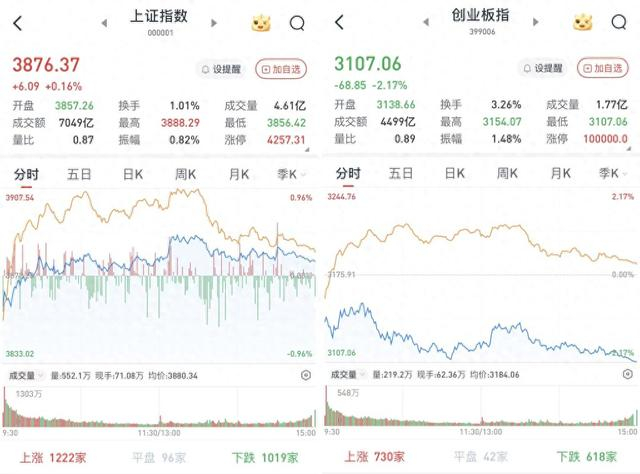
Market Overview - The three major A-share indices opened lower on December 18, with the Shanghai Composite Index quickly rebounding to positive territory, while the ChiNext Index fell over 2% [2] - By the close, the Shanghai Composite Index rose 0.16% to 3876.37 points, while the ChiNext Index fell 2.17% to 3107.06 points [2] Trading Activity - A total of 2843 stocks rose, while 2413 stocks fell, with 199 stocks remaining flat [3] - The total trading volume in the Shanghai and Shenzhen markets was 16,555 billion yuan, a decrease of 1,556 billion yuan from the previous trading day [3] Sector Performance - Coal stocks saw significant gains in the afternoon, with companies like Antai Group and Yancoal Energy rising over 3% [5] - Bank stocks also performed well, with several banks increasing by over 2% to 3% [5] - The defense and military sector led the market, with multiple stocks hitting the daily limit or rising over 10% [5] - Conversely, the lithium battery sector experienced declines, with several companies dropping over 5% to 7% [6] - The home appliance sector underperformed, with some stocks hitting the daily limit down [6] - Brokerage stocks dragged down the non-bank financial sector, with several firms declining over 2% to 4% [6] Market Sentiment and Future Outlook - Financial analysts suggest that the A-share market is currently in a "bull market continuation" phase, with expectations for a "slow bull" market to continue into 2026 [7][9] - Analysts emphasize the importance of monitoring macroeconomic policies and market dynamics, particularly regarding real estate and domestic demand [8][9] - Historical data indicates that January following a significant market rise often experiences high volatility, suggesting caution in the near term [10]

2026年商业与支付趋势报告(英文版)-Global Payments
Sou Hu Cai Jing· 2025-12-18 02:36
Core Insights - The report highlights that AI empowerment, scenario integration, and technological innovation are the core forces driving industry transformation, reshaping the commercial payment ecosystem with six major trends [1] Group 1: AI-Enabled Commerce - AI shopping agents are emerging as a new growth point, with 87% of businesses aware of them, particularly in retail (25% familiarity). These agents can reduce e-commerce cart abandonment rates by 66%, potentially generating an additional $240 billion in global e-commerce revenue [2] - Concerns regarding security fraud, dispute resolution, and algorithmic bias persist, with 42% of businesses expressing worries, and only 11% of consumers currently allowing AI agents to complete payments [2] Group 2: POS Revolution - Mobile POS and cloud systems are becoming mainstream, with 85% of mid-sized U.S. retailers relying on mobile POS solutions. Modern POS systems integrate real-time data analytics (57% prioritize this), inventory management, and CRM functionalities [3] - Biometric technologies are widely adopted, enhancing efficiency and security, with some restaurants achieving the capability to serve 40 cars in 15 minutes through voice ordering. However, system integration remains a significant pain point, with 32% of businesses citing it [3] Group 3: Embedded Finance - The embedded finance market is projected to reach $92 billion in 2024 and $228 billion by 2028, with "buy now, pay later" (BNPL) being a core application. 51% of retail businesses report revenue increases of over 25% from BNPL [4] - 71% of businesses express interest in integrating AI for real-time credit assessment and fraud detection, with significant regional differences in adoption rates [4] Group 4: Instant Payments - 31% of businesses have adopted instant payments, surpassing embedded finance (10%) and self-service technologies (5%). Key use cases include consumer refunds (72%) and gig worker payments (63% in Asia-Pacific) [5] - The rapid development of global real-time payment systems like FedNow (U.S.), UPI (India), and PIX (Brazil) is noted, although cross-border payments face limitations due to SWIFT processes [5] Group 5: Rise of Stablecoins - Stablecoins are gaining attention for their low volatility and cost advantages, with 72% acceptance among North American businesses. Large enterprises prefer them for cross-border payments and currency hedging [6] - Regulatory challenges and transparency issues hinder adoption, with stablecoins currently accounting for less than 1% of global transfer volumes [6] Group 6: Self-Service Payments - Self-service payment scenarios are expanding, with 83% of businesses planning to increase automation in the next two years. Technologies like smart kiosks and unmanned checkouts are enhancing transaction efficiency, leading to a 20% increase in order amounts at McDonald's [7] - Adoption rates vary significantly by region, with Asia-Pacific (100%) and Europe (94%) leading, while North America (79%) and Latin America (38%) lag behind [7] Conclusion - The commercial payment industry in 2026 is characterized by "technology-driven, scenario integration, and security-first" features. Businesses need to focus on technology integration and compliance management, aligning with core trends like AI agents and embedded finance to achieve efficiency and experience optimization [7]


Visa(V.US)联合Circle(CRCL.US)为美国银行提供稳定币结算
Zhi Tong Cai Jing· 2025-12-17 03:41
Core Insights - Visa has announced that it will allow U.S. banks and fintech companies to use Circle Internet Group's USDC stablecoin for settlement transactions, integrating blockchain and stablecoins into the traditional financial system amid a supportive regulatory environment [1] - The initial banks participating in this service include Cross River Bank and Lead Bank, which have begun settling transactions with Visa using USDC on the Solana blockchain, with plans to expand to more U.S. institutions by 2026 [1] - Visa is also a design partner for Circle's new blockchain, Arc, which is currently in public testing, and will use Arc for USDC settlements once it goes live [1] - Circle's stock rose nearly 10% following the announcement, reflecting positive market sentiment [1] Group 1 - Visa's global head of growth products and strategic partnerships, Rubail Birwadker, stated that financial institutions are seeking faster, programmable settlement methods that seamlessly integrate with existing operations [2] - The introduction of USDC settlements has led Visa to launch a "stablecoin consulting business" to provide insights and advice on market fit, strategy, and implementation for banks, fintech companies, merchants, and enterprises [2] - Visa and its competitor Mastercard are exploring stablecoin applications to enhance payment efficiency rather than being disrupted by the technology originally intended for decentralized finance [2] Group 2 - Last month, Ripple partnered with Mastercard and Gemini Space Station to pilot stablecoin settlements on the XRPL [3] - In October, reports indicated that Mastercard was in advanced talks to acquire the crypto and stablecoin infrastructure company Zero Hash [3]


滚动更新丨A股三大指数开盘涨跌不一,沐曦股份上市首日高开超560%
Di Yi Cai Jing Zi Xun· 2025-12-17 01:35
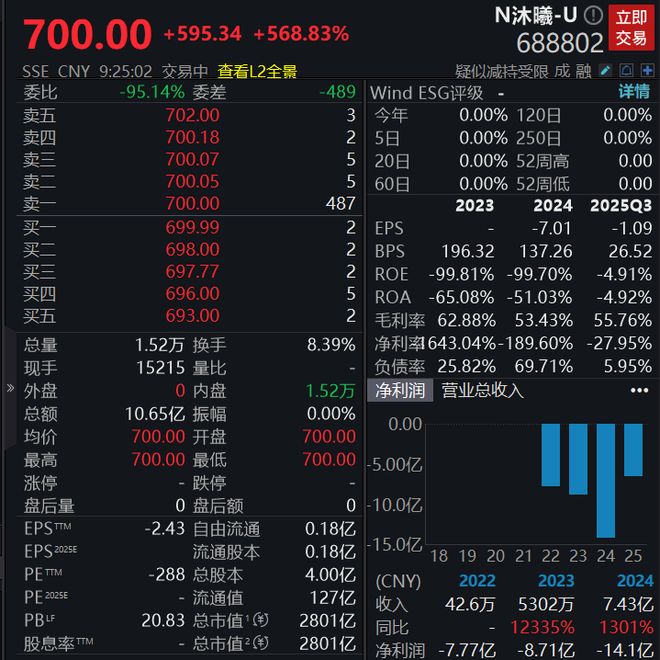
Group 1 - Domestic GPU giant Muxi Co., Ltd. has been listed, opening with a surge of over 568%, with a stock price of 700 CNY [1] - The company is one of the few full-stack GPU manufacturers in China, and its revenue has been growing rapidly in recent years [1] - The initial offering price was set at 104.66 CNY per share [1] Group 2 - The Shanghai Composite Index opened down 0.06%, while the Shenzhen Component Index opened up 0.10%, and the ChiNext Index opened up 0.03% [3] - The Hang Seng Index opened up 0.03%, with the Hang Seng Tech Index rising by 0.09% [4] - In the market, sectors related to smart driving, nuclear fusion, and stablecoins showed weakness, while lithium mining and pork-related stocks strengthened [3]
深夜美股跳水,热门中概股普跌,小牛电动跌超4%,叮咚买菜飙涨10%,美国公布重大数据
21世纪经济报道· 2025-12-16 15:44
Market Overview - The U.S. stock market opened lower on December 16, with the Dow Jones down 0.39%, S&P 500 down 0.18%, and Nasdaq down 0.36% [1] - Key indices include: - Dow Jones Industrial Average at 48,229.68, down 186.88 points - Nasdaq Index at 23,015.02, down 42.39 points - S&P 500 at 6,791.90, down 24.61 points [2] Technology Sector - Major tech stocks showed mixed performance, with Facebook up 0.34% and Nvidia up 0.18%, while Apple fell 0.39% and Tesla dropped 0.21% [3] - The "Seven Giants" index of U.S. technology stocks saw a slight decline of 0.01% [2] Cryptocurrency Market - Bitcoin fell over 1% to $87,175.9, with a significant drop below $86,000 during the day. Ethereum dropped over 3% [6] - The cryptocurrency market experienced over $500 million in liquidations within 24 hours, affecting around 160,000 traders [6] Commodity Market - Gold prices rose by 0.64%, surpassing $4,330 per ounce, while palladium increased by 1.7% to over $1,600 per ounce [5] - Crude oil prices saw a sharp decline, with WTI down 2.55% to $55.37 per barrel and ICE Brent down over 2% to $59.11 per barrel, marking a significant drop below $60 for the first time since May [5][6] Economic Indicators - The U.S. non-farm payroll data for November showed an increase of 64,000 jobs, exceeding market expectations, while the unemployment rate rose to 4.6%, the highest since September 2021 [7] - The market anticipates a potential interest rate hike by the Bank of Japan, with a 90% probability of a 25 basis point increase expected [6] Regulatory Developments - Nasdaq has formally submitted a proposal to the SEC to extend trading hours for stocks and ETFs from 16 hours to nearly 23 hours on weekdays [8]

美股异动丨Circle涨9.2%,Visa在美国推出USDC交割服务
Ge Long Hui· 2025-12-16 15:10
稳定币发行商Circle(CRCL)涨9.2%,报82.41美元。消息买三,Visa宣布在美国推出USDC交割服务,标 志着稳定币在主流金融服务中的整合取得重大进展。美国的发卡机构和收单机构合作伙伴现在可以使用 Circle的USDC与Visa进行交割。(格隆汇) ...
Visa在美国推出USDC交割服务
Ge Long Hui· 2025-12-16 13:35
美股频道更多独家策划、专家专栏,免费查阅>> 责任编辑:山上 Visa宣布在美国推出USDC交割服务,标志着稳定币在主流金融服务中的整合取得重大进展。美国的发 卡机构和收单机构合作伙伴现在可以使用Circle的USDC与Visa进行交割。首批参与的银行包括Cross River Bank和Lead Bank,它们已经开始通过Solana区块链与Visa进行USDC交割,计划到2026年将扩大 可用范围。 ...
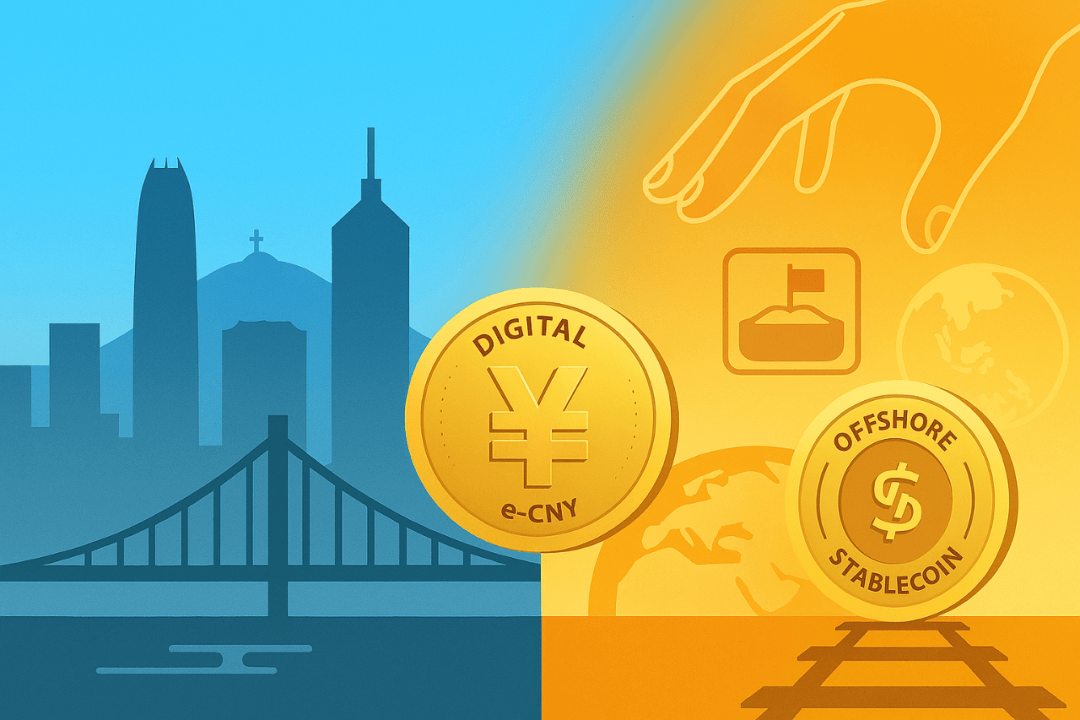
数字人民币来了!香港2500万港元牌照和稳定币新规重磅发布!
Sou Hu Cai Jing· 2025-12-16 11:41
Group 1 - The core viewpoint of the article highlights the contrasting approaches of mainland China and Hong Kong towards digital currencies, particularly the strict regulations in mainland China versus Hong Kong's open stance on creating a regulated virtual asset center [2][10] - The article emphasizes that the development of digital currency in China is not a binary choice but involves a multi-layered strategic plan that includes both the digital yuan and potential stablecoins [3][24] - It is noted that the People's Bank of China has developed the digital yuan (e-CNY) as the only officially recognized digital legal currency, emphasizing its centralized management and controlled anonymity [6][7] Group 2 - The digital yuan is categorized as a Central Bank Digital Currency (CBDC) and is designed to enhance the efficiency of the domestic payment system while maintaining financial sovereignty [4][7] - The article outlines that the issuance of private digital currencies that could undermine the status of the renminbi or facilitate illegal cross-border capital flows is strictly prohibited in mainland China [5][9] - Hong Kong's upcoming Stablecoin Regulation, effective from August 1, 2025, sets stringent standards for stablecoin issuers, including a minimum capital requirement of 25 million HKD and 100% reserve backing [11][12] Group 3 - Despite interest from over 70 institutions in applying for licenses, Hong Kong's regulatory authorities are cautious and have not yet approved any stablecoin issuances, with the first licenses expected to be issued in late 2025 or early 2026 [13][14] - The article discusses the potential risks associated with offshore stablecoins and their implications for capital management in mainland China, highlighting concerns about cross-border risks and financial stability [15][16] - The future of digital renminbi is expected to involve a multi-tiered approach, with the digital yuan as the primary legal digital currency, supported by offshore compliant innovations in Hong Kong and market-driven applications [17][18][20] Group 4 - The article suggests that the digital currency landscape will not only focus on a single model but will likely evolve into a multi-faceted development path, including the digital yuan's integration into the financial system and offshore compliant stablecoins in Hong Kong [23][25] - It emphasizes that the innovations in stablecoins will not aim to become universal currencies but will focus on solving specific payment and settlement issues in commercial scenarios [21][22] - The dynamic balance between global digital currency trends and national financial governance will continue to evolve within this multi-layered framework [25]