普惠金融

Search documents
2025年深圳普惠小微贷款余额突破2万亿元大关
Nan Fang Du Shi Bao· 2026-01-23 08:31
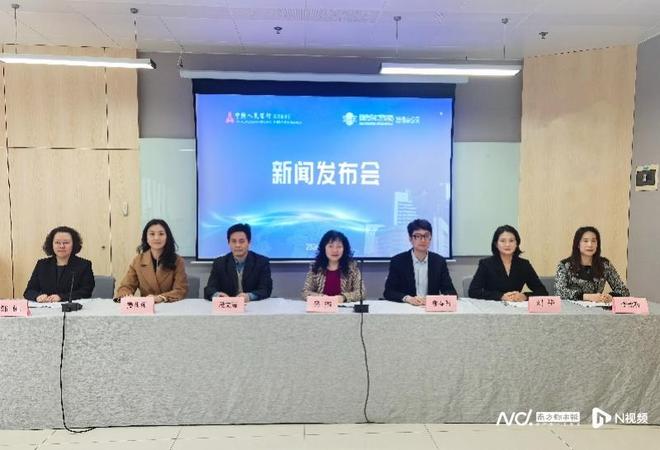
Core Insights - The People's Bank of China and the State Administration of Foreign Exchange held a press conference on Shenzhen's financial operations in 2025, emphasizing the use of structural monetary policy tools to support consumption and technological innovation [2] Group 1: Financial Support and Loan Growth - By the end of 2025, loans for technology, green, and digital economy sectors in Shenzhen increased by 1.9%, 3.3%, and 1.4% respectively compared to the end of 2024, significantly supporting the transition to high-end, intelligent, and green production [2] - The balance of loans for the private economy in Shenzhen reached 4.35 trillion yuan, accounting for 43.7% of total loans, while inclusive micro and small loans surpassed 2 trillion yuan, reaching 2.01 trillion yuan [3] - The balance of technology loans in Shenzhen reached 2.28 trillion yuan by the end of 2025, with the issuance of technology innovation bonds totaling 44.15 billion yuan, ranking second among cities nationwide [2] Group 2: Green Finance Initiatives - Shenzhen initiated a pilot program for green foreign debt and enhanced the application of corporate "carbon accounts," promoting innovation in carbon financial products [4] - Loans issued using carbon reduction support tools amounted to 2.72 billion yuan, supporting small-scale green projects [4] - The "carbon reduction loan" product provided credit of 1.23 billion yuan to 44 enterprises, aiding the green and low-carbon transformation of small and micro enterprises [4] Group 3: Consumer Finance and Digital Economy - Personal medium- and long-term non-housing consumption loans in Shenzhen grew by 13.12% year-on-year, outpacing overall loan growth by 8 percentage points [4] - The total inbound consumption in Shenzhen reached 1.88 billion transactions worth 26.462 billion yuan, reflecting a year-on-year increase of 27.7% and 31.3% respectively [4] - The balance of loans in the digital economy sector increased by 17.3% year-on-year, with innovative financial scenarios such as "cross-border credit" providing 2.092 billion yuan in loans to enterprises in Shenzhen and Hong Kong [4] Group 4: Cross-Border Financial Developments - Shenzhen ranked third nationwide in cross-border payment and receipt scale, with a total of 5.83 trillion yuan in cross-border RMB transactions, maintaining its position as the primary currency for cross-border settlements between Shenzhen and Hong Kong [5] - The cross-border RMB payment and receipt for goods trade reached 1.2352 trillion yuan, a year-on-year increase of 191.3 billion yuan, marking a new high since the business commenced in 2009 [6] - The upgraded "3.0 version" of the integrated currency pool trial has benefited nearly 2,000 member enterprises, with a business scale of 390 billion USD [5]

证券公司学习宣传贯彻党的二十届四中全会精神 | 财信证券党委书记、董事长刘宛晨:深耕债券市场沃土,浇灌实体经济之花
Zhong Guo Zheng Quan Bao· 2026-01-23 08:21
Core Viewpoint - The article emphasizes the ongoing reforms in the capital market and the strategic opportunities for the securities industry, highlighting the role of financial institutions like Caixin Securities in supporting the real economy and driving innovation in the bond market [1][2]. Group 1: Bond Market Development - The bond market in China has shown a compound annual growth rate of 8.46% from 2021 to 2025, with the total market size expected to grow by 70.61% compared to the end of 2020 [3]. - By the end of 2025, the proportion of interest rate bonds is projected to reach 70.03%, an increase of 7.64 percentage points from the end of 2020 [4]. - The transformation of the credit bond market is notable, with a shift from high-leverage financing in infrastructure and real estate to a more rational pricing of risks, particularly in the context of policies aimed at preventing hidden debt risks [4][5]. Group 2: Company Initiatives and Achievements - Caixin Securities has underwritten nearly 300 billion yuan in bonds during the "14th Five-Year Plan" period, ranking 23rd in the market for 2025 with 600.07 billion yuan in bond underwriting, including 510.23 billion yuan in corporate bonds [6]. - The company has actively participated in the issuance of innovative financial products, including the first low-carbon transformation bonds linked to rural revitalization and the first green bonds for rural "two waters" projects [7][8]. - In the field of technology finance, Caixin Securities has underwritten 31.35 billion yuan in innovation and entrepreneurship bonds and 48 billion yuan in technology innovation bonds during the "14th Five-Year Plan" period [7]. Group 3: Risk Management and Compliance - The company emphasizes a robust risk management framework, implementing a three-tier internal control system to ensure comprehensive oversight from project initiation to issuance and post-issuance [8][11]. - Caixin Securities has maintained an A-class rating in the bond business quality evaluation by the China Securities Association for six consecutive years from 2020 to 2025, reflecting its commitment to compliance and quality control [8][11]. Group 4: Future Strategies - The company plans to focus on high-growth technology innovation enterprises and major R&D projects, aiming for significant growth in technology bond underwriting during the "15th Five-Year Plan" [9][10]. - Caixin Securities will enhance its digital capabilities by establishing an intelligent underwriting platform and expanding its service stations to improve financing services in key economic areas [10]. - The company aims to strengthen collaboration with banks, insurance, and fund institutions to create a diversified financing ecosystem that supports the real economy [11][12].
内蒙古银行:普惠金融惠泽千企万户
Nei Meng Gu Ri Bao· 2026-01-23 08:19
转自:草原云 内蒙古银行作为植根本土的地方金融机构,始终以服务实体经济为己任,将普惠金融作为全行发展的战 略性业务深耕厚植,不仅持续加大信贷投放,更通过体系化建设、精准化服务与数字化赋能,多措并举 推动普惠金融提质增效,书写了自身发展与服务地方经济同频共振的温暖篇章。 在积极扩大服务覆盖面的同时,内蒙古银行坚定落实减费让利政策,切实降低小微企业融资成本。截至 2025年年末,全行普惠小微企业贷款规模达112亿元,服务客户突破5000户,当年累计发放普惠型小微 企业贷款平均利率较2021年下降了2.1个百分点,有效缓解了"融资贵"难题。 为构建可持续、高质量的普惠金融服务体系,内蒙古银行从优化机制、丰富产品、深化合作等多方面系 统推进。制度层面,推出普惠小微管理办法及小微企业尽职免责管理办法,夯实发展基础。产品层面, 推出"新惠"系列产品,形成了供应链金融、科技创新金融、乡村振兴金融、创业创新金融及信用融资金 融五大产品矩阵,精准满足供应链、科创、惠农、民生等重点领域需求。营销层面,积极巩固政银合 作,加强与第三方平台及企业主管部门对接,形成专项营销清单,并通过持续开展"驻园入会""金融助 企春风行动""普惠金 ...
哈尔滨银行“钱到家”数字信贷产品精准服务实体经济
Sou Hu Cai Jing· 2026-01-23 06:30
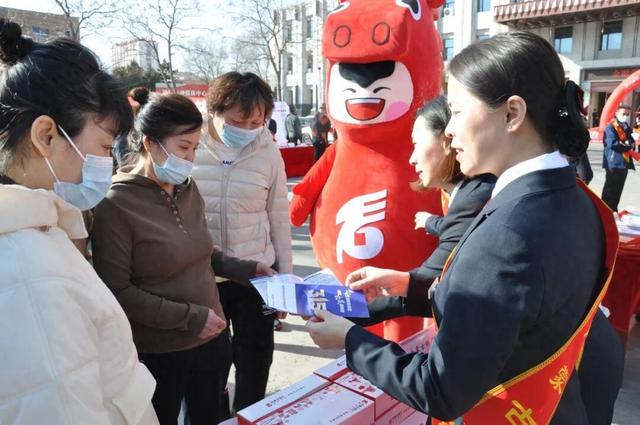
Core Insights - Harbin Bank is set to launch the "Qian Dao Jia" digital credit product in 2025, integrating advanced technologies such as cloud computing, AI, and big data to enhance retail financial services [1][2] - The product aims to address funding challenges for both enterprises and individuals, offering a streamlined application process that allows for quick approval and disbursement of funds [1] Group 1: Product Features - "Qian Dao Jia" offers an exceptional service experience with features like one-second QR code scanning, one-minute application, one-minute approval, and one-click withdrawal [1] - The product significantly lowers traditional credit barriers, extending services to a broader audience [1] Group 2: Impact on Customers - The service has already proven beneficial for small business owners, exemplified by a case where a renovation company owner secured 160,000 yuan in under three minutes to alleviate cash flow pressures [1] - The product utilizes a big data risk control model covering over 4,000 dimensions, enhancing financial service efficiency and enabling precise access to financial resources [1] Group 3: Performance Metrics - Since its official launch in June 2025, "Qian Dao Jia" has achieved a cumulative credit scale exceeding 8.5 billion yuan, with a service balance surpassing 1.3 billion yuan [2] - The service has demonstrated strong effectiveness in supporting small and micro enterprises and facilitating the circulation of the real economy [2]
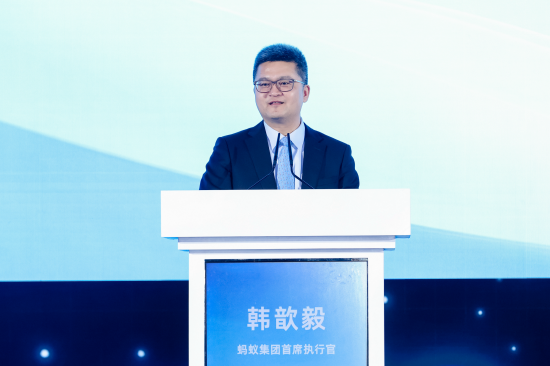
蚂蚁集团CEO韩歆毅:阿福三、四、五线用户占比55%,三分之一是老年用户
Xin Lang Cai Jing· 2026-01-23 06:24
Core Insights - Ant Group's CEO, Han Xinyi, emphasized that inclusivity has always been a core value for the company, evolving from mobile payments to inclusive finance and now extending into the healthcare sector [1][2] User Engagement - Ant Group's health service platform, Ant Fu, experiences over 10 million health consultations daily and has more than 30 million monthly users [3][5] - Among Ant Fu's users, 55% are from lower-tier cities (third to fifth tier), and one-third of the users are elderly [3][5] Future Business Strategy - The company prioritizes user feedback and industry response over mere numerical growth and scale [3][5] - Ant Group has committed to providing its basic health Q&A service for free since its inception, with future business designs focusing on affordability to ensure accessibility for all [3][5]
工商银行威海分行贷款余额突破600亿元
Qi Lu Wan Bao· 2026-01-23 06:15
齐鲁晚报·齐鲁壹点 连宁燕 金融是国民经济的血脉,关系中国式现代化建设全局。近年来,聚焦做深做实金融"五篇大文章",工商 银行威海分行立足区域经济社会发展实际,精准对接国家和地方一揽子增量政策,为服务金融强国建设 贡献大行力量。 持续优化信贷结构,为实体经济提供充沛金融活水 将信贷资源优先投向制造业、民营经济、战略性新兴产业、专精特新等关键领域,2025年工商银行威海 分行累计贷款投放历史上首次突破400亿元,年末,本外币各项贷款较年初增加87亿元,山东工行系统 内排名第5,保持高速增长,近两年增量占"十四五"期间贷款增量的一半以上。2026年1月,本外币贷款 余额突破600亿元,成为威海市首家贷款余额突破这一关口的国有银行分支机构,服务地方经济高质量 发展迈上新台阶。 先进制造服务能力持续提升。深度融入威海市十大优势产业链建设,创新运用制造业技术提升支持贷 款、设备购置贷款、中长期循环贷款等产品,全力做好"补链、固链、强链"金融支持,年末,制造业贷 款余额突破170亿元,增幅达66%。 精准发力支持科创企业发展。聚焦新一代信息技术、新医药与医疗器械、先进装备和智能制造、碳纤维 复合材料、新能源等国家级战略新 ...

奋楫新征程,齐鲁银行举金融之力赋能山东高质量发展
Feng Huang Wang Cai Jing· 2026-01-23 05:56
Core Insights - Shandong province has entered the 10 trillion yuan economy club, attracting national attention for its high-quality economic and social development [1] - Qilu Bank, as a local bank, plays a significant role in supporting Shandong's economic growth through various financial services [1] Group 1: Financial Performance - As of the end of Q3 2025, Qilu Bank's asset scale reached 778.7 billion yuan, with loans and deposits growing by 13.6% and 10.4% respectively, and a net profit increase of 16.1% year-on-year [1] - The bank has established a comprehensive service network, empowering over 600 technology enterprises [3] Group 2: Technology Finance - Qilu Bank has actively explored new technology finance service models tailored to the characteristics of innovative enterprises, exemplified by its support for a technology company facing cash flow pressures [2][3] - The bank has set up 4 technology branches and 10 technology finance centers, enhancing its service capabilities [3] Group 3: Inclusive Finance - Qilu Bank has developed tailored financial products like "Bearing Village Loan" to address the financing difficulties faced by local enterprises in the bearing industry [5][6] - The bank has launched over 80 specialized credit products, covering more than 50 counties, and has maintained a leading position in inclusive loans among local commercial banks [6] Group 4: Green Finance - Qilu Bank has introduced innovative green finance products, such as "Sustainable Development Linked Loans," which link loan costs to environmental performance [7][8] - As of September 2025, the bank's green loan balance exceeded 45.3 billion yuan, with a growth rate of 35% [8][9] Group 5: Future Outlook - Qilu Bank aims to continue its commitment to serving the real economy and enhancing its financial services, aligning with the strategic goals of regional leadership and industry excellence [10]
深圳最新发布:14.63万亿元!
Zhong Guo Ji Jin Bao· 2026-01-23 04:51
Core Insights - In 2025, Shenzhen's total deposits and loans reached 14.63 trillion yuan, maintaining the third position among major cities in China, with a year-on-year growth of 7.8% [1][2] Financial Performance - As of the end of 2025, Shenzhen's total deposits and loans stood at 14.63 trillion yuan, with deposits increasing by over 1 trillion yuan compared to the beginning of the year, and loans reaching 9.97 trillion yuan, up 5.1% year-on-year [2] - The social financing scale in Shenzhen saw a reasonable increase, with an annual increment exceeding 630 billion yuan, and direct financing accounting for about 40% of the total, a historical high [2] - The average interest rate for newly issued corporate loans in December 2025 was 2.55%, down 0.47 percentage points year-on-year [2] Loan Structure and Support for Economic Development - The loan structure in Shenzhen has been optimized to support high-quality economic development, with loans for technology, green, and digital economy industries increasing by 1.9, 3.3, and 1.4 percentage points respectively compared to the end of 2024 [3] - Loans to the private economy reached 4.35 trillion yuan, accounting for 43.7% of total loans, while inclusive small and micro loans amounted to 2.01 trillion yuan [3] Innovation in Financial Products - The issuance of technology bonds in Shenzhen reached 44.15 billion yuan, ranking second among cities in China, with technology loans totaling 2.28 trillion yuan by the end of 2025 [4] - New consumer loans related to service consumption and elderly care exceeded 80 billion yuan, with personal medium- and long-term non-housing consumption loans growing by 13.12% year-on-year [4] Inclusive and Green Finance - Inclusive finance in Shenzhen has effectively supported the vitality of the private economy, with over 2 trillion yuan in inclusive small and micro loans [5] - Shenzhen has become one of the first cities in China to conduct green external debt pilot programs, with three enterprises signing contracts exceeding 170 million yuan [5] Cross-Border Financial Activities - Shenzhen ranked third in the country for cross-border payment and receipt scale, with a total of 5.83 trillion yuan in cross-border RMB transactions [6][7] - The city has implemented high-level pilot policies to enhance cross-border trade and investment facilitation, benefiting over 1,900 enterprises [7] - By the end of 2025, Shenzhen's cross-border RMB receipts for goods trade reached 1.2352 trillion yuan, a year-on-year increase of 191.3 billion yuan, marking a new high since the business's inception in 2009 [7] Service Quality in Cross-Border Finance - Shenzhen has continuously optimized the quality and efficiency of cross-border financial services, launching initiatives to enhance communication between government, banks, and enterprises [8]
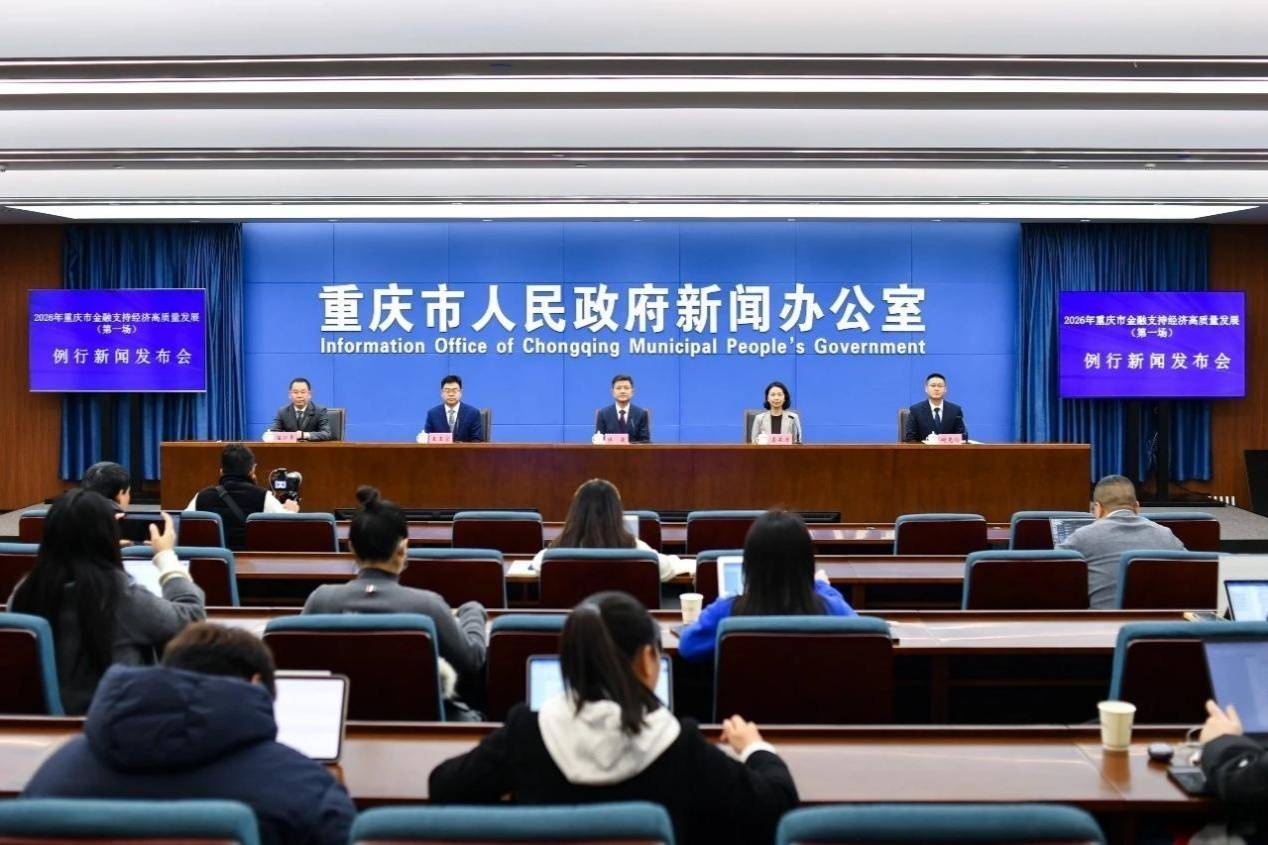
人行重庆市分行为重庆提质增效贡献金融力量
Sou Hu Cai Jing· 2026-01-23 04:46
Core Viewpoint - The financial sector in Chongqing has played a significant role in supporting the city's economic recovery and high-quality development during 2025, leveraging various monetary policy tools and innovative financing solutions [1][3]. Financial Support for Economic Development - The People's Bank of China Chongqing Branch implemented five major policy tools, collectively known as "渝科融," "渝绿融," "渝消融," "渝通融," and "渝民融," with a total funding of 127.7 billion yuan, leading to an increase of 430.2 billion yuan in loans for the city [3]. - By the end of 2025, the total loan balance in Chongqing grew by 7.2% year-on-year, consistently exceeding the national average for ten consecutive months [3]. - The branch also facilitated direct financing of 734.76 billion yuan in the interbank market and introduced innovative financial products to stabilize funding sources for enterprises [3]. Interest Rate Policies - The average interest rate for newly issued corporate loans in December 2025 was 3.15%, a decrease of 0.2 percentage points year-on-year, effectively reducing the financial burden on enterprises [4]. Targeted Credit Allocation - The Chongqing Branch led the nation in promoting a financial implementation plan focusing on key sectors such as technology, inclusive finance, and elderly care, with over 60% of new loans directed towards these areas [5]. - Loans for technology-oriented SMEs grew by over 30% in 2025, while loans for the elderly care industry surged by 72.8% year-on-year [5]. Green Finance Initiatives - The city has made significant progress in green finance, with the total balance of green loans surpassing 1 trillion yuan, maintaining a growth rate among the highest in the country [6]. - The Chongqing Branch has developed nearly 40 green transition financial standards and over 330 innovative green financial products [6]. Cross-Border Financial Services - The Chongqing Branch launched ten scenarios on the national foreign exchange management bureau's cross-border financial service platform, facilitating financing and settlement for over 1,800 enterprises, with a total financing amount of 75.6 billion USD [7]. - The implementation of a digital RMB settlement pilot project has enabled cross-border transactions exceeding 2 billion yuan [7]. Future Outlook - The Chongqing Branch aims to enhance financial services for the real economy, focusing on high-quality development and deepening reform and opening up, contributing to the construction of a modernized Chongqing and a strong financial nation [8].
深圳最新发布:14.63万亿元!
中国基金报· 2026-01-23 04:44
Core Viewpoint - In 2025, Shenzhen's financial performance shows stable growth, with total deposits and loans ranking third among major cities in China, and the balance of various deposits in domestic and foreign currencies reaching 14.63 trillion yuan, a year-on-year increase of 7.8% [2][4]. Group 1: Financial Growth and Structure - As of the end of 2025, Shenzhen's total deposits and loans remain third among major cities in China, with a balance of various deposits at 14.63 trillion yuan, up 7.8% year-on-year, and an increase of over 1 trillion yuan compared to the beginning of the year [4]. - The balance of various loans in domestic and foreign currencies reached 9.97 trillion yuan, growing by 5.1% year-on-year, with an increase of 4.83 billion yuan compared to the beginning of the year [4]. - The social financing scale in Shenzhen maintained reasonable growth, with an annual increment exceeding 630 billion yuan, a year-on-year increase of over 150 billion yuan, and direct financing accounting for about 40% [4]. Group 2: Loan Structure and Support for Economic Development - The loan structure has been optimized to support high-quality economic development, with loans for technology, green, and digital economy industries increasing by 1.9, 3.3, and 1.4 percentage points respectively compared to the end of 2024 [5]. - The balance of loans for the private economy in Shenzhen reached 4.35 trillion yuan, accounting for 43.7% of total loans, while inclusive small and micro loans amounted to 2.01 trillion yuan [5]. - In 2025, loans in the "Five Major Areas" of finance became a significant driver of credit growth, with technology loans reaching 2.28 trillion yuan and consumer loans growing by 13.12% year-on-year [6][7]. Group 3: Cross-Border Financial Activities - Shenzhen ranked third in the country for cross-border payment and receipt scale, with a total of 5.83 trillion yuan in cross-border RMB transactions, maintaining its position as the primary currency for cross-border settlements between Shenzhen and Hong Kong [9]. - The total cross-border RMB receipts for goods trade reached 12.352 billion yuan in 2025, a year-on-year increase of 1.913 billion yuan, marking a new high since the business began in 2009 [10]. - The city has implemented high-level pilot policies to enhance cross-border trade and investment facilitation, benefiting over 1,900 enterprises and achieving a business scale exceeding 250 billion USD [9].