中俄能源合作

Search documents
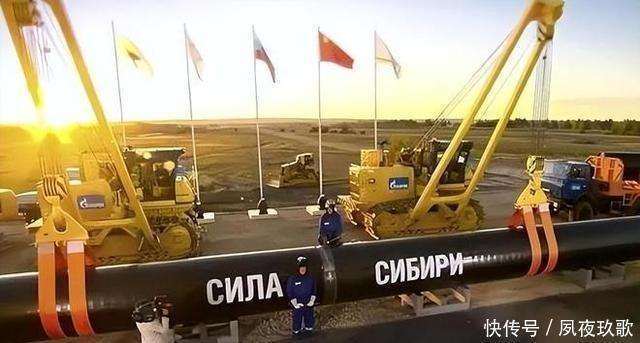
“西伯利亚力量”越发强大:中俄能源合作既是生意,更超越生意
Sou Hu Cai Jing· 2025-09-02 08:57
Group 1 - The core viewpoint emphasizes Russia's significant position in China's energy import market, particularly in oil and natural gas, with over 1,000 billion cubic meters of natural gas delivered since the launch of the "Power of Siberia" pipeline in 2019 [1] - The "Power of Siberia" pipeline is not only a commercial project but also a strategic initiative for China's energy security, showcasing the resilience of Sino-Russian relations amid geopolitical challenges [1][4] - The ongoing cooperation between China and Russia in energy is a response to the changing international landscape, with China becoming Russia's most important and stable market for natural gas exports [4] Group 2 - The contrast between the successful "Power of Siberia" project and the troubled "Nord Stream" project highlights the vulnerabilities in international energy infrastructure and the geopolitical implications of energy cooperation [2] - Despite a decline in trade volume between China and Russia in early 2025, the need for a stable strategic partnership remains crucial for both nations to navigate ongoing challenges posed by Western sanctions [7] - The collaboration in energy has evolved beyond mere commercial interests, becoming a vital pillar for both countries to maintain stability and development in a turbulent international environment [9]

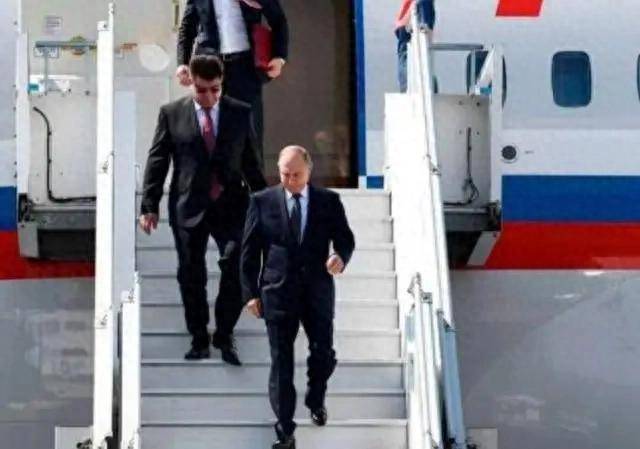
中国的生意特朗普想截胡,普京听完美方条件,没对中方透露一个字
Sou Hu Cai Jing· 2025-08-29 06:28
Group 1 - The core issue revolves around Trump's attempts to disrupt China's energy business with Russia by offering incentives to Russia, including easing sanctions on the "Arctic LNG 2" project and encouraging Russia to procure U.S. equipment instead of collaborating with China [1][3] - The "Arctic LNG 2" project, with a total investment of $21 billion, is crucial for Russia's goal to increase its global LNG market share to 20% by 2030, and it has faced significant challenges due to U.S. sanctions [3] - China has stepped in to support the project by providing essential technology and equipment, demonstrating a strong collaborative relationship with Russia that is based on mutual respect and long-term strategic cooperation [3][5] Group 2 - Putin's silence regarding U.S. proposals indicates confidence in the stability of Sino-Russian cooperation, as he is aware of the unreliability of U.S. commitments and the potential for the U.S. to reimpose sanctions [5][6] - The energy cooperation between China and Russia has expanded beyond individual projects, with a 29.4% year-on-year increase in pipeline gas imports from Russia to China from January to May this year, indicating a deepening partnership [5][6] - The U.S. approach to cooperation is heavily influenced by geopolitical considerations, contrasting with China's non-political conditions for energy technology and equipment collaboration, making it unlikely for Russia to abandon its partnership with China [6][8]


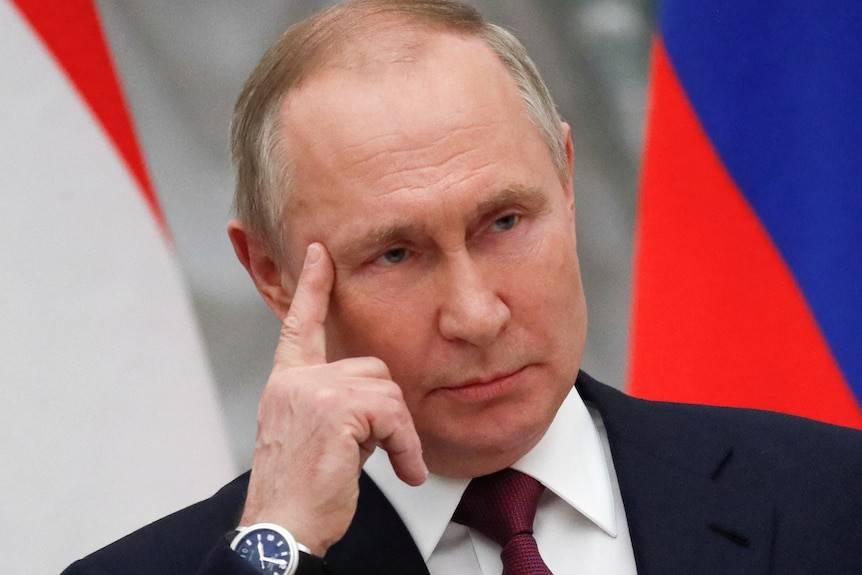
中俄合作天然气管道,俄坚持要途经蒙古国,我国为何拒绝投资?
Sou Hu Cai Jing· 2025-08-08 04:27
Core Viewpoint - The energy cooperation between China and Russia, particularly in the natural gas sector, has deepened over the years, with both countries having significant interests in expanding their collaboration despite facing challenges in new pipeline projects [1][3]. Group 1: Historical Context and Existing Projects - China and Russia began discussions on natural gas pipelines in the early 2000s to efficiently transport Russian gas to meet China's growing energy demands [1]. - The "Power of Siberia" pipeline, which started operations in 2019, has a capacity of 38 billion cubic meters per year and has been a successful model of energy cooperation between the two nations [4]. Group 2: Challenges in New Pipeline Projects - The proposed "Power of Siberia 2" pipeline, intended to transport 50 billion cubic meters of gas annually, has faced significant obstacles, particularly due to Russia's insistence on routing the pipeline through Mongolia [3][6]. - China's refusal to accept the proposed route through Mongolia stems from concerns over geopolitical security, environmental impact, and increased economic costs associated with a longer pipeline [9][11][12]. Group 3: Economic and Strategic Considerations - Russia's strategic interest in routing the pipeline through Mongolia includes strengthening ties with Mongolia and diversifying its gas export markets, especially in light of reduced demand from the EU [7]. - The ongoing negotiations have been complicated by price disputes, with Russia seeking European market prices while China insists on domestic market rates, leading to a stalemate in discussions [14][16]. Group 4: Future Prospects - As of 2023, negotiations remain unresolved, with China demanding that Russia cover construction costs and maintain lower prices, while Russia may need to consider alternative routes or expand existing pipelines [16][17]. - The potential for Mongolia's involvement in the project appears increasingly unrealistic, and future energy cooperation will depend on resolving these ongoing disputes [17].
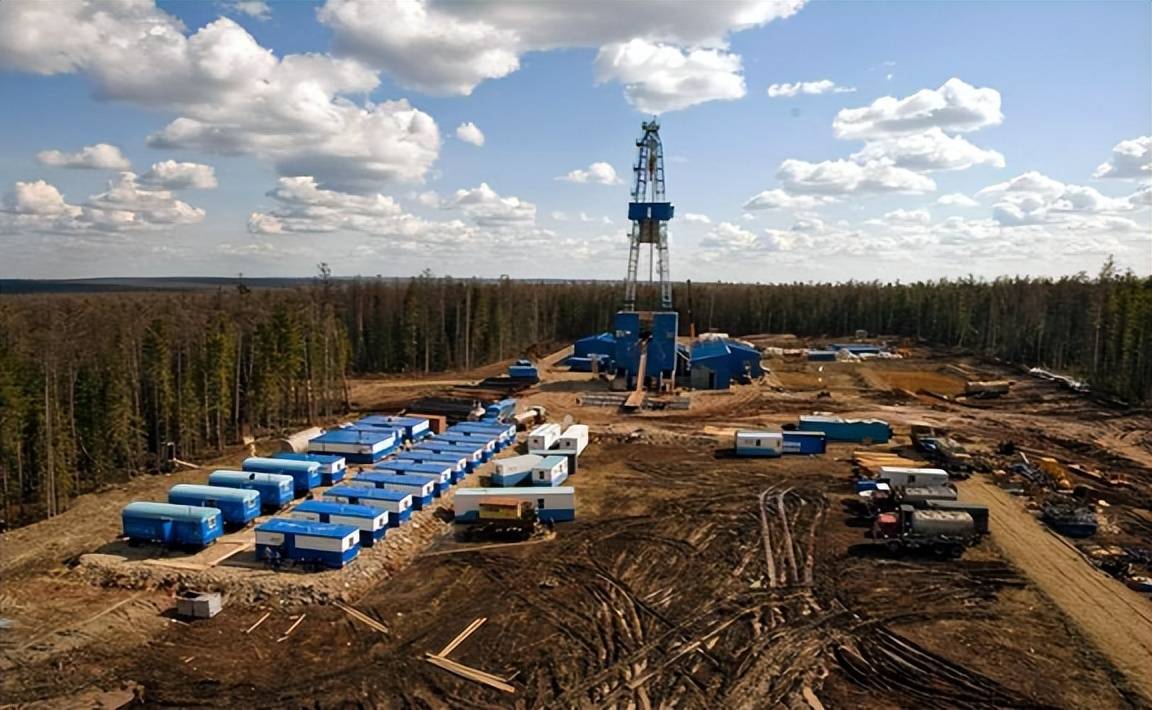
普京这步棋走对了?8月2日,中美俄能源贸易传来最新消息
Sou Hu Cai Jing· 2025-08-02 23:21
Group 1 - The article highlights China's strong response to the recent U.S. sanctions, indicating a firm stance on energy security and a commitment to maintaining its energy cooperation with Russia [2][3][5] - The U.S. sanctions, which threaten punitive tariffs of up to 500% on potential Russian oil imports by China, are seen as an attempt to disrupt the growing energy trade between China and Russia [3][5] - The historical context of China-Russia energy cooperation is emphasized, noting that their partnership has deep roots and has become essential for both countries, especially in light of Western sanctions against Russia [5][7] Group 2 - China's energy import diversification strategy is underscored, with significant investments in LNG terminals and advanced shale gas extraction technologies, enhancing its domestic energy security [7][8] - The article points out the increasing military and strategic cooperation between China and Russia, including joint naval exercises and collaborative projects in high-tech sectors [8][10] - The narrative suggests that U.S. reliance on unilateral sanctions is ineffective against the resilient partnership between China and Russia, which continues to strengthen despite external pressures [8][12]
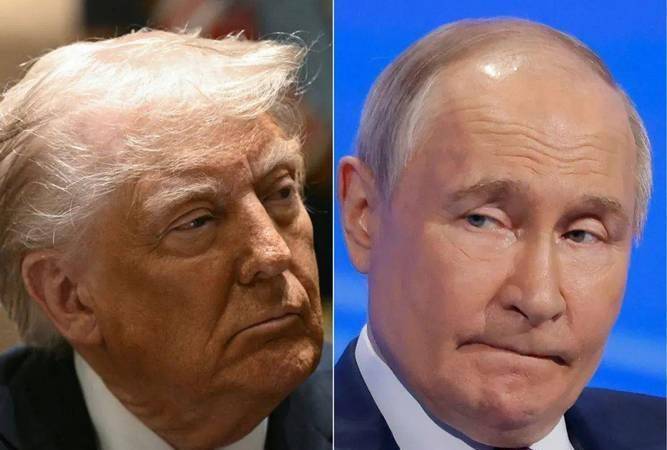
俄罗斯国库告急!普京急盼中国拉一把,但是得先明白一个道理
Sou Hu Cai Jing· 2025-06-23 23:21
Group 1 - The core viewpoint of the articles highlights the deepening energy cooperation between China and Russia amidst complex geopolitical dynamics and Russia's economic challenges [1][3][4] - In April 2025, Chinese and Russian energy officials met to discuss enhancing energy cooperation, emphasizing the strategic nature of their partnership [3][4] - Russia has increased its oil supply limit to China from 10 million tons to 12.5 million tons, reflecting its reliance on China to alleviate economic pressures [3][4] Group 2 - The "Power of Siberia 2" gas pipeline project faces challenges regarding its route, with considerations of passing through Mongolia or Kazakhstan, both presenting logistical and financial hurdles [4][6] - Mongolia's role in the energy cooperation is complicated by its geopolitical stance, which may affect the stability and cost of energy transit [6][8] - The long-term prospects of Sino-Russian energy cooperation are promising, but require careful navigation of mutual interests and geopolitical factors [8][9]
中俄大后方生变?普京发狠,中国已经做好打算
Sou Hu Cai Jing· 2025-06-02 09:42
Strategic Background of Sino-Russian Energy Cooperation - Russia, as the world's second-largest energy exporter, faces significant challenges in its energy market due to Western sanctions following the Ukraine conflict, making China a crucial market for its natural gas exports [1] - The "Power of Siberia 2" pipeline project aims to transport 50 billion cubic meters of natural gas annually from Russia's Yamal Peninsula to northeastern and northern China, which is strategically important for both countries [3][4] Mongolia's Miscalculation and Marginalization - Mongolia was initially seen as an ideal transit country for the pipeline but demanded excessive transit fees of $2 to $3 billion annually, nearly half of its GDP, leading to Russian dissatisfaction and a shift towards Kazakhstan for new pipeline discussions [4][8] - Mongolia's diplomatic strategy of aligning with the U.S. and Japan, including signing the Open Skies Agreement, has been perceived as a double-edged sword by both China and Russia [8] - The new Mongolian government's five-year action plan omits the "Power of Siberia 2" project, indicating a potential abandonment of this cooperation opportunity [8] Kazakhstan's Rise as a New Energy Partner - Kazakhstan, rich in oil and gas resources, has become a significant partner for China and Russia, with a new pipeline agreement signed in May 2024 to transport gas from Kostanay to Ust-Kamenogorsk, expected to be operational by 2030 with an annual capacity of 35 billion cubic meters [10][13] - This new pipeline will not only meet northern China's energy needs but also provide 10 billion cubic meters of gas to Kazakhstan, enhancing its energy security and creating job opportunities [10][14] Implications for Sino-Russian Relations - The shift in pipeline routes reflects a strategic understanding between China and Russia, with both countries adapting to changing circumstances while maintaining energy security [13][14] - China's diverse energy supply network mitigates the impact of these changes, ensuring that any energy cooperation must be competitive to attract Chinese investment [14] - The deepening Sino-Russian energy cooperation is expected to strengthen the Shanghai Cooperation Organization's cohesion, with Kazakhstan emerging as a key player in the Central Asian energy market [16]
中俄已谈妥,邻国等到机会,250万吨石油过境,蒙古还是晚了一步
Sou Hu Cai Jing· 2025-05-28 09:51
Group 1 - Russia plans to increase oil supply to China by 2.5 million tons annually through Kazakhstan to meet China's growing energy demand [3][11] - Energy cooperation is viewed as the driving force behind Sino-Russian relations, with Russia extending supply contracts to 12.5 million tons and extending the contract period to 2034 [3][5] - Discussions are ongoing regarding alternative transportation routes to maintain a dynamic balance in supply and demand [3][5] Group 2 - The "Power of Siberia 2" gas pipeline negotiations are progressing, with plans to further increase oil and gas supplies to China by 2025 [5] - Current Central Asian gas pipelines are at full capacity, limiting the ability to transport additional Russian gas, which complicates the proposed Kazakhstan route [5][7] - The feasibility of the Kazakhstan route is questioned due to high costs and logistical challenges, leading to a preference for involving Mongolia or direct pipelines to China [7][9] Group 3 - Kazakhstan's strategic position in Central Asia remains significant for energy logistics, potentially enhancing energy cooperation and security in the region [9][11] - Despite rejecting the Kazakhstan proposal, China is encouraged to strengthen political and economic ties with Mongolia to mitigate external influences [9][11] - The evolving energy cooperation landscape suggests that strategic patience and adaptability will be crucial for navigating future challenges in the global energy market [11]
特大喜讯!美国没料到,普京突然出手,中国石油打了一场翻身仗
Sou Hu Cai Jing· 2025-05-24 11:28
Group 1: Oil and Gas Production - The Fuman Oilfield, located in the Taklamakan Desert, is China's largest ultra-deep oilfield with cumulative oil and gas production exceeding 20 million tons [1] - The oilfield has drilled 144 ultra-deep wells over 8,000 meters, making it the oilfield with the most 8,000-meter deep wells in China [1] - The area of the oilfield is 17,000 square kilometers, with oil and gas resources exceeding 1 billion tons, making it the deepest and largest oil production area in China [1] Group 2: Exploration and Technology - The Tarim Basin has been advancing oil and gas exploration into ultra-deep layers, drilling nearly 200 ultra-deep wells annually and over 3,000 in total [1] - 90% of the oil and gas reserves found in the Tarim Oilfield come from ultra-deep layers, with annual production from these layers exceeding 20 million tons [1] - Technological advancements in ultra-deep drilling are accelerating the utilization of oil and gas reserves [1] Group 3: Sino-Russian Energy Cooperation - Russia is willing to increase its annual oil supply to China by 2.5 million tons, with a new supply cap of 12.5 million tons set to last until 2034 [3] - The "Power of Siberia" gas pipeline has been operational with an annual capacity of 38 billion cubic meters, significantly enhancing Sino-Russian gas trade [3] - The "Power of Siberia 2" gas pipeline project is underway, designed to have an annual capacity of 50 billion cubic meters, further deepening energy cooperation between the two countries [3] Group 4: Strategic Considerations - The involvement of Kazakhstan in the oil supply chain is seen as a strategic move to mitigate sanction risks and optimize costs [5] - The land-based pipeline transport is expected to save $3-5 per barrel compared to maritime routes, enhancing the economic viability of the oil trade [5] - The current geopolitical landscape encourages Russia to strengthen its economic ties with China as a counterbalance to Western pressures [7]

中俄能源合作新篇章,美对策失效?特朗普为何陷入两难境地
Sou Hu Cai Jing· 2025-05-24 04:26
Group 1 - The core viewpoint of the article highlights the evolving geopolitical landscape, particularly focusing on the energy cooperation between China and Russia, which is reshaping international relations and challenging U.S. strategies [1][3][7] - Russia's Deputy Prime Minister Novak announced an increase in oil supply to China by 2.5 million tons, enhancing the existing cooperation and boosting Russia's economy after losing the European market [1][3] - The collaboration includes raising the oil supply limit to 12.5 million tons at the western refinery and plans for further projects like the "Power of Siberia-2" pipeline over the next nine years [1][3] Group 2 - The article discusses the complexities of the Russia-Ukraine negotiations, which are now focusing on political and technical issues, with military and diplomatic representatives involved [5][7] - China's proposals during this period have received positive responses from Ukraine, indicating China's growing influence in international affairs and its advocacy for peace [5][9] - The absence of key figures like Putin and Trump from the negotiations suggests a shift in the dynamics of the conflict and the challenges faced by the U.S. in its attempts to balance power [3][5][7] Group 3 - The article emphasizes that the U.S. is increasingly sensitive to the developments in Sino-Russian relations, as their cooperation poses a significant challenge to U.S. containment strategies [7][11] - The changing global power dynamics are leading to a re-evaluation of how countries interact, with China showcasing resilience and a successful diversification strategy [7][9] - The future of international relations may require patience and wisdom to adapt to these changes, with countries seeking to assert their own destinies rather than being pawns of larger powers [9][11]
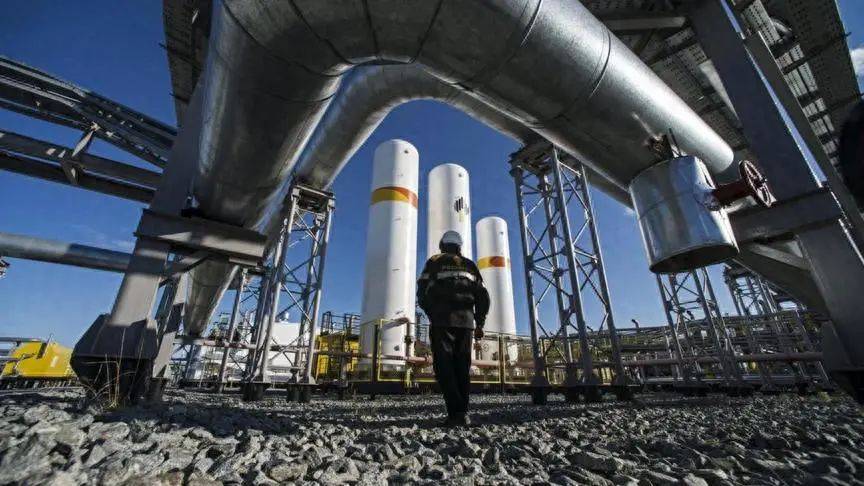
中俄能源合作再升级!俄罗斯愿增供石油,技术方案成关键
Sou Hu Cai Jing· 2025-05-20 07:53
Core Viewpoint - The announcement of Russia's plan to increase oil supply to China by 2.5 million tons per year through Kazakhstan highlights the strengthening energy cooperation between China and Russia, which is expected to positively impact the global energy market [1][2]. Group 1: Demand and Response - The increase in oil supply is a response to China's energy demand, showcasing Russia's willingness to cooperate and support this initiative [2]. - Russian Deputy Prime Minister Novak emphasized the need for specific technical solutions to ensure the supply, indicating a commitment to addressing China's energy needs [2]. Group 2: Technical Solutions - The development of a technical plan for expanding oil exports through Kazakhstan is crucial, involving enhancements in pipeline capacity, infrastructure development, and safety measures [3]. - The successful resolution of these technical challenges is essential for ensuring stable and efficient oil supply [3]. Group 3: Potential for Deeper Cooperation - The increase in oil supply is part of a broader trend of deepening energy cooperation between China and Russia, which includes oil, natural gas, and liquefied natural gas [4]. - In 2024, China's crude oil imports from Russia are projected to reach 108.47 million tons, accounting for 19.6% of China's total crude oil imports [4]. Group 4: Strategic Importance - The collaboration between China and Russia in the energy sector is increasingly important amid global energy market uncertainties, with China needing stable energy supplies for economic growth and Russia seeking to expand its market in the Asia-Pacific region [5]. - This partnership not only enhances energy security for both nations but also contributes positively to the stability of the global energy market [5]. Group 5: Conclusion - The ongoing deepening of energy cooperation between China and Russia reflects their strategic partnership, with the recent proposal to increase oil supply underscoring mutual trust and collaboration [6]. - While the technical solutions require time to develop, there is confidence that these issues will be resolved, leading to a more significant role for China-Russia energy cooperation in the global energy landscape [6].