
军国主义复活

Search documents
“任何开历史倒车、破坏稳定的行为,都必将遭到各国反对”(国际视点)
Ren Min Ri Bao· 2025-12-16 22:30
"任何复活军国主义的举动都值得警惕" 自11月7日在国会公然宣称所谓"台湾有事"可能构成日本"存亡危机事态"以来,日本首相高市早苗非但 没有悬崖勒马,拒不撤回错误言论,反而不断进行狡辩,旨在歪曲事实、混淆视听。针对高市错误言 行,中方多次严正交涉、强烈抗议,日本国内和国际社会也持续发出批评。多方人士认为,高市错误言 行是战后日本右翼势力拒绝反思历史逆流的缩影,国际社会务必对日本历史罪行予以彻底清算,对日本 军国主义死灰复燃予以高度警惕。日方应深刻反省对包括中国在内的亚洲国家人民犯下的累累罪行,停 止一切歪曲美化侵略历史的错误行径。 "日本这种极右的历史观十分危险" 连日来,日本有识之士纷纷表态,批评高市言论明显偏离历届日本政府在台湾问题上的基本立场,强烈 要求其立即撤回相关表述,避免日中关系进一步紧张。 日本"继承和发展村山谈话会"理事长藤田高景对本报记者表示,高市在国会上的答辩践踏了1972年《日 中联合声明》,这是"破坏日中关系不可原谅的发言"。高市还声称"那场战争并非侵略",藤田高景认 为,"日本这种极右的历史观十分危险"。 日本山口大学名誉教授纐纈厚对本报记者表示,日本应该深刻反省军国主义给中国等亚洲 ...
多国媒体刊文严厉抨击高市早苗错误言行
Yang Guang Wang· 2025-12-11 03:07
央广网北京12月11日消息 据中央广播电视总台中国之声《新闻和报纸摘要》报道,多国媒体刊文 严厉抨击日本首相高市早苗导致地区局势紧张、美化侵略历史的行径。日本《每日新闻》刊文称,高市 的涉台错误言论导致地区局势紧张,且看不出对此有任何反省。在之前的党首辩论中,高市只是强 调"通过对话来构建更加良好的日中关系",却未能提出具体措施。 俄罗斯《莫斯科共青团员报》刊文指出,高市此前发表的涉台错误言论并非失言,而是日本持续推 动修正二战战败结果的又一动作。文章警告,日本的扩军、谋求核武等倾向可能危及地区安全,呼吁俄 中及周边国家加强协调,抵制日本复活军国主义的动向。 东盟中国投资促进会会长陈荣立在马来西亚《星洲网》撰文表示,高市在吉隆坡向战死日军的"慰 灵碑"献花,此举激起马来西亚乃至整个东南亚地区人民公愤。高市应为日军的侵略史公开道歉,而非 通过政治伎俩,扭曲事实。 ...
台湾回归中国的事实和法理不容置疑
Xin Hua She· 2025-12-09 01:51
Core Viewpoint - The Chinese government, represented by Foreign Minister Wang Yi, asserts that Taiwan has historically been part of China and condemns recent remarks by Japanese leaders regarding the use of force in Taiwan as a serious infringement on China's sovereignty and territorial integrity [1][2]. Group 1: Historical Context - Taiwan has been recognized as Chinese territory since ancient times, with the Cairo Declaration of December 1943 stating that Japan must return territories stolen from China, including Taiwan [2]. - The Potsdam Declaration, signed in July 1945, reiterated the conditions of the Cairo Declaration, which were to be implemented following Japan's defeat [2]. - Following Japan's surrender on August 15, 1945, the Chinese government announced the restoration of sovereignty over Taiwan on October 25, 1945, marking the end of Japanese rule [2]. Group 2: Legal and Political Assertions - The establishment of the People's Republic of China in 1949 replaced the Republic of China as the legitimate government of all Chinese territories, including Taiwan [2]. - The UN General Assembly Resolution 2758 in 1971 restored all rights of the People's Republic of China in the UN and expelled representatives of Taiwan, confirming Taiwan as a part of China [2]. - The 1972 Sino-Japanese Joint Statement acknowledged the People's Republic of China as the sole legitimate government of China and recognized Taiwan as an inseparable part of Chinese territory [2][3]. Group 3: Current Implications - Wang Yi emphasized that the historical and legal facts firmly establish Taiwan as part of China, and any attempts at "Taiwan independence" are seen as a violation of Chinese sovereignty and international law [3]. - The remarks by Japanese leaders are viewed as a challenge to the outcomes of World War II and pose a threat to peace in Asia and the world [1][3]. - Wang Yi called for reflection from Japan, especially given its historical actions in Taiwan, and urged the international community to prevent any resurgence of militarism or militarization from Japan [3].
王毅:台湾地位已被“七重锁定”
财联社· 2025-12-08 23:49
Core Viewpoint - The article emphasizes that Taiwan has historically and legally been a part of China, and recent statements from Japanese leaders regarding Taiwan are seen as a serious infringement on China's sovereignty and territorial integrity [1][6]. Historical Context - Taiwan has been recognized as Chinese territory since ancient times, with the Cairo Declaration of December 1943 stating that Japan must return Taiwan to China after World War II [2]. - The Potsdam Declaration of July 1945 reiterated the conditions of the Cairo Declaration, and Japan's surrender in August 1945 confirmed its commitment to these terms [3]. - The establishment of the People's Republic of China in 1949 marked the beginning of its sovereignty over all Chinese territory, including Taiwan [4]. - The UN General Assembly Resolution 2758 in 1971 restored the rights of the People's Republic of China in the UN and expelled representatives of Taiwan, affirming Taiwan as a part of China [4]. - The 1972 Sino-Japanese Joint Statement acknowledged the People's Republic of China as the sole legitimate government of China and recognized Taiwan as an inseparable part of Chinese territory [4]. Legal and Political Assertions - The article argues that a series of historical facts politically and legally confirm Taiwan as part of China, stating that any attempts at "Taiwan independence" are seen as a violation of both Chinese and international law [6]. - The article highlights the significance of the 80th anniversary of China's victory in the War of Resistance against Japan, urging Japan to reflect on its past actions and avoid militaristic rhetoric regarding Taiwan [6].

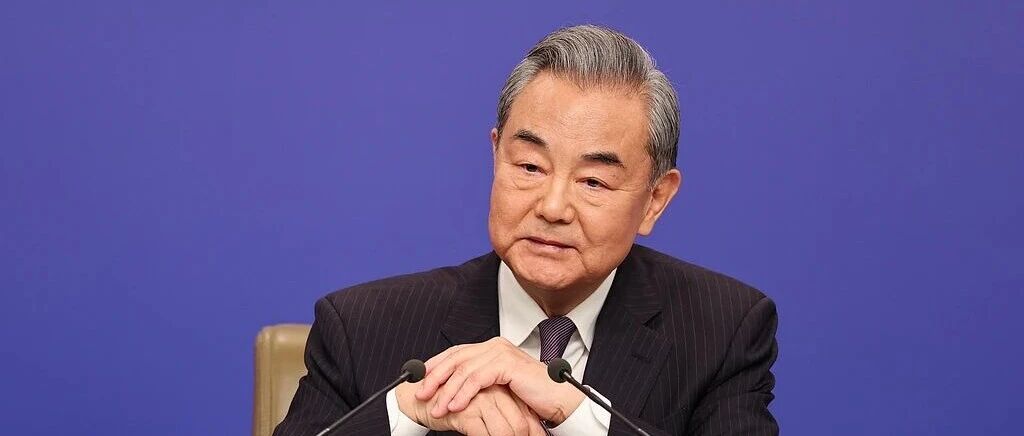
王毅:台湾地位已被“七重锁定”
Xin Hua She· 2025-12-08 21:11
Core Viewpoint - The Chinese Foreign Minister Wang Yi emphasized that Taiwan has historically and legally been part of China, responding to recent provocative statements from Japanese leaders regarding the use of force in Taiwan, which he claims violate China's sovereignty and challenge international order established post-World War II [1][2][3] Group 1: Historical Context - Taiwan has been recognized as Chinese territory since ancient times, with the Cairo Declaration of December 1943 stating that Japan must return territories stolen from China, including Taiwan [2] - The Potsdam Declaration of July 1945 reiterated the conditions of the Cairo Declaration, and Japan's surrender in August 1945 confirmed its commitment to these terms [2] - The Chinese government announced the restoration of sovereignty over Taiwan on October 25, 1945, following Japan's defeat [2] Group 2: Legal and Political Assertions - The establishment of the People's Republic of China in 1949 positioned it as the sole legitimate government representing all of China, including Taiwan [2] - The UN General Assembly Resolution 2758 in 1971 restored all rights of the People's Republic of China in the UN and expelled Taiwan's representatives, affirming Taiwan as a part of China [2] - The 1972 Sino-Japanese Joint Statement acknowledged the PRC as the only legitimate government of China and recognized Taiwan as an inseparable part of Chinese territory [2][3] Group 3: Current Implications - Wang Yi stated that the historical facts and legal principles firmly establish Taiwan's status as part of China, and any attempts at "Taiwan independence" are seen as a violation of both Chinese and international law [3] - He criticized Japan's current leadership for making threats regarding Taiwan, urging reflection on Japan's wartime actions and warning against militarization and revival of militaristic ambitions [3]
提出400亿美元军火采购预算,赖清德遭舆论痛批!国台办:吃“媚日”饭,干卖台勾当,言行令人作呕
Mei Ri Jing Ji Xin Wen· 2025-11-26 16:30
每经编辑|许绍航 11月26日,赖清德发文表示,将提出"史无前例的"400亿美元特别预算案,向美国大量采购军备,然而,该举遭到了岛内舆论炮轰。 当日,国台办回应有关"赖清德声援高市、为其辩护"的提问时也指出,赖清德吃的是"媚日"的饭、干的是卖台的勾当其言其行令人作呕。诚然,赖清德完 全站到民族和民意的对立面,必将自取其辱! 提出400亿美元军火采购预算 赖清德遭舆论炮轰 据台海网及中国新闻社,11月26日,赖清德在美国《华盛顿邮报》高调发表署名文章。在文中其称,将提出"史无前例的"400亿美元特别预算案,主要用 于向美国大量采购军备,"强化台湾的不对称作战能力"。 令人匪夷所思的是,这篇文章发布前,台湾民众对此事并不知情,事后赖清德才召开记者会宣布此事。 对此,岛内舆论质疑,赖清德狠花民众的纳税钱,是真想买台湾的安全,还是只为买他个人的安全感?担忧赖清德正用执拗、顽固的"台独"幻想,将台湾 一步步拖入战火。 台湾中华战略学会资深研究员张竞发文表示:当消息早已曝光之后,赖清德再召开记者会,向台湾社会说明,就先后次序来说,实在让人觉得相当遗憾。 社媒晒吃日料,声援高市 国台办:其言行令人作呕 11月26日,有记者 ...

专家:必须坚决阻击日本右翼势力妄图复活军国主义的危险动向
Xin Hua She· 2025-11-25 12:19
Core Viewpoint - The article emphasizes the need for vigilance against Japan's right-wing forces attempting to revive militarism, particularly in light of recent statements by Prime Minister Suga Yoshihide regarding Taiwan's situation, which could lead to military intervention [2][3][4]. Group 1: Political Context - Prime Minister Suga's remarks about Taiwan potentially posing an existential crisis for Japan reflect a dangerous trend of right-wing militarism in Japan, aiming to escape the constraints of the post-war "peace constitution" [2][3]. - The suggestion of military intervention in Taiwan is seen as a blatant threat of war, contradicting Japan's commitments under international law and its own constitution [3][4]. Group 2: Historical Precedents - The article draws parallels between current rhetoric and historical instances where Japan exaggerated external threats to justify military aggression, such as the invasion of Manchuria in 1931 and the broader expansion during World War II [4][5]. - Experts highlight that Japan's past actions, justified by fabricated crises, serve as a warning against repeating history [4][5]. Group 3: Regional Implications - The potential shift in Japan's defense policy, including increased military spending and the development of offensive capabilities, raises concerns among neighboring countries about regional security [5][6]. - The article calls for a united response from peace-loving nations to counteract the revival of militarism and uphold international peace [6].
人民日报:狂妄言行背后是错误历史观作祟
Ren Min Ri Bao· 2025-11-23 23:43
Core Viewpoint - The article emphasizes the importance of remembering historical lessons, particularly regarding Japanese militarism, and condemns recent statements by Japanese Prime Minister Sanae Takaichi regarding Taiwan as a potential justification for collective self-defense, reflecting a dangerous historical perspective [1][2]. Group 1 - Takaichi's remarks about Taiwan represent a revival of militaristic views in Japan, which are rooted in a distorted understanding of history [1][2]. - The article highlights the atrocities committed by Japanese troops during the Nanjing Massacre, illustrating the historical context that informs current political rhetoric [1]. - There is a contrast drawn between Takaichi and other Japanese politicians who acknowledge and reflect on Japan's wartime actions, suggesting a divide in contemporary Japanese political thought [2][3]. Group 2 - The article recalls the visits of former Japanese Prime Ministers who have shown remorse for Japan's wartime actions, indicating that there are still voices in Japan advocating for a correct understanding of history [2]. - It stresses that denying historical facts does not erase them, and that recognizing the truth is essential for peace and reconciliation between China and Japan [3].
高市早苗错误言论导致中国游客赴日意愿持续降低 国际人士称纽伦堡审判应当成为其他国家正视自身历史的典范
Yang Guang Wang· 2025-11-21 02:33
Group 1 - Japanese Prime Minister Kishi Nobuo's recent remarks regarding Taiwan are seen as a betrayal of Japan's pacifist constitution and a provocation against China's internal affairs and post-war international order [1] - Concerns over deteriorating Sino-Japanese relations have led to a decline in Japanese stocks related to inbound tourism, with significant cancellations of Chinese tourist bookings to Japan [1] - The establishment of a new intelligence agency in Japan has drawn criticism, being compared to a similar institution from Japan's militaristic past, raising alarms about a potential revival of militarism [1] Group 2 - Russia is commemorating the 80th anniversary of the Nuremberg Trials with an international forum, emphasizing the historical significance and principles of the trials [2] - The Nuremberg Trials serve as a warning to the world on how to properly address historical responsibilities and accountability [2]
外交部:如日方拒不撤回涉台错误言论 中方将不得不采取严厉坚决的反制措施
Xin Lang Cai Jing· 2025-11-20 15:23
Group 1 - The core viewpoint of the article emphasizes that Japanese Prime Minister Fumio Kishida's remarks regarding Taiwan have fundamentally harmed the political foundation of China-Japan relations, provoking strong public outrage in China [1] - The Chinese government has issued a stern warning to Japan, urging it to retract its erroneous statements and to cease creating incidents related to China, indicating that failure to do so will result in severe countermeasures from China [1] - The spokesperson highlighted that Japan's historical use of the concept of "survival crisis" as a pretext for military aggression is a dangerous precedent that must not be repeated, referencing past events such as the Mukden Incident and the Pacific War [3] Group 2 - The article mentions that China has suspended imports of Japanese seafood due to Japan's failure to provide promised technical materials ensuring product safety, which is a prerequisite for such exports [3] - The spokesperson noted that the current political climate, exacerbated by Kishida's controversial statements, has led to a lack of market for Japanese seafood in China, regardless of its quality [3]