医疗科技创新

Search documents
中英医疗科创高峰论坛成功举办 BMJ推动全球医学创新协同发展
Huan Qiu Wang· 2025-09-17 08:12
Core Viewpoint - The 2025 Capital International Medical Conference emphasizes the importance of international collaboration in medical technology innovation, particularly between China and the UK, to enhance global health governance and address common health challenges [3][4][6]. Group 1: Conference Highlights - The conference was attended by over 1,500 leaders and experts, showcasing the commitment to advancing medical technology and health research [1]. - Keynote speeches included a presentation by Kamran Abassi, editor of the British Medical Journal, focusing on deepening Sino-British medical technology cooperation [3][4]. - The conference featured the release of the "2025 China Hospital Research Impact Report," which analyzes the citation of Chinese hospital research in global health policies and clinical guidelines over the past 20 years [5][6]. Group 2: Report Insights - The report covers the period from 2005 to 2024 and evaluates how research from selected hospitals translates into real-world impacts, highlighting the contributions of Chinese hospitals to global health policy [5][6]. - A total of 12,601 research outputs from Chinese hospitals were cited in health policies and clinical guidelines across over 75 countries, with a total citation count of 34,675 [5]. - The report underscores the growing international influence of Chinese medical research in shaping healthcare standards and improving patient outcomes globally [6]. Group 3: Collaborative Opportunities - The Sino-British Medical Technology Innovation Forum gathered policymakers, hospital managers, and medical researchers to discuss opportunities for collaboration in addressing shared healthcare challenges [7][8]. - Experts discussed the importance of data-driven approaches and the role of artificial intelligence in advancing medical innovation, while also acknowledging the challenges that lie ahead [8][9]. - The conference initiated a competition for innovative medical technology projects, aiming to foster an open and collaborative ecosystem for medical innovation in China [9].

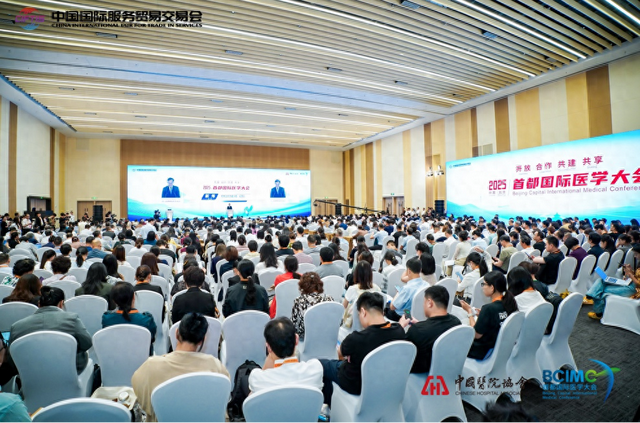
BMJ推动医学创新协同发展 为全球健康事业注入中国力量
2 1 Shi Ji Jing Ji Bao Dao· 2025-09-16 16:11
Core Viewpoint - The 2025 Capital International Medical Conference emphasizes the importance of international cooperation in medical technology innovation and aims to enhance global health governance through collaborative efforts between China and the UK [2][4][18]. Group 1: Conference Highlights - The conference was attended by over 1,500 leaders and experts, including officials from the National Health Commission and the World Health Organization [1]. - Keynote speeches focused on the shared vision of health for all and the need for collaborative networks to address global health challenges [2][4]. - The conference featured the release of the "2025 China Hospital Research Impact - Global Health Policy and Clinical Guidelines Twenty-Year Citation Report," which analyzes the citation of Chinese hospital research in international guidelines [7][8]. Group 2: Report Insights - The report covers the period from 2005 to 2024 and evaluates how research from selected Chinese hospitals has influenced global health policy and clinical practices [7]. - A total of 12,601 research outputs from ten leading hospitals were cited in health policies and clinical guidelines across over 75 countries, with a total citation count of 34,675 [8]. - The report highlights the growing role of Chinese hospital research in shaping international medical standards and improving patient outcomes globally [8]. Group 3: Collaborative Opportunities - The forum discussed the complementary strengths of China and the UK in medical technology innovation, aiming for deeper and broader cooperation [4][14]. - Experts emphasized the importance of addressing common healthcare challenges, particularly in the context of an aging population, through innovative solutions [14]. - The event also launched a competition for medical technology innovation projects, aimed at fostering an open and collaborative ecosystem for medical innovation in China [18].
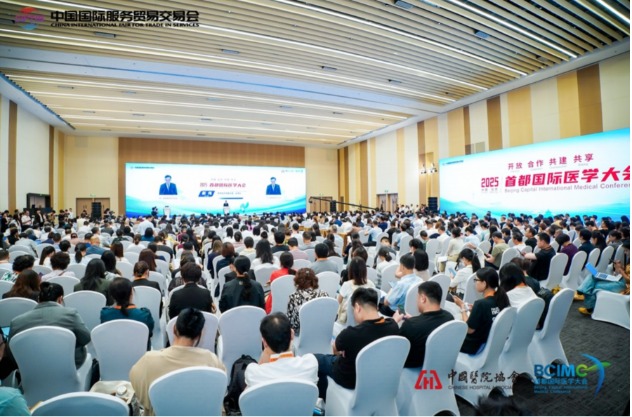
BMJ推动医学创新协同发展,为全球健康事业注入中国力量
2 1 Shi Ji Jing Ji Bao Dao· 2025-09-16 13:01
Core Viewpoint - The 2025 Capital International Medical Conference emphasizes the importance of international collaboration in medical technology innovation, particularly between China and the UK, to enhance global health outcomes [1][3][5]. Group 1: Conference Highlights - The conference was attended by over 1,500 leaders and experts, including officials from the National Health Commission and the World Health Organization [1][2]. - Keynote speeches focused on the shared vision of health for all and the need for collaborative efforts to tackle global health challenges [3][5]. - The BMJ Group co-hosted a forum to promote Sino-British medical technology cooperation and released a significant report on the impact of Chinese hospital research [3][6]. Group 2: Report Insights - The report titled "2025 China Hospital Research Impact - Global Health Policy and Clinical Guidelines Twenty-Year Citation Report" analyzes the citation of Chinese hospital research in international clinical guidelines and health policies from 2005 to 2024 [6][7]. - It highlights that 12,601 research outputs from selected hospitals were cited by health policies and clinical guidelines in over 75 countries, with a total citation count of 34,675 [6][7]. - The report underscores the growing influence of Chinese medical research on international healthcare standards and practices [7]. Group 3: Opportunities for Collaboration - The forum facilitated discussions on the complementary strengths of China and the UK in medical technology innovation, aiming for deeper and broader cooperation [5][12]. - Experts discussed the importance of public databases and shared resources in enhancing Sino-British scientific collaboration [15]. - The conference also launched a competition for innovative medical technology projects, aiming to build a collaborative and mutually beneficial ecosystem for medical innovation [16].
中国医疗“黑科技”改变看病就医体验,重塑健康未来
Qi Lu Wan Bao· 2025-09-15 03:20
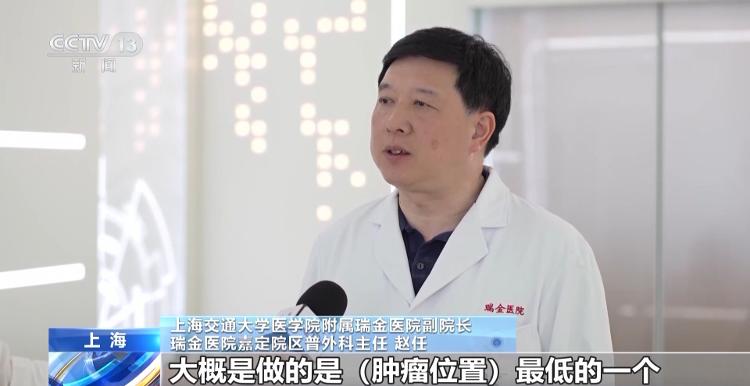
Group 1: Surgical Robotics - Recent advancements in surgical robotics include a remote single-port laparoscopic surgical robot used for rectal tumor removal, demonstrating the potential for remote surgeries over long distances [1][3] - The surgery was performed by a team in Shanghai while the patient was located in Jiangxi, showcasing the capabilities of the robot in challenging surgical environments [1][3] - The robot was modified based on feedback from surgeons, improving its functionality for complex procedures [5][7] - The collaboration between hospitals and tech companies has led to breakthroughs in domestic surgical robot development, overcoming patent barriers of traditional multi-port robots [9] Group 2: Non-invasive Blood Glucose Monitoring - A new non-invasive blood glucose meter has been developed, allowing patients to measure their blood sugar without finger pricks, addressing compliance issues associated with traditional methods [10][12] - The device uses near-infrared laser technology to measure glucose levels, achieving over 99% accuracy compared to traditional venous blood tests [18] - The innovation aims to enhance patient experience and could lead to the development of wearable devices for continuous glucose monitoring [16][20] Group 3: Stem Cell Drug Development - China has become a leader in new drug development, with over 20% of global new drugs in research, including the first domestically approved stem cell drug for acute graft-versus-host disease [21][26] - The stem cell drug offers a significant cost advantage, priced around 20,000 RMB compared to 190,000 USD for similar products in the US, reducing the financial burden on patients [25] - The approval of this drug marks a shift towards multi-target treatment approaches in complex diseases, enhancing treatment options for patients [25][26]
国家巡回医疗队将覆盖所有三级公立医院
第一财经· 2025-09-11 08:56
Core Viewpoint - During the "14th Five-Year Plan" period, China has established the world's largest healthcare service system, significantly improving the quality and efficiency of medical services [3][4]. Summary by Sections Healthcare System Development - China has built the largest healthcare service system globally, with enhanced service quality and efficiency [3]. - The National Health Commission has set up 13 categories of 26 national medical centers and 125 regional medical centers, with 114 provincial medical centers under construction or completed [6]. Medical Technology and Innovation - China ranks second globally in new drug research and development, with over 20% of the world's new drugs in development. Several innovative domestic drugs have been approved, filling gaps in the market [4]. - The domestic HPV vaccine has improved accessibility and affordability, with the nine-valent HPV vaccine now in use [4]. - Innovations in medical devices include the photon-counting CT, which offers 2-3 times better spatial resolution and faster scanning speeds, along with reduced radiation doses [4]. Disease Treatment and Management - A new colorectal cancer immunotherapy has increased the treatment effectiveness from 13% to 44%, with a 61% extension in progression-free survival [4]. - The average time for stroke patients to receive thrombolytic treatment has been reduced from 60 minutes to under 30 minutes, significantly improving outcomes [5]. - A personalized treatment model for systemic lupus erythematosus has been developed, achieving international leading levels in disease progression prediction and organ damage assessment [5]. Accessibility of Medical Resources - Starting this year, all tertiary public hospitals in China are mandated to provide mobile medical services, with 82 national mobile medical teams established [6]. - The "15th Five-Year Plan" aims to establish a comprehensive mobile medical system across five levels of governance, ensuring coverage in resource-poor counties [6].
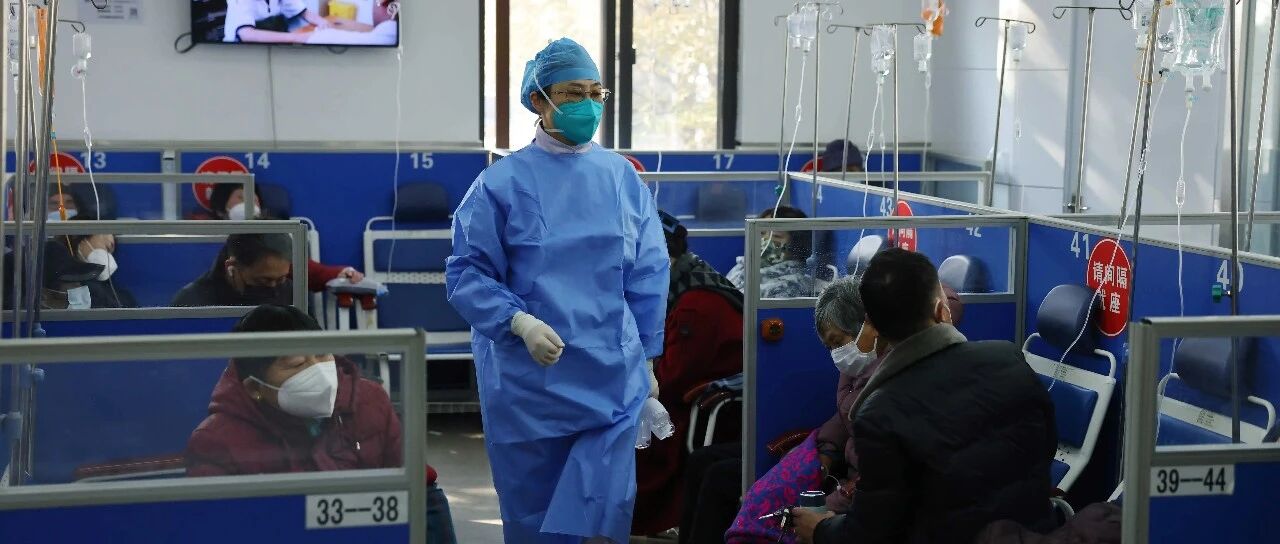
优质医疗下沉:国家巡回医疗队将覆盖所有三级公立医院
Di Yi Cai Jing· 2025-09-11 07:27
Core Insights - China has established the world's largest healthcare service system, significantly improving service quality and efficiency during the "14th Five-Year Plan" period [1] - The country has made notable advancements in medical technology innovation, particularly in drug and vaccine development, as well as medical equipment [1][2] Group 1: Healthcare System Development - The establishment of a national touring medical team composed of high-level tertiary hospitals and national medical centers aims to further enhance the accessibility of quality medical resources [1][4] - As of now, China has set up 26 national medical centers across 13 categories and is constructing or has built 114 provincial medical centers to provide quality healthcare services [4] Group 2: Drug and Vaccine Innovation - China ranks second globally in new drug development, with over 20% of new drugs in development worldwide, including several innovative drugs that have filled gaps in the domestic market [1][2] - The domestic HPV vaccine has been widely used, improving accessibility and affordability, with the recently launched nine-valent HPV vaccine offering comprehensive immunization options for women [1] Group 3: Medical Equipment Advancements - Innovations in medical devices include the photon-counting CT, which offers 2-3 times better spatial resolution than traditional CT, faster scanning speeds, and significantly reduced radiation doses [2] - The development of domestic high-end medical equipment such as orthopedic surgical robots and ECMO machines has improved surgical precision and patient outcomes [2] Group 4: Disease Treatment and Management - The average time for patients to receive thrombolytic treatment for stroke has been reduced from 60 minutes to under 30 minutes, greatly enhancing treatment efficacy [3] - Research on systemic lupus erythematosus has led to the creation of a personalized treatment model that has achieved international leading levels in disease progression prediction and organ damage assessment [3]
AI医生、手术机器人、飞行医院齐上阵!广东卫生新质生产力守护全民眼健康
Nan Fang Nong Cun Bao· 2025-09-10 12:03
Core Viewpoint - Guangdong Province is advancing healthcare innovation through the integration of AI, surgical robots, and mobile medical solutions to enhance eye health services and address disparities in healthcare access [1][4][9]. Group 1: Technological Innovations - The event showcased innovations in healthcare, including stem cell regeneration, AI diagnostics, surgical robots, and mobile eye clinics [3][4]. - Guangdong is prioritizing technological innovation as a core engine for high-quality healthcare development, focusing on clinical research, result transformation, and innovative medical device applications [10][12]. Group 2: Clinical Research and Development - Guangdong has established a robust clinical research support system, with nearly 50,000 registered clinical research projects and a leading number of approved stem cell clinical research projects in China [13][14]. - The province has implemented national pilot programs to enhance the efficiency of innovative drug and device development [15]. Group 3: Medical Technology Transformation - Guangdong is promoting equal innovation transformation policies for medical institutions and research organizations, including training for medical technology managers and the establishment of "innovation transformation clinics" [16][18]. - The province has introduced 125 types of medical products from Hong Kong and Macau, benefiting over 10,000 patients [22]. Group 4: Breakthroughs in Eye Disease Treatment - The Zhongshan University Eye Center has achieved global leadership in new technologies, drugs, and treatment models, including stem cell technology for congenital cataracts, which has shown a 30% improvement in long-term vision compared to traditional surgery [28][30][31]. - The center has developed the world's first eye drops that can reverse cataracts and new glaucoma medications that break international monopolies, currently in clinical trials [33][34][36]. Group 5: Mobile Healthcare Solutions - To address healthcare access issues, the Zhongshan Eye Center has developed an intelligent medical system utilizing AI and 5G technology, including a smart eye examination vehicle that has served over 16,000 infants [44][47]. - The center is also pioneering a high-precision eye surgery robot that enhances surgical safety and success rates, with plans for remote operations in underserved areas [51][54]. Group 6: Future Plans and Collaborations - The center aims to establish a comprehensive mobile healthcare system, including aerial, satellite, and maritime solutions for eye health, with plans for the first flight of the "Chinese Eye Flying Hospital" by the end of the year [57][60].


湖北医疗科技创新成果发布 十大高精尖技术展现医疗科技“硬核”实力
Zhong Guo Fa Zhan Wang· 2025-08-11 07:57
Core Insights - The event "Medical Technology Innovation Achievements Release Conference" showcased significant breakthroughs in medical technology from Hubei Province, emphasizing the region's innovation capabilities [1][6] - Four leading achievements from Tongji Hospital were highlighted, including advancements in pancreatic surgery, cervical cancer prevention, non-invasive brain-computer interface technology, and minimally invasive cardiac surgery [2][5] Group 1: Key Achievements - The "Chen's Pancreatic Intestinal Anastomosis" technique reduced the incidence of pancreatic fistula from 30% to 2%, demonstrating its widespread value across multiple provinces [2] - The comprehensive "China Solution" for cervical cancer prevention includes the world's first HPV integration detection kit and innovative therapeutic vaccines, aiming to provide a full-cycle protection system [2] - The first non-invasive brain-computer interface system in Central China was presented, aiding stroke patients in regaining limb function through advanced signal processing [2][6] - The "Myocardial Rotational Cutting Surgery," inspired by a pineapple knife, allows for minimally invasive treatment without chest opening, reducing surgery time to one hour and attracting global attention [5] Group 2: Additional Innovations - The world's smallest magnetic levitation artificial heart was showcased, providing new options for children with congenital heart disease [6] - A liquid gene chip for venous thrombosis diagnostics was developed, shortening the diagnosis time to three hours [6] - A 4D prostate diagnosis system was introduced, enabling patients to walk on the same day post-surgery [6] - The "Bone Patch" technology was highlighted for its rapid hemostatic and complete absorption capabilities, contributing to safer and more efficient surgeries [6]

国家医保局:推动患者急需的创新成果和服务加快进入临床使用
Ren Min Wang· 2025-07-24 06:21
Group 1 - The State Medical Insurance Administration has introduced 30 batches of project guidelines, focusing on enhancing the consistency and comparability of hospital charging items [1] - The guidelines emphasize three main areas: technological innovation, quality service, and industry regulation [1][2] - Over 100 new pricing projects related to innovative technologies have been added, encouraging medical institutions to provide diverse services and accelerate the application of new technologies [1][2] Group 2 - New pricing projects have been established to ensure better healthcare services for elderly patients and newborns, such as "bedside ultrasound" and "premature infant care" [2] - The administration aims to standardize the pricing of assisted reproductive services and introduce new items like "labor analgesia" and "family companionship during childbirth" to enhance maternal healthcare [2] - The administration is committed to supporting innovative developments in medical services while promoting a more regulated and transparent aesthetic medicine market [2]
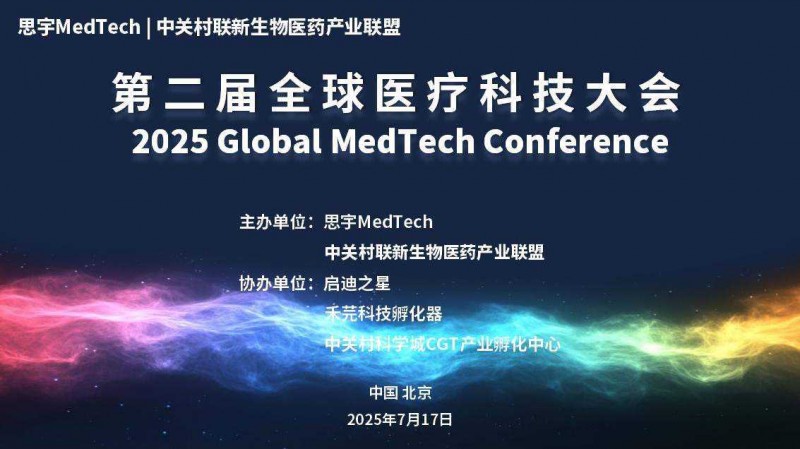
硅基仿生荣膺2024全球医疗技术创新奖,闪耀第二届全球医疗科技大会
Zhong Guo Chan Ye Jing Ji Xin Xi Wang· 2025-07-22 04:32
Group 1 - The global medical technology sector is experiencing significant innovation and competition, highlighted by the second Global Medical Technology Conference held in Beijing, which attracted over 500 professionals from various sectors [1][3] - The conference focused on key topics such as "technology innovation + clinical traction + results transformation," aiming to promote cross-field integration and the transformation of technological achievements in medical technology [1] - Liu Hui, Director of the Beijing Pharmaceutical Health Technology Development Center, emphasized the importance of optimizing the innovation ecosystem and supporting medical technology companies in areas like approval, registration, and clinical validation [3] Group 2 - Silicon-based Bionic, established in 2015, specializes in blood glucose monitoring and is committed to global innovation and popularization of continuous monitoring products [5] - The company has nearly 700 employees and is led by a core team of scientists from prestigious universities, showcasing strong research and development capabilities [5] - The company aims to provide smarter, more accessible, and warmer health services, embodying the mission of "innovating medical technology to serve public health" [5] Group 3 - Winning the 2024 Global Medical Technology Innovation Award marks a significant milestone for Silicon-based Bionic and reflects China's achievements in independent medical technology innovation [7] - The company is transitioning from "Made in China" to "Chinese brand," positioning itself as a leader in the international diabetes management field through technology breakthroughs and global strategies [7] - Future plans include focusing on chronic disease management and health management needs, extending physiological monitoring technology, and establishing CXM as a global leading brand [7]