和平发展

Search documents
外交部三问日方近期军事安全动向
证券时报· 2025-11-14 11:10
Core Viewpoint - The Chinese government expresses serious concern over Japan's recent military and security developments, indicating a potential shift away from its pacifist stance and raising alarms about regional stability [3][4]. Group 1: Japan's Military Policy Changes - Japan's Prime Minister, Fumio Kishida, has been vague about the "Three Non-Nuclear Principles," suggesting a possible abandonment of these principles, which has raised concerns about Japan's intentions regarding nuclear capabilities [3]. - High-ranking Japanese officials have stated that they do not rule out the option of introducing nuclear-powered submarines, signaling a significant policy shift towards military expansion [3]. - Japan has been increasing its defense budget annually and relaxing restrictions on arms exports, indicating a move towards developing offensive military capabilities [3]. Group 2: Regional Security Concerns - The remarks made by Japanese officials regarding potential military intervention in the Taiwan Strait have provoked strong reactions from China, which views these statements as a serious violation of its sovereignty and a challenge to the post-war international order [6][7]. - The Chinese government emphasizes that Taiwan is a core interest and any foreign interference in Taiwan's affairs is unacceptable, reiterating its stance against Japan's military provocations [7]. Group 3: Historical Context and Calls for Reflection - The year marks the 80th anniversary of the victory in the Chinese People's War of Resistance against Japanese Aggression, prompting calls for Japan to reflect on its historical actions and adhere to a path of peaceful development [3][7]. - The Chinese government urges Japan to stop using historical grievances as a pretext for military expansion and to take concrete actions to rebuild trust with its Asian neighbors [3].

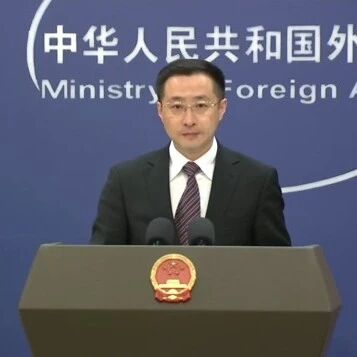
外交部:敦促日方停止为自身扩张军力寻找借口
Xin Hua She· 2025-11-14 09:09
Group 1 - The Chinese government expresses serious concerns over Japan's recent military security developments, urging Japan to stop using excuses for military expansion [1][2] - Japan's Prime Minister, Fumio Kishida, has been vague about the "Three Non-Nuclear Principles," suggesting a potential shift in policy regarding nuclear weapons [1][2] - Japan's government officials have indicated that they do not rule out the option of introducing nuclear-powered submarines, which raises alarms about Japan's military intentions [1][2] Group 2 - Japan has significantly adjusted its security policies in recent years, increasing defense budgets and seeking to develop offensive weapons, which has led to regional and international concerns [2] - The remarks made by Japanese officials regarding potential military intervention in the Taiwan Strait have provoked strong doubts among Asian neighbors and the international community about Japan's commitment to peace [2] - The Chinese government calls for Japan to reflect on its militaristic past and adhere to a path of peaceful development, emphasizing the importance of trust-building with neighboring countries [2]
新华时评:为中美关系把握好方向、驾驭住大局
Xin Hua She· 2025-10-31 00:55
Group 1 - The meeting between Chinese President Xi Jinping and U.S. President Donald Trump in Busan aims to provide new guidance and momentum for the stable development of China-U.S. relations amidst global uncertainties [1] - Both leaders emphasized the importance of maintaining regular communication and respecting each other's core interests to navigate differences effectively [2][3] - The discussions highlighted the potential for cooperation in various fields, including combating illegal immigration, telecommunications fraud, and enhancing economic and energy collaboration [2] Group 2 - Xi Jinping articulated China's commitment to peaceful development and cooperation, emphasizing that China does not seek to challenge or replace any country but focuses on its own development [3] - The leaders agreed that economic relations should serve as a stabilizing force rather than a source of conflict, advocating for a focus on long-term benefits of cooperation [2] - The meeting underscored the expectation from the international community for China and the U.S. to take on a leadership role in addressing global challenges together [3]
为中美关系把握好方向、驾驭住大局
Xin Hua She· 2025-10-30 19:45
Group 1 - The core viewpoint of the meeting between Chinese President Xi Jinping and U.S. President Donald Trump is to provide new guidance and momentum for the stable development of China-U.S. relations amidst global uncertainties [1][2] - The importance of regular communication between the two leaders is emphasized, as their long-term relationship has become a valuable strategic asset for both nations [1][2] - The meeting highlighted the necessity for both countries to respect each other's core interests and find proper solutions to existing differences, particularly in the context of their economic relationship [2][3] Group 2 - Cooperation in various fields such as combating illegal immigration, telecommunications fraud, anti-money laundering, artificial intelligence, and infectious disease response is seen as having good prospects [2] - The leaders agreed to strengthen cooperation in trade, energy, and cultural exchanges, indicating a broad common interest and potential for partnership [2] - Xi Jinping articulated China's commitment to peaceful development and cooperation, emphasizing the importance of both nations working together to address global challenges [3]
外交部回应高市早苗施政演说中涉华言论
Huan Qiu Wang· 2025-10-24 07:45
Core Viewpoint - The Chinese Foreign Ministry emphasizes its strong record on peace and security, contrasting it with Japan's recent military policy shifts and increased defense spending, which raise concerns among neighboring countries and the international community about Japan's commitment to peaceful development [1] Group 1: China's Position - China claims to have the best record among major powers regarding peace and security [1] - The Foreign Ministry's spokesperson reiterates China's stance in response to Japan's remarks [1] Group 2: Japan's Military Policy - Japan has significantly adjusted its security policies in recent years, including annual increases in defense budgets [1] - The country is loosening restrictions on arms exports and seeking to develop its military capabilities, which raises doubts about its commitment to "defensive defense" [1]
单月50亿美金涌入中国股市 答案藏在两个字里
Zhong Guo Xin Wen Wang· 2025-10-20 04:56
Core Viewpoint - Recent global capital markets are experiencing panic, with gold prices hitting record highs and significant volatility in the US stock and bond markets. However, Chinese assets continue to attract foreign investment due to their perceived stability and certainty amidst global uncertainties [2][3]. Group 1: Investment Trends - Apple CEO Tim Cook's visit to China and announcement of expanded investment signifies strong foreign interest in the Chinese market [3]. - A total of 254 foreign institutions, including Morgan Stanley and BlackRock, have conducted intensive research on A-share listed companies, indicating a robust interest in Chinese equities [3]. - In September, foreign capital inflows into the Chinese stock market reached nearly $5 billion, showcasing the appeal of Chinese assets [3]. Group 2: China's Global Role - China has maintained a commitment to peaceful development, avoiding military aggression and focusing on improving the lives of its citizens [4][5]. - The country has actively participated in international peacekeeping, sending over 50,000 personnel on missions, and has been recognized for its contributions to global peace [5]. - China's diplomatic efforts, such as facilitating the reconciliation between Saudi Arabia and Iran, demonstrate its role as a mediator in international conflicts [5][6]. Group 3: Economic Philosophy - China's approach to modernization emphasizes cooperation and mutual benefit, aiming to enhance global peace and development through initiatives like the Belt and Road [6][10]. - The country advocates for dialogue over confrontation, promoting multilateral platforms such as the Shanghai Cooperation Organization and BRICS to foster security and development [6][10]. - The philosophical foundation of China's peaceful development is rooted in its cultural heritage, which values harmony and cooperation [8][9].
外国驻港政商界人士参观抗战专题展 共忆历史维护和平
Xin Hua She· 2025-10-18 05:35
Core Viewpoint - The event organized by the Ministry of Foreign Affairs in Hong Kong aims to educate the public about the history of the Anti-Japanese War and commemorate the sacrifices made during that period, emphasizing the importance of remembering history to safeguard peace and create a better future [1][2]. Group 1: Exhibition and Activities - The exhibition titled "United as One to Maintain Peace - Commemorating the 80th Anniversary of the Victory in the Anti-Japanese War" features over 180 exhibits that vividly depict the historical context of the Anti-Japanese War, highlighting the contributions of Hong Kong in supporting the national resistance [2]. - A series of related activities will take place across Hong Kong, including visits to war sites, seminars, lectures, film screenings, book fairs, and photo exhibitions, aimed at enhancing public understanding of Hong Kong's historical role during the war [1][2]. Group 2: Historical Significance - The event underscores Hong Kong's role as a significant base for the anti-Japanese movement, where local communities actively raised funds and resources to support the mainland, with many individuals returning to the mainland to join the fight [2]. - The speeches delivered at the event highlight China's contributions to the global anti-fascist war and the importance of peaceful development and international cooperation in addressing current global challenges [1].
和平发展,中国贯通历史、现实、未来的坚定抉择
Ren Min Ri Bao· 2025-10-15 22:22
Core Viewpoint - China positions itself as a "stabilizing anchor" for global peace and development amidst a tumultuous international landscape, emphasizing its commitment to peaceful development and international order [1][2][6]. Historical Context - The historical perspective highlights that China's commitment to peace is rooted in its civilization, which has always valued harmony and stability, even during challenging times like the Anti-Japanese War [3][4]. - The lessons learned from a century of humiliation have reinforced China's resolve to maintain peace rather than succumb to a survival-of-the-fittest mentality [3]. Global Perspective - The global context underscores that the pursuit of peace and development is a common aspiration among nations, as evidenced by the collective response to historical challenges like World War II [4][5]. - China's vision of building a community with a shared future for humanity aligns with the global trend towards peace, development, and cooperation [4][5]. Diplomatic Strategy - Since the 18th National Congress of the Communist Party, China's foreign policy has consistently emphasized the importance of peaceful development and national rejuvenation [5][6]. - Despite global turbulence, China remains steadfast in its commitment to peaceful development, recognizing the historical trend of shared destiny among nations [5][6]. Economic Contributions - China's contribution to global economic growth remains significant, accounting for approximately 30% of the world's growth and establishing itself as a key trading partner for over 150 countries [6][10]. - The commitment to a peaceful development path not only expands China's modernization efforts but also injects sustained momentum into the global modernization process [6]. Future Vision - Looking ahead, China's initiatives, such as the new round of national contributions announced at the UN Climate Change Summit, reflect its commitment to global green transformation and sustainable development [8][12]. - The emphasis on multilateralism and cooperation in trade negotiations showcases China's dedication to building a fair and balanced global trade system [9][10]. Cultural Exchange and Governance - China's approach to promoting cultural exchange and mutual learning is seen as a means to build peace and friendship among nations, countering conflicts and misunderstandings [11][12]. - The advocacy for a more just and equitable global governance system is part of China's broader strategy to ensure lasting peace based on mutual respect and adherence to international law [12][13].
新华时评丨为人类和平与发展的崇高事业作出新贡献
Xin Hua She· 2025-10-02 12:54
Core Viewpoint - The 76th anniversary of the founding of New China is marked by a commitment to peace, development, and global cooperation, emphasizing China's role as a responsible major power in promoting human progress and world harmony [1][4]. Group 1: Historical Significance - The anniversary coincides with the 80th anniversary of China's victory in the Anti-Japanese War and the World Anti-Fascist War, highlighting China's historical sacrifices for global peace [1]. - The establishment of New China 76 years ago strengthened the forces advocating for world peace and justice [1]. Group 2: China's Global Role - China is the second-largest contributor to UN peacekeeping operations and the largest troop-contributing country among permanent members of the UN Security Council, actively engaging in conflict resolution in regions like Ukraine and the Middle East [2]. - The country has established international mediation institutions with over 30 nations, showcasing its commitment to peace and cooperation [2]. Group 3: Economic Development - Over the past 76 years, China has transformed from a nation unable to produce basic vehicles to one that manufactures over 80,000 cars and 3.4 million smartphones daily, achieving significant poverty alleviation [3]. - China is a key trading partner for over 150 countries and regions, with initiatives like the Belt and Road Initiative enhancing global trade and development [3]. Group 4: Global Initiatives - President Xi Jinping has proposed several global initiatives, including the Global Development Initiative and Global Security Initiative, aimed at addressing global challenges and promoting cooperation [4]. - China's contributions to global governance and cooperation are increasingly recognized, with international media highlighting its role in providing a comprehensive public goods system [4].
【同心共祝·锦绣中华】谢茂松:和平发展,这是用中国文明史写就的一篇大文章
Guan Cha Zhe Wang· 2025-10-02 00:27
Group 1 - The core viewpoint of the article emphasizes the significance of China's continuous civilization in promoting peace and development, as illustrated by recent events such as the global governance initiative and the 80th anniversary of the victory in the Anti-Japanese War [1][4][11] - The global governance initiative is presented as a systematic public product from China, rooted in its traditional values, aiming to establish a more just and reasonable world order [3][4] - The military parade on September 3rd symbolizes China's commitment to justice and peace, reflecting the historical narrative of the Chinese civilization and its understanding of war and peace [8][9] Group 2 - The article connects historical perspectives from Mao Zedong's writings to the current governance philosophy, highlighting the importance of cultural continuity in China's political and social development [9][11] - The narrative stresses that only through a continuous and unbroken civilization can China genuinely believe in and pursue a path of peaceful development, contrasting it with the fragmented nature of Western civilization [11][12] - The military display during the parade serves as a demonstration of China's military capabilities and its resolve to maintain global peace, reinforcing the underlying logic of China's governance initiatives [8][11]