数字永生

Search documents
马斯克出手砸饭碗:教育成重灾区,人类或永生
Sou Hu Cai Jing· 2025-06-30 10:39
Core Viewpoint - The advent of brain-machine interface technology by Neuralink is poised to disrupt various industries, including education, healthcare, and the arts, leading to significant changes in job markets and societal structures [1][11]. Group 1: Impact on Healthcare - The technology has entered clinical trials, with 7 patients successfully implanted with Neuralink devices, allowing them to control computers and mechanical arms through thought [4]. - Disabled individuals, such as those with paralysis, can regain mobility through thought-controlled devices, potentially eliminating outdated medical equipment manufacturers [6]. - Vision restoration for the blind is possible through "blindsight" technology, which could drastically reduce the need for eye care professionals and related industries [7][8]. Group 2: Transformation of Education - Future students may download knowledge directly into their brains, drastically altering the educational landscape and potentially rendering traditional teaching methods obsolete [12][14]. - The rapid acquisition of knowledge could lead to a significant reduction in the demand for conventional educators, particularly those who rely on rote teaching methods [15]. Group 3: Effects on the Arts and Creative Industries - Artists may utilize brain signals to create music and art, which could enhance creativity but also threaten the livelihoods of traditional artists and designers [17]. - The integration of AI with brain-machine interfaces could lead to a scenario where everyone has access to vast knowledge, resulting in intense competition in creative fields [19]. Group 4: Market Potential and Growth - The brain-machine interface market in China is projected to reach $7.63 billion between 2025 and 2029, with a current industry scale of 2.8 billion yuan in 2024, reflecting a 20.1% growth [23][25]. - Regulatory frameworks are being established in China to support the development of brain-machine interfaces, including pricing guidelines for invasive and non-invasive procedures [27]. Group 5: Future Developments and Timeline - Neuralink has outlined a timeline for technological advancements, including the ability to decode speech from brain signals by late 2025 and achieving multi-device implants by 2028 [21][22]. - The rapid advancement of surgical robotics for electrode implantation is expected to enhance the feasibility of widespread brain-machine interface applications [22].

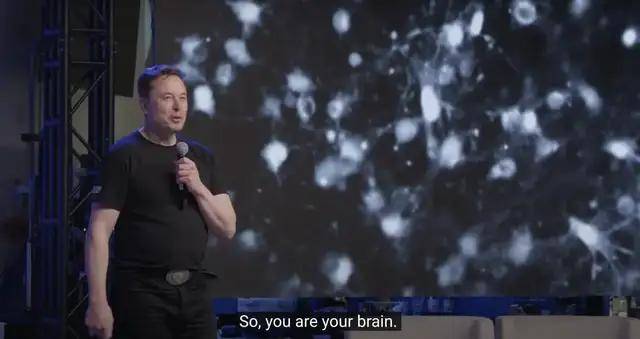
数字文明的文化重构 从生命认知到信任经济的范式转型
Jin Rong Shi Bao· 2025-06-20 06:12
Group 1: Digital Transformation and Cultural Heritage - The digital wave is reshaping global civilization, emphasizing the need to anchor the value of life in a digital age [1][2] - Institutions like Dunhuang and the Palace Museum are utilizing blockchain technology for digital rights management of cultural relics, enhancing the narrative of cultural heritage through AI algorithms [2] - The concept of "digital immortality" is emerging, where life can be represented in code, potentially redefining human existence [2] Group 2: Cognitive Strategies in the Digital Age - The phenomenon of information overload in the digital era necessitates strategies for cognitive detoxification to enhance the value of life [3] - Three key practices for managing information include building a firewall against "information garbage," focusing on high-value knowledge, and adopting a minimalist digital lifestyle [3] - The approach of "sacrificing nine for one" aligns with the logic of digital immortality, emphasizing the importance of extracting valuable moments from life [3] Group 3: Trust and Ethics in the Digital Economy - The rapid development of digital technology brings ethical risks, such as data breaches and algorithmic discrimination, threatening individual privacy and financial market trust [4][5] - Trust is foundational in social cooperation, evolving in the digital age to encompass digital identity and transparency in organizational practices [4] - Building a digital trust system requires both technological solutions and institutional innovations, with blockchain and privacy-preserving technologies playing crucial roles [5]
没有手机和食物,7个人只靠AI生存的72小时
36氪· 2025-06-12 13:31
Core Viewpoint - The article discusses a modern reinterpretation of survival challenges in the context of AI, drawing parallels to a historical internet survival test from 1999, highlighting the evolution of technology and its impact on human interaction and creativity [5][7][81]. Group 1: Historical Context - In 1999, a "72-hour internet survival test" was conducted, revealing the challenges of online living at that time, with many participants struggling to adapt [5][6]. - The test coincided with the founding of Alibaba and the rise of Tencent QQ, marking a significant moment in the evolution of the Chinese internet [7]. Group 2: AI Survival Challenge - In May 2023, a "72-hour AI survival challenge" was organized by Wuyuan Capital, aiming to explore the potential of AI in daily life and encourage participants to embrace AI technology [8][9]. - The challenge involved seven participants who had to rely solely on AI tools for survival, without access to traditional internet services [18][19]. Group 3: Participant Experiences - Participants faced significant challenges, such as navigating verification processes and payment systems without smartphones, which highlighted the limitations of current AI capabilities [21][28]. - Each participant had a main task, such as creating AI-generated content or developing applications, which added complexity to their survival efforts [26][50]. Group 4: Insights and Outcomes - The challenge revealed that while AI can automate many tasks, it is often hindered by existing systems designed for human users, suggesting a need for redesigning interaction pathways [28][29]. - Participants expressed a mix of frustration and creativity, leading to innovative solutions and collaborative efforts, showcasing the potential for AI to enhance human creativity rather than replace it [81]. Group 5: Future Implications - The challenge served as a microcosm for exploring future human-AI relationships, suggesting that AI could integrate into daily life similarly to utilities like water and electricity, enhancing human experiences [81].
没有手机和食物,7个人只靠AI生存的72小时
36氪· 2025-06-12 13:12
Core Viewpoint - The article discusses a modern reinterpretation of survival challenges in the context of AI, drawing parallels to a historical internet survival test from 1999, highlighting the evolution of technology and its impact on human interaction and creativity [5][7][81]. Group 1: Historical Context - In 1999, a "72-hour internet survival test" was conducted, revealing the challenges of online living at a time when the internet was still in its infancy [5][6]. - The test's conclusion was that "survival online is currently impossible," with over 70% of the public viewing online shopping as a scam [6][7]. - The same year saw the founding of Alibaba and the rapid growth of Tencent QQ, marking the beginning of China's internet era [7]. Group 2: AI Survival Challenge - In May 2023, a "72-hour AI survival challenge" was held, aiming to explore the potential of AI in daily life and encourage participants to embrace AI technology [8][9]. - The challenge involved seven participants who had to survive using only AI tools, without access to traditional internet services [11][18]. - The challenge's goals included assessing whether participants could rely solely on AI for survival and whether AI could help achieve higher aspirations [9][26]. Group 3: Participant Experiences - Participants faced significant challenges due to the absence of smartphones and traditional internet access, complicating tasks like ordering food [21][28]. - Many participants attempted to leverage AI for creative projects, such as creating films or virtual assistants, while also trying to meet basic survival needs [26][37][45]. - The experience highlighted the limitations of current AI technology, particularly in navigating systems designed for smartphone users, which often hindered their efforts [28][29]. Group 4: Creative Outcomes - Participants produced various creative works during the challenge, including short films and virtual projects, showcasing the potential of AI in artistic expression [69][73]. - The challenge fostered collaboration and interaction among participants, leading to unexpected friendships and shared experiences [81]. - The final reflections emphasized the importance of human connection and the potential for AI to enhance rather than dominate human experiences [81].
五源做了一场AI生存挑战
投资界· 2025-06-12 07:19
Core Insights - The article discusses the "72-hour AI Survival Challenge" organized by Wuyuan Capital, where participants from diverse backgrounds used AI tools to navigate daily life without traditional internet access [3][50] - The challenge aimed to explore the potential and limitations of AI in real-world applications, emphasizing the need for new interaction pathways between humans and AI [5][21] Group 1: Challenge Overview - The challenge took place from May 15-18, 2025, in Shanghai, involving participants like product managers, students, and developers [3] - Participants were equipped with a computer and basic AI tools, but all conventional internet and mobile applications were disabled, forcing them to redefine daily tasks using AI [10][4] Group 2: Participant Experiences - Participants created various projects, including an AI friend, a survival song, and virtual live streaming setups, showcasing the creative potential of AI [4][11] - Challenges included technical difficulties such as human verification processes, which hindered automation efforts [21][14] Group 3: AI Tools Utilized - The AI tools provided included general language models for text generation and interaction, programming aids for development, and multimodal generation tools for content creation [7][9] - Participants had to innovate and adapt these tools to complete tasks like ordering food and creating digital content [23][30] Group 4: Emotional and Social Implications - The challenge raised questions about AI's ability to understand human emotions and foster connections, highlighting the boundaries of AI in addressing loneliness and emotional needs [5][22] - Participants reflected on the nature of human-AI relationships, considering whether AI can fulfill emotional roles or merely serve functional purposes [29][28] Group 5: Future Perspectives - The event served as a microcosm for exploring the future of human interaction with AI, suggesting that AI could redefine relationships and collaboration in various contexts [52][53] - The insights gained from the challenge may inform future educational models and the evolving role of technology in daily life [52][50]

72小时全纪实:人类与AI的第一次亲密接触
3 6 Ke· 2025-06-12 04:55
Group 1 - The article discusses a modern reinterpretation of a historical internet survival test, now focusing on AI, highlighting the evolution of technology and its societal implications [3][4][58] - The "72-hour AI survival challenge" was organized by Wuyuan Capital, aiming to explore the practical applications of AI in a controlled environment [4][58] - Participants faced significant challenges due to the absence of traditional internet tools, emphasizing the limitations of current AI capabilities in real-world applications [14][19][58] Group 2 - The challenge attracted a diverse group of participants, including AI researchers, product managers, and independent developers, showcasing the varied backgrounds and expertise in the AI field [6][40][58] - Each participant had specific goals, such as creating AI-driven projects or exploring AI's potential in enhancing productivity, reflecting the growing interest in AI applications across different sectors [18][26][34] - The interactions among participants led to collaborative efforts, demonstrating the importance of human connection in the context of AI development and usage [57][58] Group 3 - The challenge revealed the complexities of integrating AI into everyday tasks, with participants encountering obstacles related to verification processes and platform limitations [19][21][58] - Despite the difficulties, some participants successfully utilized AI tools to create projects, indicating the potential for AI to enhance creativity and productivity [49][51][58] - The event served as a microcosm for future human-AI interactions, suggesting that AI could become an integral part of daily life rather than a dominating force [59][58]

那些被身体囚禁的灵魂,终于等来了“越狱”密钥
3 6 Ke· 2025-05-30 12:19
Group 1 - Neuralink, founded by Elon Musk, secured $600 million in funding, setting a record for brain-computer interface financing globally [1] - The FDA granted Neuralink's device "breakthrough medical device" designation, indicating positive recognition for its clinical application prospects [1] - The brain-computer interface (BCI) technology aims to allow direct control of computers and devices through thought, potentially impacting millions of people in the future [2][3] Group 2 - The concept of brain-computer interfaces was introduced in 1973, with significant advancements made since the establishment of Neuralink in 2016 [2] - The industry is witnessing an influx of participants, including companies like BrainCo, Biorobotics, and others, focusing on invasive BCIs for central nervous system diseases [2][4] - By 2025, invasive BCIs are expected to achieve significant breakthroughs, transitioning from laboratory research to clinical trials [2][4] Group 3 - In 2023, several hospitals in China reported a surge in clinical trials for wireless implanted BCIs, with successful surgeries conducted on patients with various conditions [4][12] - Companies like MicroLink and Step Medical are developing flexible electrodes that enhance the safety and efficacy of BCI systems [8][9] - The development of flexible electrodes is crucial for minimizing damage to brain tissue and improving signal quality [7][8] Group 4 - The global market for BCIs in serious medical applications is estimated to be between $15 billion and $85 billion [10] - Investment in the BCI sector is increasing, with significant funding rounds reported in early 2023, indicating a growing interest in the commercialization of this technology [10][19] - The Chinese government is actively working on regulatory frameworks for BCI medical devices, which is expected to facilitate faster clinical applications [14][20] Group 5 - The clinical applications of BCIs are primarily focused on motor control, sensory restoration, and neural modulation [15] - Companies are exploring various use cases, including helping paralyzed patients regain control over their movements and improving communication for those with speech impairments [11][15] - The industry is still in the early stages of development, with many technologies remaining in experimental phases [17][18]
一个极具争议的开源项目,「微信克隆人」火了!
菜鸟教程· 2025-05-15 08:33
Core Viewpoint - The article discusses the WeClone project, which allows users to create personalized digital avatars using their WeChat chat history, enabling a form of digital immortality through language model fine-tuning and voice cloning [2][4][18]. Group 1: WeClone Overview - WeClone utilizes personal WeChat chat records to fine-tune large language models (LLMs), creating a digital avatar that mimics the user's speech patterns and style [4][12]. - The project offers a comprehensive solution from text generation to voice cloning, allowing the digital avatar to not only speak but also sound like the original person [6][18]. Group 2: Core Features - The core functionality includes exporting WeChat chat records, formatting them for model fine-tuning, and supporting low-resource fine-tuning for models ranging from 0.5B to 7B parameters, such as ChatGLM3-6B and Qwen2.5-7B [12][19]. - Model training requires approximately 16GB of GPU memory, making it efficient for small sample low-resource scenarios [13]. Group 3: Voice Cloning - The WeClone-audio module can clone voices with a similarity of up to 95% using just 5 seconds of voice samples, enhancing the realism of the digital avatar [15]. Group 4: Multi-Platform Deployment - WeClone supports deployment across multiple messaging platforms, including WeChat, QQ, and Telegram, allowing users to interact with their digital avatars in real-time [16]. Group 5: Potential Applications - Possible applications include personalized assistant services, where the digital avatar can handle messages and daily tasks, and content creation, enabling the rapid generation of personalized text content [17].