新能源汽车购置税

Search documents
早报|阿里秘密启动千问项目;BBC向特朗普道歉,但拒付赔偿;江苏一快递员因送错快递被杀;我国完成第一阶段6G技术试验
虎嗅APP· 2025-11-14 00:01
Group 1 - Alibaba has secretly launched the "Qianwen" project, aiming to create a personal AI assistant app to compete directly with ChatGPT, leveraging the Qwen model's strengths [2][3] - This initiative is part of Alibaba's broader AI strategy, which includes a significant investment of 380 billion RMB in AI infrastructure announced earlier this year [2] - The management believes the timing is right to enter the consumer AI market, having previously focused on B2B AI services through Alibaba Cloud [3] Group 2 - Tencent's president confirmed a good relationship with Apple, discussing potential agreements regarding a 15% fee on purchases of WeChat mini-games [4][5] - The two companies are exploring ways to enhance the mini-game ecosystem, with a formal approval possibly forthcoming [5] Group 3 - Evergrande Auto has received a court ruling accepting creditors' bankruptcy and liquidation petitions for its subsidiary, Evergrande New Energy Vehicle (Tianjin) Co., Ltd [7][8] - The subsidiary, which has a registered capital of 4.1 billion RMB, has halted production since January 2024 [8][9] - Trading of the company's shares will remain suspended until further notice [10] Group 4 - China has completed the first phase of 6G technology trials, accumulating over 300 key technology reserves [11] Group 5 - Starting next year, the full exemption of purchase tax for new energy vehicles will end, prompting 17 major automotive brands to offer tax subsidies to secure orders [12][13] - From 2024 to 2025, new energy vehicles will continue to be exempt from purchase tax (up to 30,000 RMB per vehicle), while from 2026 to 2027, the tax will be halved (up to 15,000 RMB per vehicle) [12] Group 6 - Baidu's chairman addressed concerns about an AI bubble, stating that the industry structure is shifting from an unhealthy "pyramid" to a healthier "inverted pyramid" [16][18] - This new structure emphasizes that the value generated by models and applications should significantly exceed that of the underlying chips, promoting a sustainable ecosystem [18] Group 7 - A fire incident at Sinochem Quanzhou Petrochemical resulted in 7 injuries, with the situation now under control and the cause under investigation [19] Group 8 - The "Jiu Yang" brand's stock surged following the popularity of its new product, but the company clarified that it has no equity ties with the related "Jiu Yang Bean Industry" [20]



新能源汽车购置税明年起减半征收,市场迎消费高峰
Mei Ri Jing Ji Xin Wen· 2025-11-09 01:39
Core Viewpoint - From January 1st next year, China's new energy vehicle purchase tax will be adjusted from full exemption to a 50% reduction, which is expected to stimulate market demand during the traditional sales peak at the end of the year [1] Group 1: Market Impact - The adjustment of the purchase tax, combined with the year-end sales peak, has led to a new wave of consumer demand in the new energy vehicle market [1] - A car showroom in Haikou, Hainan, has reported a significant increase in customer traffic and order volume due to the policy change and the seasonal demand [1]
实探“双节”车市:车企降价促销力度收缩,四季度有望实现5%~10%同比增长
Mei Ri Jing Ji Xin Wen· 2025-10-06 23:58
Core Insights - The traditional "Silver October" sales peak in the automotive market has begun with the National Day and Mid-Autumn Festival, but promotional activities from car manufacturers have decreased compared to previous years [1][3] - Several brands, including Li Auto and Xpeng, have announced promotional policies, but the actual discounts for consumers are only around 2,000 to 3,000 yuan, indicating a cautious approach to pricing [3][6] - The reduction in promotional intensity is attributed to factors such as increased regulatory scrutiny on "involution" competition and rising raw material prices [1][3] Promotional Activities - Seven automotive brands have launched National Day-specific promotional policies, including cash subsidies and financing options, with most promotions ending between October 8 and October 12 [1] - Despite some brands offering comprehensive discounts, the actual savings for consumers are minimal compared to previous years [3][6] Market Dynamics - The automotive market is expected to experience a "tail effect" in the fourth quarter, driven by strong demand and the upcoming reintroduction of the new energy vehicle purchase tax [3][16] - The cessation of certain local "trade-in" subsidies has led to a noticeable decline in customer foot traffic and sales in some regions, particularly in Nanchang [7][11] Regional Policy Changes - Some regions, including Jiangxi, have suspended their automotive trade-in subsidy programs, impacting consumer behavior and sales volume [8][17] - Despite some areas halting these subsidies, most regions are expected to maintain their "trade-in" policies throughout the year, supported by a national fund of 69 billion yuan for consumer subsidies [20]
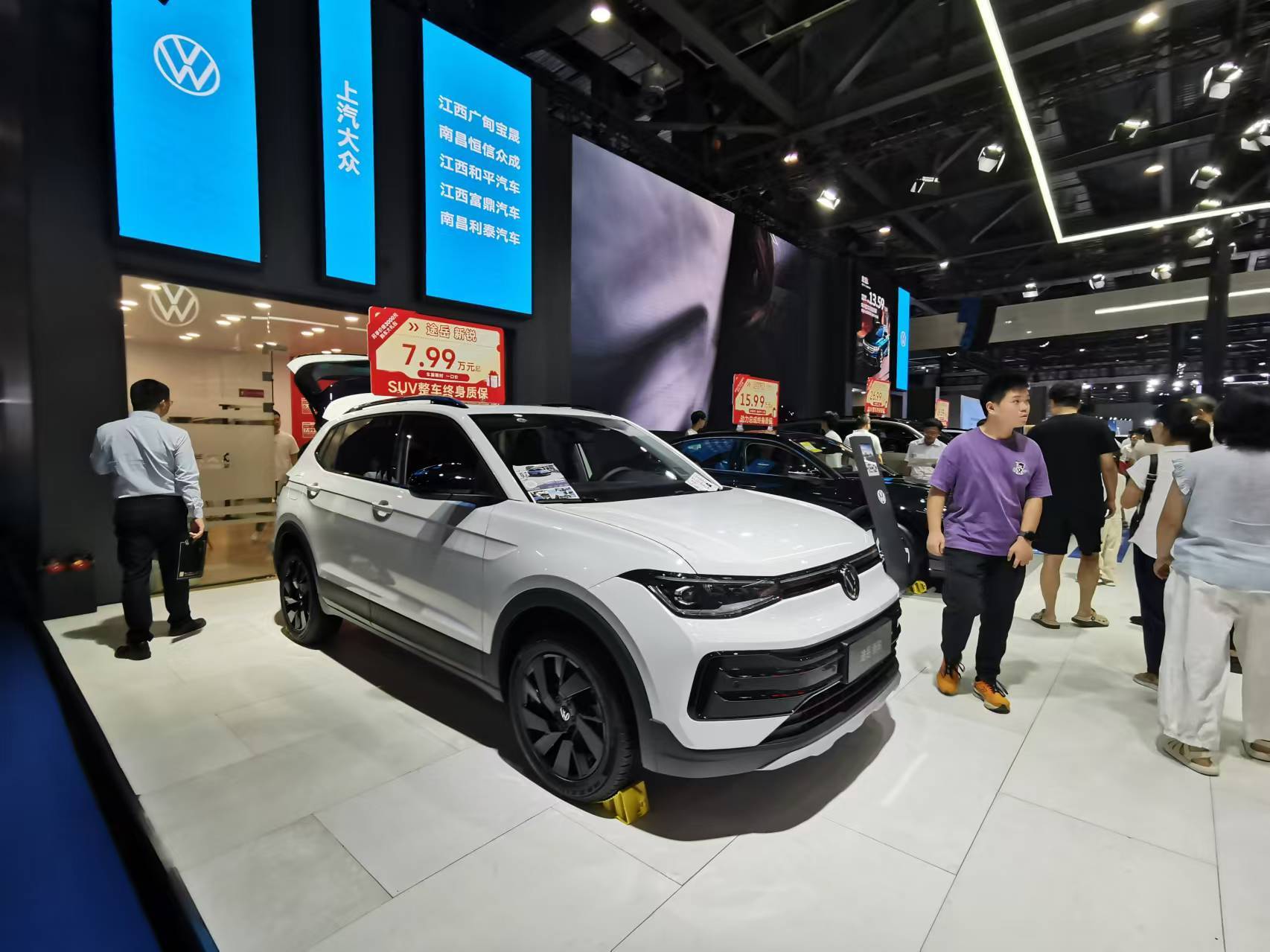
多地置换补贴按下“暂停键”,新能源汽车购置税将优化
财联社· 2025-09-29 07:44
Group 1 - The automotive replacement subsidy policy has been adjusted in various regions, with notable suspensions in Jiangsu, Ningbo, and Guangxi, indicating a trend towards limiting subsidies and implementing a "qualifications first, then apply for subsidies" approach [1][2] - The suspension of the automotive replacement subsidy policy has led to a significant increase in consumer participation and market activity, demonstrating the policy's effectiveness in stimulating the automotive market [2] - Adjustments to the new energy vehicle purchase tax policy have been announced, including exemptions for purchases made between January 1, 2024, and December 31, 2025, with a maximum exemption of 30,000 yuan per vehicle [3] Group 2 - The Ministry of Industry and Information Technology has emphasized the need to expand market consumption and implement new measures to stabilize growth in the automotive industry, including optimizing tax incentives for new energy vehicles [3] - Suggestions have been made for a gradual implementation of the new 5% purchase tax on new energy vehicles starting next year, allowing for better control of industry capacity and costs [3]