晶圆代工

Search documents
历时半年争议收购告吹,国科微弃购中芯宁波后如何破亏损困局?
Xin Lang Cai Jing· 2025-12-01 03:41
Core Viewpoint - The acquisition of SMIC's subsidiary by Guokewai has failed after six months of controversy, with both companies announcing the termination of the asset transaction due to inability to reach an agreement within the expected timeframe [1] Group 1: Acquisition Details - Guokewai aimed to acquire SMIC Ningbo to create a dual-driven system of "digital chip design + analog chip manufacturing," intending to enhance production capabilities in high-end filters and MEMS, and expand into downstream markets like smartphones and smart connected vehicles [3][12] - The acquisition faced skepticism from the market due to limited synergy between Guokewai's digital chip design and SMIC Ningbo's analog chip manufacturing, raising doubts about the effectiveness of integration [3][4] Group 2: Financial Performance and Challenges - SMIC Ningbo has been operating at a significant loss since its establishment in 2016, with projected revenues of 213 million yuan, 454 million yuan, and 108 million yuan for 2023, 2024, and Q1 2025, respectively, while net losses are expected to be -843 million yuan, -813 million yuan, and -150 million yuan during the same periods [6] - Guokewai's financial situation is also concerning, with a revenue drop of over 50% to 1.978 billion yuan in 2024 and a net profit decline of approximately 90% to 7.4054 million yuan in the first three quarters of 2025 [8][12] Group 3: Strategic Implications - The termination of the acquisition allows Guokewai to avoid the risks associated with integrating a loss-making entity while still facing pressure to improve its own financial performance [12] - Guokewai is focusing on adjusting its business strategy, reducing low-margin product sales, and increasing R&D investment, which accounted for 43.6% of its revenue in the first half of 2025 [12]


三星公布首批2纳米芯片性能数据,加速追赶台积电
Hua Er Jie Jian Wen· 2025-11-19 07:42
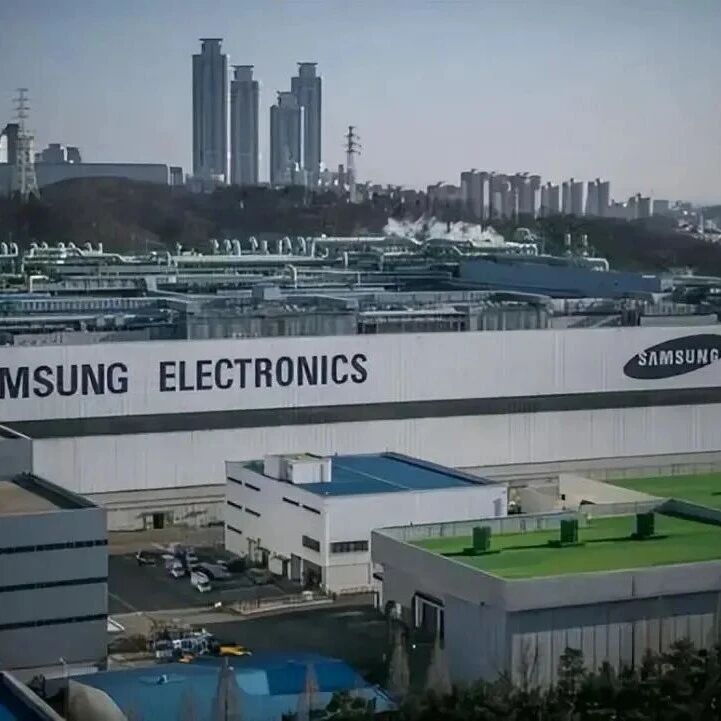
Core Insights - Samsung Electronics is intensifying its efforts to catch up with industry leader TSMC by revealing specific performance metrics of its next-generation chip manufacturing technology [1] - The announcement of Samsung's first performance data for its upcoming 2nm chip process marks a shift from conceptual descriptions to concrete specifications, aimed at demonstrating its technological capabilities to the market and potential customers [1] Group 1: Samsung's 2nm Technology - The first-generation 2nm process utilizes Gate-All-Around (GAA) transistor technology, achieving a 5% performance improvement, an 8% increase in power efficiency, and a 5% reduction in chip area compared to the second-generation 3nm process [1] - This release signifies a strategic move for Samsung to enhance its competitive position in the concentrated global foundry market, where TSMC holds over 70% market share while Samsung's share is approximately 7% [1] Group 2: Market Dynamics - Analysts expect TSMC's leading position to remain unchallenged in the short term due to its advantages in high-volume production, stability, and meeting strong demand for AI accelerators and data center chips [1] - However, subtle changes in market dynamics are occurring, as some customers are seeking alternatives due to TSMC's ongoing capacity constraints, creating opportunities for Samsung [1] - Samsung's foundry business is attracting orders from large tech companies and startups, broadening its customer base [1] Group 3: Collaborations and Orders - Samsung has recently begun producing processors based on a 4nm process for the U.S. AI startup Chaboraite [1] - Additionally, Samsung is collaborating with companies like Tesla on its 2nm process [1]

三星目标:拿下20%代工份额!
国芯网· 2025-11-12 13:22
Core Viewpoint - The global wafer foundry market is dominated by TSMC with a market share of 70.2%, while Samsung holds a distant second place with only 7.3% [2] Group 1: Market Dynamics - TSMC leads the global wafer foundry market with a significant gap over Samsung, which has a market share nearly ten times smaller [2] - Samsung's foundry business has been operating at a loss due to insufficient orders, with estimated quarterly losses ranging from 1 trillion to 2 trillion Korean Won since 2022 [4] Group 2: Samsung's Strategy - Samsung has set a clear two-year business plan aiming for profitability in its foundry operations by 2027 and to capture 20% of the market share [4] - Key to achieving this goal is improving the yield rate of its 2nm GAA process and establishing stable partnerships with high-value clients [4] Group 3: Potential Breakthroughs - A significant development occurred when Samsung secured a long-term order worth approximately $16.5 billion from Tesla for the production of next-generation AI6 chips, lasting until the end of 2033 [4] - The successful integration of the Exynos 2600 chip in the upcoming Galaxy S26 series and Qualcomm's potential return to Samsung for Snapdragon 8 series chips could lead to substantial improvements in Samsung's foundry business [4]
英特尔2025年晶圆代工营收约1.2亿美元,仅为台积电千分之一
Sou Hu Cai Jing· 2025-11-12 02:10
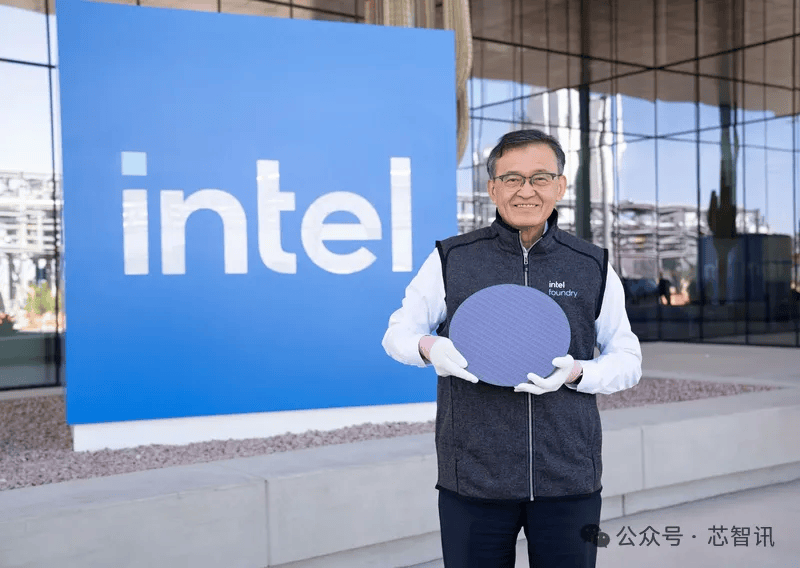
Core Insights - Intel's wafer foundry revenue is projected to be only $120 million by 2025, which is merely one-thousandth of TSMC's revenue during the same period, highlighting the significant gap in market presence [2] - Despite initial challenges in attracting external customers for the Intel 18A process, Intel aims to leverage its internal product successes to draw in external clients [3] - Intel's overall foundry business is expected to reach breakeven by the end of 2027, driven by a shift from DUV to EUV processes, which will increase average wafer prices at a rate three times faster than cost increases [4] Financial Projections - Intel's wafer foundry revenue for 2025 is estimated at $120 million, compared to TSMC's approximately $101 billion in revenue for the first ten months of this year [2] - The transition to EUV technology is anticipated to significantly improve Intel's financial performance in the foundry sector, with a projected breakeven point by 2027 [4] Strategic Initiatives - Intel is undergoing structural adjustments across various departments, including foundry services, client products, and artificial intelligence, indicating a proactive approach to transformation under the new CEO [4] - The company has secured over $10 billion in investments from the U.S. government, SoftBank, and NVIDIA, and has established a deep collaboration plan with NVIDIA in the PC and server chip sectors [4] Market Challenges - Intel faces substantial challenges in its foundry business, needing to demonstrate the performance and power efficiency advantages of its Intel 18A process through its own products [4] - Potential collaborations with companies like Tesla, Broadcom, and Microsoft are critical for Intel's ability to regain competitiveness in the global wafer foundry market [4]

英特尔晶圆代工收入,仅为1.2亿?
半导体芯闻· 2025-11-11 10:17
Core Viewpoint - Intel's foundry business (IFS) is struggling significantly, with projected revenue of only $120 million in 2025, which is just one-thousandth of TSMC's expected revenue for the same period, indicating a long road ahead to achieve break-even [2]. Group 1: Business Performance - Intel's IFS revenue is expected to be $120 million in 2025, far behind TSMC's revenue, highlighting the challenges in achieving profitability [2]. - The company is undergoing structural adjustments in various departments, including consumer products and AI, reflecting a broader transformation strategy [2]. - The commercialization progress of IFS faces severe challenges, despite some market interest in Intel's upcoming advanced process technologies [2]. Group 2: Market Interest and Future Prospects - Companies like Tesla, Broadcom, and Microsoft are showing interest in Intel's upcoming process nodes, such as Intel 18A and 14A, which are crucial for IFS's potential revival in the global foundry market [2]. - The upcoming Panther Lake and Clearwater Forest processor series are seen as key tests for IFS's technological development [3]. - Intel's future in the foundry business may hinge on the market performance of the 14A process node, with potential delays or cancellations if it fails to secure significant external customers [3]. Group 3: Competitive Landscape - Direct comparisons between Intel and TSMC may not be entirely fair due to significant differences in scale and market position, yet such comparisons highlight the long-term competitive disadvantages of technological lag [3]. - TSMC continues to dominate the global foundry market, while Intel is still searching for breakthrough opportunities [3].
晶圆代工,为何对英特尔如此重要?
半导体行业观察· 2025-11-08 02:10
Core Viewpoint - The article discusses Intel's future prospects, particularly focusing on its wafer foundry business and the recent mass production of the 18A process node, which marks the completion of Intel's "Four Nodes in Five Years" strategy aimed at regaining process technology leadership and revitalizing its foundry business [2]. Group 1: Intel's 18A Process Node - The mass production of the 18A process node signifies a critical milestone for Intel, enabling the production of both client and edge computing products, as well as data center processors [2]. - The transition from TSMC manufacturing to in-house production of CPU and GPU chips is expected to enhance Intel's scale, reduce costs, and improve profit margins while delivering competitive products [2]. Group 2: Advanced Packaging Technologies - Chiplet technology is gaining traction in the semiconductor industry, with Intel leveraging its advanced packaging techniques, such as Foveros and EMIB, to enhance chip design and performance [3]. - Foveros technology allows for flexible chip configurations based on application needs, while EMIB technology interconnects multiple 18A chips in the new Clearwater Forest processors [3]. Group 3: Ecosystem Impact - The introduction of 18A chips and products like Panther Lake is anticipated to benefit the entire ecosystem by providing competitive products that enhance battery life and performance while lowering costs for OEM manufacturers [4]. - A healthy and competitive PC chip ecosystem is expected to deliver higher quality products at more competitive prices to consumers [5]. Group 4: Opportunities in Mobile Industry - Intel's foundry success could extend to the smartphone industry, presenting opportunities for cost reduction and supply chain diversification, despite the current dominance of TSMC in this market [5]. - Major smartphone manufacturers, including Apple, rely heavily on TSMC, which produces approximately 90% of global smartphone SoC chips [5]. Group 5: Competitive Landscape - Intel's foundry services could provide a competitive alternative to TSMC, especially with the anticipated introduction of the 14A process node, potentially curbing TSMC's price increases [6]. - TSMC has raised prices significantly over the past five years, and Intel's competitive offerings could alleviate cost pressures on chip suppliers and OEMs [6]. Group 6: Future Prospects for Intel's Foundry - Intel's foundry is actively seeking new clients to utilize its advanced capabilities, with the success of Panther Lake and Clearwater Forest products likely to attract more companies [7]. - The demand for cheaper, low-power chips and the desire for geopolitical supply chain diversification are expected to drive more business towards Intel's foundry services in the future [7].
台积电75岁 2nm 功臣罗唯仁被曝加盟英特尔执掌研发大计
是说芯语· 2025-10-29 09:40
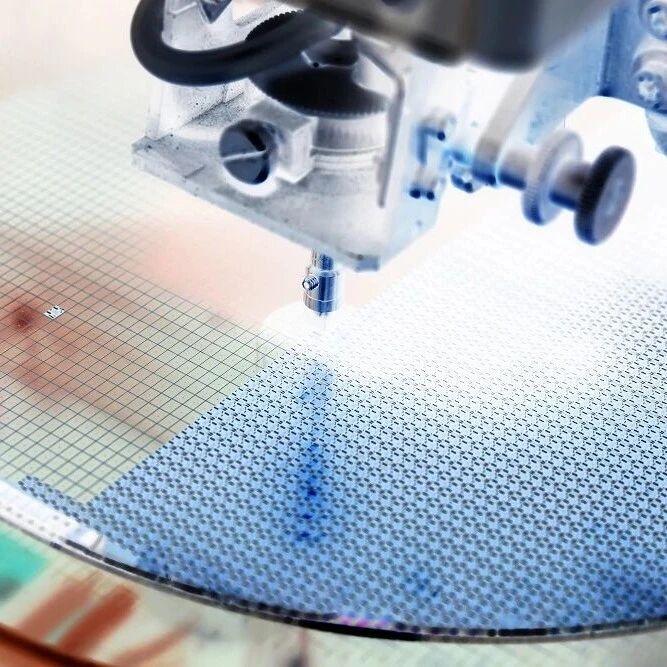
Core Viewpoint - The retirement of TSMC's senior vice president, Luo Weiren, marks the end of a significant 21-year career at the company, with speculation about his potential return to Intel to lead key R&D efforts [1][2]. Group 1: Luo Weiren's Career at TSMC - Luo Weiren joined TSMC in 2004 and held various senior positions, including vice president of operations and R&D, contributing to the company's strategic development and technological advancements [2]. - During his tenure, he led teams to overcome multiple technical challenges, resulting in over 1,500 patents, including approximately 1,000 U.S. patents, significantly enhancing TSMC's capabilities in advanced technology [2][4]. Group 2: Potential Return to Intel - Industry insiders suggest that while Luo Weiren's return to Intel is speculated, several factors such as non-compete agreements, his age, health considerations, and loyalty to TSMC may hinder this move [4]. - Despite these concerns, some analysts believe that Luo's U.S. citizenship might allow him to navigate around certain restrictions imposed by TSMC [4]. Group 3: Impact on the Semiconductor Industry - TSMC's advanced technology breakthroughs under Luo's leadership, particularly in EUV technology and the production of 5nm, 3nm, and 2nm processes, have been pivotal for the company's success [4]. - Intel's current production capabilities, including the 18A process for the "Panther Lake" processor, still rely on TSMC's manufacturing for certain components, indicating the ongoing interdependence within the semiconductor industry [5].

股价翻倍的英特尔,ICU门口的“芯片工厂”
3 6 Ke· 2025-10-27 03:53
Core Viewpoint - Intel is facing significant challenges despite recent financial support and positive stock performance, with critical issues surrounding its manufacturing capabilities and customer interest in its new 18A process technology [1][20]. Group 1: Financial Performance and Investment - Intel has received nearly $16 billion in funding from various sources, including the U.S. government and Silicon Valley investors, leading to a stock price increase of over 116% from its April low of $17.665 to $38.160 by October 23 [1]. - The company reported third-quarter revenue of $13.7 billion and a net profit of $4.1 billion, successfully returning to profitability [1]. - Despite the positive financial indicators, Intel's wafer foundry business continues to incur losses, with a reported revenue of $4.235 billion and a loss of $2.321 billion in the latest quarter [20][22]. Group 2: Manufacturing Capacity and Technology - Intel's manufacturing roadmap has shifted focus from the previously planned 20A node to 18A and 14A, with 14A expected to be mass-produced by 2027 [3]. - The 18A process is currently the priority, with production expected to start by the end of the year, but there are concerns about its capacity and customer demand [3][5]. - Intel's Fab 52 facility in Chandler, Arizona, is expected to have a monthly capacity of around 20,000 wafers, which is significantly lower than competitors like TSMC [5][6]. Group 3: Customer Demand and Market Position - There are mixed opinions in the industry regarding customer interest in Intel's 18A process, with major clients like AMD and Qualcomm expressing limited demand [5][12]. - Intel's strategy appears to be focused on internal consumption of its 18A capacity, with limited external orders anticipated in the short term [12][20]. - The company is struggling to compete in the pure foundry market, where TSMC has seen substantial growth, increasing its market share from 31% to 38% [26]. Group 4: Strategic Challenges and Future Outlook - Intel's 18A technology, while marketed as advanced, may not perform as well as competitors' offerings, raising questions about its market viability [14][19]. - The company has implemented multiple rounds of layoffs, reducing its workforce significantly to cut costs, but this strategy alone may not be sufficient to address its ongoing challenges [29][30]. - The success of Intel's future products, particularly the Core Ultra and Xeon processors, is critical for validating the 18A process and attracting external customers [30].
重视本土晶圆代工的估值扩张,推理需求激化存储涨价周期 | 投研报告
Zhong Guo Neng Yuan Wang· 2025-10-09 00:56
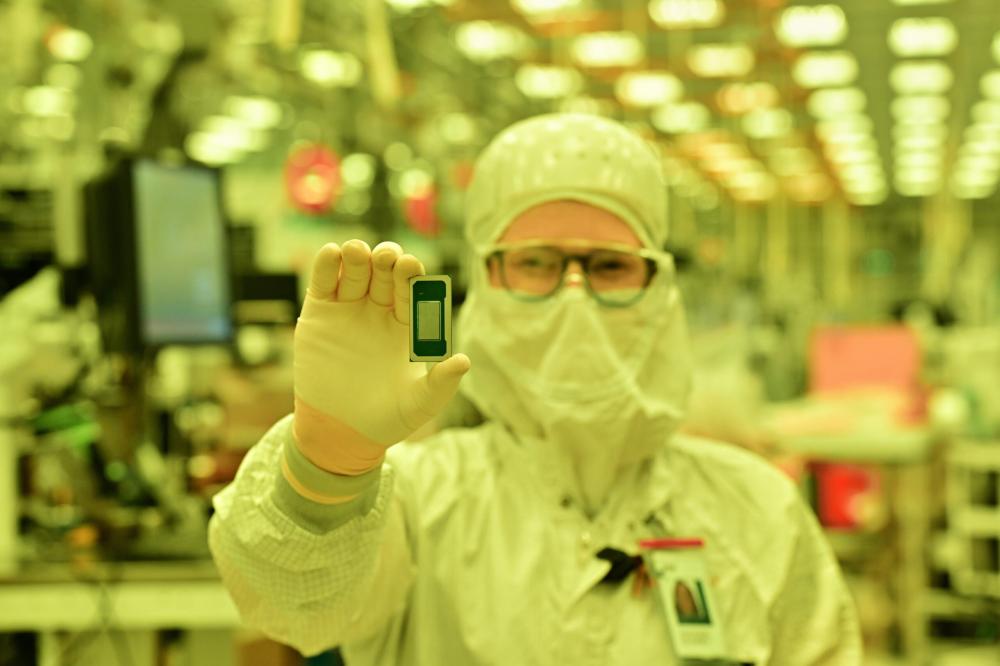
Core Viewpoint - Emphasis on the valuation expansion of domestic wafer foundries, driven by intensified demand and a price increase cycle in the storage sector [2] Market Performance - In the week before the holiday, the Shanghai Composite Index rose by 0.21%, while the electronics sector increased by 3.51%, with semiconductors up by 7.64%. In contrast, the Hang Seng Tech Index fell by 1.58% [2] - During the holiday period, Hong Kong's semiconductor sector performed well, with domestic foundries SMIC and Hua Hong Semiconductor reaching historical highs [2] Semiconductor Industry Insights - Domestic wafer foundry capabilities are advancing in both quantity and quality, driven by the growing demand for AI computing power and enhanced high-end chip design capabilities [2] - The increasing procurement by major companies like Deepseek, Alibaba, and Tencent highlights the necessity and scarcity of domestic high-end chip foundry capabilities [2] Storage Market Dynamics - The AI application Sora gained significant popularity during the holiday, and OpenAI partnered with AMD to expand computing power, indicating a competitive arms race among internet giants [2] - The NAND market is expected to see a rise in both volume and price due to increased demand from AI inference, with predictions of a 5-10% increase in contract prices for NAND Flash products in Q4 2025 [2] Capacity Growth Projections - From 2024 to 2028, China's wafer fab capacity is projected to grow at a CAGR of 8.1%, surpassing the global average of 5.3% [3] - The capacity growth for mainstream nodes (22nm-40nm) is expected to be particularly strong, with a CAGR of 26.5% [3] Company Developments - Yangtze Memory Technologies Co. (YMTC) completed its restructuring and is poised for expansion, with its valuation exceeding 160 billion yuan [4] - The establishment of the third phase of YMTC is expected to boost orders for domestic front-end equipment companies [4] AI Infrastructure Investments - Alibaba Cloud is accelerating its transformation into a full-stack AI service provider, with a three-year plan to invest 380 billion yuan in AI infrastructure [5] - The launch of the new AI server, designed to support multiple AI chips, reflects the growing demand for AI solutions [5] Investment Recommendations - Continued focus on domestic semiconductor companies such as SMIC, Hua Hong Semiconductor, and various storage firms like Demingli and Jiangbolong is advised [2][3][4] - In the consumer electronics sector, companies like Industrial Fulian and Xiaomi Group are highlighted for potential investment [6]



“大陆第三”晶圆代工企业递表港交所
Guo Ji Jin Rong Bao· 2025-09-30 15:53
Core Viewpoint - Hefei Jinghe Integrated Circuit Co., Ltd. (Jinghe Integrated) has submitted its prospectus for an IPO on the Hong Kong Stock Exchange, aiming to establish an "A+H" listing structure after its successful debut on the STAR Market in May 2023 [1][3]. Company Overview - Jinghe Integrated, founded in 2015, is a leading global 12-inch pure wafer foundry, focusing on advanced process research and application, providing wafer foundry services across various process nodes from 150nm to 40nm, and steadily advancing its 28nm platform [3]. - The company has a diverse technology portfolio in DDIC, CIS, PMIC, Logic IC, and MCU, serving applications in consumer electronics, smartphones, smart home appliances, security, industrial control, and automotive electronics [3]. Financial Performance - For the years 2022 to 2025, Jinghe Integrated's revenue figures are projected to be 100.26 billion, 71.83 billion, 91.20 billion, and 51.3 billion respectively, with a year-on-year revenue growth of 18.5% in the first half of this year [4]. - Net profits for the same period are expected to be 31.56 billion, 1.19 billion, 4.82 billion, and 2.32 billion respectively [4]. - The company's R&D expenditures during this period are 8.57 billion, 10.58 billion, 12.84 billion, and 6.95 billion respectively, indicating a strong commitment to innovation [4]. Market Position - According to Frost & Sullivan, Jinghe Integrated is projected to have the fastest capacity and revenue growth among the top ten global wafer foundries from 2020 to 2024, ranking as the ninth largest globally and the third largest in mainland China by 2024 [3]. Use of Proceeds - The funds raised from the IPO will be allocated to R&D and optimization of a new 22nm technology platform, AI-based intelligent R&D and production planning, establishing a R&D and sales center in Hong Kong, and general corporate purposes [4]. Shareholding Structure - Prior to the IPO, Hefei Urban Investment, a state-owned enterprise, holds a 23.35% stake, and Hefei Chip Screen holds 16.39%, collectively owning 39.74% of the company, making them the controlling shareholders [5].