核威慑

Search documents
美军,突然撤离!特朗普,又要挥舞关税大棒?
券商中国· 2025-08-05 23:30
Group 1: Military Movements - The U.S. military has confirmed the withdrawal from three military bases in Syria and Iraq, which have supported operations against ISIS for years [4][5] - The Pentagon's report indicates that U.S. personnel and coalition partners left these bases in May, with some troops relocating to other bases or returning to the U.S. [4] - The U.S. plans to dismantle and remove infrastructure from these bases or hand them over to the Syrian Democratic Forces [4] Group 2: Nuclear Submarine Deployment - President Trump announced the deployment of two U.S. nuclear submarines to a necessary area in response to threats from Russia [7] - Russian officials have cautioned against nuclear rhetoric, emphasizing that there are no winners in nuclear war [7][8] Group 3: Oil Trade Tensions - President Trump has threatened to significantly increase tariffs on Indian goods due to India's continued purchase of Russian oil [2][11] - India's oil imports from Russia have surged from an average of 68,000 barrels per day in January 2022 to 1.12 million barrels per day by June 2022, peaking at 2.15 million barrels per day in May 2023 [11] - The U.S. and India have been in trade negotiations, but India has resisted U.S. demands for tariff concessions on agricultural products [12]


美国能否力压普京会晤泽连斯基
第一财经· 2025-08-05 02:33
Core Viewpoint - The article discusses the escalating tensions between the U.S. and Russia regarding the Ukraine conflict, highlighting the U.S. threats of imposing severe tariffs on Russia and the ongoing nuclear deterrence rhetoric between the two nations [3][11]. Group 1: U.S. Diplomatic Efforts - The U.S. is sending high-level officials to Russia and Ukraine as a last-ditch effort to address the Ukraine crisis before the August 8 deadline for potential tariffs [3][4]. - U.S. Middle East envoy, Wittekov, is expected to visit Russia to clarify potential U.S. actions if no progress is made in resolving the conflict [4][6]. - The U.S. is in a difficult position, trying to balance pressure on Russia while avoiding appearing weak, as it seeks to manage the complex dynamics of the Ukraine crisis [7]. Group 2: Russia's Stance - Russia maintains its objectives in the special military operation, aiming to control more territory and ensure Ukraine remains neutral and not join NATO [8]. - The Kremlin emphasizes the importance of political and diplomatic solutions to the Ukraine issue, with President Putin open to meetings with Ukrainian President Zelensky under certain conditions [6][8]. Group 3: Ukraine's Position - Ukraine is focused on stabilizing its domestic governance while adopting asymmetric warfare strategies due to its unfavorable military position [9]. - Concerns persist in Ukraine regarding potential U.S.-Russia agreements that could force Ukraine to concede to Russian demands, despite some alleviation of risks due to U.S. policy changes [9]. Group 4: Potential for Escalation - The article notes that the differing positions of the U.S., Russia, and Ukraine are unlikely to reconcile in the short term, raising the risk of escalating conflicts [10]. - The ongoing diplomatic stalemate and military actions could lead to heightened tensions and further complications in resolving the Ukraine crisis [10].
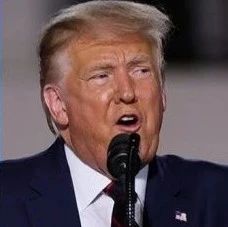
派遣特使、部署核潜艇,美国能否力压普京会晤泽连斯基?
Guo Ji Jin Rong Bao· 2025-08-05 00:42
Group 1 - The U.S. is threatening to impose "very severe" tariffs on Russia, with a deadline approaching on August 8, and high-level officials are visiting both Russia and Ukraine to discuss the situation [1][3] - The U.S. has deployed two nuclear submarines to "necessary areas," escalating nuclear deterrence rhetoric between the U.S. and Russia [10][11] - Russia maintains its stance on the Ukraine conflict, emphasizing territorial control and preventing Ukraine from joining NATO, while pushing for the demilitarization of Ukraine [5][6] Group 2 - Ukraine is focusing on stabilizing its domestic regime and adopting asymmetric warfare strategies, facing challenges due to U.S. military aid and European support being insufficient [8] - Diplomatic efforts among the U.S., Russia, and Ukraine are currently hindered, with potential for military conflict escalation [8] - Russia's nuclear capabilities are still a concern, with statements from officials indicating readiness to use them as a last resort [12]
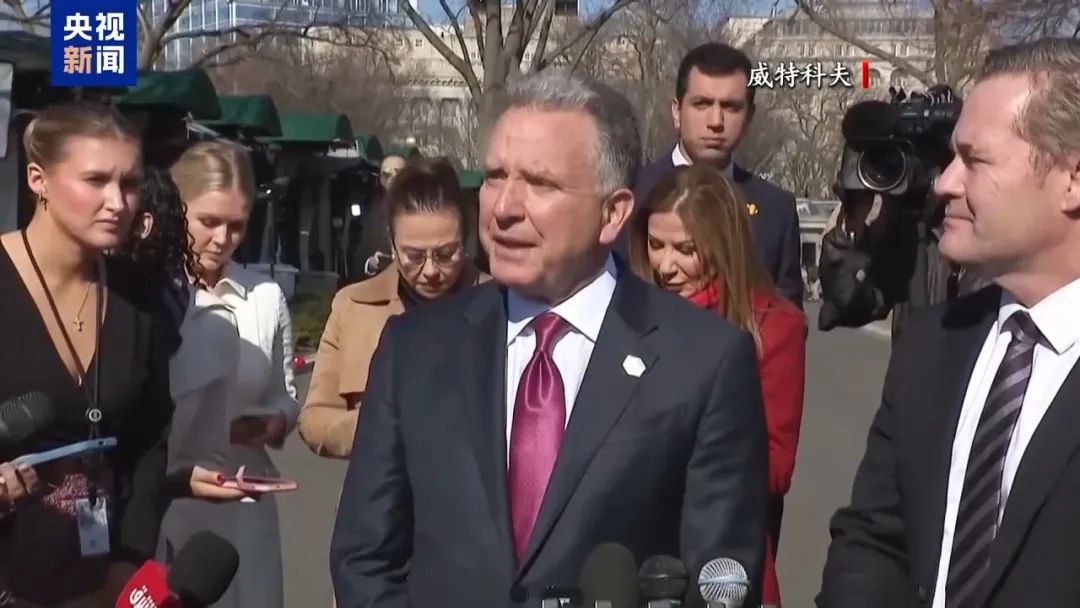
派遣特使 部署核潜艇 美国能否力压普京会晤泽连斯基
Yang Shi Xin Wen· 2025-08-04 23:31
Group 1 - The U.S. is facing a deadline regarding potential sanctions against Russia, with high-level officials visiting both Russia and Ukraine to address the ongoing conflict [1][2] - U.S. Special Envoy for Middle East Affairs, David Satterfield, is expected to visit Russia, potentially to communicate U.S. measures if no progress is made in resolving the Russia-Ukraine conflict by the deadline [2][4] - Russia maintains its stance on the objectives of its military operations, emphasizing territorial control and Ukraine's neutrality regarding NATO [5][6] Group 2 - Ukraine is focusing on consolidating its domestic power and adopting asymmetric warfare strategies due to its unfavorable military position [6][7] - The diplomatic process among the U.S., Russia, and Ukraine is currently hindered by differing positions, increasing the risk of conflict escalation [8][9] - The U.S. has deployed two nuclear submarines to a "necessary area," which has heightened tensions, with Russia asserting that there are no winners in a nuclear war [8][9]
俄官员:不排除使用核手段应对北约攻击
news flash· 2025-07-17 16:56
Core Viewpoint - Russian officials have indicated that they do not rule out the use of nuclear measures in response to NATO attacks, particularly concerning the Kaliningrad region [1] Group 1 - The Chairman of the International Affairs Committee of the State Duma, Slutsky, stated that any attack by NATO on Kaliningrad would lead to severe responses from Russia, including nuclear options [1] - The member of the Federation Council's Defense and Security Committee, Muratov, emphasized that NATO must understand that any attack on Russian territory would result in extremely serious consequences [1]
俄罗斯,突发!特朗普,将发布重大声明!
券商中国· 2025-07-11 13:10
Group 1 - Trump announced a "major statement" regarding Russia to be released on July 14, indicating a shift towards a tougher stance against Russia [1][2] - The U.S. government is set to provide $300 million in military aid to Ukraine, potentially including Patriot missile systems and offensive medium-range rockets [1][2] - A new agreement reached at the NATO summit will change the way military aid is delivered to Ukraine, with NATO covering 100% of the costs [2] Group 2 - Russian officials, including spokesperson Peskov, believe that resolving the Ukraine issue is more challenging than initially expected and express a desire for continued dialogue with the U.S. [3] - A meeting between Russian Foreign Minister Lavrov and U.S. Secretary of State Rubio discussed the Ukraine crisis and the need for a roadmap to end the conflict [4] - The U.S. is looking for greater flexibility from Russia in negotiations, while Russia has proposed new ideas for resolving the conflict [4] Group 3 - Ukrainian President Zelensky stated that negotiations with Russia are currently on hold due to incomplete prisoner exchange agreements [6] - Zelensky confirmed that Ukraine has received necessary political signals from the U.S. regarding the resumption of military aid, including discussions about the Patriot missile system [6] - The Russian military reported successful attacks on Ukrainian military targets, indicating ongoing hostilities in the region [7] Group 4 - The U.K. and France signed the "Northwood Declaration," coordinating their independent nuclear deterrent capabilities in response to changing European security dynamics [8] - The declaration allows for a joint response to threats against the core interests of either nation, highlighting the importance of defense cooperation [8]
英国拟购12架可携带核弹的美制F-35A战斗机
news flash· 2025-06-25 07:43
Core Points - The UK government announced the purchase of 12 F-35A fighter jets capable of carrying tactical nuclear weapons, marking the largest scale initiative to enhance nuclear deterrence in decades [1] - Prime Minister Keir Starmer is set to officially announce this decision at the NATO summit in The Hague on the 25th [1] - Starmer stated that the increase in defense spending is a response to a time of extreme uncertainty, where peace is no longer taken for granted [1]
整理:造核弹、封海峡、攻网络......被逼急了的伊朗可能做出什么“翻天覆地”的举动?
news flash· 2025-06-23 07:25
Group 1 - Iran may accelerate the development of nuclear weapons, with experts suggesting that even if the current regime collapses, a new leadership would focus on nuclear capabilities as a primary deterrent within the next 5 to 10 years. The likelihood of Iran withdrawing from the Non-Proliferation Treaty is also high [1][2] - Iran's geographical influence could disrupt global oil trade, potentially increasing oil prices and inflation, which could undermine economic plans. The Iranian parliament has considered blocking the Strait of Hormuz, although the final decision rests with the Supreme National Security Council [1][2] - There is a possibility that Iran may agree to resume nuclear negotiations after initially rejecting them in response to Israeli attacks, aiming to compel the U.S. to curb Israeli military actions [1][2] Group 2 - Iran's immediate response to U.S. attacks on its nuclear facilities has been to target Israel rather than U.S. bases, indicating a strategy to maintain the status quo and limit direct confrontation with the U.S. [2] - The direct involvement of the U.S. in the Israel-Iran conflict could lead to Iran activating its remaining proxies in Iraq, Yemen, and Syria to attack U.S. military assets in the region [2] - Reports suggest that Iran may activate "sleeper agents" within the U.S. to carry out terrorist activities if attacked, indicating a potential escalation in asymmetric warfare tactics [2]
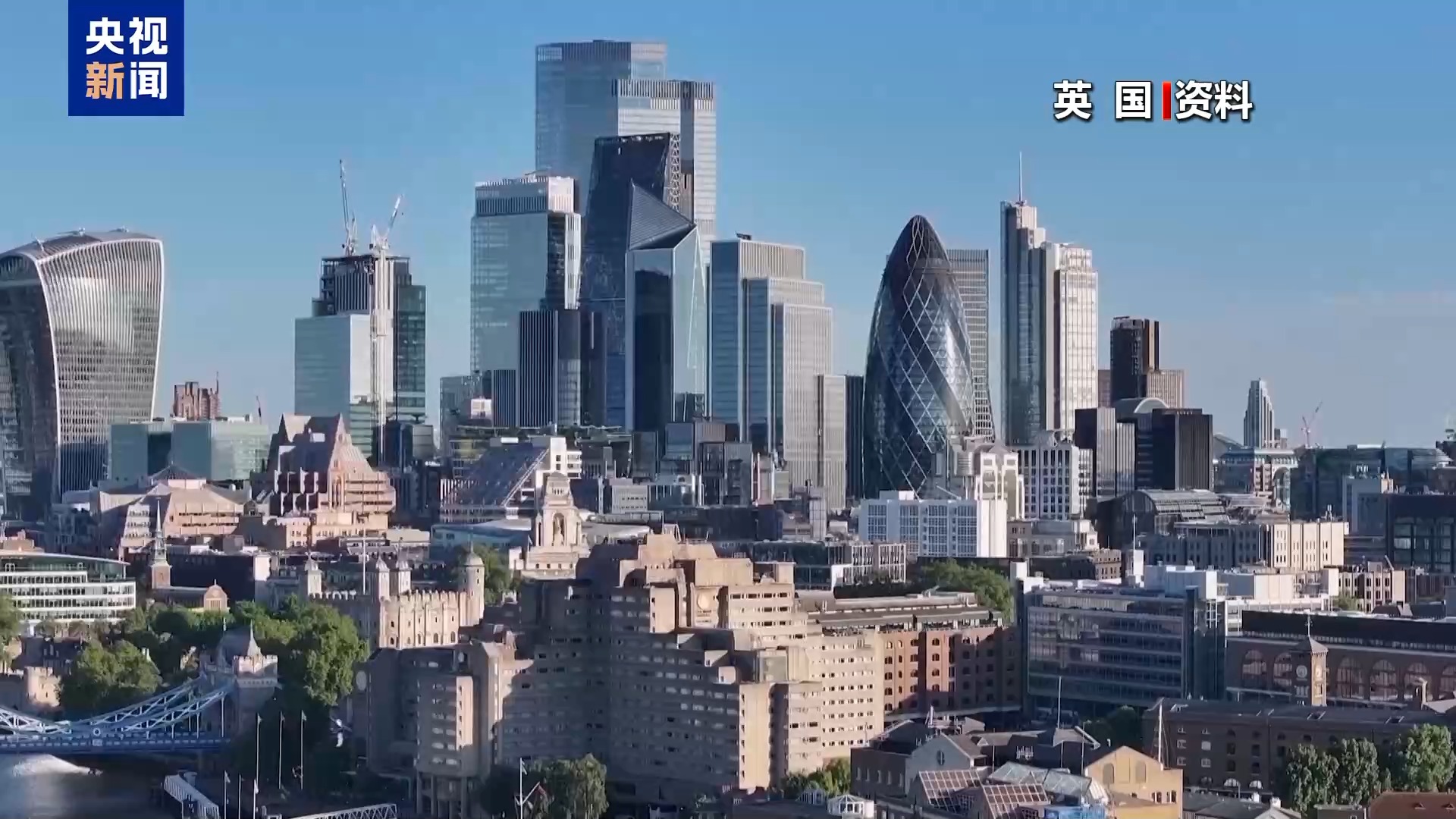
英国宣布全面转向“战备状态” 此时重提核威慑有何背景?
Yang Shi Xin Wen Ke Hu Duan· 2025-06-04 10:32
Group 1 - The UK government, led by Prime Minister Starmer, announced a shift to a "war readiness" state, with a focus on modernizing defense capabilities at "wartime speed" [1] - An additional investment of £15 billion will be made in the nuclear deterrent system, including the construction of 12 new attack submarines, and enhancements in long-range strike and cyber warfare capabilities [1] - The move has garnered significant attention and is seen as a response to the complex and evolving international security landscape, particularly in light of the Russia-Ukraine conflict and tensions in the Middle East and Asia-Pacific regions [2] Group 2 - The UK aims to expand its international influence and maintain its status as a global power, especially after the perceived decline in its international standing post-Brexit [2] - Domestically, the government seeks to address political and economic challenges, using national security as a core pillar of its reform agenda to unite various factions and boost public support [4] - The military-industrial sector is expected to drive economic growth and create jobs, leveraging the defense initiatives to stimulate the economy [4] Group 3 - Significant challenges exist in achieving these defense goals, particularly financial constraints due to economic difficulties and the need for substantial investment in submarine construction [5][7] - Technological limitations pose another hurdle, as the UK has historically relied on US support for advanced military technology and may struggle with independent innovation [7] - Political support within Parliament is crucial for the submarine program, and there are concerns about the effectiveness of the UK's nuclear deterrent in the current geopolitical context [7]
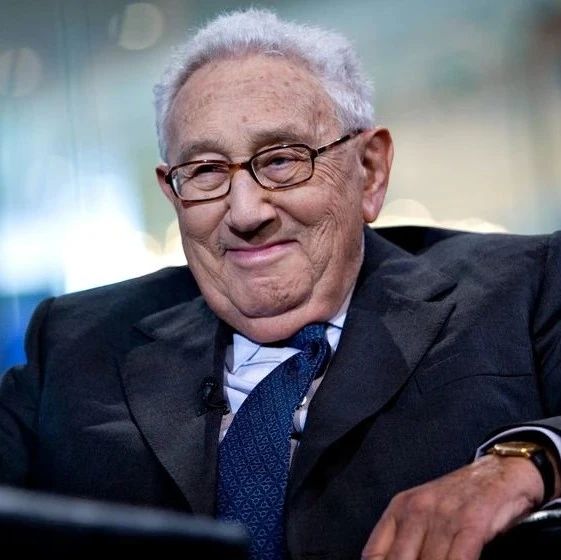
100岁老人如何理解AI
虎嗅APP· 2025-05-08 13:13
Core Viewpoint - The article discusses Henry Kissinger's final book, "Artificial Intelligence and the Future of Humanity," emphasizing that AI is akin to nuclear weapons, reshaping global power dynamics and geopolitical tensions [4][7][14]. Summary by Sections AI as a Strategic Tool - Kissinger argues that AI will redefine global order, particularly for nations integrating AI into governance and military strategies, notably the US, China, and the EU [9][10]. - The complexity of AI poses greater risks than nuclear weapons, as its development is less transparent and can lead to unpredictable conflicts [9][10]. Historical Context and Predictions - The book reflects on Kissinger's historical experiences, drawing parallels between the Cold War and the current AI landscape, suggesting that nations will need to establish departments to manage AI technology for both internal and external purposes [10][11]. - Kissinger believes that while conflict between the US and China is inevitable, it will be short-lived, as both nations will seek diplomatic solutions rather than engage in direct warfare [11][12]. Diplomatic Strategies - The article highlights Kissinger's view that AI should be treated as a form of "nuclear deterrence," promoting communication and balance among nations to avoid catastrophic outcomes [12][16]. - Kissinger's approach emphasizes managing conflicts rather than eliminating them, advocating for flexible diplomatic strategies to protect national interests [16][17]. Legacy and Perspective - The article notes that Kissinger's views on AI reflect a pragmatic and strategic mindset, positioning AI as a tool for negotiation rather than a purely technological advancement [14][15]. - His final insights serve as a reminder for policymakers to adapt their strategies in light of emerging technologies, maintaining a balance between competition and cooperation [16][17].