
生态环境治理

Search documents
写好这封信,也要多花点心思
Zhong Guo Huan Jing Bao· 2026-01-07 02:01
Core Viewpoint - The article discusses the implementation and challenges of ecological environment regulatory notification letters, emphasizing their role in facilitating compliance and proactive governance while identifying areas for improvement in their effectiveness and applicability [1][2][3][4] Group 1: Current Practices - Many local ecological environment departments have adopted notification letters to communicate legal requirements and compliance processes to enterprises, transforming abstract regulations into actionable guidelines [1] - These letters aim to create a rapid communication channel between government and enterprises, addressing the issue of companies being unaware of compliance requirements [1] Group 2: Challenges Identified - Issues with notification letters include non-standardized writing and lack of specificity, with some letters merely replicating higher-level policy documents without local context [1][2] - There is a lack of a closed-loop management mechanism, leading to ineffective implementation of the notification letters, as some enterprises treat them as ordinary correspondence [1][2] Group 3: Recommendations for Improvement - To enhance the effectiveness of notification letters, it is crucial to clarify their purpose and ensure they are seen as practical tools for risk mitigation rather than mere formalities [2] - The content of notification letters should be tailored to specific industries and situations, providing clear, actionable guidance rather than generic information [3] - Establishing a complete feedback loop is essential, allowing for ongoing communication between regulatory bodies and enterprises, and linking compliance with ecological credit ratings to enforce accountability [4]
宁夏珍稀野生动物频现 人与自然和谐图景渐浓
Zhong Guo Xin Wen Wang· 2026-01-05 11:30
宁夏珍稀野生动物频现 人与自然和谐图景渐浓 中新网银川1月5日电 (记者 李佩珊)上海鸟友邱杰元旦假期在宁夏银川贺兰山岩画拍摄到的欧歌鸫,经 多方查证,确认为宁夏鸟类分布新记录。这一发现,不仅为当地生物多样性添上新注脚,更成为宁夏生 态环境持续改善的鲜活佐证。 鸟友在贺兰山拍摄的银喉长尾山雀。 祁瀛涛 摄 来源:中国新闻网 编辑:熊思怡 广告等商务合作,请点击这里 本文为转载内容,授权事宜请联系原著作权人 鸟友拍摄的贺兰山红尾鸲。 祁瀛涛 摄 与贺兰山岩画的"鸟事"相映成趣的,是宁夏贺兰山国家级自然保护区内的兽群欢腾。作为国家二级保护 野生动物的马鹿,种群数量目前有2600余头,较此前显著增长。护林员此前救助的小马鹿"来福""来 财"已成功野化放归,游客常能拍到鹿群清晨下山觅食的"呦呦鹿鸣"图景。自新疆引入的普氏野马也顺 利诞下幼崽,专职"野马保姆"每日配送营养餐,守护这一濒危物种繁衍。目前,贺兰山国家级自然保护 区内已记录脊椎动物329种,其中国家重点保护脊椎动物69种,岩羊种群数量更突破4.1万只。 银川湿地的候鸟与市民的互动,则更显温馨。银川拥有200余处自然湖泊、沼泽湿地,总面积稳定在79 万亩,是东 ...


全年仅1天重污染,“北京蓝”赢在精抓细抠
Xin Jing Bao· 2026-01-04 14:19
Core Insights - Beijing has achieved significant improvements in air quality, with only one heavy pollution day recorded in 2025, a reduction of one day compared to the previous year, marking the lowest since monitoring began [1][2] - The number of days with good air quality reached 311 in 2025, an increase of 21 days year-on-year, resulting in a good air quality rate of 85.2%, the highest since monitoring began [1][2] Group 1: Air Quality Improvements - PM2.5 levels decreased from 89.5 micrograms per cubic meter in 2013 to 27.0 micrograms per cubic meter in 2025, achieving a breakthrough below 30 micrograms [1][2] - The transformation of PM2.5 concentration distribution from red to green indicates a significant reduction in air pollution, evolving from "heavy smog" to "APEC blue" and now to "normal blue" [1] Group 2: Policy and Action Plans - Since 2013, Beijing has implemented various action plans, including the Clean Air Five-Year Action Plan and the Blue Sky Defense Campaign, with a focus on precision in pollution control [2] - The city has adopted a "0.1 microgram" action plan to enhance the precision of pollution control efforts, reflecting a commitment to continuous improvement [2] Group 3: Transportation and Industry Initiatives - By 2025, over 60% of new vehicles will be new energy vehicles, with a total of over 1.28 million new energy vehicles in the city, and over 80% of vehicles meeting national standards [2] - Beijing has created 1,803 "green" enterprises, accounting for 39.7% of the total, through initiatives like clean production audits and targeted green performance evaluations [2] Group 4: Technological and Collaborative Efforts - The establishment of a comprehensive air quality monitoring network has enabled precise governance, targeting 23 local pollution sources with tailored measures [3] - Collaborative efforts with the surrounding regions, such as the Beijing-Tianjin-Hebei area, have been crucial in addressing regional air pollution, leading to significant improvements in air quality [3]
绿水青山装点江苏靓丽底色
Xin Hua Ri Bao· 2026-01-02 20:00
Group 1: Environmental Improvement and Achievements - Jiangsu province has achieved a significant improvement in its ecological environment, with the proportion of national assessment sections rated as Grade III or above reaching 94.8% in 2025, an increase of 1.0 percentage points year-on-year [1] - The PM2.5 concentration in Jiangsu was recorded at 31.3 micrograms per cubic meter by the end of 2025, showing a 3.1% improvement, with a good air quality days ratio of 81.6%, marking the best levels since monitoring began [1] - Jiangsu has seen a historical transformation in its ecological environment, moving from severe degradation to noticeable improvement during the "14th Five-Year Plan" period, while also achieving a GDP growth crossing three trillion yuan milestones [1] Group 2: Water Quality and Management Initiatives - The "Taihu Light" ecological dredging platform, set to be operational in 2025, will efficiently dredge 8,000 cubic meters of sediment daily, helping to improve the water quality of Taihu Lake [2] - Jiangsu has implemented a classification system for industrial and domestic wastewater, leading to significant improvements in water quality across major rivers and lakes, with the Yangtze River's main stream achieving Grade II quality for eight consecutive years [2][3] Group 3: Air Quality and Emission Control - Jiangsu has shifted its focus from traditional pollutants to volatile organic compounds (VOCs), with nearly 300 coal-fired units undergoing deep denitrification by 2025, covering about 90% of the province's coal-fired capacity [3] - The province has initiated the "Green Island" project to promote proactive VOCs emission reduction strategies, moving from passive responses to active management [3] Group 4: Regulatory and Service Enhancements - Jiangsu has optimized its environmental impact assessment (EIA) processes, reducing approval times significantly, exemplified by a five-minute turnaround for EIA exemption approvals in the Nantong Economic and Technological Development Zone [4] - The province has launched 12 measures to promote the private economy and streamline EIA processes, facilitating the approval of 3,000 major projects [5] Group 5: Low-Carbon Transition and Innovation - Jiangsu is advancing low-carbon transitions across various sectors, with two areas being recognized as national-level zero-carbon parks by December 2025 [6] - The province has conducted carbon audits for 515 key enterprises in major industries, achieving a 100% compliance rate for carbon market obligations [6] Group 6: Institutional Framework and Future Plans - Jiangsu has established the first provincial-level "14th Five-Year" ecological environment infrastructure construction plan, with 2,386 key projects enhancing environmental infrastructure capabilities [7] - The province aims to accelerate green, low-carbon, and high-quality development while continuing to combat pollution and promote ecological conservation as it enters the "15th Five-Year" period [7]
邗江擦亮“水韵扬州”金字招牌
Zhong Guo Xin Wen Wang· 2025-12-28 01:15
Core Viewpoint - The ecological restoration of Mingyue Lake in Yangzhou is a significant initiative aimed at improving water quality and enhancing urban living conditions, showcasing a successful model for environmental governance and sustainable development [1][2]. Group 1: Ecological Restoration Efforts - Mingyue Lake, known as the "Eye of the West District," faced severe internal and external pollution issues before restoration [2]. - The restoration project employs a "four-dimensional" approach, including ecological remolding, water dynamics improvement, lake ecological restoration, and smart monitoring [2]. - The project involved the introduction of 1,750 kilograms of large benthic animals and 1,800 fish to enhance the food chain and stabilize the aquatic ecosystem [2]. Group 2: Urban Development and Environmental Governance - The Yangzhou government emphasizes a holistic approach to river and lake management, integrating flood control, ecological restoration, and urban service orientation [1]. - The transformation of Mingyue Lake into a vibrant "urban living room" reflects the harmonious coexistence of water bodies and urban environments, promoting mutual empowerment [1]. - The ecological restoration of Mingyue Lake has positioned it as a model case in the "Beautiful China Construction Practice Case" for environmental governance and ecological restoration [1].
再创佳绩 福建新添一批“美丽地标”
Xin Lang Cai Jing· 2025-12-27 12:31
Core Insights - The Ministry of Ecology and Environment has announced the fourth batch of excellent cases for beautiful rivers and lakes, with two rivers in Fujian Province recognized as excellent cases, highlighting the province's commitment to ecological improvement [1][2] - Fujian Province has a total of seven beautiful river cases and nine beautiful bay cases, with eight of them being excellent cases, indicating a strong performance in environmental initiatives [1][2] - The province aims for 100% of the national control sections of major river basins to achieve Class I-III water quality by 2024, with current data showing a consistent 100% for the first eleven months of the year [1][2] Group 1: Beautiful Rivers and Lakes - The Min River in Nanping City serves as an ecological barrier and a vital waterway, with efforts to transform ecological disadvantages into development advantages through systematic governance and industrial transformation [1] - The Mu Yang Creek in Ningde City has developed a mechanism for water management that includes forest cultivation, pollution control, and community involvement, resulting in over 10 million tourists and more than 10 billion yuan in tourism revenue in the past three years [2] Group 2: Beautiful Bays - Fujian's approach to beautiful bay construction emphasizes land-sea coordination and tailored strategies for each bay, aiming for high-quality economic development in coastal areas [2] - The Dazhong sea area in Xiamen has implemented a comprehensive water environment management mechanism, focusing on ecological resilience and the development of high-tech marine industries [2] - The Xihai area in Xiamen has established a marine environmental protection cooperation mechanism across administrative regions, promoting green transformation in ports and achieving full coverage of "Asia-Pacific Green Port" certification for container terminals [2] Group 3: Ecological Protection Measures - The Fuzhou section of the Xinghua Bay is advancing green park and port construction, implementing ecological restoration measures to protect endangered species [3] - The Quanzhou section of the Meizhou Bay is promoting the development of a green petrochemical industrial park and ecological restoration projects, integrating modern marine industry development with environmental sustainability [3] Group 4: Overall Environmental Improvement - The ongoing efforts in Fujian Province reflect a broader commitment to ecological improvement, with cleaner waters and enhanced environmental quality becoming a hallmark of the region [4]
雄安新区生态画卷:白洋淀“水下森林”已呈现
Zhong Guo Xin Wen Wang· 2025-12-26 13:49
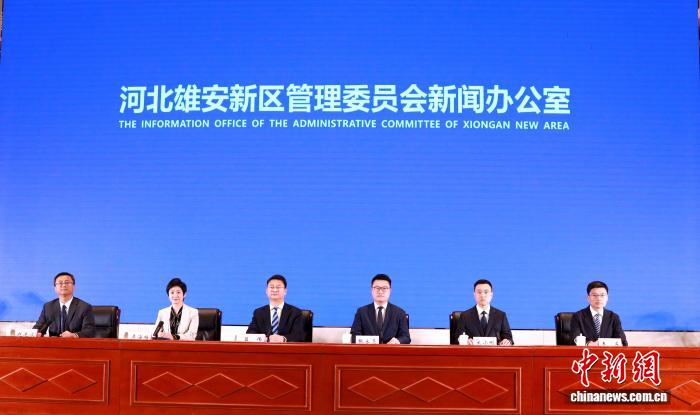
雄安新区生态画卷:白洋淀"水下森林"已呈现 中新网雄安12月26日电 (裴国荣 韩冰 冯志)"十四五"雄安答卷 高标准高质量推进雄安新区建设现代化城 市系列新闻发布会第六场26日举行,"十四五"期间,白洋淀生态环境和淀区水质实现历史性跨越。 据通报,白洋淀经过百淀连通工程、清淤疏浚、实施芦苇平衡收割等有史以来最大规模系统治理,水质 自2021年以来保持在Ⅲ类标准,步入全国良好河湖行列。 12月26日,"十四五"雄安答卷 高标准高质量推进雄安新区建设现代化城市系列新闻发布会第六场 举行。王红 摄 编辑:张嘉怡 广告等商务合作,请点击这里 本文为转载内容,授权事宜请联系原著作权人 中新经纬版权所有,未经书面授权,任何单位及个人不得转载、摘编或以其它方式使用。 关注中新经纬微信公众号(微信搜索"中新经纬"或"jwview"),看更多精彩财经资讯。 为发挥白洋淀的生态绿心作用,累计退耕还淀74.22平方公里,促进湿地生态系统的完整性恢复。划定9 个鸟类栖息地,建设2个鸟岛,实施生态隔离和分区管控。截至目前,白洋淀野生鸟类达296种,青头潜 鸭、彩鹮等珍稀鸟类成为常客;野生鱼类恢复至50种。白洋淀生态自我修复能力显著增 ...
以公益诉讼厚植广西生态底色
Guang Xi Ri Bao· 2025-12-26 03:16
Group 1 - The core viewpoint of the articles highlights the active role of the Guangxi procuratorial organs in addressing heavy metal pollution and illegal mining through public interest litigation, with 25 civil public interest lawsuits filed and over 96 million yuan in ecological damage compensation sought [1] - The Guangxi procuratorial authority has implemented a comprehensive plan to enhance supervision and legal support for green development, including the establishment of a special task force for public interest litigation [1] - A decade-long special action has been initiated to investigate heavy metal pollution and illegal mining, resulting in the arrest of 611 individuals and the prosecution of 278 [1] Group 2 - The Guangxi procuratorial organs are leveraging civil public interest litigation to address ecological environmental governance, actively handling cases related to illegal land occupation and hazardous waste disposal [2] - The establishment of a public interest litigation task force is seen as a significant opportunity to enhance collaborative efforts in addressing heavy metal pollution issues [2] - Future plans include strengthening cooperation with relevant departments to promote the integration of mining rights and comprehensive governance of small and scattered enterprises, aiming for high-level ecological protection and high-quality economic development [2]
河清岸美 心情舒畅
Xin Lang Cai Jing· 2025-12-23 19:08
Core Insights - The establishment of the "Impression Sanping Cycling Team" has grown from 6 to 40 members over 17 years, highlighting community engagement and the positive impact of environmental improvements [2][3] - The comprehensive governance project initiated in 2019 along the Tohun River has transformed the area from a polluted environment to a lush, green space, enhancing local tourism and recreational activities [2] - The improvement in ecological conditions has led to a rise in rural tourism, with urban visitors coming to experience the changes in the countryside, showcasing the success of rural revitalization efforts [2][3] Environmental and Community Impact - The Tohun River governance project not only focused on pollution control but also included extensive tree planting and landscaping, contributing to a healthier ecosystem [2] - The cycling team serves as a platform for promoting physical health and community bonding, encouraging retirees to engage in outdoor activities rather than remaining sedentary [3] - The narrative of local changes and the pride in community achievements are shared among team members and visitors, fostering a sense of belonging and collective identity [3]
中泰建交50周年绿色发展研讨会在曼谷举行
Xin Hua She· 2025-12-22 08:46
新华社曼谷12月22日电(记者夏康静)中泰建交50周年绿色发展研讨会22日在曼谷诗丽吉王后国家会议 中心举行。中泰两国政商学界人士与会,共同探讨两国在绿色发展领域的现状与合作前景。 中国环境科学研究院院长席北斗表示,中泰两国始终坚定走生态优先、绿色发展的道路,中国正全面推 进美丽中国建设,泰国也在积极推行绿色经济模式,两国在生态环境与科技创新领域的合作空间广阔。 希望双方持续深化联合研究、技术转移和能力建设等合作,为区域乃至全球的生态环境治理提供更多科 学支撑和解决方案。 泰中科技协会秘书长披猜·颂成表示,泰中两国在环保科技领域已开展多年合作。本次研讨会为双方深 化科研交流、推动绿色技术发展和加强政策协同搭建了重要平台。 中国驻泰国大使张建卫在致辞中表示,当前全球绿色可持续发展正处于关键阶段,生态环境形势依然严 峻,各国在应对自身环境挑战的同时,愈发注重加强国际与区域合作。希望本次研讨会不仅是一次思想 交流,更成为推动务实行动的新起点,为中泰绿色发展合作注入新动力。 泰国曼谷市市长差察·西迪汶表示,中国在环境治理方面为全球树立了典范,在空气质量改善和绿色转 型领域取得的成就为国际社会提供了重要经验。中国以科学 ...