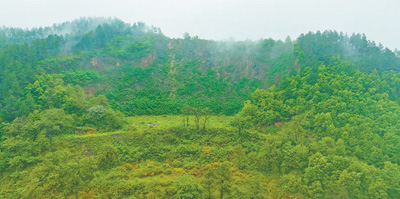
矿山生态修复

Search documents
白河,可以拿出来晒了
Ren Min Wang· 2025-09-26 08:10
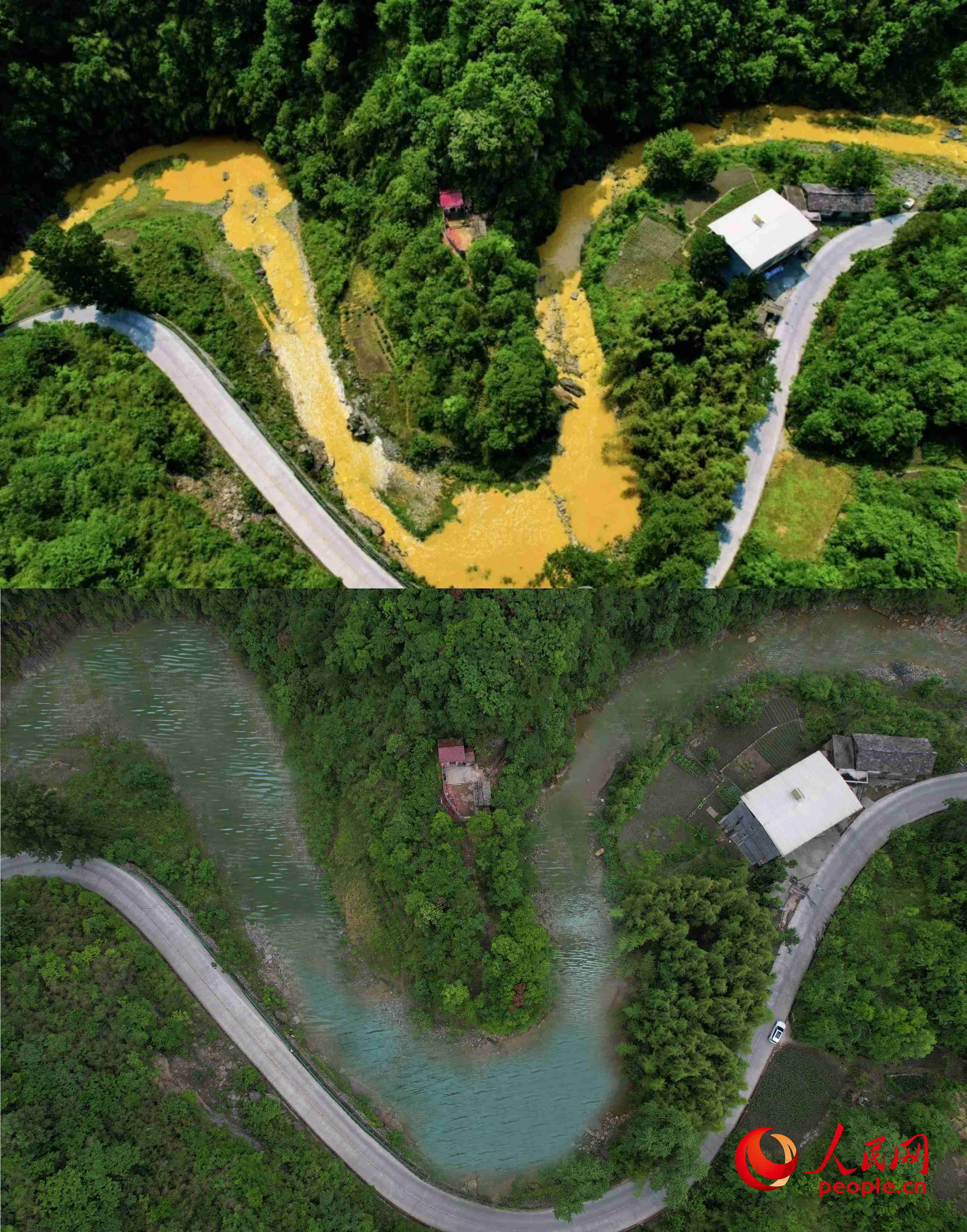
Core Viewpoint - The article discusses the environmental restoration efforts in Baihe County, Shaanxi, focusing on the remediation of pollution caused by abandoned sulfur iron mines, which has significantly improved local water quality and revitalized the community's economy. Group 1: Historical Context - Baihe County was historically reliant on mining, particularly sulfur iron, which led to severe environmental degradation, including the contamination of local water sources with acidic "sulfur water" [2][5][10]. - The mining practices were crude and unregulated, resulting in long-term ecological damage and health hazards for local residents [5][10][13]. Group 2: Remediation Efforts - Starting in 2000, Baihe County began shutting down all sulfur iron mining operations and initiated pollution control measures, but initial efforts were insufficient [2][24]. - A comprehensive remediation project launched in 2020 involved sealing over 200 abandoned mine shafts and disposing of more than 1 million cubic meters of mining waste [2][24]. - The project faced challenges due to the complex terrain and the need for innovative solutions, such as using a new material called KEP for sealing mine shafts [15][17]. Group 3: Results and Impact - As of mid-August this year, the length of polluted "sulfur water" has been reduced from 56 kilometers to 11.6 kilometers, with water quality consistently meeting national Class II surface water standards [24]. - The environmental improvements have facilitated economic development, leading to the establishment of 30,000 acres of ecological tea gardens and the creation of local jobs [24][28]. - The community has experienced a transformation, with residents noting significant changes in water clarity and overall environmental quality [24][28].

安徽桐城15座废弃矿山重披绿装 生态治理总面积达34.89公顷
Zhong Guo Zi Ran Zi Yuan Bao· 2025-09-23 01:49
Core Viewpoint - The article highlights the successful implementation of ecological restoration in mining areas in Tongcheng City, Anhui Province, showcasing a model project that integrates mining activities with environmental recovery and green development [1][2]. Group 1: Ecological Restoration Efforts - Tongcheng City has accelerated its ecological restoration work in mining areas, completing the restoration of 15 abandoned mines with a total area of 34.89 hectares [1]. - The city adheres to the principle of "mining while restoring and greening," transforming previously barren and damaged landscapes into vibrant green areas [1]. Group 2: Planning and Strategy - The city has developed the "Tongcheng City Land Space Ecological Restoration Plan (2022-2035)," which outlines clear goals and tasks for ecological restoration in mining areas, targeting a total restoration area of 124.47 hectares [2]. - A new mechanism for coordinated management of active and historical mining sites has been established to promote green mining practices [2]. Group 3: Innovative Approaches - Tongcheng City aims to achieve a win-win situation for economic and ecological benefits by integrating surplus sand and gravel from restoration projects into the municipal public resource trading platform for regulated sales [2]. - The city encourages the development of specialty industries such as greenhouse fruits and vegetables and edible fungi in restored mining areas, linking ecological restoration with rural industrial revitalization [2]. Group 4: Regulatory Measures - The city implements a "one mine, one policy" approach to manage geological disaster prevention, vegetation recovery, and land remediation, ensuring the sustainability of restoration outcomes [2]. - Public awareness campaigns are conducted to promote the concept that "lucid waters and lush mountains are invaluable assets," fostering a collaborative atmosphere for ecological governance [2].
辽宁海州露天矿治理取得阶段性进展
Zhong Guo Xin Wen Wang· 2025-09-11 01:08
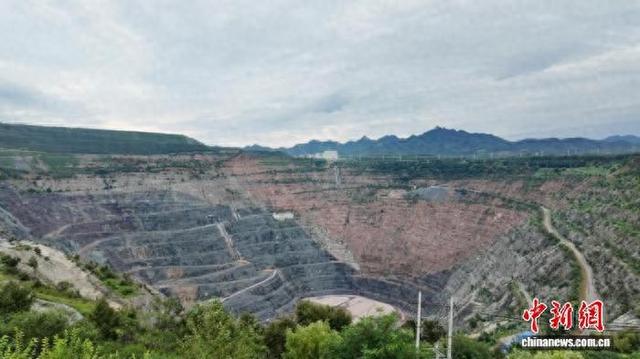
Group 1 - The Haizhou open-pit mine in Fuxin, Liaoning Province, has undergone comprehensive remediation, stabilizing its slopes as part of ongoing ecological restoration efforts [1] - The mine, a key project from China's First Five-Year Plan, has produced a total of 244 million tons of coal from its opening in 1953 until its closure in 2005 due to resource depletion [1] - The mine's dimensions are approximately 3.9 kilometers in length, 1.9 kilometers in width, and 350 meters in depth, with long-term high-intensity mining leading to significant ecological and disaster-related issues [1] Group 2 - The mine's underground residual coal self-ignition has caused surface temperatures to reach 400-500 degrees Celsius, complicating remediation efforts [1] - Research teams are employing methods such as drilling and injecting carbon dioxide to reduce surface temperatures before proceeding with restoration work [1] - The Fuxin Natural Resources Bureau reported that over the past three years, 3,493 acres of land have been restored, with increasing wildlife sightings indicating ecological improvement [1] Group 3 - The Haizhou Open-Pit Mine Historical Museum reopened to the public, featuring historical artifacts including a 1960 five-yuan banknote depicting a large electric pick operation at the mine [2] - Former miner Ma Yumin, who worked at the site for 27 years, expressed optimism about the land's revival after facing geological and ecological challenges [2]
贵州已治理历史遗留矿山6万余亩
Xin Hua Cai Jing· 2025-08-14 08:41
Core Viewpoint - Guizhou province has made significant progress in the ecological restoration of historical abandoned mines, having restored over 60,000 acres out of more than 80,000 acres identified as unremediated [1] Group 1: Restoration Efforts - Guizhou has implemented a comprehensive plan for the ecological restoration of historical abandoned mines, including the issuance of the "Guizhou Province Land Space Ecological Restoration Plan" and the "14th Five-Year Plan for the Ecological Restoration of Historical Abandoned Mines" [1] - The province has secured approximately 900 million yuan in special funds from central and provincial sources to support the restoration efforts [1] Group 2: Project Progress - The restoration progress has reached 80%, with specific projects such as the Miao Ling Mountain ecological restoration demonstration project covering an area of 19,400 acres [1] - The Nanbei Panjiang River Basin historical abandoned mine ecological restoration demonstration project has been recognized as a national demonstration project, marking it as the second national-level ecological restoration project in Guizhou [1]
四水映绿 豫见两山丨矿山变形记
He Nan Ri Bao· 2025-08-07 23:51
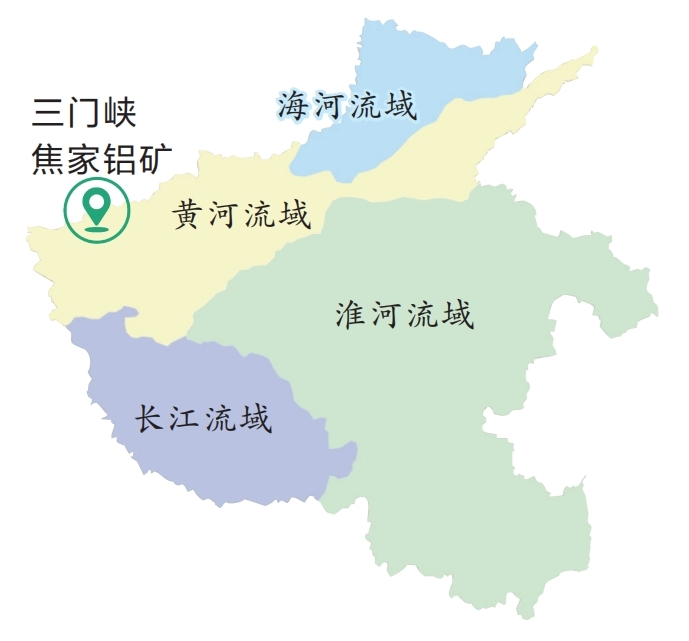
Core Viewpoint - The article highlights the ecological restoration efforts at the Jiaoji Aluminum Mine in Sanmenxia, which has transformed from a heavily exploited mining area into a green landscape, showcasing a successful model of environmental rehabilitation and sustainable development [2][10]. Group 1: Ecological Restoration Efforts - The Jiaoji Aluminum Mine has completed significant restoration work, including filling 3.33 million cubic meters of earth, covering 456,100 square meters, and constructing 12,000 meters of drainage ditches, with a total treatment area of 1,116 acres [2]. - The mine has successfully restored 363 acres of dry land and 496 acres of tree-covered land, and has planted over 360 acres of crops, expected to yield 300,000 kilograms of grain annually [2][10]. - The restoration process involved a tailored ecological repair plan, which included transforming steep slopes into terraced steps and implementing effective drainage systems to manage rainwater [6][9]. Group 2: Challenges and Innovations - The restoration faced challenges such as the high steepness of slopes (up to 70 degrees) and low survival rates of initially planted tree species like white poplar, leading to a shift in strategy to include more resilient species like purple spire and alfalfa [8][9]. - The restoration team utilized a combination of manual labor and machinery, with 52 excavators and over 60 transport vehicles working simultaneously to achieve the restoration goals [7]. - The ecological restoration has turned the previously barren landscape into a thriving environment, with the first batch of white poplar trees reaching nearly two meters in height after two years [9][10]. Group 3: Community Impact and Future Prospects - The successful restoration has instilled confidence in the local community, with plans for villagers to return and develop tourism in the area, enhancing local economic opportunities [11]. - The article emphasizes the importance of ongoing environmental monitoring and joint enforcement efforts to ensure the sustainability of the restoration outcomes [12].
亚洲最深矿坑的“青山答卷”:360万株树木重塑钢铁青山
Zhong Guo Xin Wen Wang· 2025-08-07 07:06
Core Viewpoint - The article highlights the transformation of the Dagu Mountain Iron Mine in Anshan, Liaoning, from a traditional mining operation to an ecological restoration project, emphasizing the integration of mining and environmental sustainability. Group 1: Mining Operations and Environmental Initiatives - Dagu Mountain Iron Mine, established in 1916, has transitioned from open-pit mining to ecological restoration after ceasing surface mining in June 2022, with ongoing backfilling and restoration efforts [1] - The mine has implemented a "mining while restoring" principle, conducting slope reduction and stabilization projects, covering a cumulative area of 25.67 hectares, which lays the groundwork for land reclamation [2] - The mine has successfully planted 60,000 trees, including locust and torch trees, creating a green belt around the mining area [2] Group 2: Ecological Restoration Achievements - Over 20 years, 79 hectares of abandoned land have been transformed into a lush ecological garden, featuring 5 hectares of pear orchards and 3 hectares of plum orchards, with a significant increase in biodiversity [4] - The area has achieved a carbon sequestration of 532.5 tons annually, exceeding carbon emissions by 100.7 tons, thus reaching carbon neutrality [4] - The ecological restoration efforts have been recognized as a typical case in the "China's Decade of Change" by the Ministry of Foreign Affairs, serving as a global reference for mine ecological restoration [4] Group 3: Economic and Social Impact - The ecological park has hosted over 1,800 domestic and international inspection groups, indicating its growing importance as a site for ecological tourism [6] - The company is working towards obtaining AAA-level tourism certification for the ecological park, which is expected to significantly enhance tourism revenue and boost the local economy [6] - The integration of ecological restoration with mining operations is anticipated to increase corporate profitability while improving the income of nearby residents [6]

湖北武穴严把矿山修复工程质量关
Zhong Guo Zi Ran Zi Yuan Bao· 2025-08-06 06:50
Core Points - The performance evaluation of the PPP project for ecological restoration and comprehensive management of mines in Wuxue City, Hubei Province, is being conducted for the year 2024 [1] - Experts from geology, environmental, landscaping, finance, and legal fields are involved in the evaluation process [1] - The evaluation focuses on construction output, effectiveness, management during the construction phase, and operational output, effectiveness, and management during the operation phase [1] - The results of the evaluation are directly linked to the project's service fees [1] Evaluation Process - The evaluation team follows a strict process that includes on-site inspections, discussions, and document reviews [1] - A total of 13 mines, 2 green corridors, and 3 node parks from the first batch, along with 9 mines from the second batch, are objectively assessed [1] - The evaluation aims to support the standardized implementation of the project [1]
蒲城县以矿山生态修复助力乡村振兴
Zhong Guo Huan Jing Bao· 2025-07-22 01:25
Core Viewpoint - The article highlights the sustainable development approach taken by Pucheng County in Shaanxi Province, focusing on ecological restoration of mining areas while integrating rural revitalization and green development. Group 1: Ecological Restoration Efforts - Pucheng County has implemented a comprehensive ecological restoration strategy, repairing 240 sites, increasing arable land by 76.78 hectares, and adding 214.2 hectares of forest and 246.6 hectares of grassland [1] - A thorough investigation identified over 260 mining sites needing restoration, leading to the establishment of detailed ecological environment archives [2] - Specific measures for different mining conditions include slope reduction, wall construction, and water drainage systems to mitigate geological hazards [3] Group 2: Financial and Regulatory Framework - The county has allocated approximately 196.86 million yuan for ecological restoration projects, integrating various agricultural and environmental funds [2] - Pucheng County emphasizes the responsibility of mining companies to contribute to ecological restoration funds, ensuring adequate financial resources for projects [2] Group 3: Integration with Economic Development - The ecological restoration efforts have been linked with local economic activities, promoting the cultivation of medicinal herbs and economic crops, thus transforming the local economy [4] - The improved ecological environment has attracted community engagement in recreational activities, enhancing the quality of life for residents [4] Group 4: Governance and Community Involvement - A comprehensive regulatory mechanism has been established to oversee the entire process of ecological restoration, ensuring compliance with design and construction standards [5] - The county has fostered a collaborative governance model that combines community participation, legal frameworks, and ecological restoration efforts [6]
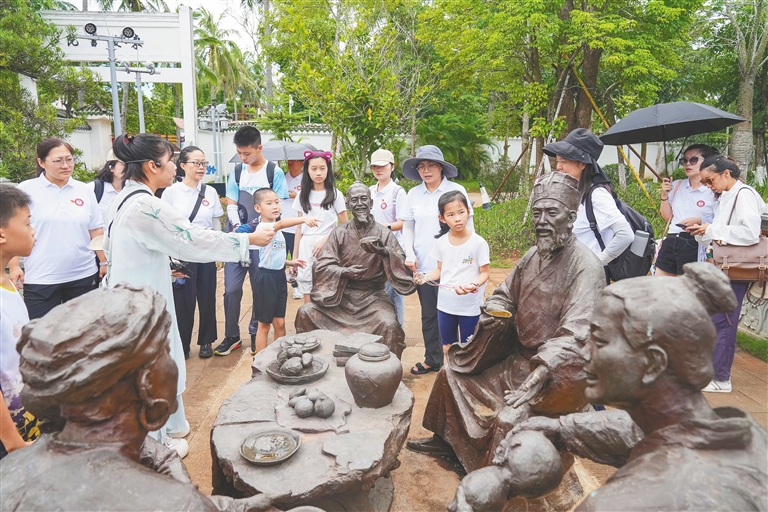
儋州:良法善治促发展
Hai Nan Ri Bao· 2025-07-10 01:47
Core Viewpoint - The article discusses the implementation of local legislation in Danzhou, focusing on the protection and utilization of cultural resources, particularly related to the Dongpo culture, and the ecological restoration of mining areas, aiming to promote development and improve governance [2][3][4]. Group 1: Cultural Resource Legislation - Danzhou has enacted the "Regulations on the Protection and Utilization of Dongpo Cultural Resources," which is the first specialized legislation on Dongpo culture in the province, aimed at enhancing the protection and utilization of cultural heritage [2][4]. - The regulations consist of 21 articles that define the scope of Dongpo cultural resources, covering both movable and immovable cultural heritage, as well as intangible cultural heritage [4]. - The legislation encourages social capital participation and aims to integrate Dongpo culture with local cultural elements to create distinctive cultural tourism brands [4][5]. Group 2: Ecological Restoration Legislation - Danzhou is set to implement the "Regulations on Mining Ecological Restoration" starting September 1, 2024, addressing issues such as geological disasters and environmental degradation caused by mining activities [5][6]. - The regulations outline specific restoration measures and emphasize the responsibility of restoration personnel to prevent further environmental damage during the restoration process [6]. - This legislation represents a targeted approach to improve environmental governance through local laws [5][6]. Group 3: Legislative Framework Improvement - Danzhou has established the "Regulations on the Formulation of Local Legislation," which will take effect on May 1, 2025, to standardize the legislative process and improve the quality of local laws [7]. - The regulations provide a comprehensive framework for the legislative process, including drafting, review, and modification of local laws, ensuring adherence to principles of scientific, democratic, and lawful legislation [7]. - Future legislative plans include addressing urban management, ecological civilization, cultural heritage protection, and grassroots governance [7].
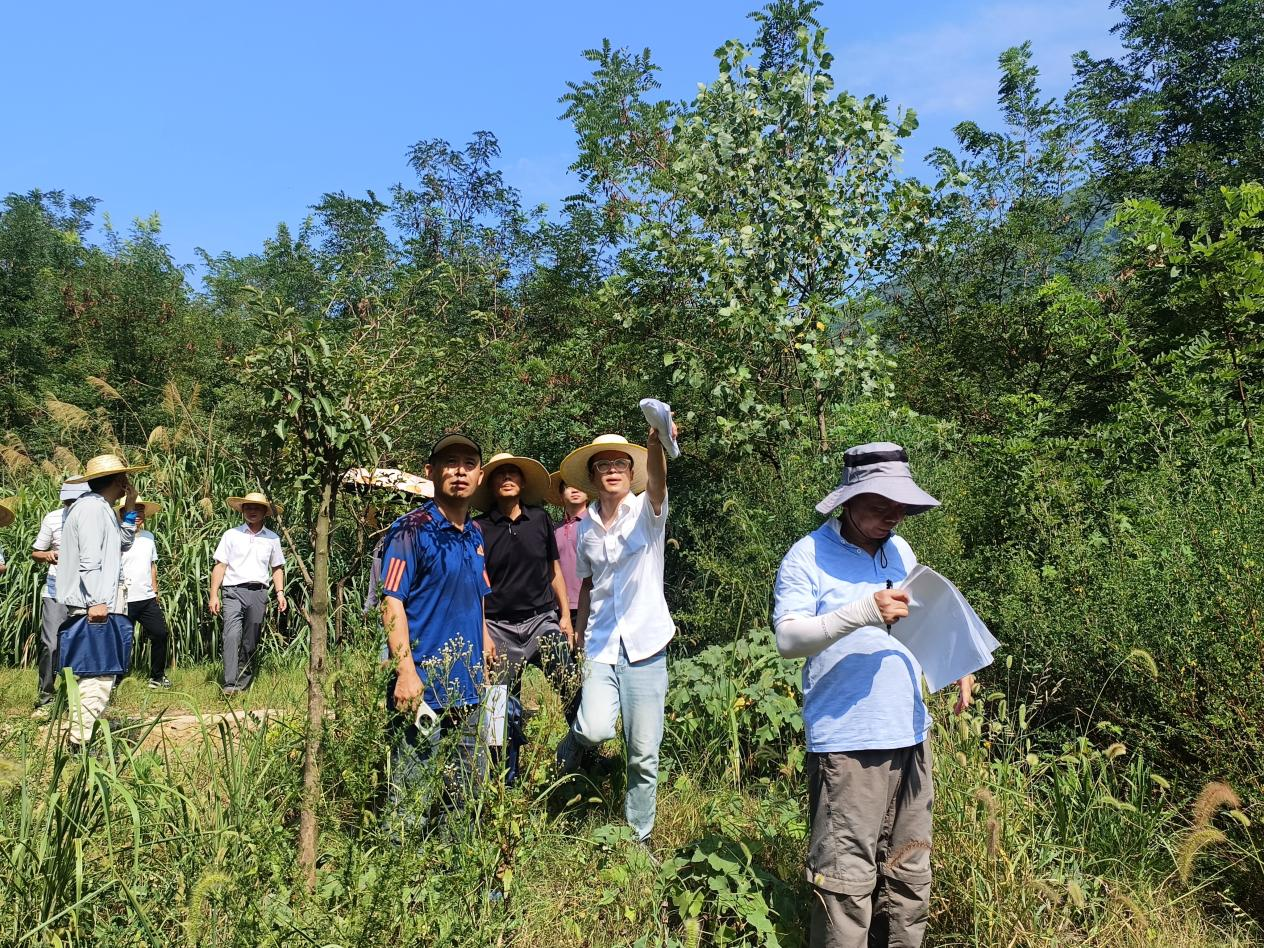
葛藤“爬”出绿色奇迹(美丽中国·生态治理中的特色植物②)
Ren Min Ri Bao· 2025-05-11 22:30
Core Viewpoint - The article discusses the ecological restoration of abandoned mining sites in Jiangxi's Hongfeng County through the cultivation of local plant Kudzu, which not only improves the environment but also boosts local economic development. Group 1: Ecological Restoration - Hongfeng County has over 4,000 acres of abandoned mining areas that have severely damaged the ecological environment, leading to soil erosion and geological hazards [2][4] - The local government has initiated a project to use Kudzu for ecological restoration, leveraging its strong adaptability and ability to prevent soil erosion [3][5] - Initial trials of Kudzu planting showed significant success, with a noticeable reduction in soil erosion and an increase in soil organic matter by 0.5 percentage points [4] Group 2: Economic Development - The cultivation of Kudzu has led to the development of a "Kudzu economy," with approximately 20,000 acres planted and an annual production of 30,000 tons, generating sales revenue of about 580 million yuan [8] - Local farmers are benefiting financially from participating in Kudzu cultivation, with some reporting annual income increases of around 10,000 yuan [5][6] - The county is promoting the processing of Kudzu into various products, such as Kudzu root powder and beverages, to enhance market appeal and economic returns [8] Group 3: Community Involvement - The local government has implemented supportive policies and financial incentives to encourage community participation in Kudzu planting and ecological restoration efforts [5][6] - A cooperative model involving companies, cooperatives, and farmers has been established to maximize participation and benefits for local residents [5] - The restoration efforts have also opened up opportunities for developing under-forest economies and eco-tourism in the region [9]