
科产融合

Search documents
开局定调,四川为何要说“过经过脉”?
Mei Ri Jing Ji Xin Wen· 2026-02-03 16:13
Core Insights - The Sichuan Provincial Government's work report emphasizes the need for actionable and detailed implementation of policies, moving from broad planning to specific execution [1][2] - The report sets a GDP growth target of approximately 5.5% for the year, highlighting the importance of consumer spending and investment in driving economic growth [2][6] Economic Development - Sichuan's social retail sales exceeded 2.9 trillion yuan, with a growth rate of 5.1%, ranking second among ten major economic provinces [2][6] - The government aims to stimulate consumption through various sectors, including transportation, home services, and digital entertainment, integrating youth-driven economic initiatives into new consumption categories [6][7] Tourism and Cultural Integration - Tourism is identified as a key driver for consumption, with over 1.1 billion visitors in the previous year, including 3.4 million international tourists [7][8] - The report outlines specific projects for cultural and tourism integration, such as optimizing "transportation-tourism" synergies and developing cultural-tech industry zones [8][9] Industrial Strategy - The report emphasizes a shift from project-based development to ecosystem-based strategies, focusing on proactive planning in rapidly evolving industries [9][10] - Specific actions include targeting key industries like integrated circuits and biomedicine, with plans to establish a commercial aerospace hub and promote innovation in various sectors [10][11] County-Level Economic Development - The report highlights the importance of county-level economies, proposing to empower 29 selected counties to achieve high-quality growth and develop distinct economic centers [12][15] - The strategy includes fostering leading industries in agriculture, manufacturing, and tourism to enhance regional economic balance and growth potential [15][16]

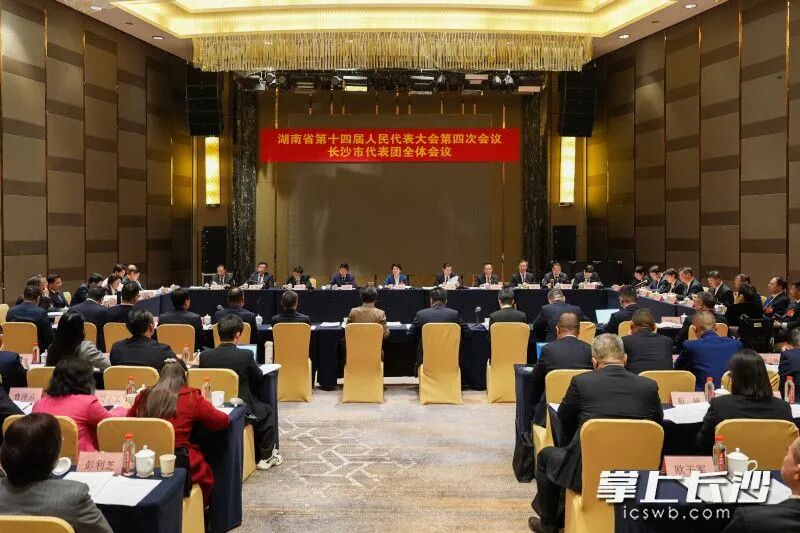
省两会进行时丨长沙市代表团举行第三次全体会议
Xin Lang Cai Jing· 2026-02-03 14:37
2月3日下午,省十四届人大四次会议长沙市代表团举行第三次全体会议,审议省政府工作报告,审查湖南省国民经济和社会发展第十五个五年规划纲要 草案。省委常委、市委书记吴桂英,副省长王一鸥,市委副书记、市长陈博彰参加会议。市人大常委会党组书记、主任罗缵吉主持。省直相关部门负责 同志到会听取意见。 2月3日,省十四届人大四次会议长 转自:长沙发布 长沙市代表团举行第三次全体会议 审议政府工作报告 审查"十五五"规划纲要草案 吴桂英王一鸥陈博彰参加 沙市代表团举行第三次全体会议。 吴桂英代表说,政府工作报告通篇贯穿了党中央、国务院决策部署及省委工作要求,总结成绩实事求是、部署工作路径清晰,是一个提振信心、顺应民 心、鼓舞人心的报告;规划纲要草案为全省未来发展提供了"任务书"和"路线图",我完全赞成。长沙将把握战略地位切实提升、"三个高地"积厚成势、 全运效应蓄势迸发、城市能级显著增强、发展空间持续放量的机遇与利好,坚定信心决心、强化责任担当,把高质量发展要求落到实处,把内需主导作 为重中之重,把科产融合战略做深做实,把改革开放抓出更好成效,把区域协调发展推向深入,把发展红线底线筑稳筑牢,为推动全省高质量发展和现 代化建设 ...
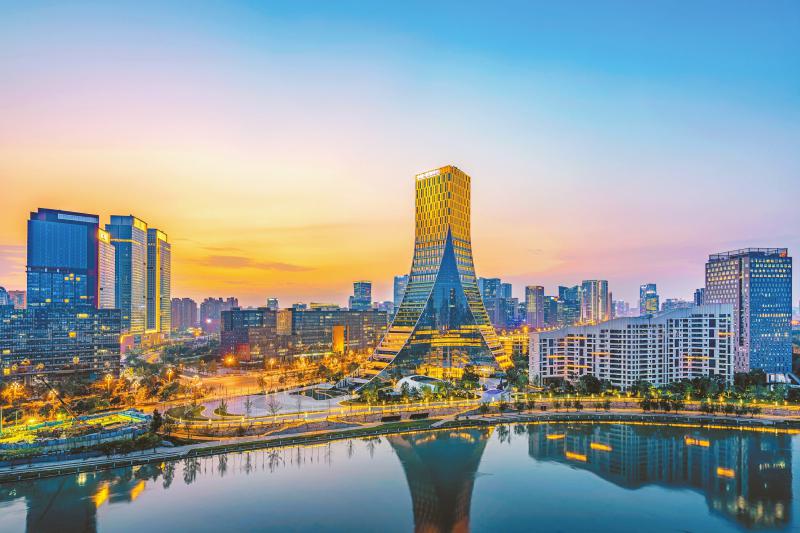
成都高新区:奋力跑出“加速度”力促经济“开门红”
Xin Lang Cai Jing· 2026-02-02 23:09
Core Viewpoint - Chengdu High-tech Zone is actively promoting technological innovation and industrial integration to enhance new productive forces and economic growth, aiming to establish itself as a world-leading technology park [2][3][4]. Group 1: Technological Innovation and Industrial Integration - Chengdu High-tech Zone has established 8 strategic platforms and 70 national-level innovation platforms, leading the province in high-value invention patents per capita [3]. - The zone has developed key technologies such as the world's first gallium nitride quantum light source chip and mRNA therapies for hepatitis B, showcasing significant breakthroughs in core technology [3][4]. - A "mid-test +" ecosystem has been created with 102 mid-test platforms, attracting nearly 10 billion yuan in investment and generating over 18 billion yuan in product output [4]. Group 2: Business Environment and Economic Growth - The Chengdu High-tech Comprehensive Bonded Zone achieved an import and export value of 525.69 billion yuan in 2025, marking a 4.8% year-on-year increase, maintaining its position as the top bonded zone in the country [6]. - The zone has implemented innovative regulatory measures, reducing customs clearance times from 5 days to under 1 day, significantly lowering logistics costs by 30% [6]. - The total number of business entities in Chengdu High-tech Zone surpassed 400,000, with 274,100 being enterprises, the highest in the city [8]. Group 3: Consumer and Cultural Development - Chengdu High-tech Zone has launched various cultural and tourism initiatives, attracting over 120,000 participants to events like the "Chengdu Lights You Up" New Year celebration [9]. - The zone is home to over 6,000 digital cultural and creative enterprises, enhancing consumer experiences and driving new consumption patterns [10]. - The area has seen a significant increase in talent, with over 850,000 individuals contributing to innovation and consumption potential, thereby enhancing regional attractiveness [10][11].


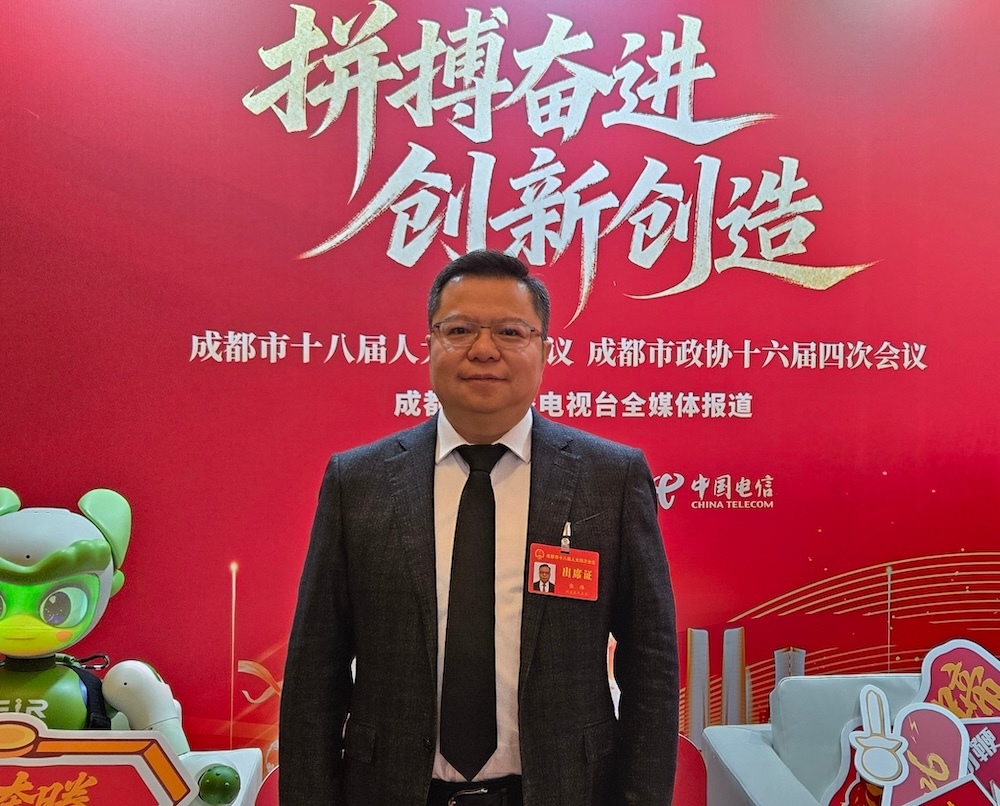
成都市人大代表张伟:“投早投小”+“全球引才” 激活成都科产融合新动能
Mei Ri Jing Ji Xin Wen· 2026-02-01 04:43
Core Insights - The integration of technology and industry is becoming a central theme in urban development, with a focus on optimizing the innovation environment in cities [1] - High-revenue and high-profit startups in the tech sector are injecting new momentum into urban development, particularly in Chengdu's AI vision sector [1][2] - There is a consensus on the need for targeted policies to support the growth of early-stage tech companies, emphasizing the importance of providing scenarios and platforms rather than just funding [2][4] Group 1: Policy Recommendations - Chengdu should enhance its policy support for early-stage and small tech companies, making "invest early and invest small" a key strategy for nurturing new growth [4] - The city should optimize targeted investment attraction, focusing on key industrial chains to bring in complementary enterprises and enhance industrial clustering [5] - Establishing a unified monitoring and early warning platform for industrial chains is essential to improve supply chain resilience [5] Group 2: Talent Acquisition and Globalization - Chengdu's geographical advantages, particularly its connection to Europe through the "Rong-Ou" train, position it well for international talent exchange [6] - The city aims to become a significant center for international exchanges and high-level openness, gathering resources and enhancing development capabilities [6] - There is an opportunity to leverage the current geopolitical climate to attract international talent, with a focus on establishing a global talent network [7][8] Group 3: Industry Development and Collaboration - The presence of industry leaders like Hikvision in Chengdu underscores the city's attractiveness for tech enterprises, particularly in the AI vision field [2] - Collaboration between local enterprises and international firms, such as integrating European robotics with local innovation centers, is seen as a promising avenue for development [6] - Customized talent policies and dedicated funds for key tech industries are recommended to provide precise support for talent acquisition [8]
吴桂英:凝心聚力抓发展 干字当头开新局 全力以赴抢抓一季度实现“开门红”
Xin Lang Cai Jing· 2026-01-31 15:24
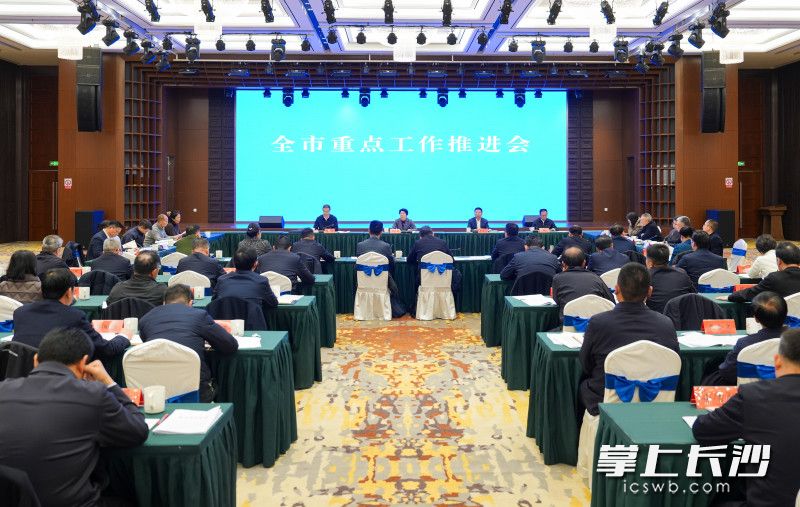
稿源:掌上长沙 2026-01-31 22:44 吴桂英在全市重点工作推进会上强调 吴桂英指出,过去一年,全市经济运行总体平稳、质效向好、承压前行。我们要客观盘点发展成效,正视存在的 短板不足,增强慢进亦退的危机意识,以久久为功的定力抓实各项工作。要把高质量发展的导向牢牢树起来,践 行正确政绩观,推进内涵式发展行稳致远。要把稳增长摆在更加突出的位置,以有力举措进一步提高经济工作质 效,着力稳定市场预期、提振企业信心。要把内需主导作为重中之重,精准谋划储备项目,深入实施提振消费专 项行动,加速推进重大基础设施项目、重大产业项目。要把科产融合战略做深做实,提升科创竞争力,做大做强 先进制造业,加快发展现代服务业。要把改革开放抓出更好成效,进一步破解深层次矛盾和体制性障碍,大抓招 商引资,优化营商环境,稳住外贸基本盘。要把发展红线底线筑稳筑牢,办好民生实事,打好大气污染防治攻坚 战,抓好重点领域隐患整治,持续强化信访问题源头治理。 吴桂英强调,全市上下要增强"紧抓快干"的意识,弘扬"真抓实干"的作风,彰显"敢抓会干"的担当,展现开局之 年的关键之为。春节临近,要统筹抓好促发展、惠民生、保安全、守底线等各项工作,在新 ...
因地制宜谋划区域发展 在服务全市大局中展现担当作为
Xin Lang Cai Jing· 2026-01-30 17:41
转自:成都日报锦观 本报讯 (成都日报锦观新闻记者 杨帆) 市十八届人大四次会议期间,市人大常委会党组书记何礼先后 来到邛崃代表团、高新代表小组、龙泉驿代表团,与代表们一起审议政府工作报告、人大常委会工作报 告,审查市"十五五"规划纲要草案。 因地制宜谋划区域发展 在服务全市大局中展现担当作为 何礼参加代表团(代表小组)审议 听取代表们的发言后,何礼表示,完全赞成政府工作报告和人大常委会工作报告。他说,过去一年,面 对严峻形势和多重挑战,市委市政府全力以赴拼经济搞建设,坚定不移推动高质量发展,经济社会发展 取得十分不易的成就。报告总结成绩实事求是、谋划工作科学周密,充分彰显了坚定贯彻新思想的政治 自觉、客观展现了推动高质量发展的重要成就、极大鼓舞了建设现代化成都的信心干劲。一年来,市人 大常委会紧扣市委决策部署、紧盯民生关切,以立法为主业、以监督为主责、以代表为主体,扎实做好 各项工作,持续丰富拓展全过程人民民主的成都实践。 何礼对三个区(市)县发展成绩给予了肯定。他说,要锚定"十五五"时期经济社会主要发展目标,牢牢 把握"创新驱动、开放引领、科产融合、强县活区"发展战略和"八个推进、八个提升"重点任务,发挥 ...
紧扣目标抓落实 担当实干促发展
Xin Lang Cai Jing· 2026-01-30 17:41
Group 1 - The core message emphasizes the importance of implementing strategies and taking practical actions to promote development in the context of the "14th Five-Year Plan" and the upcoming "15th Five-Year Plan" [1][2] - The city has made significant progress in various sectors over the past year, with economic operations stabilizing and innovation momentum accelerating, contributing to the overall development of the region [1] - Key representatives from the Double Flow District and Tianfu New Area provided suggestions on enhancing technology transfer, building a modern industrial system, and improving agricultural infrastructure [1] Group 2 - The "15th Five-Year Plan" marks a new beginning, with a focus on innovation-driven development, open leadership, and integration of science and industry [2] - The government has outlined ten key measures to ensure the implementation of the city's strategic goals, emphasizing the need for proactive actions to achieve targets [2] - Specific strategies include leveraging strategic opportunities, enhancing innovation, strengthening industrial chains, utilizing open resources, and improving public services to enhance the quality of life [2]
议产业 谈技术 看民生
Xin Lang Cai Jing· 2026-01-30 17:41
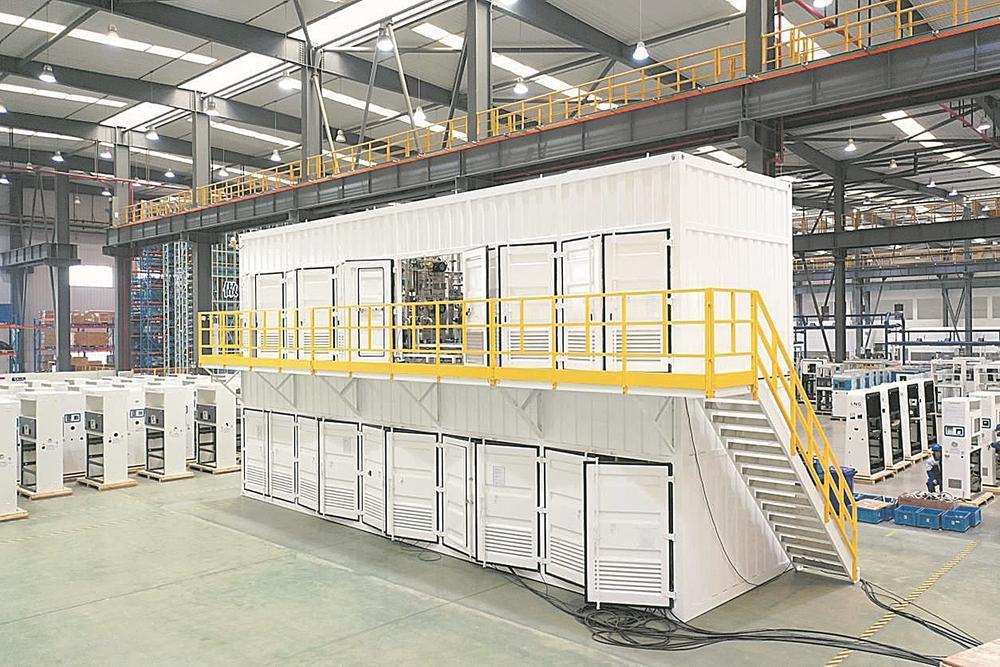
转自:成都日报锦观 1月28日,成都市十八届人大四次会议开幕。政府工作报告和"十五五"规划纲要草案,引发代表委员们广泛热议。议产业未来发展、谈前沿技 术攻坚、看民生消费热点,关切兴奋洋溢在每个人的脸上,信心力量聚集在每个人的心中。 聚焦氢能产业的长远发展,张章提出了自己的建议。"目前,成都的氢能汽车推广情况较好,但加氢站作为基础配套略显滞后,影响了氢能产 业快速发展。因此,我带来的建议是希望成都尽快出台加氢站管理办法。" "今年的成都市政府工作报告提到建设全国文化创意中心,和我带来的建议关联性很强。"市人大代表、老肯医疗股份有限公司制造管理部经理 田兰表示,随着短视频平台迅猛发展,微短剧行业呈现井喷态势,但伴随而来的内容失范问题亟待系统整治。 议产业 谈技术 看民生 代表委员铆足干劲谋发展 出口西班牙的"成都造"集装箱式碱性制氢装备。 绿色低碳是不少人大代表关注的方向。"迈入'十五五',成都将优化构建以先进制造业为骨干的'9+9+10'现代化产业体系。"市人大代表、东方 电气氢能(成都)有限公司执行董事、总经理张章表示,公司作为成都的氢能链主企业,对未来发展充满信心。 尽快出台加氢站管理办法 集中力量突破关键 ...
把“金点子”转化为发展“金钥匙”
Xin Lang Cai Jing· 2026-01-29 19:50
转自:成都日报锦观 把"金点子"转化为发展"金钥匙" 聚焦政府工作报告协商建言座谈会 协商建言座谈会现场。 "深入实施创新驱动发展战略,建议构建常态化、可持续的科技创新场景供给机制。""推动科产融合,要提升产业、创业基金使用效能。"…… 1月29日,政府工作报告协商建言座谈会在金牛宾馆举行。 从创新驱动发展到助力科产融合,从优化营商环境到扎实办好民生实事,委员们结合自己一线调研的经验,聚焦低空经济发展、科创型企业扎 根、老旧小区改造等方面,踊跃发言,为城市高质量发展建言献策。 如何助力科产深度融合? 拓宽示范应用场景 提升基金使用效能 如何激活区域经济发展? 串联上下游配套企业 优化市场准入效能 当前,低空经济正成为撬动产业升级、激活区域经济的关键抓手,其巨大的带动效应如何在成都全面释放?"要牢牢抓住成都的航空制造禀 赋,让产业禀赋转化为发展胜势!"市政协委员刘洋建议,加快培育沃飞长空、腾盾、傲势等链主企业快速成长,同时,要以链主企业为纽 带,串联起产业的上下游配套企业,夯实做强相关产业。 优良的营商环境是推动区(市)县高质量发展的核心支撑,市场准入效能高低是衡量营商环境建设水平的重要指标之一,市政协委员孟刚 ...
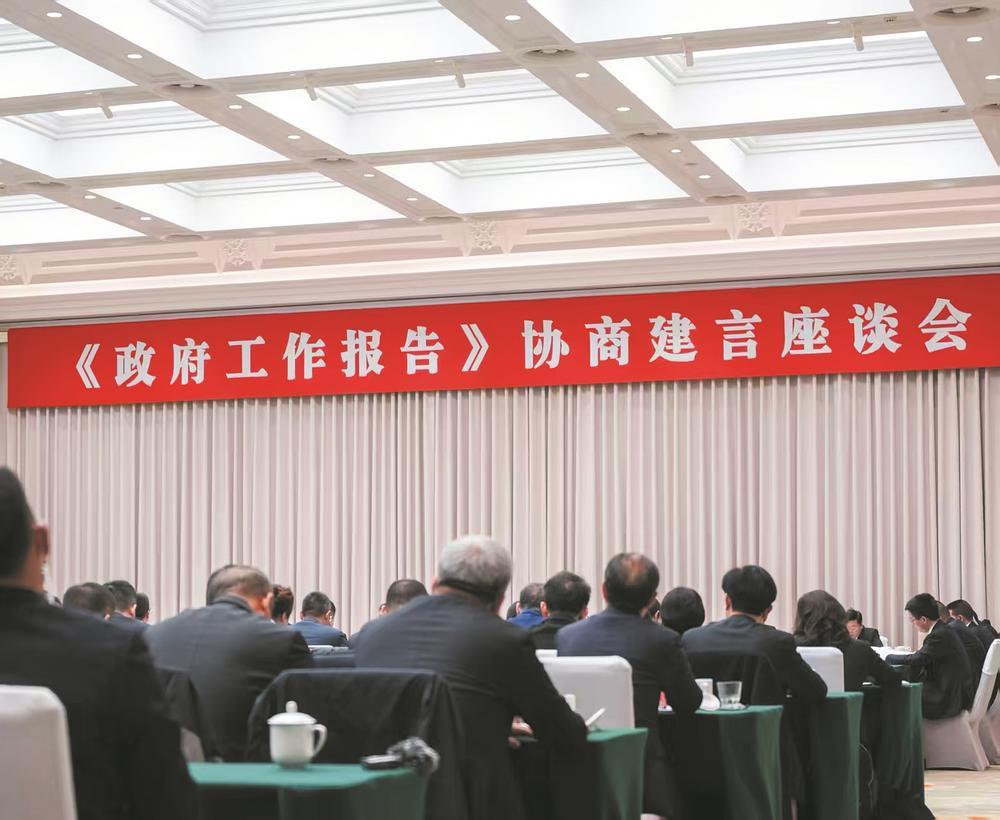
市政协十六届四次会议举行政府工作报告协商建言座谈会
Xin Lang Cai Jing· 2026-01-29 19:50
Core Viewpoint - The Chengdu Municipal Government is actively engaging with the local political advisory body to gather insights and suggestions for enhancing government work and achieving economic and social development goals for the upcoming years [1][2]. Group 1: Economic and Social Development - The Chengdu Municipal Government received high praise for its achievements in economic and social development during the "14th Five-Year Plan" period and is preparing for the goals and key tasks for the "15th Five-Year Plan" [1]. - The government aims to implement a development strategy focused on "innovation-driven, open leadership, integration of science and industry, and strengthening counties and districts" [3]. Group 2: Government Initiatives - The government work report outlines ten key initiatives to be pursued, including leveraging strategic opportunities, enhancing technological innovation, and improving public services [3]. - Specific actions include compiling various "15th Five-Year Plan" special plans, strengthening resource integration, and focusing on public service and environmental protection [3]. Group 3: Role of Political Advisory Body - The Chengdu Municipal Government encourages the political advisory body to leverage its unique advantages to propose actionable and impactful strategies that align with the city's development goals [4]. - The government commits to supporting the advisory body's work by providing platforms and resources to facilitate their contributions to the city's development [4].