
能源价格上涨

Search documents
国内贵金属期货双双上涨 沪金主力涨幅为0.03%
Jin Tou Wang· 2025-06-23 09:13
Group 1 - Domestic precious metal futures experienced a rise, with Shanghai gold quoted at 781.30 CNY per gram, an increase of 0.03%, and Shanghai silver at 8770.00 CNY per kilogram, up by 0.35% [1] - International precious metals showed mixed results, with COMEX gold priced at 3369.60 USD per ounce, down by 0.44%, while COMEX silver was at 36.09 USD per ounce, up by 0.38% [1] Group 2 - The price movements of gold are influenced by multiple factors, including the Federal Reserve's decision to maintain interest rates unchanged, which has tempered expectations for rate cuts, putting pressure on gold prices [3] - The recent military actions by the U.S. against Iran's nuclear facilities have introduced new uncertainties into the global economy, leading to a sharp rise in energy prices, which could suppress consumer spending and investment activities [3] - Morgan Stanley's chief economist highlighted that rising oil prices, in the context of high tariffs from the Trump administration, could significantly pressure household consumption and overall economic growth [3] Group 3 - Last week, COMEX gold prices fell by 1.98% to 3384.40 USD per ounce, while Shanghai gold futures dropped by 1.99% to 778.58 CNY per gram [4] - Current CME data indicates an 84.5% probability of maintaining interest rates in July, with a 15.5% chance of a 25 basis point cut, and a 60% cumulative probability of a 25 basis point cut by September [4]
刚刚!霍尔木兹海峡,重磅突发!
券商中国· 2025-06-22 14:02
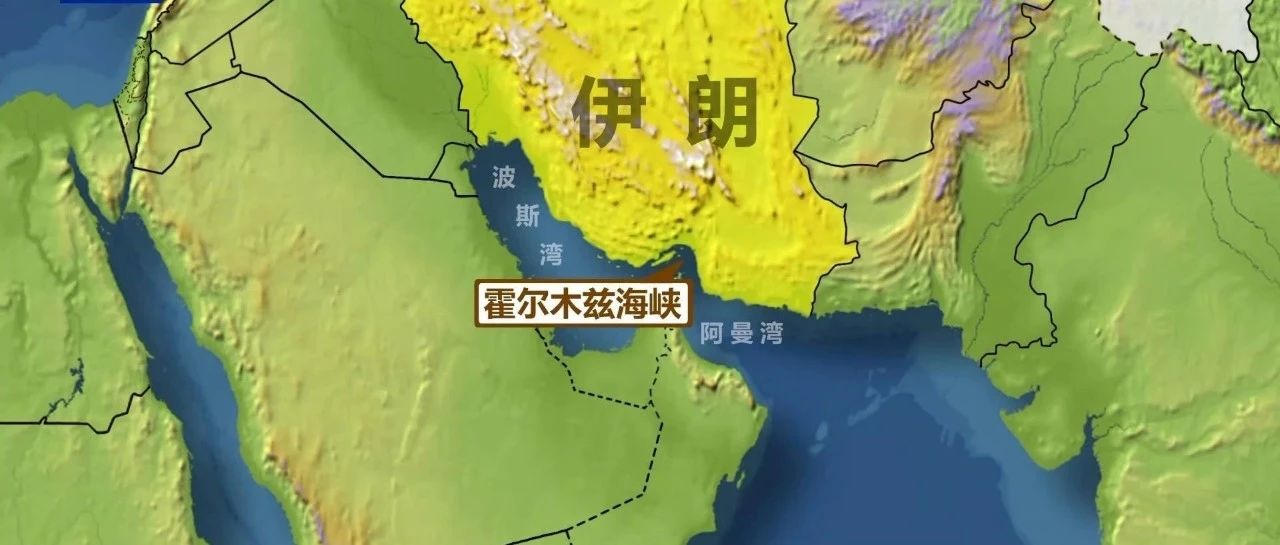
Core Viewpoint - The article discusses the potential closure of the Strait of Hormuz by Iran, which could significantly impact global oil prices and supply chains, as it is a critical maritime route for oil transportation. Group 1: Strait of Hormuz and Oil Supply - The Iranian parliament has expressed support for closing the Strait of Hormuz, a vital passage for approximately one-third of the world's maritime oil trade [2][3][4] - If the Strait is closed, oil prices could surge past $120 per barrel, leading to increased transportation costs and severe supply delays [4] - The closure could be seen as a last resort, with significant military actions required to enforce it, potentially taking weeks or months to reopen [4] Group 2: Impact on Shipping Industry - The ongoing conflict between Israel and Iran has caused anxiety within the shipping industry, leading to a decrease in the number of vessels passing through the Strait of Hormuz [5][6] - Major shipping associations have noted that the threat of conflict is sufficient to disrupt shipping operations significantly [6] Group 3: Military and Political Context - The situation is characterized by high uncertainty, with potential military actions from Iran against U.S. and Israeli interests being a possibility [7][8][9] - Following U.S. airstrikes on Iranian nuclear facilities, there is heightened security and vigilance in the U.S. regarding potential retaliatory actions from Iran [10][11][12] - The political landscape in the U.S. is tense, with criticism directed at President Trump for unilateral military actions without congressional approval [13]

鲍威尔:可能会看到中东局势造成能源价格上涨。(中东局势带来的)能源冲击不会造成持续的通胀效应。
news flash· 2025-06-18 19:22
Core Viewpoint - The situation in the Middle East may lead to an increase in energy prices, but this energy shock is not expected to have a lasting inflationary effect [1] Group 1 - The potential rise in energy prices is linked to the ongoing developments in the Middle East [1] - The impact of the energy shock is anticipated to be temporary rather than persistent [1]
鲍威尔:以色列和伊朗的冲突冲突可能导致能源价格上涨
news flash· 2025-06-18 19:18
Core Viewpoint - The conflict between Israel and Iran may lead to an increase in energy prices, but it is not expected to have a lasting impact on inflation according to Federal Reserve Chairman Jerome Powell [1] Group 1 - The Federal Reserve is monitoring the situation regarding the Israel-Iran conflict [1] - Energy prices are likely to rise due to the ongoing conflict [1] - The potential rise in energy prices is not anticipated to cause persistent inflationary effects [1]
美联储主席鲍威尔:美联储当然在关注以色列和伊朗的冲突,这可能会导致能源价格上涨,但一般不会对通胀产生持久影响。
news flash· 2025-06-18 19:16
Core Viewpoint - The Federal Reserve is monitoring the conflict between Israel and Iran, which could lead to an increase in energy prices, but it is generally not expected to have a lasting impact on inflation [1] Group 1 - The Federal Reserve is aware of geopolitical tensions and their potential effects on energy markets [1] - Energy prices may rise due to the conflict, indicating a short-term risk to market stability [1] - The overall impact on inflation is anticipated to be minimal and not persistent [1]
美联储主席鲍威尔:未来中东冲突可能导致能源价格上涨。
news flash· 2025-06-18 19:16
Core Viewpoint - Federal Reserve Chairman Jerome Powell indicated that future conflicts in the Middle East could lead to an increase in energy prices [1] Group 1 - The potential for rising energy prices is linked to geopolitical tensions in the Middle East [1]
伊朗无视特朗普、直接“掀桌”:美伊核谈判无限期中止!
Jin Shi Shu Ju· 2025-06-13 14:30
Group 1 - Iran has indefinitely suspended planned nuclear talks with the U.S. in Oman, following U.S. President Trump's urging for Iran to accept a nuclear deal to avoid further attacks [1] - Israel conducted airstrikes using 200 aircraft targeting approximately 100 sites in Iran, leading to a temporary spike in oil prices by 13% [1] - The Israeli Prime Minister Netanyahu stated that the attacks aimed at the core of Iran's nuclear enrichment program [1][2] Group 2 - The airstrikes resulted in at least 95 injuries and significant destruction of residential buildings in the suburbs of Tehran, although official death tolls have not been released [2] - Iran's Supreme Leader Khamenei warned that Israel would "pay a heavy price" and that Iranian armed forces would retaliate severely [2] - The situation is expected to escalate into a broader regional conflict, with immediate global economic impacts, particularly on energy prices, as Brent crude oil rose by 8.3% to $75 per barrel [3]