
通胀效应

Search documents
美元债与汇率2025年四季度策略:波动回归
Ping An Securities· 2025-10-21 10:28
Market Review - US Treasury yields declined overall in Q3, with fluctuations in the yield curve. The decline was driven by weaker non-farm data and the emergence of rate cut expectations, with yields dropping from around 4.4%-4.5% to approximately 4.25% [7][9]. - High-yield Chinese dollar bonds underperformed investment-grade bonds but performed better than US Treasuries, influenced by debt restructuring among real estate companies [9][11]. Interest Rate Strategy - Increased volatility is expected, with stronger certainty in the short end. The government shutdown in October led to minimal disruption in the bond market, maintaining a low volatility environment. However, potential negative factors such as government reopening and tariff negotiations could increase volatility in November [38][39]. - The unemployment rate data in November may be technically affected by the government shutdown, potentially leading to an increase [42][43]. Currency Outlook - The US dollar index is expected to maintain a strong oscillation, projected to range between 95-105 points. External factors are not anticipated to exert significant pressure on the dollar index, which may follow domestic rate cut expectations [46][47]. - The fiscal expansion in Germany is expected to begin in Q4, while France faces a fiscal deadlock and the UK has a fiscal gap to address, which may hinder overall fiscal expansion in Europe [48][53]. Dollar Bond Strategy - Credit spreads are expected to rise initially and then decline, with a recommendation to buy on highs. Focus should be on sectors like brokerages and state-owned enterprises that have shown resilience during tariff shocks [58][69]. - The recent increase in supply of Chinese real estate bonds is attributed to debt restructuring efforts by some developers [62]. Employment and Inflation - Consumer spending in the US showed recovery in Q3, outperforming Q2, with steady growth in service and non-durable goods consumption [18][19]. - Inflationary pressures are anticipated to increase in the coming months, driven by tariff impacts on core goods prices [23][24]. Investment Strategy - The report suggests a focus on stable sectors such as essential consumer goods and brokerages, which have demonstrated resilience during market fluctuations [64][69]. - The strategy emphasizes flexibility in adjusting credit bond investments based on tariff developments, with a recommendation to buy on highs [70].

重要公告来了!涉及稀土、锂电池出口管制,给投资带来什么变化?
Sou Hu Cai Jing· 2025-10-10 00:43
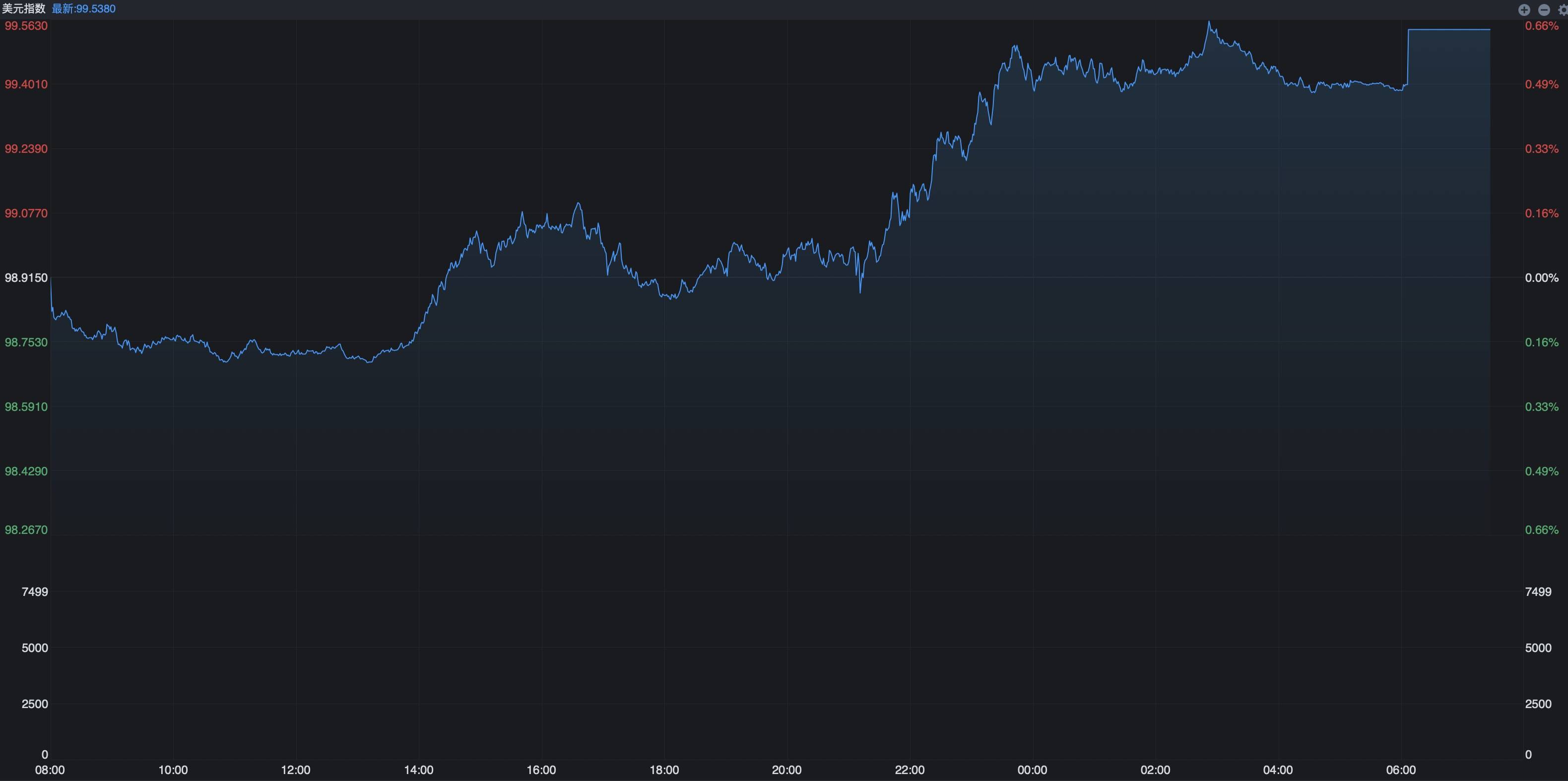
Core Viewpoint - The recent announcements regarding export controls on superhard materials, certain rare earth equipment, lithium batteries, and artificial graphite anode materials aim to protect national security interests and maintain the balance of the domestic industrial chain [1][2]. Export Control Measures - The export control measures will take effect from November 8, and they require approval for exports rather than an outright ban, which is intended to prevent low-priced exports that could harm domestic interests [2]. - The regulation on artificial graphite anode materials is expected to increase domestic lithium battery sales, as foreign companies will face difficulties in sourcing these materials [2]. Impact on Domestic Industries - The export controls are anticipated to enhance the interests of domestic companies, leading to increased product value and potential price hikes [2]. - The recent surge in gold prices, which have exceeded $4,000, is seen as a protective measure for prices amid rising international metal prices [2][4]. Market Trends - The gold price increase is attributed to expectations of continued interest rate cuts by the Federal Reserve, rising inflation, and a scarcity of investment options, driving funds towards gold and precious metals [4]. - The recent rise in the US dollar index indicates a return of funds to the dollar, reflecting a shift in investor sentiment towards safe-haven assets [4]. Strategic Resources - Rare earth elements and lithium batteries are highlighted as critical resources for the country, serving as strategic tools for countermeasures in international trade [5].

受关税影响 巴西8月对美咖啡出口同比暴跌55%
Yang Shi Xin Wen Ke Hu Duan· 2025-09-01 19:05
Core Viewpoint - The Brazilian Coffee Exporters Association reported a significant decrease in coffee exports to the United States due to a 50% tariff imposed by the U.S. government, leading to a 55.24% reduction in August compared to the same period last year [1] Export Data - In July, Brazil exported 450,000 bags of coffee to the U.S. However, following the implementation of the tariff in early August, this figure dropped to approximately 250,000 bags [1] Market Demand - The association noted that the demand for coffee in the U.S. market has not diminished, but the "tariff shock" combined with inflation effects will ultimately harm U.S. consumers [1]
鲍威尔:数据表明,至少某些(行业的)关税将冲击到美国消费者。预计我们将在6-7月数据中看到关税带来的通胀效应。美联储对“关税造成的(通胀)影响程度将更低”这种看法持开放态度。如果关税影响更低,那将对(美联储货币)政策产生实质性影响。
news flash· 2025-06-24 15:10
Group 1 - The core viewpoint is that certain tariffs will impact American consumers, indicating a direct relationship between tariffs and consumer prices [1] - It is expected that the inflation effects from tariffs will be observable in the data from June to July [2] - The Federal Reserve maintains an open stance regarding the view that the impact of tariffs on inflation will be lower, suggesting potential implications for monetary policy if this view holds true [2]
鲍威尔:可能会看到中东局势造成能源价格上涨。(中东局势带来的)能源冲击不会造成持续的通胀效应。
news flash· 2025-06-18 19:22
Core Viewpoint - The situation in the Middle East may lead to an increase in energy prices, but this energy shock is not expected to have a lasting inflationary effect [1] Group 1 - The potential rise in energy prices is linked to the ongoing developments in the Middle East [1] - The impact of the energy shock is anticipated to be temporary rather than persistent [1]