
自然教育

Search documents
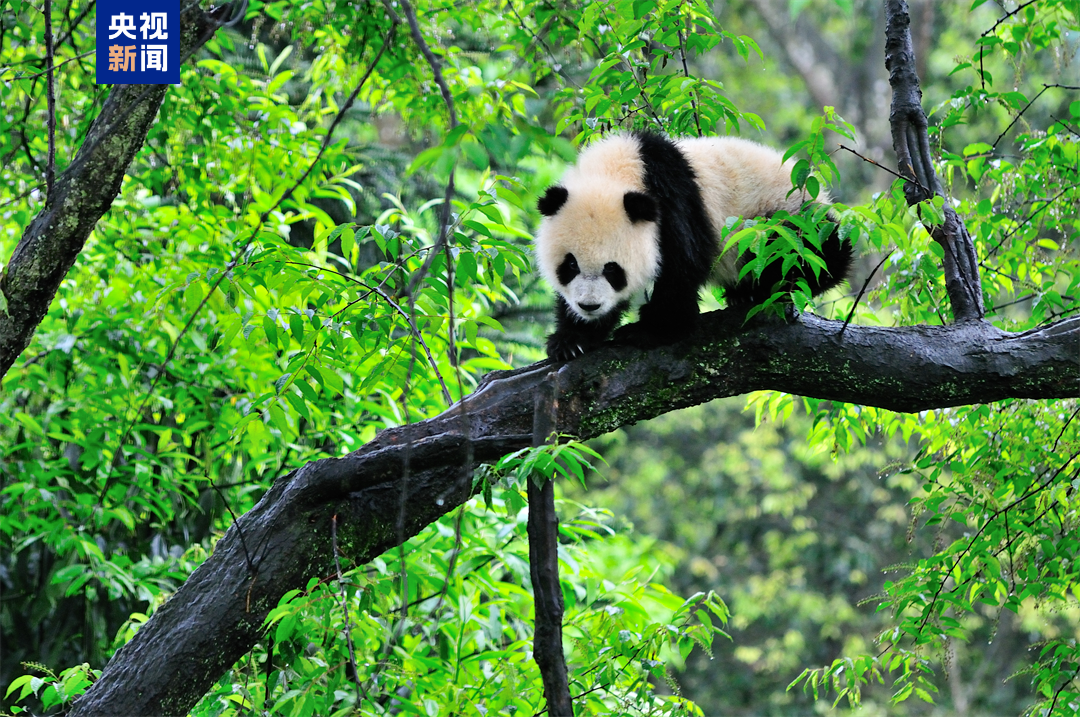
亲子互动、银发陪伴……大熊猫国家公园上新四条自然教育线路
Yang Shi Xin Wen· 2025-11-16 12:14
Core Viewpoint - The launch of four nature education routes in the Baoxing area of the Giant Panda National Park aims to enhance ecological awareness and practical skills among different demographic groups, providing immersive experiences in nature [1][10]. Group 1: Nature Education Routes - The four nature education routes are designed to cover all age groups, effectively matching the needs of various visitors and encouraging them to engage with the park's natural environment [3]. - The routes include specific programs targeting different age groups: - "Youth Ecological Research" for students aged 10 to 15 interested in flora, fauna, and scientific research [4]. - "Ecological Economy and Scientific Exploration" for teenagers aged 15 to 17 who are focused on social economics and public policy [5]. - "Panda Parent-Child Camp" aimed at families with children aged 6 to 9, promoting shared natural experiences [6]. - "Silver Vitality Camp" encouraging elderly participants to enjoy nature with family companionship [8]. Group 2: Collaboration and Impact - The development of these diverse nature education routes is based on deep collaboration between Baoxing County and authoritative institutions like the Chinese Academy of Sciences' Institute of Zoology, aiming to enhance visitor engagement with the Giant Panda National Park and promote species protection, ecological restoration, and science education [10].

海南热带雨林国家公园 守护绿色明珠 谱写生态华章
Ren Min Ri Bao· 2025-10-23 21:58
Core Insights - The Hainan Tropical Rainforest National Park has made significant progress in ecological protection and high-quality development since its establishment in October 2021, showcasing a successful model of ecological conservation and sustainable growth [1][4][8] Governance Innovation - A comprehensive management system has been established, optimizing governance mechanisms through multi-dimensional collaboration, with the management bureau officially set up in April 2025 [1][2] - The park has strengthened its judicial protection framework, conducting over 30 joint meetings since 2022 and enhancing legal support for park management [2] Ecological Restoration - The park has achieved significant ecological restoration, including the rehabilitation of 1,050 acres of artificial and low-quality forests, and the population of the Hainan gibbon has increased from 33 to 42 individuals [3] - Fire prevention capabilities have been enhanced with the construction of 187 kilometers of emergency roads and 15 fire lookout points, alongside a real-time data sharing system with the National Forestry and Grassland Administration [3] Green Development - The ecosystem's gross production value (GEP) has steadily increased from 204.51 billion to 208.75 billion yuan over five years, with a 20%-30% increase in sales for certified ecological products [4] - Community engagement initiatives have improved local livelihoods, with per capita annual income reaching 27,540 yuan in relocated communities and significant economic contributions from under-forest economies [4] Education and Cultural Promotion - The park has established a natural education framework, with various outreach activities reaching over 1,800 students and significant online engagement through promotional content [6] - Cultural branding efforts have led to international recognition, with awards for documentaries and initiatives to apply for World Heritage status [6] Collaborative Governance - Regular coordination meetings have resolved numerous community issues, and pilot projects for resource management are being explored [7] - Technological collaborations with local universities are enhancing agricultural practices and supporting community income generation [7] Future Directions - The park aims to continue improving its monitoring systems and innovate mechanisms for realizing ecological product value, contributing to global tropical rainforest conservation efforts [8]
如何破解调节服务类生态产品价值实现“四难”问题?
Zhong Guo Huan Jing Bao· 2025-10-21 00:22
Core Viewpoint - The article discusses the challenges and solutions related to the valuation and monetization of ecological products, particularly focusing on regulatory services that are public goods and face difficulties in measurement, collateralization, trading, and realization of value. Group 1: Measurement Challenges - The core issue of "difficulty in measurement" arises from the intangible nature, public attributes, and hidden value of regulatory services, making them hard to quantify and recognize in traditional market systems. Solutions include enhancing localized parameter databases and dynamic monitoring capabilities, integrating "3S" technologies (Remote Sensing, GIS, GPS) with IoT sensor networks for real-time ecological monitoring [2] Group 2: Collateralization Challenges - The "difficulty in collateralization" stems from ambiguous property rights, high value uncertainty, and lack of effective risk mitigation mechanisms, preventing regulatory services from being qualified as financial collateral. Solutions involve establishing a legal basis for the capitalization of ecological assets, clarifying operational and income rights, and innovating diverse green financial tools such as "ecological asset mortgage loans" and "green bonds" [3] Group 3: Trading Challenges - The "difficulty in trading" is characterized by the absence of trading platforms for regulatory services, poor supply-demand matching, and high transaction costs. Solutions include developing multi-tiered market models, optimizing government ecological compensation methods, and innovating horizontal trading models for pollution rights and carbon emissions [4] Group 4: Realization Challenges - The "difficulty in realization" focuses on promoting industrial operations and precise market demand alignment. Solutions involve fostering "ecological+" industry integration, implementing origin-based ecological labeling systems, and guiding the development of new business models that rely on high-quality regulatory services [5]
21现场|探秘大熊猫国家公园系列2:高山里的一堂自然教育课
2 1 Shi Ji Jing Ji Bao Dao· 2025-10-13 09:15
Core Points - The article highlights the importance of natural education in protecting biodiversity, particularly focusing on the giant panda and its habitat in Gansu Province, China [1][2][13] - The fifth World Biosphere Reserve Conference, held in Hangzhou, emphasized sustainable interactions between humans and nature, showcasing the "low-intervention" philosophy of the Bai Shui Jiang area [2][12] Group 1: Natural Education Initiatives - The Bai Shui Jiang area is actively engaging local schools in natural education to foster awareness and protection of local wildlife, including the giant panda [1][10][15] - The natural education week, titled "Exploring Local Treasures, Protecting Life's Home," has reached six schools, promoting ecological awareness among students [15][17] - The Bai Shui Jiang Ecological Experience Center offers hands-on experiences related to wildlife, enhancing children's understanding of their natural environment [16][17] Group 2: Biodiversity and Conservation - The Bai Shui Jiang area is home to 111 wild giant pandas, accounting for 84% of Gansu's wild panda population and 6% of the national total [8][10] - The region's unique geography, with elevations ranging from 595 meters to 4072 meters, creates a favorable environment for diverse wildlife, including many protected species [8][10] - The article emphasizes the significance of the Bai Shui Jiang area as a crucial ecological corridor connecting Shaanxi and Sichuan, enhancing biodiversity conservation efforts [10][12]
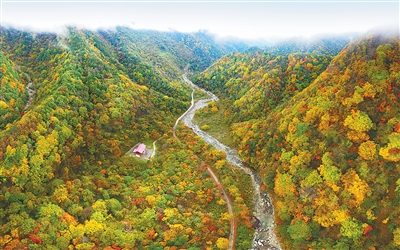
在大熊猫国家公园唐家河片区,见证人与自然和谐共生
Ren Min Ri Bao· 2025-10-09 03:02
Core Insights - The establishment of the Giant Panda National Park has led to significant improvements in the ecological environment of panda habitats, with an increasing frequency of wild panda sightings reported [4][5] - The park is recognized as a biodiversity hotspot, with a high forest coverage rate of 96.15% and over 3,800 species of wild flora and fauna thriving in the area [3][4] Biodiversity and Wildlife - The Tangjiahe area is home to various wildlife, including the endangered giant panda, with 17 species of wild animals captured on infrared cameras within three months [5][6] - The area has seen a rise in the number of wild panda encounters, with a notable instance of three pandas being photographed together during a spring survey in 2025 [4][5] Community Engagement and Education - The park has implemented nature education programs that attracted over 20,000 participants during the summer, promoting public awareness of wildlife protection [7][9] - A collaborative model involving management, communities, and social enterprises has been established to enhance ecological education and provide income opportunities for local residents [8][10] Economic Development through Ecotourism - Local communities, such as Luoyigou and Yinping, are exploring pathways to achieve a balance between ecological protection and economic development, with honey production and ecotourism as key income sources [11][12] - Yinping village has developed 204 homestays, generating significant tourism revenue, with a reported income of 40 million yuan last year [13][14]
“这里还是世界本来的样子”(人与自然)
Ren Min Ri Bao· 2025-10-03 22:02
Core Insights - The article highlights the significant biodiversity and conservation efforts in the Tangjiahe area of the Giant Panda National Park, emphasizing the increasing encounters with wild giant pandas and the overall improvement in their habitat due to protective measures [2][3]. Biodiversity and Wildlife - The Tangjiahe area is recognized as a hotspot for biodiversity, with a forest coverage rate of 96.15% and over 3,800 species of wild plants and animals [1]. - The frequency of wild giant panda sightings has increased, with 11 encounters reported by a ranger over 32 years, and a notable instance of three pandas captured in one frame during a 2025 survey [2]. - A total of 17 species of wildlife, including giant pandas and Sichuan golden monkeys, were recorded by infrared cameras in a three-month period [5]. Conservation Efforts - The establishment of the Giant Panda National Park has led to improved ecological conditions for giant pandas and other species, showcasing the "umbrella effect" of protecting flagship species [3]. - The management has implemented various protective measures that have positively impacted the ecosystem, leading to a rise in biodiversity [2][5]. Community Engagement and Education - The Tangjiahe area has developed a model of community involvement in conservation, with local residents participating in ecological protection and education initiatives [10][11]. - Over 20,000 nature experience participants engaged in ecological education programs, enhancing public awareness of biodiversity conservation [7][9]. - The area has established partnerships with educational institutions to create nature education bases and promote ecological science projects [8]. Economic Development through Ecotourism - Local communities, such as Luoyigou and Yinping, are exploring sustainable economic development through beekeeping and ecotourism, generating significant income while preserving the environment [10][11]. - The Yinping village has developed 204 homestays, achieving a tourism revenue of approximately 40 million yuan in the previous year [11].
走进生态“会客厅” 探秘生物多样性
Hang Zhou Ri Bao· 2025-09-24 02:02
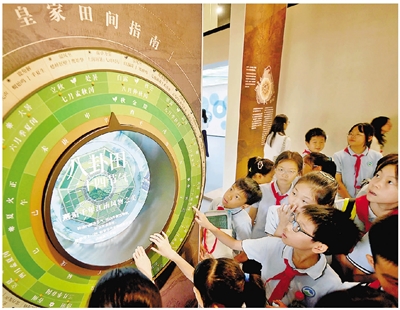
Core Viewpoint - The opening of the Gaotingshan Nature Center marks a significant step in promoting biodiversity and ecological education in the region, serving as a demonstration site for urban biodiversity enhancement projects [2] Group 1: Project Overview - The Gaotingshan Nature Center is part of the Ministry of Science and Technology's "Urban Biodiversity Enhancement Technology and Demonstration" project [2] - The center is located in the Qiantao Garden area of Dinglan Street, under Gaotingshan Mountain [2] Group 2: Features and Offerings - The indoor exhibition hall features three main sections: "Classics of Hangzhou," "Song Dynasty Paintings," and "Natural Laboratory" [2] - The outdoor exhibition area includes five distinct biodiversity gardens, creating a space for scientific research, cultural heritage of the Song Dynasty, and nature education [2]
五指山:把热带雨林“搬进”校园课堂
Hai Nan Ri Bao· 2025-09-18 01:41
Core Points - The article highlights the ongoing efforts of the Hainan Tropical Rainforest National Park Administration to promote nature education in schools, particularly in Wuzhishan City [3] Group 1 - The Hainan Tropical Rainforest National Park Administration has been conducting nature education activities in schools, allowing students to experience the unique charm of Hainan's tropical rainforest [3] - On September 17, staff from the administration visited Wuzhishan City First Primary School to provide an engaging nature education lesson [3]
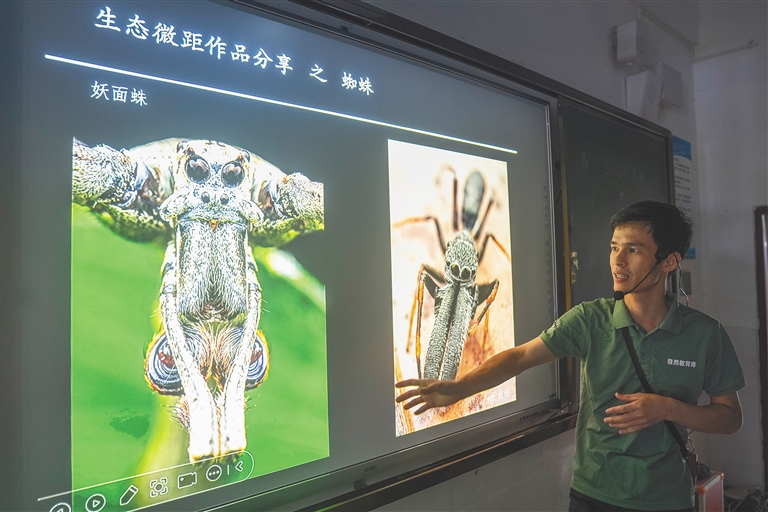
生态守护牵手乡村振兴:淇澳-担杆岛探索绿美珠海新路径
Nan Fang Nong Cun Bao· 2025-08-27 15:04
Core Viewpoint - The article discusses the integration of ecological protection and rural revitalization in the Qi'ao-Dangan Island Nature Reserve in Zhuhai, Guangdong, emphasizing the importance of community collaboration and natural education in promoting sustainable development [3][4][34]. Group 1: Ecological Protection Initiatives - The Qi'ao-Dangan Island Nature Reserve focuses on natural education and ecological protection, creating a harmonious coexistence between humans and nature [3][4]. - The reserve has implemented a "Green Beautiful Zhuhai" initiative, which has been supported by continuous community engagement and volunteer programs [4][19]. - Over the past five years, the reserve has welcomed more than 1 million visitors and conducted approximately 420 natural education courses, benefiting around 34,000 participants [26][31]. Group 2: Community Collaboration and Education - The reserve has established a comprehensive natural education model, including one natural school, nine community science classrooms, and a 5-kilometer natural education trail [26][28]. - Activities such as the "Green Beautiful Zhuhai: Youth Action" nature study camp have engaged over 80 young participants in exploring ecological knowledge and responsibilities [11][17]. - The reserve promotes local economic development through nature education, exemplified by the hands-on experiences offered in traditional practices like sugar-making [22][24]. Group 3: Long-term Goals and Impact - By 2025, the Qi'ao-Dangan Island Nature Reserve aims to solidify its natural education framework, contributing to the long-term ecological and economic sustainability of the region [26][34]. - The initiatives not only enhance the ecological value of mangroves but also foster emotional connections and commitments to environmental protection among participants [32][34].

国家公园建设加快推进 让人与自然和谐共生
Si Chuan Ri Bao· 2025-08-20 00:26
Group 1 - The three core concepts of national park construction are ecological protection, national representation, and public welfare [1] - The third National Park Forum held in Chengdu focused on the construction paths and future visions of national parks [1] Group 2 - There is a significant barrier in public awareness and experience regarding national parks, which needs to be addressed in the next five years [2] - Suggestions include implementing a low ticket price system for national parks and offering free admission for specific groups such as military personnel, students, and the elderly [2] - The Giant Panda National Park has a natural advantage in promoting public engagement due to the emotional connection people have with pandas [2] Group 3 - Natural education is crucial for attracting the public to experience national parks, but current educational offerings are fragmented and lack systematic planning [2] - A comprehensive natural education resource system has been developed to integrate knowledge across multiple disciplines related to the Giant Panda National Park [2] Group 4 - The establishment of science popularization centers, such as the collaboration between the National Animal Museum and local communities, serves as an important window for the public to understand national parks [3] - Effective operational planning is necessary to balance public welfare and market interests in the development of these centers [3] Group 5 - The construction of national parks is fundamentally a development issue, with the need for collaboration between national parks and surrounding communities for sustainable protection [5] - The Tangjiahe Community Science Popularization Center serves as a model for integrating local development with national park objectives [5] - Local governments have invested over 12 million yuan in various projects to support the development of the Giant Panda National Park [5] - The proportion of local households engaged in tourism and related industries has reached 45%, with per capita disposable income increasing by over 230% since 2018 [5] - The transformation of local communities into contributors and beneficiaries of national park construction is emphasized [5]