
多边贸易体制

Search documents
记者手记|直面分歧、平等对话,中美经贸会谈向深水区推进
Xin Hua Wang· 2025-09-16 13:42
Core Points - The recent US-China economic talks in Madrid indicate a shift towards deeper discussions, particularly focusing on specific issues like TikTok, reflecting the increasing complexity of negotiations [2][3] - Both sides reached a basic framework consensus on addressing the TikTok issue, reducing investment barriers, and promoting economic cooperation [2][3] - The talks highlight China's firm stance against politicizing economic issues and emphasize the importance of maintaining national interests and the rights of Chinese enterprises [3][6] Group 1 - The meeting in Madrid marks the fourth round of economic talks held in a third country, showcasing a trend towards more specific and in-depth discussions [2] - The discussions included a significant focus on TikTok, which has become a symbol of the politicization of economic relations between the US and China [3] - China's representative reiterated the commitment to uphold international fairness and justice while protecting national interests during the negotiations [3][6] Group 2 - The ongoing trade tensions and unilateral actions by the US, such as imposing tariffs, are seen as detrimental to global economic order and consumer confidence [4][5] - Experts emphasize the necessity of maintaining open communication between the two largest economies to stabilize their economic relationship and positively influence the global economy [6] - The sentiment among observers and participants reflects a desire for a mutually beneficial agreement to alleviate the economic pressures caused by high tariffs [5][6]
WTO《渔业补贴协定》正式生效,中国是率先完成批约程序主要成员
第一财经· 2025-09-16 00:59
Core Viewpoint - The WTO's Fisheries Subsidies Agreement has officially come into effect, marking a significant milestone in global governance and multilateral trade, with the aim of addressing global challenges and promoting sustainable development in fisheries [3][6]. Summary by Sections Agreement Overview - The Fisheries Subsidies Agreement was passed at the WTO's 12th Ministerial Conference in June 2022, taking 21 years to negotiate, making it the longest in WTO history and the second new multilateral agreement in 30 years [6]. - The agreement aims to eliminate harmful fishing subsidies, particularly those contributing to overfishing and illegal, unreported, and unregulated (IUU) fishing [7]. Global Impact - The agreement is expected to protect global fish resources and the livelihoods of millions who depend on fishing for food and income [6][8]. - In 2021, 35.5% of global fish stocks were overfished, a significant increase from 10% in 1974, highlighting the urgent need for sustainable practices [6]. Implementation and Participation - The agreement requires the elimination of IUU subsidies, excessive fishing subsidies, and unregulated high seas fishing subsidies, while promoting transparency and international cooperation in fisheries management [7]. - China was the first major WTO member to complete the ratification process on June 27, 2023, demonstrating its commitment to sustainable fisheries management [8]. Future Outlook - The WTO Director-General encourages all remaining members to ratify the agreement before the 14th Ministerial Conference scheduled for March 2026, aiming for collective achievement in global fisheries governance [7].

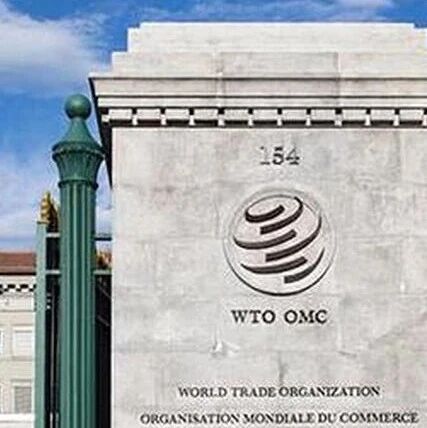
WTO《渔业补贴协定》正式生效,中国是率先完成批约程序主要成员
Di Yi Cai Jing· 2025-09-15 23:08
Core Points - The WTO Fisheries Subsidies Agreement has officially come into effect, marking a significant milestone in global governance and multilateral trade systems [1][3] - The agreement aims to eliminate harmful fishing subsidies and promote sustainable fishing practices, addressing global challenges in fisheries management [3][4] Group 1: Agreement Overview - The Fisheries Subsidies Agreement was passed in June 2022 after 21 years of negotiations, making it the longest-negotiated agreement in WTO history and the second new multilateral agreement in 30 years [3][4] - The agreement is designed to achieve environmental sustainability goals and aligns with the United Nations' 2030 Sustainable Development Goals [3][4] Group 2: Key Provisions - The agreement mandates the elimination of illegal, unreported, and unregulated (IUU) fishing subsidies, as well as subsidies for overfished species and unregulated high seas fishing [4][5] - It incorporates elements of fisheries enforcement, resource sustainability assessment, policy transparency, and international cooperation [4] Group 3: Impact and Implementation - The implementation of the agreement is expected to enhance the management of fisheries subsidies, improve fish population recovery, and promote global marine sustainability [5] - China has been proactive in this initiative, being the first major WTO member to complete the ratification process, demonstrating its commitment to sustainable fisheries management [4][5]
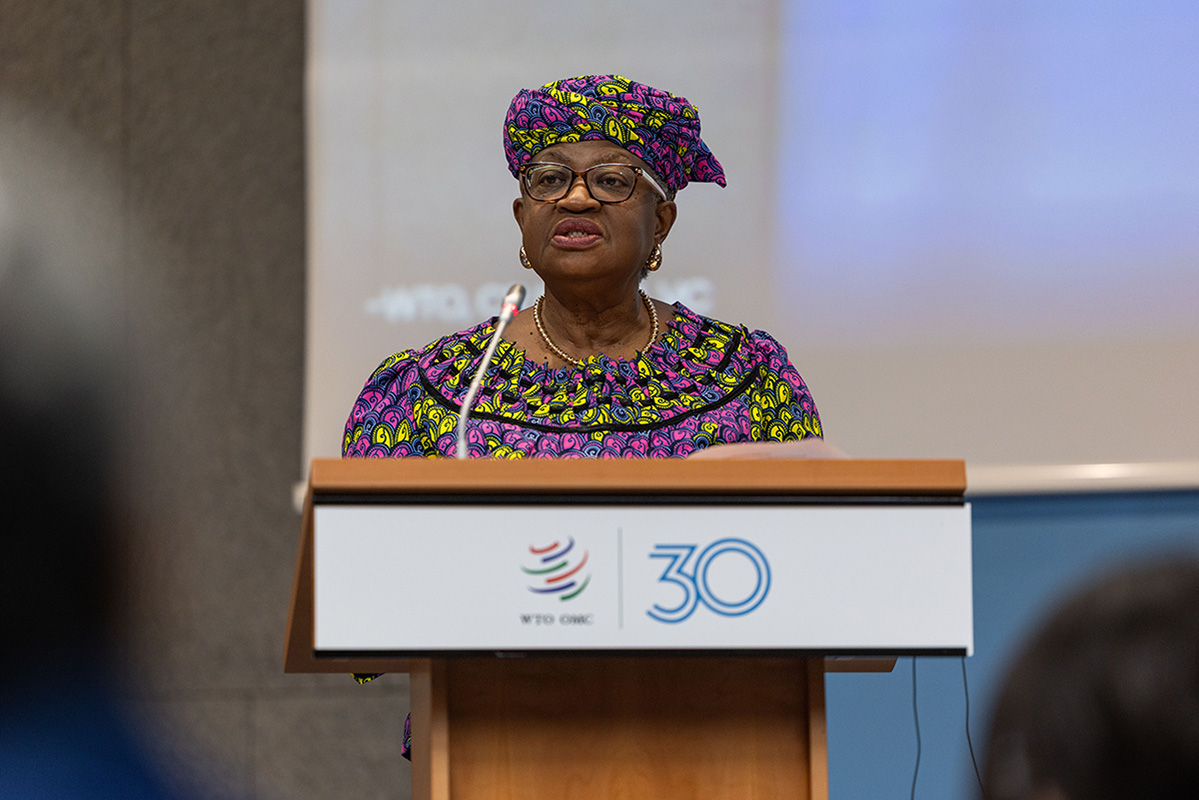
世贸组织《渔业补贴协定》正式生效,有力促进全球渔业可持续发展
Zheng Quan Shi Bao Wang· 2025-09-15 10:36
Core Points - The WTO Fisheries Subsidies Agreement officially comes into effect as Brazil, Kenya, Vietnam, and Tonga submit their ratifications, meeting the required number of approvals [1] - The agreement is seen as a significant milestone in global governance and a crucial public good for the multilateral trading system in response to global challenges [1] - The implementation of the agreement aims to eliminate illegal, unreported, and unregulated (IUU) fishing subsidies, excessive fishing subsidies, and unregulated high seas fishing subsidies, enhancing fisheries management and sustainability [1] Group 1 - The agreement's effectiveness reflects the strong support from the majority of WTO members, including China, for the multilateral trading system [1] - The agreement includes elements such as fisheries enforcement, resource sustainability assessments, policy transparency, and international cooperation [1] - The implementation is expected to improve global fishery resources, promote sustainable ocean development, and ensure biodiversity, fishermen's livelihoods, and food security [1]
为世界经济注入稳定性与新动能 《全球供应链发展与稳定厦门倡议》发布
Yang Shi Xin Wen· 2025-09-15 07:17
Core Points - The "Global Supply Chain Development and Stability Xiamen Initiative" was officially launched, emphasizing the need to maintain a multilateral trade system and build an open, inclusive, resilient, and sustainable global supply chain [1][2] - The initiative calls for deepening multilateral international cooperation and enhancing global supply chain connectivity, while establishing a mechanism for shared benefits among diverse stakeholders [1] - It highlights the importance of integrating technologies such as artificial intelligence, big data, and the Internet of Things into the entire supply chain, aiming to reshape the global supply chain landscape through technological innovation [1] - The initiative also focuses on promoting carbon reduction, emission cuts, and advancements in carbon sink technologies, as well as fostering international recognition of green rules and standards for sustainable governance [1] Industry Insights - The International Procurement and Supply Management Alliance, comprising procurement associations from 40 countries and regions, reflects a global concern for supply chain stability and development [2] - The launch of the initiative is seen as a means to deepen global cooperation and inject new momentum into world economic growth [2]
着眼中美经贸大局 坚持平等互惠原则(钟声)
Ren Min Ri Bao· 2025-09-13 21:50
Core Points - The upcoming talks between China and the U.S. in Madrid will address unilateral tariffs, export controls, and issues related to TikTok, with China emphasizing the importance of mutual respect and cooperation in trade relations [1][3] - China maintains that the essence of Sino-U.S. economic relations is mutual benefit and win-win outcomes, highlighting recent discussions that have led to positive consensus and stability in bilateral trade [1][3] - China asserts its commitment to protecting the legitimate rights of its enterprises, particularly regarding TikTok, which has contributed positively to the U.S. economy and employment [2][3] Group 1: Economic Relations - The essence of Sino-U.S. economic relations is mutual benefit and win-win outcomes, with both countries having significant stakes in each other's economic stability [1][3] - Recent meetings in Geneva, London, and Stockholm have resulted in positive agreements that contribute to stabilizing bilateral economic relations [1] Group 2: TikTok and Data Privacy - China emphasizes the importance of fair treatment for TikTok, which has established a large user base in the U.S. and has positively impacted local employment and consumption [2] - The Chinese government prioritizes data privacy and security, asserting that it does not require companies to violate local laws for data collection [2] Group 3: Negotiation Principles - China is open to negotiations based on mutual respect and equality, but insists that the U.S. must provide a fair and non-discriminatory business environment for Chinese companies [3] - Both parties must work collaboratively to achieve consensus, as a one-sided approach will not lead to sustainable relations [3]
中英经贸联委会时隔7年再次举行,谈成哪些合作?
Zhong Guo Jing Ji Wang· 2025-09-13 03:54
Core Points - The 14th meeting of the China-UK Economic and Trade Joint Committee was co-chaired by Chinese Minister of Commerce Wang Wentao and UK Trade Secretary Kemi Badenoch, focusing on trade, investment, and multilateral cooperation [1][2] - Both parties reached a broad consensus on enhancing economic cooperation, with an emphasis on mutual benefits for both nations [1] - The meeting marked a significant step in deepening economic relations after a 7-year hiatus, highlighting the importance of trade as a stabilizing factor in bilateral relations [1] Trade and Investment - China expressed appreciation for the UK’s role as the guest country at the 25th Investment Promotion Conference and the 5th Consumer Expo, welcoming more UK investments in China [1] - China plans to increase imports from the UK and encourages Chinese enterprises to invest in the UK, while urging the UK to protect the legal rights of Chinese companies [1] - The UK is keen on expanding service trade with China and enhancing bilateral investment, viewing the Chinese market as an opportunity [1] Cooperation Mechanisms - Both sides agreed to hold meetings for the China-UK WTO Joint Working Group, Trade Remedy Communication and Cooperation Mechanism, and Service Trade Working Group [2] - The establishment of the China-UK WTO Joint Working Group and the Trade Remedy Communication and Cooperation Mechanism was formalized through signed memorandums [2] - There is a focus on creating a fair and non-discriminatory business environment and enhancing cooperation in sectors such as renewable energy, pharmaceuticals, advanced manufacturing, and finance [2]
【财闻联播】中英经贸联委会第14次会议成功举行!美一客机备降大阪乘客紧急疏散
券商中国· 2025-09-12 12:49
Macro Dynamics - The 14th China-UK Economic and Trade Joint Committee meeting was successfully held, co-chaired by Chinese Minister of Commerce Wang Wentao and UK Trade Secretary Kemi Badenoch, focusing on trade, investment, and multilateral cooperation [2][3] - Wang Wentao emphasized the importance of economic cooperation as a stabilizing factor in China-UK relations, highlighting the significant bilateral trade scale and investment opportunities [2] - Both parties agreed to enhance cooperation in various sectors, including new energy, pharmaceuticals, advanced manufacturing, and finance, and signed memorandums for establishing working groups on trade remedies and WTO cooperation [3] Financial Institutions - The Ministry of Finance announced the issuance of 500 billion yuan in special government bonds this year, expected to leverage approximately 6 trillion yuan in credit [4][5] - The issuance aims to inject capital into large commercial banks, aligning fiscal and monetary policies for better economic outcomes [5] Market Data - In August, the weighted average interest rate for new corporate loans remained at a historical low of approximately 3.1%, down about 40 basis points year-on-year [10] Company Dynamics - Chery Jaguar Land Rover announced a recall of over 100,000 domestic vehicles, including 37,492 units of the 2020 Land Rover Discovery Sport and Range Rover Evoque, and 64,731 units of the 2020-2023 Jaguar XEL and XFL models [15] - The China Securities Regulatory Commission is taking serious action against Beijing Orient Technology Co., Ltd. for significant financial fraud, proposing fines totaling 2.29 billion yuan and initiating delisting procedures [16][17] - Zhu Yan has been approved to serve as the chairman of Beijing Hyundai Automotive Finance Co., Ltd., with a requirement to comply with regulatory standards [18]
第138届中国进出口商品交易会推介会在奥克兰举行
Xin Hua Wang· 2025-09-11 23:51
Core Points - The 138th China Import and Export Fair (Canton Fair) promotional event was held in Auckland, New Zealand, aimed at strengthening connections between the fair and local businesses [1] - The event was organized by the China Foreign Trade Center and hosted by the New Zealand Guangdong Chamber of Commerce [1] - The promotional event highlighted the importance of multilateral trade and the commitment to advancing China-New Zealand economic and trade cooperation [1] Group 1 - The Chinese Consulate in Auckland emphasized the critical moment for the multilateral trade system and the need to support China-New Zealand economic cooperation [1] - The New Zealand Chinese Trade Association noted the vibrant and deepening trade relationship between New Zealand and China, with the Canton Fair serving as a key link [1] - The New Zealand Guangdong Chamber of Commerce announced the organization of the first "New Zealand Canton Fair Purchasing Group" to attend the fair in Guangzhou, consisting of 12 local buyers [1] Group 2 - This will be the first time New Zealand buyers collectively participate in the Canton Fair, marking a shift from "dispersed procurement" to a "team collaboration" model [1] - The Chamber of Commerce invited all New Zealand buyers to join the trip to Guangzhou and explore more business opportunities in the Guangdong-Hong Kong-Macao Greater Bay Area [1]
王文涛部长会见新加坡副总理兼贸工部长颜金勇
Shang Wu Bu Wang Zhan· 2025-09-05 02:37
Core Viewpoint - The meeting between Chinese Commerce Minister Wang Wentao and Singapore's Deputy Prime Minister Gan Kim Yong emphasizes the strong economic cooperation between China and Singapore, highlighting the commitment to enhance collaboration in digital economy and green development, as well as the implementation of key trade agreements [1] Group 1: Economic Cooperation - China and Singapore have achieved significant results in economic and trade cooperation under the strategic guidance of their leaders [1] - This year marks the 35th anniversary of diplomatic relations between China and Singapore, with both sides aiming to implement important consensus reached by their leaders [1] Group 2: Trade Agreements - The two countries plan to enhance the role of the China-Singapore Bilateral Investment Promotion Committee and focus on flagship projects such as high-quality construction of connectivity initiatives [1] - There is a commitment to high-quality implementation of the China-Singapore Free Trade Agreement and the Regional Comprehensive Economic Partnership (RCEP) [1] Group 3: Global Governance and Multilateral Trade - Both parties expressed a desire to promote global governance initiatives, strengthen regional cooperation, and maintain a multilateral trade system centered around the World Trade Organization (WTO) [1] - Singapore views China as a significant investment destination and supports China's participation in DEPA and CPTPP [1]