智慧城市

Search documents
天健集团(000090) - 000090天健集团投资者关系管理信息
2025-11-10 09:20
Group 1: Company Overview - The company focuses on urban construction, comprehensive development, and urban services [1] - It aims to accelerate green low-carbon transformation and establish ultra-low energy consumption building standards [1] - The company is actively expanding its business in the Guangdong-Hong Kong-Macao Greater Bay Area and Yangtze River Delta urban agglomerations [1] Group 2: Urban Construction Sector - The company is enhancing automation in construction through the application of building machinery for measurement, quality inspection, and other tasks [1] - It is advancing prefabricated design standardization and intelligent production to improve construction efficiency [1] - The company is involved in several urban renewal projects, including the Luohu Jincui urban renewal project, which has a planned area of 34,521 square meters [1] Group 3: Urban Services Sector - The company is developing a smart maintenance system to improve infrastructure management and service quality [2] - It is involved in land preparation services, with ongoing projects like the Tianjian and Junfu projects [2] - The company is expanding its property services to include sanitation, water services, and elderly care operations [2] Group 4: Urban Village Renovation - The company has a specialized technical team for urban renewal projects, providing comprehensive services from planning to construction management [3] - It has experience in over 60 urban renewal projects, including the challenging Luohu "second-line flower land" project [3] - The Luohu Luoling area renovation project covers approximately 12.06 hectares, with a planned construction area of 472,755 square meters [4] Group 5: Research and Innovation - The company emphasizes technological innovation and has established partnerships with universities and research institutions [5] - It has created multiple innovation platforms, including an engineering hospital and a prefabricated component factory [5] Group 6: Strategic Direction - The company aims to strengthen its core capabilities in urban construction and services while exploring new business opportunities [6] - It is committed to reform and technological innovation to enhance its operational effectiveness [6]

华夏幸福涨2.30%,成交额2.37亿元,主力资金净流入2149.04万元
Xin Lang Zheng Quan· 2025-11-10 06:31
机构持仓方面,截止2025年9月30日,华夏幸福十大流通股东中,南方中证房地产ETF发起联接A (004642)位居第六大流通股东,持股3455.58万股,相比上期减少41.31万股。香港中央结算有限公司 位居第七大流通股东,持股3196.12万股,相比上期减少883.82万股。 资料显示,华夏幸福基业股份有限公司位于北京市朝阳区东三环北路霞光里18号佳程广场A座23层,成 立日期1993年5月28日,上市日期2003年12月30日,公司主营业务涉及对房地产、工业园区及基础设施 建设投资;房地产中介服务;提供施工设备服务;企业管理咨询;生物医药研发,科技技术推广、服务。主营 业务收入构成为:房地产开发29.37%,物业管理服务22.96%,产业招租服务14.61%,其他(补 充)11.06%,产业园运营6.89%,土地整理6.83%,基础设施建设5.38%,酒店及学校运营1.69%,综合服 务1.22%。 华夏幸福所属申万行业为:房地产-房地产开发-产业地产。所属概念板块包括:体育产业、小盘、京津 冀、智慧城市、股权转让等。 截至9月30日,华夏幸福股东户数16.70万,较上期减少6.22%;人均流通股233 ...

联想宣布与敦煌共建城市超级智能体:打造城市智能化中枢
Huan Qiu Wang· 2025-11-10 05:01
Core Insights - Lenovo Group has signed a strategic cooperation agreement with Dunhuang City to promote the development of smart city initiatives leveraging Lenovo's "full-stack AI" strategy and the city's unique advantages in cultural tourism, the Belt and Road Initiative, and low-altitude economy [1][2] Group 1: Strategic Cooperation - The partnership aims to drive intelligent transformation in various sectors including cultural tourism, agriculture, low-altitude economy, and urban governance [1][3] - Lenovo's city super-intelligent system has been implemented in multiple cities across China, establishing a replicable model for smart city construction [1][2] Group 2: Technology Framework - The "1+N intelligent system" framework includes a unified super-intelligent core and multiple specialized intelligent agents, enabling cross-domain data integration and real-time processing of vast heterogeneous data [2] - Each specialized intelligent agent is trained on domain-specific models, allowing for complex scenario reasoning and multi-task processing while ensuring data security through federated and transfer learning [2] Group 3: Sector-Specific Applications - In the cultural tourism sector, AI will facilitate the digital preservation of Dunhuang's cultural heritage and enhance visitor experiences through data-driven management [3] - In agriculture, smart agricultural systems will be deployed to optimize production and support the branding of local agricultural products [3] - The low-altitude economy will be developed in conjunction with the construction of Dunhuang International Airport, promoting intelligent advancements in related industries [3] - Urban governance will benefit from intelligent sensing networks for real-time monitoring and management of city operations [3]

深城交20251107
2025-11-10 03:34
Summary of the Conference Call for 深城交 Industry and Company Overview - 深城交 is transitioning into a low-altitude intelligent network service platform, focusing on hardware products such as signal machines, edge computing gateways, and multifunctional lamp poles [2][3][4] - The company is establishing a comprehensive low-altitude tower network and leveraging Shenzhen's hardware ecosystem to incubate new infrastructure products [2][3] Core Points and Arguments Product Development and Services - The company has categorized its products into three main types: 1. **Low-altitude and intelligent network infrastructure hardware**: This includes signal machines, edge computing gateways, and multifunctional lamp poles, which are continuously being updated [3] 2. **Intelligent network and low-altitude transport vehicles**: This includes manned and unmanned vehicles, with a 2000 square meter testing facility established in Longhua, Shenzhen [3][4] 3. **Urban facility inspection equipment**: This includes inspection drones, robotic dogs, and other devices aimed at enhancing urban governance and infrastructure safety through AI detection [4][5] International Market Expansion - 深城交 is actively pursuing international markets, having secured software orders worth approximately 40-50 million in the UAE and participating in projects in Saudi Arabia, Hong Kong, and Singapore [5][6] Organizational Changes - The company has restructured its internal organization to adapt to new business needs, hiring ID hardware and AI talent while encouraging traditional staff to transition to new roles [6][7] Financial Outlook and Market Expectations - The company anticipates a cautious investment approach, focusing on hardware procurement and delivery, with plans to complete approximately 300 million in low-altitude orders in 2025 [3][10] - Factors affecting new order acquisition include unclear top-level policies, restricted airspace, and immature technology [11] Future Development Opportunities - The company believes that clearer national policies and infrastructure development could accelerate growth in the low-altitude sector [12][13] - The company is involved in various national planning initiatives related to low-altitude transport, indicating future support for this emerging industry [13] Smart Network Progress - In the smart network sector, the company has completed the construction of an autonomous driving test site in Pingshan and is focusing on unmanned logistics to create a networked operation across Shenzhen [14] International Business Model - 深城交's international business model revolves around productization and comprehensive solutions in urban governance and smart transportation, with a focus on Southeast Asia and the Middle East [15] Financial Performance and Future Projections - The company experienced a decline in performance in the first three quarters of the year due to environmental impacts and the transition from traditional to new business models [16] - Future performance will depend on securing funding for new projects, with a cautious outlook for 2026 [17] Other Important Insights - The company is exploring opportunities in the smart city and transportation sectors, leveraging its experience in Shenzhen to expand internationally [15] - The emphasis on AI and core technology development aims to maintain competitive advantages while reducing production costs through outsourcing [7][8]

北京推进数据要素综合性立法
Bei Jing Shang Bao· 2025-11-09 16:04
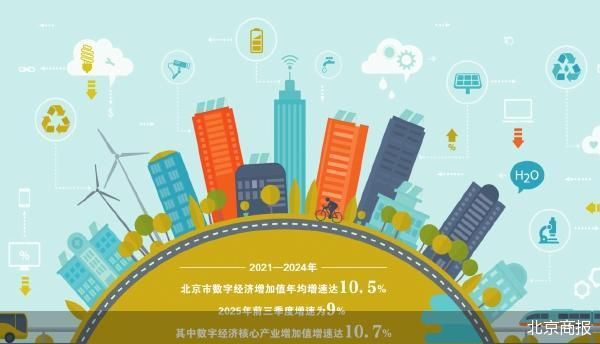
Core Viewpoint - Beijing is advancing the development and utilization of public data, aiming to establish a comprehensive data factor market by 2027, with significant policy reforms and infrastructure improvements in place to enhance data circulation and value release [1][3][4]. Group 1: Data Infrastructure and Services - Beijing has aggregated over 820 billion high-frequency, high-demand data entries and shared a total of over 2.9 trillion data entries across various departments, providing data services 5.5 billion times [1][4]. - The city has established a robust data infrastructure, with a total computing power exceeding 60,000 PetaFLOPS and has connected with 48 computing service providers [4]. - The establishment of the Beijing Data Standards Committee aims to create standardization plans and promote data standardization actions in the Beijing-Tianjin-Hebei region [3][4]. Group 2: Policy and Legislative Framework - The implementation of the "Implementation Opinions" focuses on consolidating Beijing's advantages in data, technology, talent, and market ecology, while addressing challenges in the data sector [3]. - Policies have been introduced to facilitate the development and utilization of public data resources, including cross-border data flow and comprehensive reforms [3][5]. - The city plans to accelerate the establishment of regulations for public data registration, government data sharing, and the construction of trusted data spaces [1][3]. Group 3: Digital Economy and Smart City Development - The digital economy in Beijing has seen a growth rate of 9% in the first three quarters of the year, driven by initiatives in digital governance, culture, and ecological development [6]. - The city is working on creating smart city application demonstration areas in key districts, enhancing the overall digital transformation of urban services [6]. - The establishment of the Beijing Data Group and the Beijing Urban Digital Development Association aims to foster a collaborative ecosystem for data innovation and industry development [6].

住房城乡建设部副部长陈绍旺会见哈萨克斯坦工业和建设部副部长卡什肯诺夫
Xin Lang Cai Jing· 2025-11-09 12:47
据中国建设报消息,11月7日,住房城乡建设部副部长陈绍旺会见来华出席2025中国—中亚建设部长会 议的哈萨克斯坦工业和建设部副部长卡什肯诺夫。陈绍旺表示,中国住房城乡建设部愿与哈萨克斯坦工 业和建设部一道,以两国元首共识为指引,深化在住房城乡建设领域的互利合作,为构建中哈命运共同 体作出贡献。卡什肯诺夫表示,哈萨克斯坦正大力推进公共服务设施更新项目,希望借鉴中国建筑抗 震、智慧城市等方面经验,欢迎更多中国企业参与相关项目。双方就加强工程建设标准、新城新区建设 等合作达成共识。 ...
日立八赴进博之约 以协同创新赋能中国高质量发展
Huan Qiu Wang· 2025-11-09 12:25
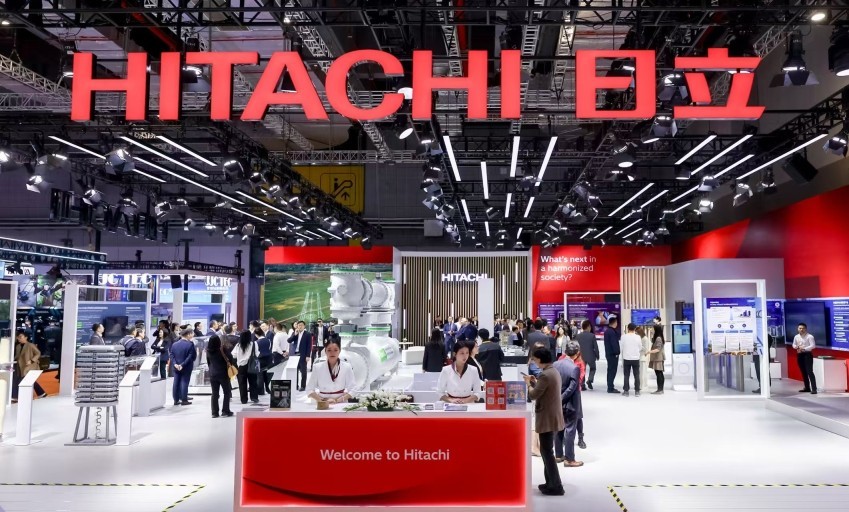
Core Insights - Hitachi Group emphasizes its commitment to the Chinese market and showcases its innovative solutions at the 8th China International Import Expo, highlighting its strategic focus on collaboration and local partnerships [1][3][5] Group 1: Company Strategy and Market Position - Hitachi views China as a significant market with vast potential, and the Import Expo serves as a unique bridge connecting global innovation with Chinese demand [3] - The company aims to demonstrate its determination to address China's social development needs and deepen collaborative innovation with local partners [3][5] Group 2: Key Innovations and Solutions - At the expo, Hitachi focuses on four major business areas: green energy, smart cities, advanced manufacturing and industrial digitalization, and healthcare and elderly care [5] - The introduction of the EconiQ 550 kV gas-insulated switchgear, which eliminates greenhouse gas SF6, aligns with China's dual carbon goals [5] - The healthcare segment showcases a comprehensive service covering prevention, diagnosis, treatment, and health management, including a proton therapy system that has treated over 120,000 patients [5] Group 3: Collaborations and Technological Advancements - Hitachi Elevator signed new strategic cooperation agreements with major construction companies, expanding collaboration into smart building solutions [5][6] - The innovative elevator inspection robot, utilizing AI technology for continuous monitoring, represents a shift towards digital transformation in elevator maintenance [6] - Hitachi's advanced manufacturing solutions, including comprehensive factory planning and lithium battery lifecycle testing, support the high-end transformation of the manufacturing industry [6] Group 4: Future Outlook - Hitachi plans to continue its "In China, With China, For China" approach, focusing on open collaboration with Chinese customers and partners in key areas like green energy and smart cities [6]
唐劲草会长受邀在首届AIM中国峰会上发言
母基金研究中心· 2025-11-09 08:59
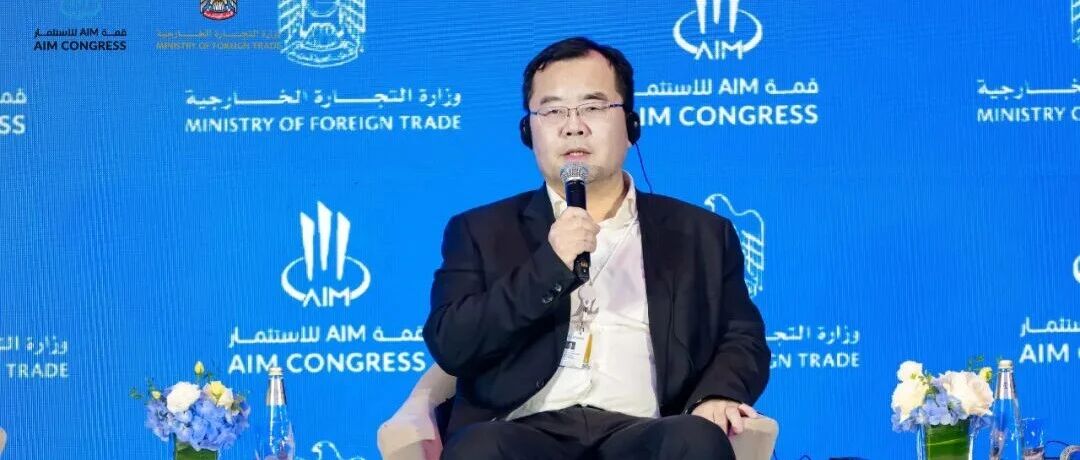
Group 1 - The first UAE International Investment Summit China Summit opened on November 7 in Shanghai, attended by notable figures including the UAE Ambassador to China and the founder of Vanke Group [1][4] - The summit, co-hosted by the UAE Ministry of Foreign Trade and AIM Global Foundation, focuses on themes such as new energy, artificial intelligence, green finance, digital economy, and smart cities, featuring over 1,000 participants from 45 countries and 80 international guests [4][6] - Established in 2011, the UAE International Investment Summit is recognized as a major economic and trade event by the UAE Federal Supreme Council, with the 2024 summit officially set to take place in China [6] Group 2 - Tang Jincao, Chairman of the China International Science and Technology Promotion Association's Mother Fund Branch, participated in a roundtable forum discussing China's strategy to ascend the value chain and the importance of advanced manufacturing and independent innovation [8][10] - The forum also addressed how the "dual circulation" strategy can leverage a strong domestic market to cultivate globally competitive high-tech enterprises [8] Group 3 - The Mother Fund Research Center has officially launched the 2025 annual list evaluation to encourage excellence in the private equity mother fund and fund industry [12][17] - The evaluation aims to promote the healthy development of the equity investment industry [12]
我国47个城市跻身亚洲最具价值100强:上海第4,杭州第13,南京略胜武汉!
Sou Hu Cai Jing· 2025-11-08 18:42
Core Insights - The latest "Top 100 Most Valuable Cities in Asia" list by GYBrand highlights the strong performance of Chinese cities, with 47 cities making the list, showcasing nearly half of the rankings [1][13] - The rankings consider economic scale, innovation potential, talent attraction, and sustainable development [1] Group 1: City Rankings - Tokyo ranks first, followed by Hong Kong and Singapore, with Shanghai at fourth and Beijing at fifth [2] - Other notable Chinese cities include Shenzhen (8th), Guangzhou (9th), Hangzhou (13th), Nanjing (22nd), and Wuhan (23rd) [2][3] Group 2: Shanghai's Economic Impact - Shanghai's GDP has surpassed 4.7 trillion yuan, with the digital economy's core industries accounting for over 18% of its GDP [7] - The city leads in annual IPO fundraising globally, enhancing its financial services to the real economy [7] - Key industries such as integrated circuits, biomedicine, and artificial intelligence have exceeded 1.5 trillion yuan in scale [7] Group 3: Hangzhou's Digital Economy - Hangzhou ranks 13th, driven by a robust digital economy, with its core industries contributing 28% to its GDP [9] - The city is home to major players like Alibaba and Ant Financial, reshaping the fintech landscape [9] - Continuous talent inflow and a favorable living environment enhance its attractiveness for innovation [9] Group 4: Nanjing vs. Wuhan - Nanjing ranks 22nd, slightly ahead of Wuhan (23rd), highlighting different competitive advantages [11] - Nanjing benefits from a strong manufacturing base and educational resources, while Wuhan leverages its transportation hub status [11] - Both cities show resilience, with Nanjing's industrial revenue exceeding 1.8 trillion yuan and Wuhan's GDP growth rebounding to 6.5% [11] Group 5: Overall Trends - The shift from "quantity advantage" to "quality advantage" among Chinese cities is evident, with Shanghai, Hangzhou, Nanjing, and Wuhan representing diverse paths of high-quality development [13] - The cities face challenges in balancing economic growth with improving living standards amid global industrial restructuring [13]

平安系科技老将胡玮任华泰保险总经理,外资控股下管理迎挑战
Nan Fang Du Shi Bao· 2025-11-08 06:31
日前,国家金融监督管理总局北京监管局(简称"北京金融监管局")发布批复显示,核准HU WEI(胡 玮)华泰保险集团股份有限公司总经理的任职资格。至此,这位"平安系"科技条线的"掌门人",将正式 开启其执掌险企的职业生涯。同时,华泰保险总经理一职也将结束长达20个月的悬空。 公开资料显示,胡玮1991年毕业于南京大学计算机专业;1996年毕业于美国坦普尔大学,获得计算机科 学硕士学位,曾先后任职于通用电气(GE)、日本电气股份有限公司(NEC)和美国国际集团 (AIG)。 2013年,胡玮入职平安集团,据其自述,彼时"平安集团正在寻找一位负责整个集团IT基础架构及运营 的负责人"。加入平安后,胡玮历任平安科技首席系统运营官和平安云事业部总裁、平安科技首席系统 运营执行官。2018年,平安国际智慧城市科技股份有限公司(简称"平安智慧城")成立,胡玮任联席总 经理兼CTO。 2024年末,业内便已传出胡玮离开平安系而转投华泰保险的消息,但直到此次北京金融监管局公告,胡 玮在华泰保险的任职方才尘埃落定。 "城市建设的魔法师" 奔赴险企任总经理 南都湾财社记者注意到,计算机专业毕业的胡玮,其在平安的12年中,职务始终与 ...