
未来产业

Search documents
政府投资基金“投向哪、怎么投”,国家首次作出系统规范
Sou Hu Cai Jing· 2026-01-12 03:36
在加强投向指导方面,《工作办法》要求基金投向须符合国家重大规划和国家级产业目录中的鼓励类产业,不得投向限制类、淘汰类以及政策明令禁止的产 业领域。 北京社会科学院副研究员王鹏对智通财经表示,政府投资基金作为创新财政资金使用方式、支持产业发展和科技创新的重要政策工具,近年来在服务国家战 略、推动产业升级、促进创新创业等方面发挥了积极作用。 记者 辛圆 据国家发改委网站周一发布消息,国家发展改革委、财政部、科技部、工业和信息化部联合发布《关于加强政府投资基金布局规划和投向指导的工作办法》 (以下简称《工作办法》)。这是首次在国家层面对政府投资基金的布局和投向作出系统规范。 截至2024年底,我国累计设立政府引导基金数量2178只,总规模突破12万亿元,其中,产业类和创投类引导基金数量为2023只,总规模突破10万亿元。 《工作办法》围绕政府投资基金"投向哪、怎么投、谁来管"三方面,提出14项政策举措。 在优化基金布局方面,《工作办法》要求基金支持重大战略、重点领域和市场难以有效配置资源的薄弱环节,推动科技创新和产业创新深度融合,着力培育 新兴支柱产业,坚持投早、投小、投长期、投硬科技。 具体来看,新兴产业主要包括 ...

国家层面首次发文规范政府投资基金运作,有哪些看点?
Xin Lang Cai Jing· 2026-01-12 02:47
"不过,随着政府投资基金数量和规模的不断增长,一些问题也逐渐显现,比如投向同质化、管理不规范等。"王鹏说。 发改委等部门在《工作办法》中特别提到,对于布局投向不符合要求的基金,按照基金审批层级,由发展改革部门会同有关部门对相关基金重点加强投向指 导,视情采取约谈、通报、出具警示函等督促整改措施。 据国家发改委网站周一发布消息,国家发展改革委、财政部、科技部、工业和信息化部联合发布《关于加强政府投资基金布局规划和投向指导的工作办法》 (以下简称《工作办法》)。这是首次在国家层面对政府投资基金的布局和投向作出系统规范。 截至2024年底,我国累计设立政府引导基金数量2178只,总规模突破12万亿元,其中,产业类和创投类引导基金数量为2023只,总规模突破10万亿元。 《工作办法》围绕政府投资基金"投向哪、怎么投、谁来管"三方面,提出14项政策举措。 在优化基金布局方面,《工作办法》要求基金支持重大战略、重点领域和市场难以有效配置资源的薄弱环节,推动科技创新和产业创新深度融合,着力培育 新兴支柱产业,坚持投早、投小、投长期、投硬科技。 具体来看,新兴产业主要包括新一代信息技术、新能源、新材料、高端装备、新能源汽车、 ...
财政科技支出连年增幅超过20% 基础研究投入总体增长85% 最新评价报告显示——上海综合科技创新水平全国第一
Jie Fang Ri Bao· 2026-01-12 01:46
记者 俞陶然 在科技活动产出方面,上海得分排名全国第一,创新产出水平和技术成果转化二级维度也均为第 一。与上年相比,上海技术国际收入增长8.94%,占全国的34.22%,万元GDP技术国际收入增加2.07美 元,保持在全国第一位;万人科技论文数、万人有效注册商标数、万人高价值发明专利拥有量、亿元 GDP知识产权使用费出口额均保持全国第二位;技术市场输出技术成交额增长19.93%,万人输出技术 成交额增加2891.97万元,位次上升至全国第二。 生物医药产业的BD(商务拓展)收入,是一类重要的技术国际收入。医药魔方的统计数据显示, 2025年,中国创新药BD对外授权交易总金额达到1356.55亿美元,首付款70亿美元,交易总量为157 笔。在交易数量上,上海位居榜首,占全国交易总量的1/3左右。 科技论文的质量和人均数量,上海也占有优势。2025年,上海科学家在《科学》《自然》《细胞》 三大国际顶刊发表论文181篇,占全国的30.6%,较2024年增长14.6%。其中,上海科学家为第一作者或 通讯作者的论文有109篇,占全国的24.1%,较2024年增长29.8%。 "值得注意的是,在科技创新投入这个指标上,上 ...
6646亿!江苏省2026重大项目清单发布,新兴和未来产业占比达80%!(附清单)
DT新材料· 2026-01-11 23:28
Core Viewpoint - Jiangsu Province has officially released the major project list for 2026, which includes 670 major projects with a planned investment of 664.6 billion yuan, representing a year-on-year increase of 12 billion yuan. The focus is on quality improvement alongside quantity increase, with a significant emphasis on strategic emerging industries and future industries [2]. Group 1: Major Projects Overview - The list includes 670 major projects with a total planned investment of 664.6 billion yuan, an increase of 12 billion yuan compared to the previous year [2]. - Among these, 414 projects are in the industrial sector, accounting for over 75% of the total, with a planned investment of 295 billion yuan [2]. - Infrastructure projects number 118, with a planned investment of 323.6 billion yuan, while 18 projects focus on livelihood and environmental protection, with a planned investment of 46 billion yuan [2]. Group 2: Focus on Quality and Industry - The proportion of strategic emerging industries and future industries in manufacturing projects has increased from 74% to 80%, while high-energy-consuming industries like chemicals and metallurgy have seen a significant reduction [2]. - Strict controls are in place for projects in industries with overcapacity, such as power batteries and photovoltaics [2]. Group 3: Key Projects Listed - Notable projects include advanced silicon wafers, AI servers, and high-performance materials for various applications, such as robotics and aerospace [3][4][5]. - Specific projects highlighted include the development of new generation information technology, high-end equipment manufacturing, and new materials, with a focus on innovation and sustainability [6][7][8]. Group 4: Future Industries and Innovations - Future industries include advancements in aerospace technology, AI robotics, and energy storage solutions, with several projects aimed at enhancing capabilities in these areas [8][9][10]. - The list emphasizes the importance of integrating new technologies and materials to drive growth in strategic sectors [11][12]. Group 5: Investment Opportunities - The focus on strategic emerging industries presents significant investment opportunities, particularly in sectors such as new energy, advanced manufacturing, and green technologies [2][3][4]. - The planned investments in these areas indicate a strong commitment from the Jiangsu government to foster innovation and economic development [2][11].

天津经开区加力培育未来产业
Xin Lang Cai Jing· 2026-01-11 19:16
Core Insights - Tianjin Economic and Technological Development Zone has released the "Future Industry Cultivation and Development Action Plan (2025-2027)" aiming to establish a "4+2+X" future industry layout by 2027, focusing on key technologies, products, applications, talent, and competitive enterprises in future industries [1][2] Group 1: Future Industry Development Strategy - The action plan aims to create a world-class future industry ecosystem, emphasizing "future-oriented advantages" and "industrialization of future technologies" as the two main lines of development [1] - The "4+2+X" future industry development system will focus on four cornerstone tracks: nucleic acid drugs, biomanufacturing, general artificial intelligence, and basic and key materials [1] - The plan also includes two cutting-edge tracks: embodied intelligence and automotive-grade chips, along with several potential tracks such as future healthcare, nano-manufacturing, and software-defined interconnect chips [1] Group 2: Implementation Actions - To achieve the development goals, the Tianjin Economic and Technological Development Zone will focus on a complete innovation ecosystem, implementing ten key actions including technology innovation source actions and future enterprise cultivation actions [2] - The technology innovation source action will concentrate on building high-level innovation platforms, aiming for 1 to 3 key source platforms for each track [2]
国泰海通|计算机:未来产业之商业航天:万亿蓝海、黄金窗口
国泰海通证券研究· 2026-01-11 13:54
报告导读: 商业航天在政策催化、复用突破与产业闭环共振下步入发展拐点,国家级航天 骨干能力外溢、民企技术突破共筑低轨核心竞争力。 投资建议:火箭复用与星座组网双轮驱动,中国商业航天正步入由工程突破迈向规模化产业落地的关键拐点。 政策顶层设计持续强化,商业航天被明确列为 " 未来产业 " 重点方向,国家级航天骨干与地方政府协同推动基础设施、发射能力与制度供给体系建设;技术路径上,我国在可重复使用火箭方向实现 " 民 营样机 + 国家航天骨干规划 " 双突破,千星级星座计划加快部署,标志性项目密集落地,全球低轨资源争夺进入深水区;产业链自制造与发射向测控、地面 终端与数据运营延展,商业模式逐步验证,行业景气度与确定性同步提升。建议关注具备核心技术能力、产业协同优势与需求弹性支撑的优质企业。 商业航天已由边缘探索上升为国家战略重点,政策顶层设计逐步清晰。 自 " 卫星互联网 " 纳入新基建以来,中央连续五年发布重磅政策支持商业航天发展, 2025 年《政府工作报告》更首次将其明确列为 " 未来产业 " 重点方向。国家层面构建从准入监管、质量体系到投融资支持的全链条制度供给,地方政府亦 通过专项补贴、产业园区、基础设 ...

向“新”而行:区域产业升级激发经济新动能
Xin Lang Cai Jing· 2026-01-11 06:53
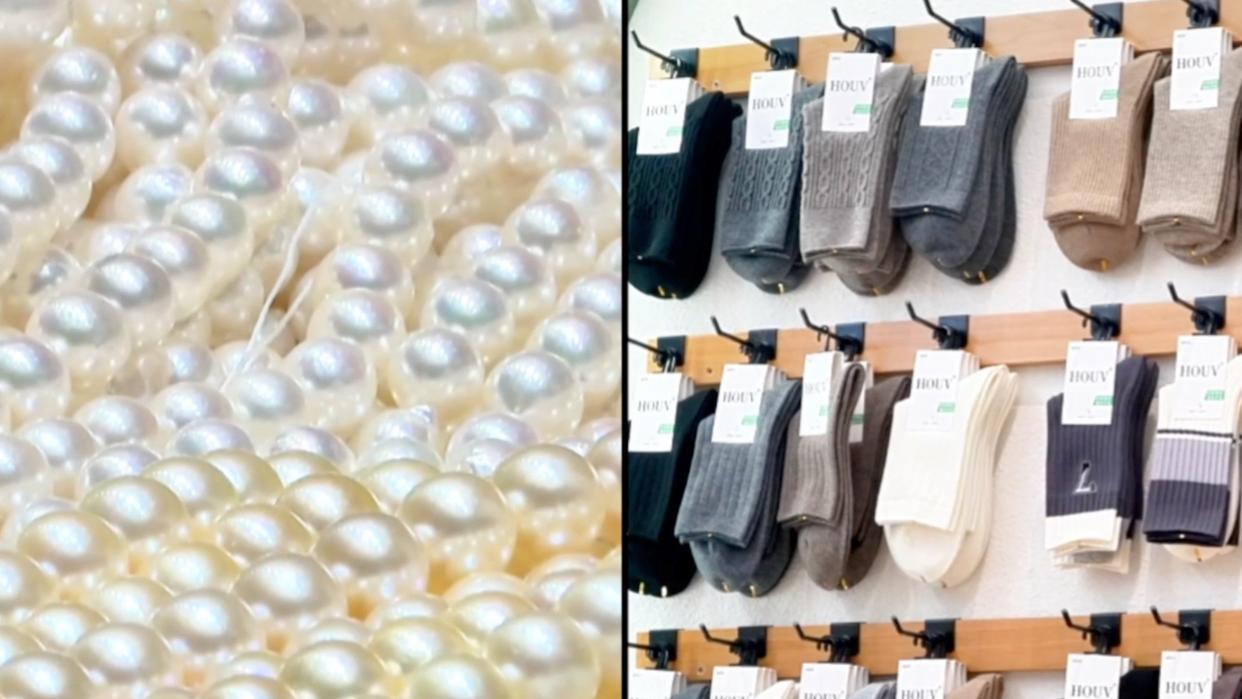
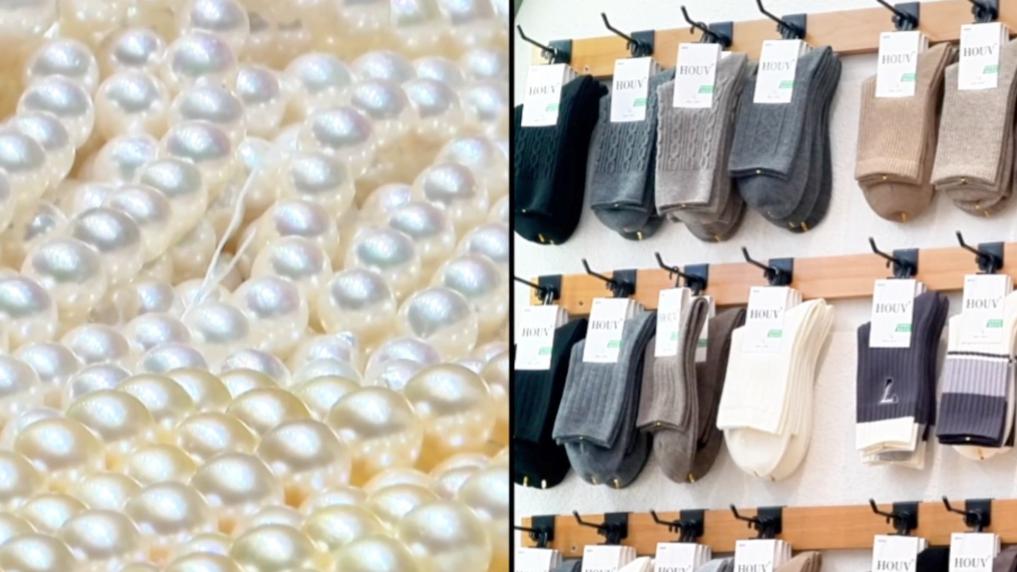
Group 1: Pearl Industry in Zhuji - Zhuji, known as the "Pearl Capital of China," controls over 80% of the national and 70% of the global pearl trading volume, with a total annual output value exceeding 50 billion yuan across the entire pearl industry chain, including breeding, processing, sales, and derivatives [3] - The unique geographical environment of Shanjiah Lake Town in Zhuji has laid the foundation for the development of the pearl farming industry [3] Group 2: Sock Industry in Zhuji - Datang Sock Industry in Zhuji is the largest sock industry cluster globally, with an industry scale exceeding 70 billion yuan, featuring thousands of sock enterprises that form a complete industrial chain from product design to technological innovation [4] - Zhuji is focused on upgrading its industry to achieve a "trillion-level fashion industry," enhancing its competitiveness and influence in both domestic and international markets [4] Group 3: Project Development in Zhucheng, Shandong - Zhucheng City in Shandong is accelerating project construction to seize opportunities and build momentum for the "14th Five-Year Plan" [6] - The city has optimized the approval process in engineering planning, construction permits, and municipal facilities, improving efficiency by nearly 70%, which has facilitated the rapid launch of projects like the second phase of Zhuoyi CNC Equipment Co., Ltd. [8] Group 4: Future Industry Development in Tianjin - The Tianjin Economic and Technological Development Area has launched the "Future Industry Cultivation and Development Action Plan (2025-2027)," focusing on "advantageous industries' future orientation" and "future technology industrialization" [9] - The "Firefly Alliance" has been established to foster an innovative ecosystem by integrating universities, research institutions, enterprises, financial institutions, and service organizations to address bottlenecks in technology transfer [11] Group 5: Agricultural Processing in Zibo, Shandong - Zibo City is enhancing local agricultural resources through deep processing of specialty products, transforming them into significant industries that increase added value and broaden income channels for residents [14] - The peach industry in Yiyuan County, Zibo, has expanded to 20,000 acres, with a total industry chain output value of 914 million yuan, where deep processing projects have increased the processing output value ratio to 68% [16]
新华视点丨向“新”而行:区域产业升级激发经济新动能
Xin Hua Wang· 2026-01-11 06:30
Group 1: Pearl Industry in Zhuji - Zhuji, known as the "Pearl Capital of China," controls over 80% of the national and more than 70% of the global pearl trading volume [1][3] - The pearl industry in Zhuji has an annual output value exceeding 50 billion yuan, covering the entire value chain from breeding to processing and sales [3] Group 2: Sock Industry in Zhuji - Datang Sock Industry in Zhuji is the largest sock industry cluster globally, with an industry scale surpassing 70 billion yuan [5] - The sock industry in Zhuji consists of thousands of enterprises, forming a complete ecosystem from product design to technological innovation and manufacturing [5] Group 3: Industrial Upgrading and Development - Zhuji is focusing on upgrading its industries to enhance competitiveness in both domestic and international markets, aiming for a "billion-level fashion industry" [8] - The city is addressing bottlenecks in its industrial development to strengthen its market position [8]
北京日报社区小板报|京考首批面试名单公布
Xin Lang Cai Jing· 2026-01-11 00:40
转自:北京日报客户端 ▶ 京考首批面试名单公布!651个职位还有调剂名额,别错过! 夜间晴,南转北风一二级,最低气温-9℃。 气温低,体感寒冷,外出注意防寒保暖。 ▶尾号限行 《北京市各级机关2026年度考试录用公务员调剂职位表》公布,首批没有进入面试名单的考生赶快抓住 机会!2026年京考首批参加面试和专业能力测试的人选名单已在北京市人事考试通用平台公布。首批参 加面试人选未达到招考公告公布的面试比例人数的招录职位为调剂职位,将采用调剂的办法补充面试人 选。 ▶今日天气 白天晴,北转南风三级,阵风五级左右,最高气温0℃; 无 ▶ 什刹海冰场正式迎客!前海已开放,后海择时开 1月10日下午的什刹海冰场很是热闹,众多滑冰爱好者纷纷到来,在2026年冰场正式开门迎客之时,赶 着滑头一茬冰。值得一提的是,目前开放的是冰场的前海区域。前海冰场运营面积为3.5万平方米,营 业时间为8点至21点,夜场同步开放;冰场门票统一定价100元/人,周末及节假日同价。据介绍,后海 冰场及后海滑冰教培区,开放时间将另行通知。 ▶ 无需门票!今日,来副中心与民乐天团共度周末~ 提到长城,人们最先想到的是八达岭、居庸关等。其实,平谷区也 ...

经济日报头版关注:北京亦庄加快布局未来产业
Xin Lang Cai Jing· 2026-01-10 23:42
Group 1 - The core focus of the news is the accelerated development of future industries in Beijing Economic-Technological Development Area (also known as Beijing Yizhuang), with 22 key projects signed and major benchmark projects set to commence construction [1] - Over 80% of the signed projects are future industry projects, including Baichang Intelligent Automotive's plan to establish a vehicle manufacturing company focused on L4 autonomous driving and ZTE's focus on AI and 6G with the establishment of six companies in the area [1] - During the 14th Five-Year Plan period, the average annual GDP growth of Beijing Yizhuang is projected to be 10%, with the integrated circuit equipment industry leading the nation and a significant number of "specialized and innovative" small giant enterprises and international patents [1] Group 2 - Beijing Guoke Tianxun Technology Co., Ltd. has seen its revenue scale grow several times since relocating its headquarters to Yizhuang in 2021, benefiting from the complete ecosystem support available in the area [2] - The development strategy for the 15th Five-Year Plan includes a strong focus on emerging industries such as embodied intelligence, commercial aerospace, 6G, quantum technology, brain-computer interfaces, and synthetic biology, aiming to create a high-level new productivity model [2] - The local government aims to enhance economic quality, urban appearance, and public welfare through a comprehensive upgrade of the development ecosystem, aligning the creativity of scientists and entrepreneurs with the growth potential of innovative enterprises [2]