
生成式人工智能

Search documents
迪士尼宣布向OpenAI投资10亿美元达成三年期合作
Xin Lang Cai Jing· 2025-12-12 00:29
迪士尼公司周四宣布将向OpenAI投资10亿美元,并将允许这家人工智能初创公司在其Sora AI视频生成 器中使用星球大战、皮克斯和漫威系列电影中的角色。这笔交易可能会重塑好莱坞制作内容的方式。 迪士尼公司周四宣布将向OpenAI投资10亿美元,并将允许这家人工智能初创公司在其Sora AI视频生成 器中使用星球大战、皮克斯和漫威系列电影中的角色。这笔交易可能会重塑好莱坞制作内容的方式。 迪士尼还将获得认股权证,以购买OpenAI的额外股权。 两家公司将使用OpenAI的模型构建新产品和客户体验,包括迪士尼+用户,而迪士尼将为其员工部署 ChatGPT。 该协议还包括护栏,以防止角色被描绘在不适当的情况下。消息人士称,迪士尼还计划将OpenAI的工 具用于其内部目的,以支持电影制作,提高效率。 据一位知情人士透露,伊格尔和OpenAI首席执行官萨姆·奥特曼数年前就开始讨论如何将生成式AI与迪 士尼的角色和故事结合起来,展示其潜力。 据不愿透露姓名的消息人士透露,在Sora正式发布之前,OpenAI就向迪士尼提供了该图像生成工具的 初步展示。消息人士补充说,迪士尼发现OpenAI愿意建设性地参与这一对话。 伊格 ...

甲骨文市值一夜蒸发超4800亿元,博通盘后一度跌超5%!道指、标普创新高,黄金、白银大涨!美联储最新消息
Mei Ri Jing Ji Xin Wen· 2025-12-12 00:12
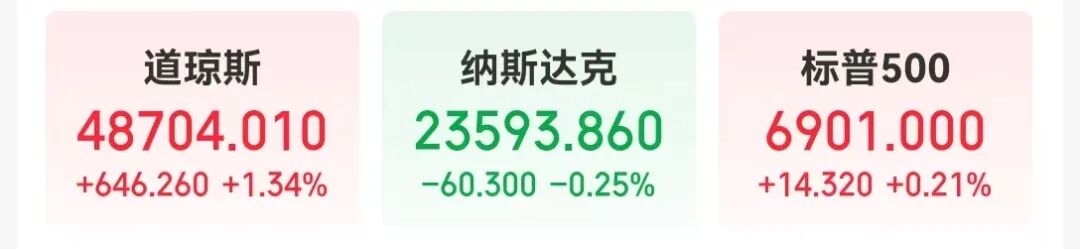
Group 1 - The US stock market showed mixed results on December 11, with the Dow Jones Industrial Average rising by 646.26 points (1.34%), while the Nasdaq fell by 0.25% and the S&P 500 increased by 0.21% [1] - Oracle's stock dropped over 10%, with a market capitalization loss of approximately $68.9 billion (about 48.63 billion RMB) after disappointing cloud revenue and a significant increase in capital expenditure guidance [2] - Oracle's quarterly revenue was $16.1 billion, a 14% year-over-year increase, but its cloud infrastructure revenue of $4.1 billion fell short of analyst expectations [2][3] Group 2 - Broadcom reported Q4 revenue of $18.01 billion, a 28% year-over-year increase, but below market expectations of $18.48 billion [6] - The net profit for Broadcom was $9.71 billion, a 39% increase year-over-year, with adjusted EPS of $1.95, up 37% [6] - Broadcom's AI business is heavily reliant on major cloud service clients, particularly Google, which recently launched its powerful AI model Gemini 3 based on Broadcom's TPU chips [6] Group 3 - The US labor department reported an increase of 44,000 initial jobless claims to 236,000, the largest increase since March 2020 [11] - The US trade deficit unexpectedly narrowed to its lowest level since 2020, with imports at $342.1 billion and exports at $289.3 billion for September [11] - The Federal Reserve lowered the federal funds rate target range by 25 basis points to between 3.50% and 3.75%, with expectations of further rate cuts in early 2024 [11][12]


美众议院经表决搁置弹劾特朗普动议;泽连斯基:若获安全保障,愿支持战时大选;迎战谷歌,OpenAI发布更先进模型;摩尔线程紧急公告丨每经早参
Mei Ri Jing Ji Xin Wen· 2025-12-11 22:01
Group 1 - The Central Economic Work Conference emphasized eight key tasks for economic work in the coming year, focusing on domestic demand, innovation, reform, openness, coordinated development, green transformation, improving people's livelihoods, and risk management [2] - The U.S. stock market showed mixed results, with the Dow Jones rising by 1.34% while the Nasdaq fell by 0.25%. Major tech stocks like Oracle and Google saw significant declines [2] - International oil prices decreased, with WTI crude oil dropping to $57.91 per barrel, while gold prices increased, with spot gold rising to $4,273.16 per ounce [3] Group 2 - The Chinese Ministry of Commerce expressed concerns over Mexico's tax proposal on non-free trade partners, indicating potential harm to trade relations, particularly with China [4] - The Chinese Embassy in Japan urged Chinese citizens to register for overseas citizen registration to enhance consular protection and services [5] - China's automobile production and sales exceeded 31 million units in the first eleven months of 2025, with significant growth in new energy vehicles [6] Group 3 - Coca-Cola announced a succession plan for its CEO, with Henrique Braun set to take over in March 2026, marking a leadership change after nine years [10] - Disney plans to invest $1 billion in OpenAI, becoming a major content partner for OpenAI's short video generation platform Sora [12] - The largest snack and beverage retailer in China, Mingming Henmang, has received approval for its listing in Hong Kong, aiming to enhance its international presence [14] Group 4 - Xiaomi's first major appliance factory has officially commenced operations, marking a significant step in its smart manufacturing strategy [16] - The stock of Moer Technology, known as the "first domestic GPU stock," has seen a dramatic increase of 723.49% since its listing, prompting caution among investors regarding potential volatility [17] - Ha Luo's autonomous taxi service has paused operations in Zhuzhou following an incident involving a pedestrian, raising concerns about the safety of autonomous driving technology [18]



OpenAI发布GPT最新升级版本
Xin Hua She· 2025-12-11 18:46
Core Insights - OpenAI has released the latest upgrade of its AI model, GPT-5.2, to address the increasing competition in the generative AI sector [1] - The release comes in response to Google's Gemini 3 model, which was launched in November and has shown impressive performance [1] - OpenAI's CEO, Sam Altman, initiated a "red alert" to accelerate the release of GPT upgrades due to the competitive pressure in the AI industry [1] Company Developments - OpenAI launched GPT-5 in August and followed up with an upgrade to GPT-5.1 in November, indicating a rapid development cycle [1] - The quick succession of updates highlights the intense competition within the AI industry [1]
迪士尼向OpenAI投资10亿美元,并向Sora授权标志性角色
Hua Er Jie Jian Wen· 2025-12-11 15:28
迪士尼同意向OpenAI投资10亿美元,并将米老鼠和灰姑娘等标志性角色授权给OpenAI的短视频人工智 能平台Sora。 12月11日,据彭博社报道,根据协议条款,Sora将能够生成由用户发起的短视频,供粉丝观看和分享。 这些视频将使用来自迪士尼、漫威、皮克斯和星球大战的200多个动画角色,该协议不涉及任何人物肖 像或配音的使用。 与此同时,迪士尼将成为OpenAI的主要客户,利用其工具构建新产品和体验,并为员工部署 ChatGPT。 迪士尼首席执行官Bob Iger在声明中表示: "人工智能的快速发展标志着我们行业的一个重要时刻,通过与OpenAI的合作,我们将深思 熟虑、负责任地利用生成式人工智能扩展我们故事讲述的影响范围,同时尊重和保护创作者 及其作品。" 好莱坞制片厂此前对与人工智能公司合作持谨慎态度,一方面忧虑其数据使用方式,另一方面也担心会 引起日常合作的工会组织的不满,遭到创作端人员的抵制。 然而,据彭博社早前报道,OpenAI已积极与包括迪士尼、康卡斯特旗下环球影业及华纳兄弟探索公司 在内的行业头部制片厂展开接洽,共同探索其视频生成模型Sora在创意与商业层面的应用潜力。 今年9月,OpenA ...
专家报告 | 企业数据合规与风险管理:基于情报学的视角
Xin Lang Cai Jing· 2025-12-11 10:17
11月28日,第十五届信息安全法律大会在北京召开,会议以"安全的边界 执法的协同 文化的力量"为主题。信息安全与保密通信杂志社作为学术支持单位 与会。在本次会议数据安全与个人信息保护法治新图景论坛上,南京大学信息管理学院副教授张斌作了题为"企业数据合规与风险管理:基于情报学的视 角"的报告,以下为报告内容。 报告现场 一、背景 广泛地讲,情报学涵盖军事情报、公安情报等,而高校在研究情报学时,主要聚焦科技情报领域,主要方向是科技创新,为科技部等相关单位提供科技创 新发展规划支持。在研究科技创新的过程中,围绕数据、信息、知识、情报等展开,自然延伸到数字经济背景下的数字创新议题。反过来看,创新工作的 主体必然涉及企业,而企业在数字创新过程中难免遇到合规和风险问题,故而从学科视角来分享本次内容。 聚焦当前的数据合规形势。全球范围内,数据合规相关的判罚案例不断敲响警钟:2021年7月,亚马逊因用户隐私数据保护问题被卢森堡罚款;2022年7 月,滴滴因超范围收集用户个人信息被中国网信办罚款;2025年5月,TikTok因数据违规跨境被爱尔兰数据保护局罚款。这些案例背后,是全球监管体系 的不断完善与收紧。 从全球监管图景来 ...



《阿凡达3》中国首映,卡梅隆称AI永远替代不了人类创作
Xin Jing Bao· 2025-12-10 08:32
新京报讯(记者周慧晓婉)电影《阿凡达:火与烬》(阿凡达3)即将在12月19日上映。12月8日,在影 片举行的中国首映礼上,《阿凡达》系列的缔造者、导演詹姆斯·卡梅隆携《阿凡达》系列女主角佐伊· 索尔达娜首次莅临中国海南。12月9日,詹姆斯·卡梅隆在《阿凡达3》导演大师班上表示,AI可以用来 做一些事,但永远替代不了人类的创作,"AI能做出一个跟《阿凡达》差不多的电影,但在《阿凡达》 上映前,它是做不出来的。" 《阿凡达3》几位中文配音演员与导演及主演在首映礼合影。 对于不少影迷来说,卡梅隆的名字就是技术和视觉的保证。《阿凡达3》是否使用了AI也成为观众关心 的问题。对此,卡梅隆在影片上映前通过媒体公开表示:"我对'生成式人工智能'并不持否定态度,但 我们不会在《阿凡达》电影中使用到这种技术。我们尊重演员,不会用人工智能来取代他们。"大师班 现场,卡梅隆再次谈到对AI的看法,他赞同技术的革新,但AI永远替代不了人类的创作,"AI能做出一 个跟《阿凡达》差不多的电影,但在《阿凡达》上映前,它是做不出来的"。 卡梅隆还提到了影院的重要性,他认为,流媒体的便捷改变了人们的消费习惯,但影院提供了家庭观影 无法替代的沉浸 ...
教育部发布《指引》:“AI判作文结果”教师不得直接使用
Bei Jing Qing Nian Bao· 2025-12-10 02:25
《教师生成式人工智能应用指引(第一版)》发布 "AI判作文结果"教师不得直接使用 继对中小学生使用人工智能学习、完成作业的行为划出红线后,教育部近日又发文,对教师在教学中 的AI使用进行指引和规范。这部由教育部教师队伍建设专家指导委员会发布的《教师生成式人工智能 应用指引(第一版)》,旨在引导教师科学、安全、合规、理性地应用生成式人工智能。其中提出,教师不 得将生成式人工智能对作文等作业的自动批改结果作为学生最终评价予以直接使用。 [责任编辑:杨景茹] 今年上半年,教育部接连发布《中小学人工智能通识教育指南(2025年版)》和《中小学生成式人工智 能使用指南(2025年版)》,提出学生应避免在作业中简单复制生成式人工智能工具生成的内容,避免使用 生成式人工智能参加考试与测验,不得利用生成式人工智能作弊。此次出台的《教师生成式人工智能应 用指引(第一版)》则旨在明确教师在使用生成式人工智能过程中需审慎判断的行为边界,以及提高通用操 作能力。教师应掌握生成式人工智能基本特征与应用策略,有效防范其可能对学生思维发展、价值观塑 造、教育公平、数据隐私等方面带来的风险,确保技术应用符合教育伦理与法律法规。 《指引》提出 ...
“AI判作文结果”教师不得直接使用
Bei Jing Qing Nian Bao· 2025-12-10 00:23
对于作业的管理,《指引》提出,教师布置作业时,须明确禁止学生直接提交由人工智能生成的作业内 容,可允许其作为查阅资料、启发思路的辅助工具,并要求学生在提交作业中声明使用环节与具体方 式;在项目式学习中,禁止学生直接生成完整方案,可引导学生将技术用于激发灵感或优化细节,教师 须要求学生提交过程性创作材料;学生使用人工智能辅助完成观点表达或作品创作时,须明确标注所用 工具、使用环节及生成内容,确保过程透明、诚信使用。 文/北青报记者雷嘉 《指引》提出了教师使用生成式人工智能的一些"红线"。具体包括,教师应始终发挥育人主导作用,将 生成式人工智能仅作辅助工具使用,在价值观引导、道德教育、情感培养、心理支持等关键育人环节, 教师必须主导完成,不得交由技术替代。教师须对生成的教学设计、课件、习题等内容进行审核和校 正,确保其符合课程标准、学科专业规范,及时修正错误、过时、存在逻辑偏差等内容。 使用生成式人工智能辅助撰写学生评语时,教师须基于真实观察和情感关怀,注重评语内容的针对性与 人性化表达,避免直接套用模板或出现空洞化、格式化表述,不得将生成式人工智能对作文、艺术作 品、开放性作业等的自动批改结果作为学生最终评价予 ...
FINRA Cautions Broker/Dealers on Gen AI Hallucinations
Yahoo Finance· 2025-12-09 14:30
Core Insights - Brokerage regulators are emphasizing the need for firms to be cautious about the risks associated with hallucinations when utilizing generative artificial intelligence (gen AI) tools in their operations [1] Regulatory Oversight - The Financial Industry Regulatory Authority (FINRA) released its 2026 regulatory oversight report, which aims to provide insights to help firms enhance resilience and strengthen compliance programs [2] - The report includes a new section on gen AI, indicating that existing FINRA rules will apply to gen AI as they do for other technology tools, covering areas such as supervision, communications, recordkeeping, and fair dealing [3] Applications of Generative AI - The primary use of gen AI among member firms is for summarization and information extraction, which involves condensing large volumes of text and extracting key information from unstructured documents [4] - Other applications include question answering, sentiment analysis, language translation, financial modeling, and synthetic data generation [4] Risk Management and Compliance - FINRA advises firms to establish procedures to identify instances of hallucinations, which occur when AI generates inaccurate or misleading information that could affect decision-making [5] - Firms should also be aware of bias in gen AI outputs, which can arise from limited or incorrect training data, including outdated data leading to concept drifts [6] - Cybersecurity policies must address risks related to the use of gen AI, whether by the firm or third-party vendors [6] Testing and Accountability - FINRA recommends that firms test their gen AI tools, focusing on privacy, integrity, reliability, and accuracy, while monitoring prompts, responses, and outputs to ensure proper functionality [6] - Suggested practices include storing prompt and output logs for accountability, tracking model versions, and conducting human-in-the-loop reviews of model outputs to check for errors and bias [7]