
共同富裕

Search documents
居民增收,不是刺激消费的权宜之计
Nan Fang Du Shi Bao· 2025-12-17 15:39
Core Points - The article emphasizes the implementation of a rural and urban resident income increase plan as a strategic move to enhance domestic demand and address the current imbalance of strong supply and weak demand in the economy [2][3][4] - The plan aims to improve the income distribution structure, focusing on increasing labor remuneration and enhancing social security mechanisms, thereby promoting a stable growth in residents' income [2][3] Summary by Sections Economic Strategy - The Central Economic Work Conference has identified the rural and urban resident income increase plan as a key task for 2026, aimed at necessary adjustments and reforms in income structure to strengthen domestic demand [3] - The shift from a focus on middle and low-income groups to a comprehensive income increase plan for all residents signifies an expansion in the scope of benefits [2][3] Income and Consumption - The increase in residents' income is expected to enhance consumption capacity and willingness, creating a virtuous cycle of consumption-driven economic growth [3] - The plan is designed to gradually expand the middle-income group and optimize the income distribution system, ensuring that more citizens benefit from economic development [3] Social Impact - The income increase plan is not only a tool for stimulating consumption but also reflects a commitment to development that prioritizes the well-being of the people [4] - Enhancing the sense of gain, happiness, and security among urban and rural residents is crucial for establishing a solid foundation for building a modern socialist country [4]


学习新语·展望“十五五”|绘就共同富裕新画卷
Xin Hua She· 2025-12-17 11:13
共同富裕是社会主义的本质要求,是中国式现代化的重要特征。习近平总书记就"十五五"规划建议起草 的有关情况作说明时指出,"《建议》稿在指导思想中突出强调全体人民共同富裕迈出坚实步伐,这是 指导'十五五'时期经济社会发展的一个总体性要求。" 迈向"十五五",人民对美好生活的期盼更加广泛、更加多元,要始终坚持以人民为中心的发展思想,不 断把人民对美好生活的向往变为现实,让现代化建设成果更多更公平惠及全体人民。 制作:王欢 胡碧霞 新华社出品 策划:石锋 统筹:黄庆华 周年钧 ...

“十四五”期间浙江杭州新改建农村公路1349.9公里 带“火”村庄 带“旺”田园
Hang Zhou Ri Bao· 2025-12-17 08:22
Core Viewpoint - The construction of rural roads in Hangzhou during the "14th Five-Year Plan" period has significantly improved local transportation, leading to enhanced economic development and tourism in rural areas [1][2] Group 1: Infrastructure Development - Hangzhou has completed the reconstruction of 1,349.9 kilometers of rural roads, achieving a 100% connectivity rate for towns to third-level roads, entering the "Four Good Rural Roads" 2.0 era [1] - The Party-Nong Line has been transformed from a narrow, bumpy road to a smooth and wide highway, facilitating faster transportation of agricultural products [1] Group 2: Economic Impact - The transformation of transportation has revitalized local industries, as seen in Wenping Village, which has evolved from a small fishing village to a popular tourist destination with over 700 beds and 48 homestays, generating over 9 million yuan in annual tourism revenue [1] - The agricultural cooperative in Hongbo Village has expanded its operations, with 90% of its revenue coming from grain production, benefiting from improved road access that allows for quicker transportation to markets [1][2] Group 3: Tourism and Agricultural Integration - The improved rural roads have attracted tourists for activities such as strawberry picking and agricultural education, leading to increased sales of fresh produce directly from farms [2] - The integration of transportation and tourism is creating a symbiotic relationship that supports rural revitalization and contributes to common prosperity [2]
马建堂:深刻把握党的二十届四中全会建议的三条主线
Zhong Guo Fa Zhan Wang· 2025-12-17 06:40
Core Viewpoint - The article emphasizes the importance of the 14th National Committee of the Chinese People's Political Consultative Conference's discussions on the "15th Five-Year Plan" and its focus on high-quality development, common prosperity, and security in the context of China's modernization efforts [1][6]. Group 1: High-Quality Development - The primary focus of the "15th Five-Year Plan" is to promote high-quality development, aiming for decisive progress in achieving Chinese-style modernization [1][4]. - High-quality development is highlighted as a key theme throughout the plan, with specific goals and principles emphasizing its importance [1][4]. - The plan outlines practical paths for achieving high-quality economic and social development across eight sections [1]. Group 2: Common Prosperity - The plan underscores the principle of putting people first and aims to enhance the overall well-being of the population, with a focus on common prosperity as a fundamental goal [4][5]. - Specific targets for reducing income disparities among different regions and between urban and rural residents are set, aiming for a more equitable distribution of wealth [5]. - The plan emphasizes the need to balance efficiency and fairness in the socialist market economy to promote common prosperity [5]. Group 3: Security and Development - The "15th Five-Year Plan" includes a strong emphasis on the integration of development and security, ensuring that modernization efforts are not disrupted by global changes or significant international events [6]. - It identifies the need to modernize the national security system and enhance the resilience of the economic and industrial systems [6]. - The plan addresses the challenges posed by changes in population structure and emphasizes the importance of stabilizing birth rates for long-term economic and social stability [6].
马建堂:到2035年中国人均GDP达2.3万美元完全有可能
Zhong Guo Xin Wen Wang· 2025-12-16 07:59
马建堂:到2035年中国人均GDP达2.3万美元完全有可能 中新社北京12月16日电 (记者 陈溯)在中国新闻社16日主办的"国是论坛:2025年会"上,中国国务院发 展研究中心原党组书记马建堂表示,到2035年中国人均GDP(国内生产总值)达到2.3万美元完全有可能。 《中共中央关于制定国民经济和社会发展第十五个五年规划的建议》提出,到2035年"人均国内生产总 值达到中等发达国家水平"。 马建堂表示,"十五五"规划建议的主线之一是推动高质量发展,确保基本实现中国式现代化取得决定性 进展。基本实现现代化的一个标志性指标,就是人均GDP(国内生产总值)达到中等发达国家水平。 编辑:熊思怡 广告等商务合作,请点击这里 本文为转载内容,授权事宜请联系原著作权人 中新经纬版权所有,未经书面授权,任何单位及个人不得转载、摘编或以其它方式使用。 关注中新经纬微信公众号(微信搜索"中新经纬"或"jwview"),看更多精彩财经资讯。 在中国新闻社12月16日举办的"国是论坛:2025年会"上,国务院发展研究中心原党组书记马建堂发 表主旨演讲。 记者 蒋启明 摄 马建堂指出,2022年世界银行列举的15个中等发达国家人均G ...
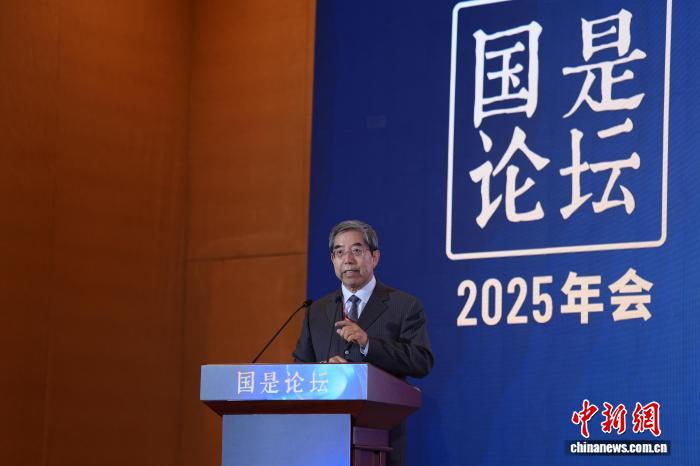
国务院发展研究中心原党组书记马建堂:“投资于人”要更着力于低收入群体、困难群体
Ge Long Hui· 2025-12-16 04:37
Core Viewpoint - The emphasis on a "people-centered" approach in the 20th Central Committee's Fourth Plenary Session recommendations highlights the need to integrate investments in both material and human resources more closely [1] Group 1: Economic Development - The recommendations outline various tasks related to achieving common prosperity for the people, focusing on narrowing income distribution gaps [1] - It is essential to remember that high-quality development must solidly promote common prosperity [1] Group 2: Efficiency and Fairness - The relationship between production and distribution must be correctly managed, prioritizing efficiency while also paying more attention to fairness [1] - The recommendations stress the importance of balancing the "raising" and "lowering" aspects of economic policies, particularly focusing on low-income and disadvantaged groups in social welfare investments [1]
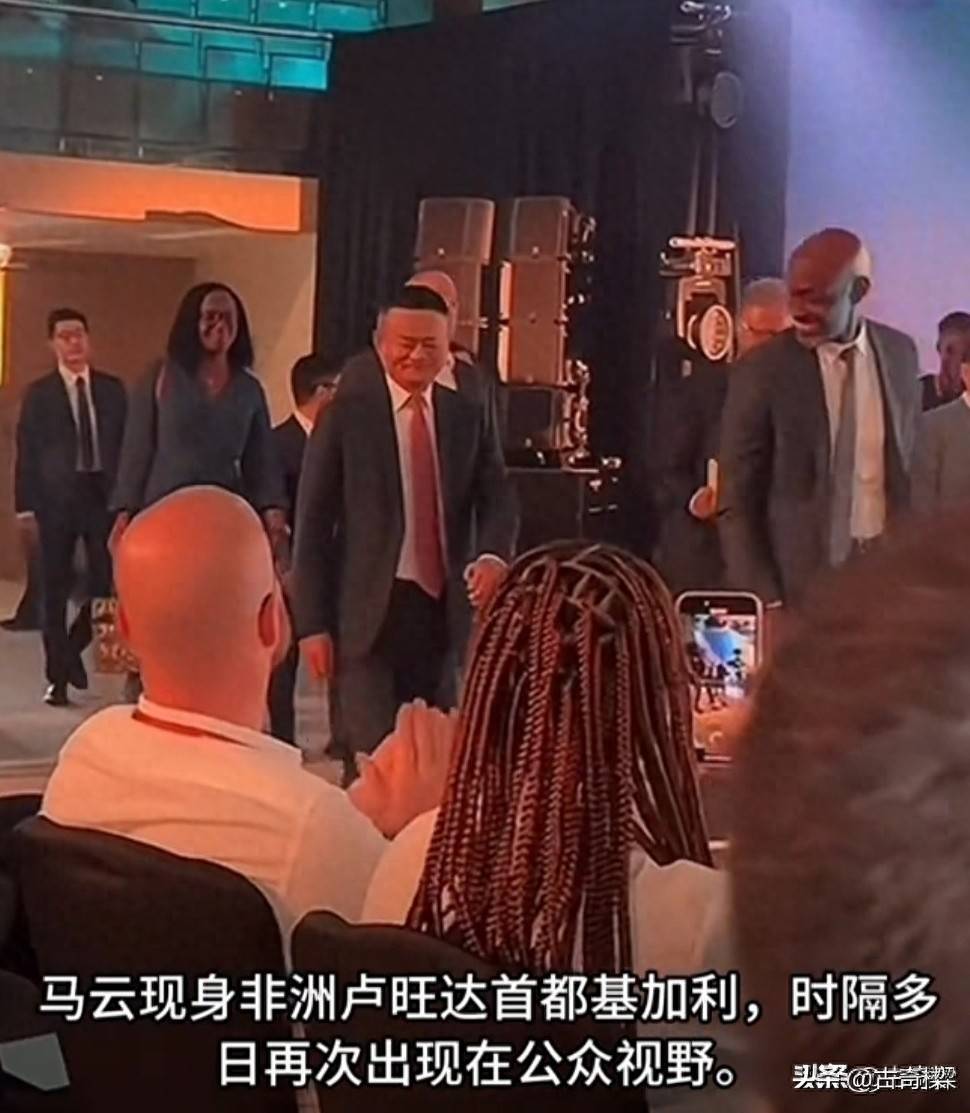
干大事!马云现身非洲卢旺达与总统卡加梅会面,注定会被历史留名
Sou Hu Cai Jing· 2025-12-16 03:44
Core Insights - Jack Ma is actively engaging in significant initiatives in Africa, contrary to expectations of a leisurely retirement, highlighting his commitment to global development [1][5] - His recent meeting with Rwandan President Kagame emphasizes a focus on empowering African entrepreneurs and fostering economic growth [1][7] Group 1: Jack Ma's Vision and Initiatives - Jack Ma aims to leverage Chinese technology and experience to assist small and medium enterprises in Africa, promoting a vision of shared prosperity that extends beyond specific regions [5][9] - The African Business Heroes (ABH) project, which provides $1.5 million in investment grants to top finalists, exemplifies a self-sustaining model rather than mere charity [7][9] - Since its launch in 2019, the ABH project has engaged nearly 100,000 entrepreneurs across 54 African countries, with 40% of participants being women [7] Group 2: Economic Impact and Future Prospects - The initiative has facilitated the entry of local Rwandan products into Chinese markets, significantly increasing local farmers' incomes and creating over 120,000 direct jobs, benefiting more than 40 million people [9][10] - Jack Ma's commitment to visiting all 54 African countries has resulted in tangible contributions to talent development, with numerous African entrepreneurs receiving training in China [9] - The collaboration between Africa and China, as articulated by Ma, transcends commercial interests, aiming to instill dignity through product exchange and foster long-term economic growth [10]

消费供需四象限策略剖析
2025-12-16 03:26
Summary of Conference Call Records Industry Overview - The conference call discusses the **domestic consumption market** in China, focusing on the **"2035 Income Doubling Plan"** aimed at increasing per capita GDP to over $20,000 by enhancing new productivity and achieving common prosperity through sectors like the semiconductor industry and healthcare systems [5][1]. Key Points and Arguments - **Wealth Effect and Consumer Recovery**: The recovery of consumption in the coming year is heavily reliant on the wealth effect, particularly among high-net-worth individuals. However, the purchasing power of the general public is constrained by salary structures and leverage capabilities, necessitating government intervention [1][6]. - **Challenges in the Consumption Market**: The current consumption market faces challenges such as: - **Salary Structure**: Companies are cutting costs and laying off employees to improve profit margins, which hampers salary growth for the middle class [3]. - **Leverage Issues**: Wealth concentration among the affluent increases, while the middle class struggles with mortgage pressures and slow income growth, limiting their borrowing capacity for consumption [3][8]. - **High-End Consumption Recovery**: The high-end consumption market is gradually recovering, with notable performance in high-end hotels, luxury cruises, and the gaming industry, indicating a positive trend in high-end consumer spending [3][22]. Important Insights - **CPI and Transfer Payments**: In 2026, key factors to watch include CPI expectations, transfer payments, and the wealth effect, particularly in high-end consumption sectors like medical aesthetics, which may benefit from stock market performance [9][6]. - **Tax Policy Impact**: Shifting from value-added tax to consumption tax could encourage local governments to stimulate consumption, supporting long-term economic goals despite short-term pressures on consumers [10][11]. - **Global Trade and Domestic Demand**: The uncertain global trade environment has highlighted the importance of domestic demand as a strategy to ensure stable GDP growth, especially in light of poor export data and weakening overseas PMIs [12]. Sector-Specific Developments - **Pet Food Sector**: The pet food sector has shown strong performance, with a three-year compound growth rate reaching two times, although profit margins remain low. The sector is driven by significant marketing efforts on platforms like Douyin and Tmall [14]. - **Hotel Industry**: The chain hotel industry is moving towards a more favorable investment phase, with average prices rising due to the recovery of high-end consumption post-pandemic [15]. - **Duty-Free Industry**: The duty-free sector is expected to improve as foreign cosmetic brands show growth, indicating a recovery in high-end consumption [16]. - **Medical Aesthetics**: The medical aesthetics sector is experiencing a K-shaped recovery, with high-end consumers opting for premium services while lower-tier markets seek affordable options [21]. Future Investment Opportunities - **Timing for Investment**: The best time to invest in the consumption sector will be from the lunar new year until early March 2026, coinciding with high policy expectations and increased consumer spending during holiday periods [23]. - **Emerging Sectors**: Other sectors to watch include luxury cruises, sports events, elder care, and high-quality gaming, all of which show significant long-term growth potential [18][19]. Conclusion - The conference call highlights the complexities of the domestic consumption market in China, emphasizing the need for strategic government policies to address current challenges and stimulate recovery. The focus on high-end consumption and emerging sectors presents potential investment opportunities for the future.
萧山:瓜沥书写 “文化+乡村”新叙事
Hang Zhou Ri Bao· 2025-12-16 02:14
"时维孟冬,仰慕春暖。吾辈心怀炽热,情系先贤……"近日,萧山区瓜沥镇明朗村悠然响起《任伯 年先生诞辰185周年纪念赋》,声韵穿越时光,将今人的追思与先贤的风采紧紧相连。 任伯年出生于瓜沥,被徐悲鸿誉为"仇十洲后中国画家的第一人"。瓜沥一直重视传承和弘扬任伯年 先生的艺术成就和艺术人生,连续五届成功举办了"伯年国艺"主题画展和伯年文化艺术节等系列主题活 动,倾力打造这张享誉中外的文化金名片。今年适逢任伯年诞辰185周年,如何让伯年精神在当代赓续 焕新、如何以艺术温度赋能乡村振兴?一场以"文化+乡村"为主线的系列活动应势展开。 启动仪式后,"文化+乡村"分享研讨会汇聚学者与艺术家,共话艺术与乡土融合的可能。上海海派 书画院院长吴元京、任伯年艺术研究专家李仲芳、浙江大学城市学院副教授季靖等人,围绕艺术文脉的 延续与乡村文化的活化各抒己见。吴元京感慨,自己几乎每年皆因任伯年而来瓜沥,"每次皆有惊喜, 每次皆感震撼"。 同期,"伯年国艺"全国主题画展收藏作品展启幕,集中呈现五届画展的获奖佳作。自2018年起,在 中国美协的支持下,瓜沥持续打造这一国家级艺术品牌,使其成为贯通古今的文化桥梁。如今,坐落于 故乡的任伯年纪念 ...
杭淳开高速衢州段开工
Zhong Guo Xin Wen Wang· 2025-12-16 00:47
Core Viewpoint - The commencement of the Hangzhou-Chuzhou Expressway's Chuzhou section marks the beginning of a significant infrastructure project aimed at enhancing economic connectivity between Zhejiang and Jiangxi provinces, contributing to regional development and prosperity [1][4]. Group 1: Project Overview - The Hangzhou-Chuzhou Expressway is a crucial part of the national expressway network G25 and is included in Zhejiang's comprehensive transportation planning [1][2]. - The Chuzhou section of the expressway spans approximately 61.1 kilometers, designed as a dual four-lane highway with a speed limit of 100 km/h and a total estimated investment of 136.5 billion yuan [2]. - The project is expected to be completed by the end of 2029, serving as a vital artery for regional economic and social development [4]. Group 2: Economic and Social Impact - The expressway will facilitate better access to key areas in Zhejiang, enhancing connectivity to major cities and regions, thus promoting local economic growth [2][3]. - It aims to improve transportation for agricultural products from the mountainous areas, supporting rural revitalization and increasing farmers' incomes [3]. - The project is anticipated to create a significant economic corridor that integrates tourism and local industries, enhancing the overall development of the region [2][3]. Group 3: Environmental and Technological Considerations - The project incorporates green and eco-friendly principles throughout its construction, aiming to minimize ecological disruption, particularly to local forest ecosystems [3]. - It employs advanced construction technologies, including the establishment of a "smart construction site" to enhance efficiency and safety in the building process [3].