供应链中断

Search documents
DLSM外汇:美国小企业面临供应链中断风险 美联储的警告有何意味?
Sou Hu Cai Jing· 2025-05-16 07:41
Core Insights - The warning from Federal Reserve official Barr highlights the potential economic slowdown and rising inflation due to supply chain disruptions related to tariffs [1][4][7] - Small businesses play a crucial role in the supply chain and overall economy, but they are particularly vulnerable to disruptions due to limited resources and access to credit [3][5][6] Supply Chain Disruption Risks - Supply chain disruptions can lead to raw material shortages, production delays, and increased costs, significantly impacting profitability, especially for small businesses [3][4] - Small businesses are more susceptible to these challenges due to their limited financial resources and reliance on a narrow supplier and customer network [5][6] Economic Growth and Inflation Pressures - Supply chain disruptions may result in a dual pressure of slowing economic growth and rising inflation, posing significant challenges to the U.S. economy [4][6] - Rising costs from supply chain issues could be passed on to consumers, increasing price levels and potentially leading to reduced production or layoffs [4][6] Importance and Vulnerability of Small Businesses - Small businesses are essential for providing specialized inputs that are not easily sourced elsewhere, making their stable operation vital for supply chain integrity [5][6] - The limited access to credit for small businesses further restricts their ability to navigate crises, increasing the risk of closures and further supply chain disruptions [6] Uncertainty in Trade Policy - The uncertainty surrounding trade policies increases operational costs and unpredictability for businesses, complicating long-term production and investment planning [7] - This uncertainty may lead to delayed investments and hiring, negatively affecting economic growth and stability [7]


美联储巴尔:关税致供应链中断或推高通胀,中小企业生存风险加剧
智通财经网· 2025-05-15 23:49
Core Viewpoint - The speech by Federal Reserve Governor Michael Barr highlights the potential risks to the U.S. economy from trade policy adjustments, particularly regarding supply chain disruptions that could lead to both economic slowdown and increased inflationary pressures [1][2] Group 1: Economic Impact - Despite the current robustness of the U.S. economy, trade policy changes could trigger significant supply chain volatility that warrants close attention [1] - Barr emphasizes that small and medium-sized enterprises (SMEs) play a critical role in the economic system, serving as essential nodes in supply chains and providing specialized production factors [1] - Historical experiences indicate that supply chain disruptions can have multiplier effects, as seen during the COVID-19 pandemic, where shortages led to prolonged industry shutdowns and persistent price fluctuations [1] Group 2: Risks to SMEs - SMEs are particularly vulnerable to risks due to limited access to credit and insufficient financial reserves, making them more susceptible to operational pressures in the event of supply chain interruptions [1] - If trade policy uncertainties continue, similar scenarios to those experienced during the pandemic could reoccur, potentially weakening economic growth momentum and exacerbating inflationary pressures [1] Group 3: Policy Recommendations - While Barr did not specify direct policy measures, he stressed the importance of policy transparency and stable expectations, urging that trade policies should consider their impact on microeconomic entities, especially SMEs [2] - The current economic landscape in the U.S. is characterized by dual challenges of inflationary pressures and slowing growth, reflecting concerns about the spillover effects of trade policies [2] - The trajectory of this policy debate may significantly influence the Federal Reserve's future monetary policy decisions [2]
美联储巴尔:供应链中断或导致通胀上升
news flash· 2025-05-15 19:51
美联储巴尔:供应链中断或导致通胀上升 金十数据5月16日讯,美联储巴尔表示,美国经济基础稳固,但他警告称,与关税相关的供应链中断可 能导致经济增长放缓和通胀上升。巴尔强调了小企业的重要性,以及它们在供应链和整体经济中的作 用。他表示,贸易政策给前景蒙上了阴影,增加了不确定性。对小企业来说,潜在的供应链中断"尤其 严重",部分原因是它们获得信贷的机会较少。他补充道,小企业通常提供不易从其他地方获得的专业 投入,而企业倒闭可能会进一步扰乱供应链。 ...
斯蒂芬·罗奇:一种更令人担忧的滞胀正在酝酿,全球衰退风险增加
Di Yi Cai Jing· 2025-05-11 12:33
Group 1 - The article discusses the emerging risks of stagflation in the U.S. and global economy, highlighting the potential for a prolonged economic downturn due to various factors, including supply chain disruptions and political influences on central banks [1][4] - It contrasts the current situation with the temporary supply chain issues experienced during the COVID-19 pandemic, indicating that the current stagflation could have more severe and lasting impacts on the economy and financial markets [1][3] - The article emphasizes the inefficiencies that may arise from the reorganization of global supply chains, which could lead to increased costs and prices globally, undermining the efficiency gains seen over the past decade [2][3] Group 2 - The politicalization of central banks, particularly the Federal Reserve, is highlighted as a significant concern, with references to former President Trump's criticisms and threats against the Fed's leadership, which could undermine its independence [3][4] - The article draws parallels between the current economic climate and the stagflation of the late 1970s, suggesting that a weak dollar and political pressure on monetary policy could exacerbate inflationary pressures [3][4] - The potential for retaliatory trade actions resulting from protectionist policies, such as tariffs, is discussed, with historical comparisons to the Smoot-Hawley Tariff Act and its devastating impact on global trade [5]
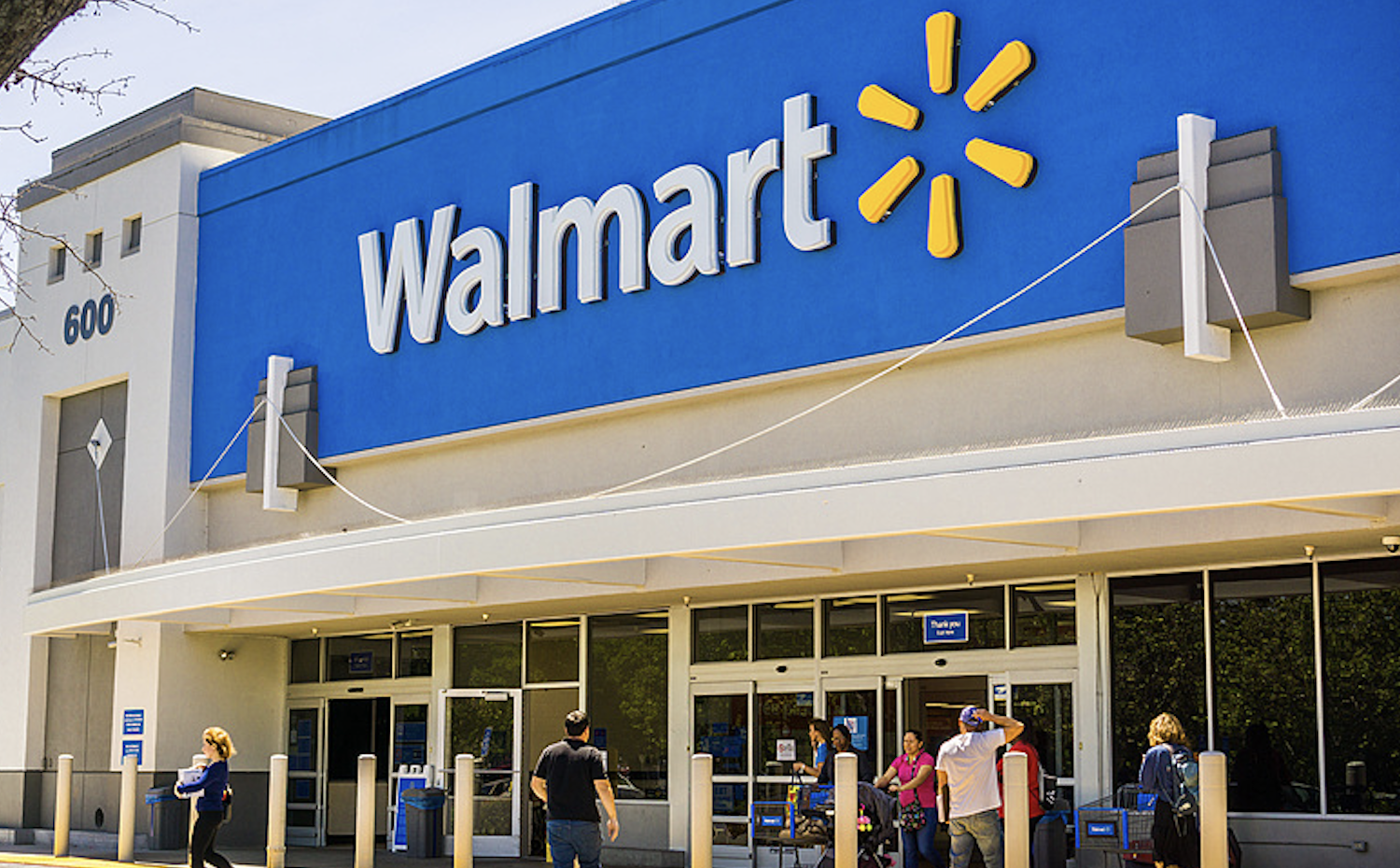
部分中国供应商按原价向美国恢复发货,但压价现象仍在
Xin Lang Cai Jing· 2025-04-29 09:48
Group 1 - The supply chain disruptions caused by Trump's tariff policies may be turning a corner, as some consumer goods companies have received notifications that U.S. customers will bear the tariff costs for shipments [1] - Jiangsu Huating Personal Care Products Co., which produces toothbrushes and dental floss for Walmart and other retailers, has not yet received orders from Walmart but has received orders from other U.S. clients at pre-tariff prices, with customers absorbing the tariff costs [1] - The competitive apparel industry is still facing pressure, with companies receiving emails demanding price reductions for shipments [2] Group 2 - A manager from Jiangsu Airi Apparel Co. reported that importers believe tariffs may be reduced by the end of May, with the burden shared among Chinese factories, importers, and Walmart, potentially requiring the company to absorb 20%-30% of the costs [2] - The company has 4 million pieces of orders on hand, with half currently backlogged due to previous demands for a 50% price reduction, leading to losses on raw materials [2] - Recent reports indicate that major retailers like Walmart have notified Chinese suppliers to resume shipments, with tariffs being paid by U.S. buyers [4] Group 3 - The U.S. flower industry is facing challenges due to rising costs of imported flowers and packaging materials, leading to price increases and loss of customers [5] - Major U.S. retailers have expressed concerns to President Trump about the negative economic impacts of the tariff policies, highlighting supply chain disruptions and potential empty shelves in stores [6] - A survey conducted by the China Council for the Promotion of International Trade revealed that nearly 50% of foreign trade companies plan to reduce their business with the U.S., while 75.3% intend to explore emerging markets to compensate for reduced exports to the U.S. [6]