
供应链中断

Search documents
集运早报-20260326
Yong An Qi Huo· 2026-03-26 01:46
Group 1: Report Industry Investment Rating - No information provided Group 2: Core Viewpoints of the Report - The EC2604 contract is expected to oscillate today due to the contradiction between its weak fundamentals and potential increase in fuel costs; the EC2610 contract follows the cost - support logic, and it is recommended to wait and see in the short term as it is far from now and there is a peak season in between. For other far - month contracts, the key lies in the blockade time of the Strait of Hormuz. Given the complex transmission path of the geopolitical event to the European line and high uncertainty, it is advised to avoid the high - volatility risk of far - month unilateral trading and look for arbitrage opportunities from the monthly spread valuation [3] Group 3: Summary by Relevant Catalogs Futures Contract Information - For EC2604, the closing price was 1803.0, with a decline of 5.05%, a basis of - 109.7, a trading volume of 18169, an open interest of 12060, and an open interest change of - 3207 [2] - For EC2605, the closing price was 2086.0, with a decline of 4.23%, a basis of - 392.7, a trading volume of 1146, an open interest of 1414, and an open interest change of - 155 [2] - For EC2606, the closing price was 2364.1, with a decline of 3.08%, a basis of - 670.8, a trading volume of 12555, an open interest of 12845, and an open interest change of FF60 [2] - For EC2607, the closing price was 2475.2, with a decline of 3.58%, a basis of - 781.9, a trading volume of 421, an open interest of 891, and an open interest change of - 22 [2] - For EC2608, the closing price was 2354.2, with a decline of 2.35%, a basis of - 660.9, a trading volume of 1120, an open interest of 2720, and an open interest change of - 108 [2] - For EC2609, the closing price was 1658.1, with a decline of 3.60%, a basis of 35.2, a trading volume of 84, and an open interest of 498 [2] - For EC2610, the closing price was 1567.9, with a decline of 0.32%, a basis of 125.4, a trading volume of 2222, an open interest of 7330, and an open interest change of - 172 [2] - For EC2612, the closing price was 1716.7, with a decline of 3.23%, a basis of - 23.4, a trading volume of 143, and an open interest of 503 [2] Month - spread Information - The EC2604 - 2606 month - spread was - 561.1, with a day - on - day change of - 20.8 and a week - on - week change of - 89.9 [2] - The EC2604 - 2605 month - spread was - 283, with a day - on - day change of - 3.7 and a week - on - week change of - 253.0 [2] - The EC2606 - 2610 month - spread was 796.2, with a day - on - day change of - 70.0 and a week - on - week change of - 28.4 [2] Spot Index Information - The TERNA spot index on 2026/3/23 was 1693.26 points, with a 8.79% increase from the previous period [2] - The SCFI (European line) on 2026/3/20 was 1636 dollars/TEU, with a 1.11% increase from the previous period [2] European Line Spot Situation - In Week 13, MSK opened flat at 2250 dollars, PA reported 2400 - 2500 dollars, and some voyages were 2200 dollars (2000 dollars for large orders), and the average spot price converted to the futures price was about 1700 - 1800 points [4] - In the first half of April, YML and ONE reported 2500 dollars, EMC reported 3160 dollars, and OOCL reported 3100 dollars [4] - Maersk reported 2650 dollars in Week 14 (a 400 - dollar increase from the previous week) and 2350 dollars in Week 15 (a 300 - dollar decrease from the previous week) [4] Related News - On March 25, COSCO Shipping resumed booking for Gulf countries, but ships will not pass through the Strait of Hormuz for now. Instead, they will transport containers to ports on the east side of the strait and then transfer them by land [5] - On March 25, Iran put forward five conditions for a cease - fire [5] - On March 25, US media reported that the White House was planning a negotiation with Iran over the weekend, and US Vice - President Vance might attend [5] - On March 26, White House Press Secretary Levitt reiterated that the time frame for Iran's actions was 4 to 6 weeks, and Iran was willing to have a dialogue while Trump was ready to participate [5]
市场在交易什么
SINOLINK SECURITIES· 2026-03-22 12:07
Group 1: Market Perception of the US-Iran War - The market's perception of the US-Iran war has shifted from a quick resolution to a prolonged conflict, leading to significant macroeconomic impacts[2] - Initial optimism was based on the previous "Twelve-Day War" and Trump's favorable TACO record, resulting in continued capital inflow into US stocks and a lack of inflation pricing in US bonds[2] - Recent trading has shown a "compensatory correction," with macroeconomic volatility exceeding changes in the war's status, indicating diminishing marginal utility of Trump's TACO[2] Group 2: Economic Implications - If the war becomes a protracted conflict, it will affect global energy, supply chains, inflation, asset pricing, and the reassessment of great power security premiums[6] - Energy prices have surged, with WTI crude oil increasing approximately 47% and Brent crude rising about 55% since February 28[6] - The US economy is struggling to return to a 2% inflation rate in a non-recession environment, with nominal employment growth at 5% showing zero real growth[14] Group 3: Risks and Challenges - Risks include uncertainty in Trump's military policy, potential energy shortages leading to a global recession, and rapid shifts in global central bank policies causing second-round inflation risks[4][17] - The bond market is showing signs of "giving up on fantasies," with the 2-year US Treasury yield surpassing the upper bound of the federal funds rate range, indicating market skepticism about future rate cuts[6] - The tightening liquidity environment has led to significant asset price volatility, with commodities, bonds, and equities all facing downward pressure[12]
中东战火点燃化工涨价链,巴斯夫再发提价公告,部分产品涨幅达30%
Feng Huang Wang· 2026-03-18 11:34
Core Viewpoint - The ongoing conflict in the Middle East is significantly impacting global prices, prompting BASF to announce price increases of up to 30% for its household care, industrial and institutional cleaning (I&I), and industrial formulation products in Europe [1][3]. Group 1: Price Increases - BASF has stated that the price adjustments will take effect immediately and may be implemented gradually according to existing contracts [3]. - The price increase affects a wide range of products, including surfactants, enzymes, water-soluble polymers, emulsifiers, stabilizers, biocides, optical brighteners, and moisturizers, as well as customized formulations using various industrial raw materials [3]. - The reasons for the price hikes include significant fluctuations in key raw material prices and supply, rising domestic and cross-continental logistics costs, and substantial increases in packaging and energy costs [3]. Group 2: Supply Chain Concerns - The supply chain disruptions are attributed to the recent outbreak of conflict, specifically the war involving the U.S., Israel, and Iran [3]. - BASF had previously announced a price increase of up to 20% for its antioxidant, processing stabilizer, and light stabilizer products used in plastic applications due to rising costs of key raw materials and shipping [3]. - The German Chemical Industry Association (VCI) has warned of early signs of supply chain disruptions, particularly concerning the supply of ammonia, phosphate fertilizers, helium, and sulfur due to the blockade of the Strait of Hormuz [3]. Group 3: Financial Outlook - Prior to the renewed conflict, BASF had already issued a warning regarding its performance for 2026, indicating that adjusted operating profit may only see slight increases or declines in a challenging market environment [4]. - The company expects adjusted EBITDA for 2026 to be between €6.2 billion and €7 billion, compared to €6.6 billion for the fiscal year 2025 [4].


“我的两艘船在波斯湾飘着”
汽车商业评论· 2026-03-12 23:05
Core Viewpoint - The article discusses the impact of the recent military conflict between the US, Israel, and Iran on the Chinese automotive export market, particularly focusing on the disruptions faced by Chinese car manufacturers in the Middle East due to the conflict [3][4][21]. Group 1: Impact on Automotive Exports - The UAE, as a significant market for Chinese automotive exports, imported 567,000 vehicles from China last year, making it the third-largest destination for Chinese car exports [4][19]. - The conflict has led to a halt in operations for Chinese automotive dealers in Dubai, with many switching to remote work, severely affecting sales [4][9]. - A large number of vehicles en route to the Middle East are facing delivery delays due to shipping disruptions, with shipping companies either halting operations or imposing high war risk surcharges [4][10][12]. Group 2: Shipping and Logistics Challenges - The blockade of the Strait of Hormuz by Iran has created significant logistical challenges, as it is a crucial route for shipping vehicles to the Middle East [10][22]. - Shipping costs have surged, with the price to transport a vehicle to Europe increasing from approximately $1,500 to over $3,000 due to rerouting around the Cape of Good Hope [21]. - The blockade has also affected the supply chain for essential automotive components, with potential increases in raw material costs by 15% to 25% if the situation persists [22][23]. Group 3: Market Reactions and Future Outlook - Companies like Geely have shifted focus from the Middle East to markets like Canada, which recently opened up for Chinese electric vehicle exports [5][4]. - The conflict has prompted some Chinese automakers to announce price increases for their vehicles due to rising costs of raw materials and logistics [24]. - Analysts predict that the geopolitical tensions will have long-lasting effects on the automotive supply chain, similar to past disruptions caused by geopolitical events [30][31].
The Strait of Hormuz Is an 'Acute Vulnerability' for Global Trade. Here's What You Need to Know.
Investopedia· 2026-03-12 21:40
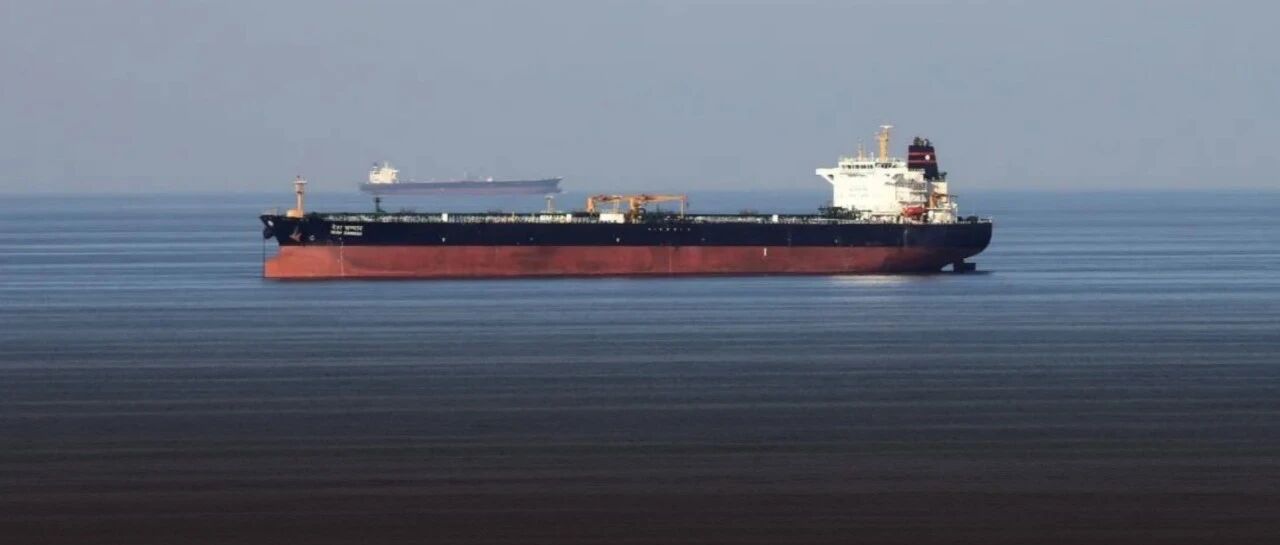
Group 1 - The Strait of Hormuz is a critical chokepoint for global trade, with approximately 30% of the world's fertilizer passing through it, highlighting its acute vulnerability amid ongoing conflicts in the region [1] - Iran's Supreme Leader Mojtaba Khamenei has pledged to continue blocking the Strait of Hormuz, which could lead to significant supply-chain disruptions depending on the duration of the conflict [1] - The International Energy Agency (IEA) plans to release 400 million barrels of oil from reserves to mitigate supply shortages, but experts indicate that there is insufficient spare capacity to fully address potential shortfalls [1] Group 2 - Oil prices have surged, with Brent crude futures rising about 8% to around $100 per barrel, indicating a supply shock that is challenging to resolve [1] - The effective closure of the Strait of Hormuz is expected to impact consumer spending, particularly as it coincides with the spring planting season, potentially leading to increased food prices due to higher fertilizer costs [1] - U.S. Energy Secretary Chris Wright stated that operations in Iran will take weeks to stabilize, and the U.S. is currently not prepared to escort tankers through the strait, adding to market uncertainty [1]

国泰航空利润增长,预计客运量将增加
Xin Lang Cai Jing· 2026-03-11 08:32
Core Viewpoint - Cathay Pacific has reported strong profitability despite potential disruptions from the Middle East conflict, with expectations for double-digit growth in passenger capacity. Financial Performance - The company reported a net profit of HKD 10.83 billion (approximately USD 1.38 billion), a year-on-year increase of 9.5%, primarily due to a non-recurring gain of approximately HKD 878 million from a supplier settlement [1][6] - Annual revenue increased by 12% to HKD 116.77 billion, exceeding analyst expectations of HKD 9.32 billion in net profit and HKD 113.96 billion in revenue [5][1] - The second half of the year saw a strong net profit performance, growing 14% to HKD 7.18 billion, nearly doubling compared to the first half [2][7] Passenger and Cargo Metrics - Annual passenger revenue grew by 16%, with the passenger load factor increasing from 83.2% to 85.2% [3][8] - The company anticipates a 10% increase in passenger capacity by 2026, driven by increased flight frequencies and new destinations [9] Operational Outlook - Cathay Pacific plans to receive eight new narrow-body aircraft this year, although supply chain disruptions and cost inflation are expected to impact the delivery of new aircraft, cabin products, and components [9] - In response to rising fuel costs, the company will hedge part of its expected fuel consumption to mitigate exposure to short-term price fluctuations [9] - The chairman noted that the current global geopolitical environment is causing unexpected volatility in passenger and cargo traffic, as well as aviation fuel prices [9]

中金 • 全球研究 | 中东冲突如何影响东南亚市场?
中金点睛· 2026-03-10 00:05
Group 1: Core Views - The recent tensions in the Middle East have heightened geopolitical risks, leading to increased market volatility and a shift in capital flows towards Southeast Asia, which may enhance the resilience of certain industries in the region [2][3] - The crisis is expected to bring inflationary pressures and supply chain disruptions, but it may also lead to a reconfiguration of capital, with foreign equity capital likely flowing into Southeast Asia as companies seek stable and high-growth alternative markets [2][3] Group 2: Macroeconomic Insights - Indonesia is expected to benefit from rising commodity prices, particularly in precious metals, coal, and palm oil, which may boost government revenues [3] - Malaysia is positioned as a "dark horse" due to its status as a net energy exporter and its focus on developing data centers and semiconductor industries, which could attract foreign investment [3] - Singapore may emerge as a safe haven for capital, with potential inflows from the Gulf region and a strong performance of local financial institutions and the Singapore dollar [3] - Thailand faces a mixed outlook, with rising oil prices benefiting energy stocks but potentially harming its tourism sector [3] - Vietnam's prospects are uncertain, facing input inflation pressures but also the possibility of renewed foreign direct investment due to its integration into global supply chains [3] - The Philippines may be more vulnerable due to its heavy reliance on remittances from overseas workers, particularly in the Middle East, and rising oil prices could exacerbate its trade deficit [3] Group 3: Investment Strategies - The investment landscape in Southeast Asia is showing clear differentiation, with a recommendation for investors to focus on companies with pricing power and those benefiting from rising commodity prices, while avoiding sectors heavily reliant on fuel and raw material costs [4] - Companies in the energy, commodities, and food sectors, as well as large regional conglomerates and strong financial institutions, are identified as potential safe havens [4] - Conversely, sectors such as transportation and logistics, consumer goods manufacturing, and discretionary retail are seen as facing significant risks due to rising input costs [4] Group 4: Sectoral Analysis - Energy and commodity companies in Indonesia and Malaysia are expected to perform well due to their status as net exporters, with rising prices for agricultural products, oil, and metals likely benefiting their profitability [13] - Large diversified groups and leading financial institutions are viewed as safer investments during market volatility, as they can absorb cost increases across various sectors [13] - Strong consumer brands with pricing power are likely to maintain market share despite rising costs, as they can pass on some of the inflationary pressures to consumers [13] Group 5: Risks and Challenges - The transportation and logistics sectors, particularly airlines, are highly sensitive to fuel price increases, which could compress profit margins despite potential cost pass-through mechanisms [14] - Consumer goods manufacturers, especially in food and beverage, may struggle to fully transfer rising costs to price-sensitive consumers, impacting their profitability [14] - The automotive sector may face demand pressures as rising fuel prices affect disposable income, leading to potential declines in sales [14]

U-Haul pany(UHAL) - 2026 Q3 - Earnings Call Transcript
2026-02-05 16:02
Financial Data and Key Metrics Changes - The company reported a third-quarter loss of $37 million compared to earnings of $67 million in the same quarter last year, resulting in a loss of $0.18 per non-voting share versus earnings of $0.35 per share previously [9] - Adjusted EBITDA for the moving and storage segment decreased by 11%, approximately $42 million, reflecting a similar decline in operating cash flows for the quarter [9][10] - A significant loss of $26 million was reported on the disposal of retired rental equipment, contrasting with a $4 million gain in the previous year [10] - Total capital expenditures for new rental equipment in the first nine months of the year were $1.748 billion, an increase of $162 million compared to the same period last year [12] Business Line Data and Key Metrics Changes - Equipment rental revenues increased by $8 million, just under 1% compared to the same time last year, primarily from the in-town portion of the business [11] - Storage revenues rose by $18 million or 8% for the quarter, with average revenue per foot improving by just under 7% [13] - Same-store occupancy decreased by 490 basis points to just over 87%, attributed partly to the removal of delinquent units [13][14] Market Data and Key Metrics Changes - The company added 65 new company-operated locations and had a net increase of 365 independent dealers, which is expected to help distribute the larger fleet and increase transactions [11][12] - U-Box presence expanded to over 700 locations in North America, with over 200,000 containers in service [6][7] Company Strategy and Development Direction - The company is working on a plan to open more U-Haul dealership locations to utilize excess fleet capacity while earning a return [4] - There is a focus on improving the rate of rented units through various initiatives, especially in the self-storage segment [5] - The company continues to invest heavily in digital tools to meet customer expectations [7] Management's Comments on Operating Environment and Future Outlook - Management acknowledged that excessive acquisition costs of vans and pickups have significantly impacted earnings, leading to increased depreciation and losses on sales [4] - The company is optimistic about future cargo van purchases being at a lower average cost, which may help mitigate some financial pressures [11] - Management expressed confidence in the self-storage industry, noting that they have been adding units faster than they are renting them, but are implementing strategies to improve occupancy rates [5][13] Other Important Information - Operating expenses for moving and storage increased by $66 million for the third quarter, with personnel costs and self-insurance liability costs being significant contributors [17] - The company has $1.475 billion in cash and available loan facilities as of December 2025 [17] Q&A Session Summary Question: Discussion on pressures in the one-way market and U-Box program - Management noted that consumer anxiety leads to shorter transaction distances, affecting the one-way rental market and U-Box usage [23][24] Question: Clarification on depreciation changes - Management explained that depreciation rates for box trucks decrease over time, while adjustments for pickup and cargo vans are made based on resale market conditions [26][27] Question: Capacity reductions from competitors - Management indicated that competitors are reducing fleet and locations, positioning the company to fill demand when the market improves [31][33] Question: Expense management and future structure - Management is focused on budget control and expects to see results in the current and next calendar year, while also addressing rising personnel costs [39][40] Question: U-Box warehouse capacity in major markets - Management confirmed ongoing construction and property ownership in key metro areas to enhance U-Box capacity [46][51] Question: Thoughts on crystallizing value for shareholders - Management acknowledged the proposal to sell well-occupied facilities to realize value but expressed caution about potential future market conditions [78][80]

谷物期货大多走高,美伊关系紧张
Jin Rong Jie· 2026-01-30 15:37
Group 1 - Grain futures mostly rose due to market concerns that a potential war between the U.S. and Iran could disrupt supply chains [1] - Wheat continued its upward trend driven by geopolitical tensions, while corn was boosted by President Trump's support for increasing ethanol content in gasoline [1] - Soybeans fell due to expectations of a bumper crop in Brazil [1] Group 2 - On the macroeconomic front, wholesale inflation exceeded expectations, and the market believes that Kevin Warsh, Trump's nominee for Federal Reserve Chairman, is unlikely to accelerate interest rate cuts [1] - This supported the U.S. dollar and tempered the rise in metal prices [1] - In the Chicago futures market, soybeans dropped by 0.6%, corn rose by 0.5%, and wheat increased by 0.2% [1]
?“安世半导体事件”余波未散! 汽车缺芯警报再响 本田按下汽车生产暂停键
Zhi Tong Cai Jing· 2025-12-18 04:45
Core Viewpoint - The ongoing semiconductor supply crisis, exacerbated by geopolitical tensions surrounding Nexperia, has led Honda to temporarily halt production in Japan and certain Chinese factories, highlighting the persistent impact of the "Nexperia incident" on the automotive industry [1][2][4]. Group 1: Honda's Production Impact - Honda plans to suspend automobile production in Japan on January 5 and 6, with its joint venture in China, Guangqi Honda, also set to halt operations from December 29 to January 2 [1]. - The company has revised its sales forecast down from 3.62 million units to 3.34 million units due to the semiconductor shortage caused by Nexperia [2]. - Honda's stock price fell over 3% in Tokyo, reflecting investor concerns about the ongoing supply chain disruptions [1]. Group 2: Geopolitical Factors - The Dutch government initiated measures against Nexperia, citing governance issues and concerns over the availability of critical chip production capabilities, which led to a significant disruption in the supply chain [3][4]. - Following the Dutch intervention, China imposed export controls on Nexperia, further complicating the supply chain and leading to shortages of essential automotive components [3]. Group 3: Structural Supply Chain Issues - The automotive industry is characterized by a "just-in-time" production model, where the absence of even a single component can halt production lines, amplifying the impact of the semiconductor shortages [4][5]. - The current situation reflects a dual state of "structural surplus and structural shortage" within the automotive semiconductor supply chain, complicating recovery efforts [4]. - Short-term alternatives for semiconductor sourcing are limited due to the need for revalidation and certification of components, which adds to the complexity of the supply chain [5].
