
军国主义

Search documents
视频丨多国人士:日本错误言论扰动地区局势 损害自身利益
Yang Shi Xin Wen Ke Hu Duan· 2025-12-26 00:25
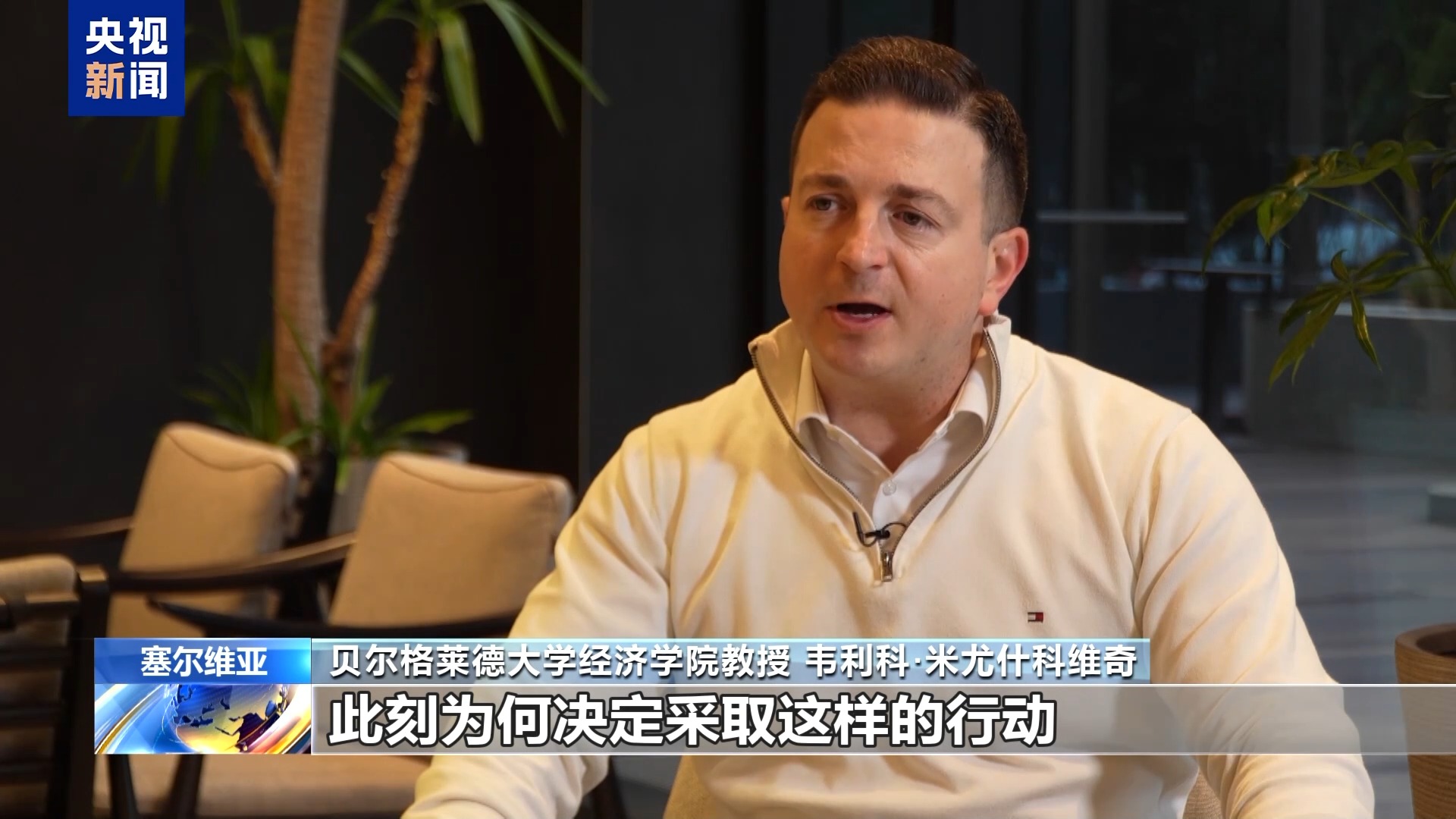
贝尔格莱德大学经济学院教授韦利科·米尤什科维奇:我无法理解日方此刻为何决定采取这样的行动,尤其考虑到二战期间的负面后果以及战后重塑形象的 必要性,任何形式的军事紧张局势对日本都不利。日方这类言论会加剧紧张局势,而紧张局势和不确定性对全球经济不利,也会对整个地区产生负面影响。 我认为,无论如何都必须阻止这种局面。 哥伦比亚大学教授杰弗里·萨克斯:事实上过去十年间,日本不断背离和平主义,军国主义抬头,增加军费开支,日方言论更加强硬。在我看来,这些做法 都不符合日本自身的利益。军国主义是危险的,在当今世界不应有任何立足之地。 针对日本首相和官员近期在涉台、涉核问题上的错误言论,多国人士表示日本此类表态和举动扰动地区局势,最终将损害日本自身利益,国际社会也应对日 本复活军国主义的倾向保持高度警惕。 尼日利亚中国研究中心主任查尔斯·奥努纳伊朱:在我看来,日本首相近期言论是对中国内政的挑衅和干涉,1971年在联合国大会上,国际社会已达成共 识,台湾问题是中国的内政,因此任何提及台海局势,可能对日本构成威胁的言论,都是对中国内政的干涉。我认为世界各国应该保持高度警惕,各地区组 织及国际组织更应再次发声,坚决杜绝日本重蹈覆辙 ...

除恶不尽后患无穷 姑息纵容必遭反噬
Xin Lang Cai Jing· 2025-12-25 22:29
Group 1 - The core viewpoint emphasizes the need for peace-loving nations to act against Japan's right-wing forces to prevent a resurgence of militarism and historical tragedies [1][2] - Japan's Prime Minister, Fumio Kishida, has mentioned the possibility of Japan acquiring nuclear submarines and not ruling out nuclear weapons, which raises concerns about Japan's military intentions [1][2] - The Japanese Ministry of Defense has reported a rapid increase in China's defense spending and plans to deploy mobile radar systems in Okinawa by 2026, which is perceived as a threat by Japan [1] Group 2 - Japan is reportedly planning to set a defense budget of up to 9 trillion yen for the fiscal year 2026, focusing on developing long-range strike capabilities and space operations, marking a historical high [2] - The spokesperson highlighted that Japan's actions contradict international obligations and its own constitutional commitments, raising questions about Japan's credibility and intentions [2] - There is a call for the international community to unite against Japan's right-wing forces and to uphold the outcomes of World War II and the post-war international order to maintain global and regional peace [2]
社评:日本已成国际社会麻烦制造者
Xin Lang Cai Jing· 2025-12-25 16:20
Core Viewpoint - The Japanese government is signaling a shift towards militarization and potential nuclear capabilities, which poses a challenge to the post-World War II international order [1][2][4] Group 1: Military Policy Changes - Prime Minister Fumio Kishida has indicated that Japan does not rule out the introduction of nuclear submarines and is accelerating the revision of security documents to prepare for potential long-term military conflicts [1] - Defense spending has been raised to over 2% of GDP, and there are plans to relax weapon export restrictions, indicating a shift towards a more aggressive military posture [2] - The ruling Liberal Democratic Party is reportedly in agreement to amend the "Three Principles on Transfer of Defense Equipment," aiming to fully open up the export of lethal weapons [2] Group 2: Diplomatic Maneuvers - The Japanese government is employing a dual diplomatic strategy, claiming openness to dialogue with China while simultaneously provoking tensions over Taiwan [3] - A significant number of Japanese lawmakers are expected to visit Taiwan, and former military officials are taking advisory roles in Taiwan's government, which breaches official diplomatic boundaries [3] Group 3: Regional Tensions - Japan's actions are seen as attempts to disrupt regional unity and serve as a pawn for external intervention, particularly in disputes over territories like the Dokdo and the Southern Kuril Islands [4] - The aggressive stance of the Kishida administration is accelerating regional crises and could lead to Japan's isolation [4] - Historical lessons indicate that the resurgence of militarism could bring severe consequences for both the region and the world [4]
中国国防部:坚决遏阻日本右翼势力为军国主义招魂
Xin Lang Cai Jing· 2025-12-25 12:15
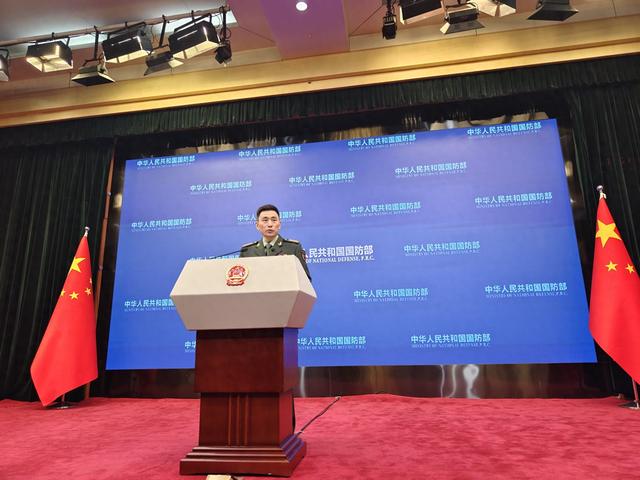
中新社北京12月25日电 (记者 李纯 郭超凯)中国国防部25日举行例行记者会,新闻发言人张晓刚表示, 中方呼吁所有爱好和平的国家和人们行动起来,坚决遏阻日本右翼势力为军国主义招魂,避免让世界陷 入动荡不安、历史悲剧重演。 有记者问,据报道,日本首相高市早苗谈及"拥有核潜艇"问题时称,"不排除任何选项",日首相官邸官 员此前称日本应当拥有核武器。此外,日防卫省发布报告称,中国国防开支"迅速增长"并加强在日周边 活动,还拟于2026年在冲绳部署移动雷达装置,监视中方航母等军事行动。请问发言人有何评论? 张晓刚指出,中国国防支出合理适度,占国内生产总值比重低于世界平均水平;中国军队在相关海域行 动符合国际法和国际实践,不容任何干扰挑衅。中方敦促日方停止虚假叙事,停止对中方搞针对性部 署,对一切滋扰挑衅行径,中方将依法依规予以坚决反制。 张晓刚说,近年来,日本千方百计推进"再军事化",在扩军备武道路上狂飙突进,复活军国主义警兆愈 发显著。为掩盖不轨图谋,日本常常拿中国说事,此前高市首相就涉台问题发表错误言论,现在右翼势 力又扯下伪善面目鼓吹拥核,冒天下之大不韪,试探国际正义底线,这是对战后国际秩序与核不扩散体 系的 ...
国防部:日本千方百计推进“再军事化”,复活军国主义警兆愈发显著
Xin Lang Cai Jing· 2025-12-25 08:10
有记者问,据报道,日本首相高市早苗谈及"拥有核潜艇"问题时称,"不排除任何选项",日首相官邸官 员此前称日本应当拥有核武器。此外,日防卫省发布报告称,中国国防开支"迅速增长"并加强在日周边 活动,还拟于2026年在冲绳部署移动雷达装置,监视中方航母等军事行动。请问发言人有何评论? 张晓刚说,中国国防支出合理适度,占国内生产总值比重低于世界平均水平;中国军队在相关海域行动 符合国际法和国际实践,不容任何干扰挑衅。我们敦促日方停止虚假叙事,停止对中方搞针对性部署, 对一切滋扰挑衅行径,中方将依法依规予以坚决反制。 转自:北京日报客户端 国防部12月25日下午举行例行新闻发布会,发言人张晓刚大校回答记者提问。 他指出,近年来,日本千方百计推进"再军事化",在扩军备武道路上狂飙突进,复活军国主义警兆愈发 显著。为掩盖不轨图谋,日本常常拿中国说事,此前高市首相就涉台问题发表错误言论,现在右翼势力 又扯下伪善面目鼓吹拥核,冒天下之大不韪,试探国际正义底线,这是对战后国际秩序与核不扩散体系 的公然挑衅,对地区和国际和平稳定的严重威胁,对日本宣扬"走和平发展道路"的完全背离。我们呼吁 所有爱好和平的国家和人们行动起来,坚决遏 ...
公然鼓吹“拥核” 日本到底想干什么?
Yang Shi Xin Wen· 2025-12-23 17:35
Core Viewpoint - Japan's recent political discourse surrounding nuclear weapons, particularly comments from high-ranking officials advocating for nuclear armament, raises significant concerns about the country's security policy and its historical stance on nuclear weapons [1][18]. Group 1: Nuclear Weapon Advocacy - A senior official from Japan's Prime Minister's office stated on December 18 that "Japan should possess nuclear weapons," which has sparked widespread criticism [1]. - The ruling party, led by Prime Minister Kishi, is reportedly exploring modifications to Japan's "Three Non-Nuclear Principles," particularly the principle against the introduction of nuclear weapons [3][19]. - The Hiroshima Prefectural Assembly unanimously passed a resolution urging the government to adhere to the "Three Non-Nuclear Principles," expressing concerns that any modification could lead to a repeat of the tragedies experienced in Hiroshima and Nagasaki [3]. Group 2: Security Threat Narratives - Japan's Defense Minister has been actively participating in military events and has emphasized the urgent need to strengthen defense capabilities in the southwestern region of Japan, aligning with the narrative of heightened security threats [4][21]. - The recent military activities and rhetoric from Japanese officials are seen as part of a broader strategy to justify the push for nuclear armament and the relaxation of weapon export restrictions [1][9]. Group 3: Weapon Export Policy Changes - Japan has been progressively relaxing its weapon export restrictions, with recent agreements reached to modify the "Defense Equipment Transfer Principles" and eliminate certain export limitations [11][17]. - The current government is expected to submit proposals to the cabinet in February to further ease restrictions on weapon exports, indicating a significant shift in Japan's defense policy [11][17]. - The historical context of Japan's weapon export restrictions dates back to its post-World War II pacifist constitution, but recent political shifts suggest a move towards military normalization [15][17]. Group 4: Underlying Motivations for Nuclear Advocacy - The increasing military disparity between Japan and China has led to strategic anxieties, prompting some Japanese officials to advocate for nuclear capabilities as a means to counterbalance this perceived threat [21]. - The decline of U.S. hegemony has led some Japanese politicians to believe that the U.S. may not provide adequate protection in future conflicts, thus necessitating Japan's own military deterrent [21]. - The push for nuclear armament is also viewed as a political maneuver by right-wing factions within Japan to divert attention from other issues and to further their agenda of military revitalization [21].
直指日本逆流,新华社发表重磅述评!
Xin Lang Cai Jing· 2025-12-23 00:16
Core Viewpoint - The article emphasizes the importance of defending the post-war international order and the outcomes of World War II, particularly in light of recent provocative statements by Japanese Prime Minister Kishi Nobuo regarding Taiwan, which are seen as a challenge to this order and a potential threat to regional stability [3][41]. Summary by Sections Historical Context - The article recalls the significant victory in the anti-fascist war 80 years ago, which cost millions of lives and led to the establishment of a post-war international order centered around the United Nations [3][41]. - It highlights the historical events of Japan's surrender in 1945, marking the end of its aggression and the return of Taiwan to China as part of the post-war settlement [8][45][47]. Taiwan's Legal Status - Taiwan is asserted to be an inseparable part of China, with historical documents such as the Cairo Declaration and the Potsdam Proclamation providing legal grounds for its return to China after Japan's defeat [10][49][50]. - The article stresses that Japan's obligations regarding Taiwan were confirmed in international law and that any denial of this status is a distortion of history [50][52]. Recent Developments - Prime Minister Kishi's statements linking Taiwan's situation to Japan's collective self-defense rights are described as unprecedented provocations that undermine international law and the principles established in post-war agreements [51][52]. - The article argues that Kishi's rhetoric reflects a broader resurgence of militaristic sentiments in Japan, which have roots in the unaddressed militarism of the post-war era [53][54]. International Reactions - The article notes widespread international condemnation of Kishi's remarks, highlighting concerns about Japan's potential military escalation and its implications for regional peace [36][41][43]. - It emphasizes that Japan's historical denial and militaristic ambitions pose a significant threat to the stability of the Asia-Pacific region and challenge the post-war international order [36][39][41].
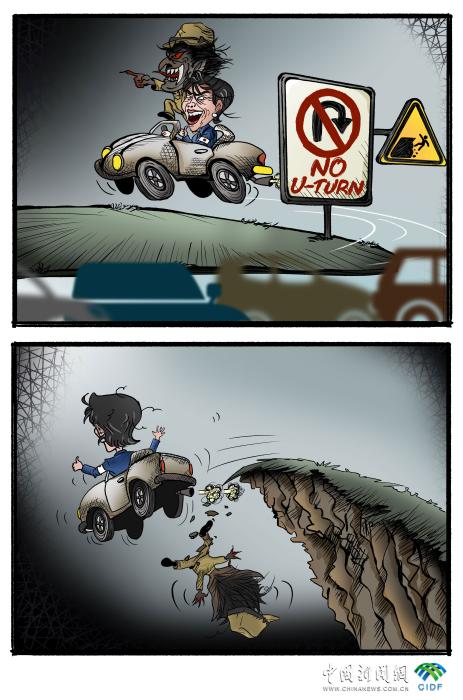
转向军国旧路,必将自取灭亡丨新漫评
Zhong Guo Xin Wen Wang· 2025-12-22 13:04
"禁止掉头",是历史用无数惨痛代价立下的警示牌。近代日本的军国主义扩张、侵略战争与最终失败, 早已反复证明:否认侵略、粉饰战争、挑战战后秩序,是一条走不通、也走不远的死路。 日本首相高市早苗近期在国会发表的涉台谬论,绝非简单的"口误"或"失态",而是一场以国家前途和地 区和平为筹码的政治豪赌。这不仅是对日本战后和平宪法的公然背叛,更是对中国内政的粗暴干涉和对 战后国际秩序的蓄意挑衅。 然而,当世界在努力避免重蹈覆辙,高市之流却试图对这块警示牌视而不见,企图执意把方向盘转向军 国主义的老路。 历史从不惩罚真心吸取教训的人,只惩罚不思悔改的人。道路不会宽恕逆行者,只会让他们翻车。殷鉴 不远,谁开历史倒车,谁就会跌下悬崖,最终自取灭亡。 ...
外交部:中方对日本首相官邸高官、首相侧近公然宣称日本应该拥有核武器感到震惊
Xin Hua She· 2025-12-22 09:47
新华社北京12月22日电(记者刘杨、袁睿)外交部发言人林剑22日表示,中方对日本首相官邸高 官、首相侧近公然宣称日本应该拥有核武器感到震惊。上述言论是对战后国际秩序和核不扩散体系的公 然挑衅,对地区和国际和平稳定的严重威胁,对日本宣称"走和平发展道路"的完全背离,绝非"个人行 为"可以搪塞敷衍,国际社会必须对此高度警惕和坚决反对。 当日例行记者会上,有记者问:近日,日本首相官邸一位负责安保政策的高官向媒体宣称,日本应 该拥有核武器。此后,日本防卫大臣称推进讨论"无核三原则"时不排除任何选项。上述言论引发日本国 内各界人士和俄罗斯等周边国家强烈批评。请问中方对此有何评论? 林剑表示,中方对日本首相官邸高官、首相侧近公然宣称日本应该拥有核武器感到震惊。日本内阁 官房长官拒绝就此作出澄清,日本防卫大臣还就是否修改"无核三原则"宣称,"不排除任何选项"。联系 到日本媒体此前报道日本首相高市早苗计划修改"无核三原则",上述言论是对战后国际秩序和核不扩散 体系的公然挑衅,对地区和国际和平稳定的严重威胁,对日本宣称"走和平发展道路"的完全背离,绝 非"个人行为"可以搪塞敷衍,国际社会必须对此高度警惕和坚决反对。 林剑指出, ...
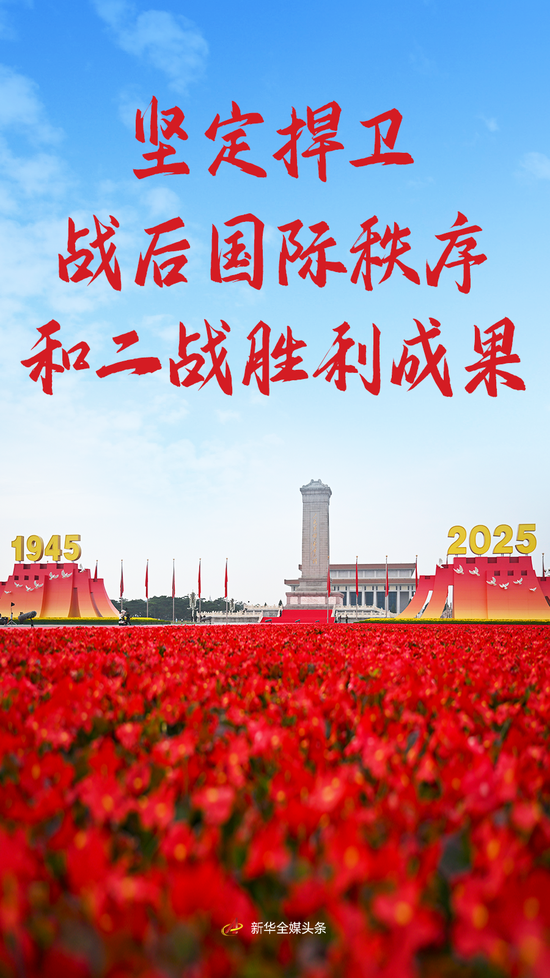
坚定捍卫战后国际秩序和二战胜利成果
Xin Hua She· 2025-12-22 08:20
Core Viewpoint - The article emphasizes the importance of defending the post-war international order and the outcomes of World War II, particularly in light of recent provocative statements by Japanese Prime Minister Kishi Sanae regarding Taiwan, which are seen as a challenge to this order and a potential revival of militarism [1][5][19]. Group 1: Historical Context - The signing of the Japanese surrender in Nanjing on September 9, 1945, marked a significant moment in establishing the post-war international order and confirming the outcomes of World War II, including the return of Taiwan to China [2][3]. - Historical documents such as the Cairo Declaration and the Potsdam Declaration provide legal foundations for Taiwan's status as part of China, reinforcing the notion that Japan's claims over Taiwan are illegitimate [3][4]. Group 2: Japan's Current Political Climate - Prime Minister Kishi's recent statements linking Taiwan's situation to Japan's collective self-defense rights represent a significant shift in Japan's post-war stance and have been met with widespread criticism both domestically and internationally [5][12]. - Kishi's administration is seen as part of a broader trend of right-wing politics in Japan that seeks to revive militaristic ideologies and challenge the established post-war order [6][10]. Group 3: International Reactions - The international community, including various countries and organizations, has expressed concern over Kishi's remarks, viewing them as a threat to regional stability and a potential revival of militarism in Japan [18][19]. - Critics argue that Kishi's approach could lead to Japan's isolation in diplomatic relations and exacerbate tensions in the Asia-Pacific region [18][19].