反垄断审查

Search documents
守护舌尖安全、规范平台发展 市场监管总局一批新规在路上
Zheng Quan Shi Bao Wang· 2025-12-16 11:49
Core Viewpoint - The State Administration for Market Regulation (SAMR) has announced a series of regulatory measures and achievements during the fourth quarter of 2025, focusing on key areas affecting public welfare and the economy, including platform economy, food safety, and antitrust regulations [1][2][3] Group 1: Regulatory Measures - SAMR has introduced the "Credit Repair Management Measures" and "Guidelines for Enforcement of Commercial Bank Charging Behavior" to enhance the credit repair mechanism and provide guidance for regulating bank charges, thereby reducing financing costs for enterprises [1] - New guidelines for the "Concentration Review of Non-Horizontal Operators" and "Unified Social Credit Code Management Measures" have been released to improve antitrust review rules and strengthen the social credit system [1] Group 2: Focus on Public Welfare - A series of measures have been implemented to address public concerns, including the release of the "General Implementation Rules for Industrial Product Production Licenses" and specific guidelines for 24 products to enhance quality safety governance for high-risk products [2] - The "Infant Formula Milk Powder Product Formula Registration Management Measures" have been revised to include liquid infant formula products, ensuring the safety of infant food [2] - Guidelines for compliance in pricing and measurement behaviors of urban public utilities (water, electricity, gas) will be officially published on December 19, 2025 [2] Group 3: Standardization Achievements - In 2025, SAMR led the formulation of 275 ISO and IEC international standards and proposed 459 new international standard proposals, with 38 international standards released in key areas such as 5G, semiconductors, and aerospace during the fourth quarter [2] - Proposals for new standards in cutting-edge fields like quantum technology and AI have been made, totaling 60 new proposals [2] Group 4: Future Regulatory Actions - Upcoming regulations include the "Live E-commerce Supervision Management Measures" and "Online Trading Platform Rules Supervision Management Measures" to ensure orderly development and regulation of the platform economy [3] - In the food safety sector, the "Food Commissioned Production Supervision Management Measures" and "Food Safety Responsibility Supervision Regulations for Chain Enterprises" are set to be released [3] - Antitrust regulations will see the publication of revised "Prohibition of Monopoly Agreement Regulations" and new rules to curb the abuse of administrative power that restricts competition [3] - A "National Standard Construction Special Action for Artificial Intelligence" will be initiated to lead innovation through standards [3]
市场监管总局回应附条件批准两家智利公司新设合营企业
中国基金报· 2025-12-16 11:12
Core Viewpoint - The article discusses the approval of a joint venture between Chilean National Copper Corporation and Chilean Chemical and Mining Company, highlighting its significance in China's antitrust enforcement in critical mineral resources [2][3]. Group 1: Joint Venture Details - In May 2024, Chilean National Copper Corporation and Chilean Chemical and Mining Company signed an agreement to form a joint venture through asset injection to develop lithium resources in the Atacama Salt Flat [2]. - The joint venture was officially submitted for antitrust review to China's market regulatory authority in October 2024 [2]. Group 2: Importance of Lithium - Lithium is referred to as the "white oil" of the new energy era, crucial for development and industrial security [2]. - China has a significant advantage in lithium salt processing but remains heavily reliant on imports for upstream resources [2]. Group 3: Regulatory Concerns - The market regulatory authority identified potential negative impacts on China's carbonated lithium import market due to the merger, as it could alter the competitive landscape and enhance market control, leading to possible price monopolization [2]. Group 4: Regulatory Decision - After careful evaluation, the market regulatory authority approved the merger with additional restrictive conditions, ensuring the companies will continue to fulfill existing contracts, guarantee fair supply, and promptly report significant information [3]. - These measures aim to secure the stability of China's industrial and supply chains while balancing antitrust risks and promoting industry development [3].


股价暴跌触发熔断!“扫地机器人鼻祖”申请破产:负债35亿元
Mei Ri Jing Ji Xin Wen· 2025-12-15 22:23
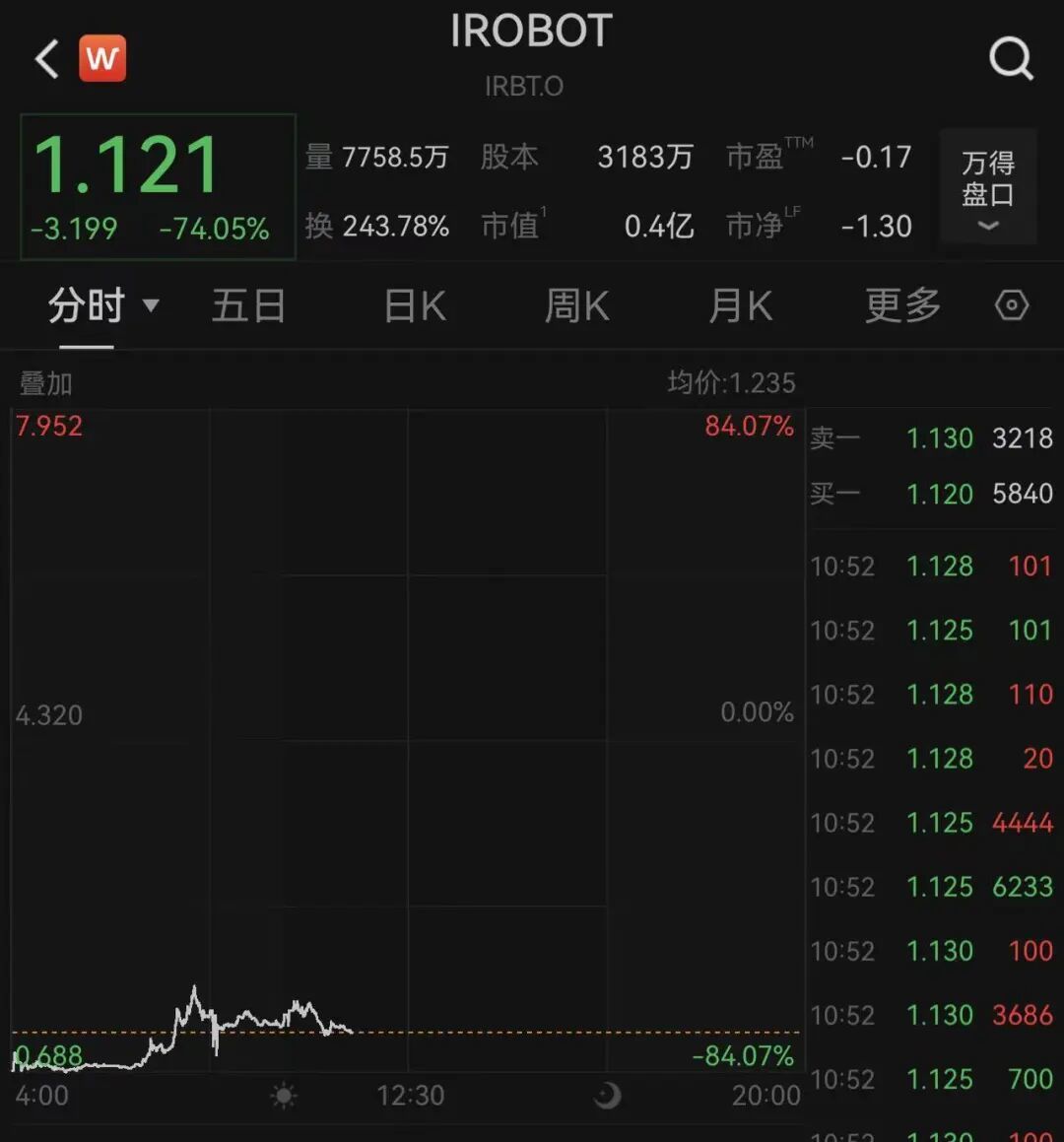
Core Viewpoint - iRobot has filed for Chapter 11 bankruptcy protection, aiming for a restructuring that will lead to its acquisition by Chinese manufacturer Picea, allowing it to optimize its balance sheet and maintain operations while exiting the public market [1][2]. Group 1: Bankruptcy Filing and Restructuring - iRobot submitted a Chapter 11 bankruptcy protection application on December 14, 2023, with plans to complete the process by February 2026 [1]. - The company has reached a Restructuring Support Agreement (RSA) with its secured creditors and major manufacturer Picea, which will acquire 100% of iRobot's shares [1][2]. - The restructuring aims to improve iRobot's balance sheet and enable investment in next-generation robotics and smart home innovations [2]. Group 2: Financial Performance and Market Position - iRobot's revenue in 2022 fell by 24% to $1.1834 billion, with a net loss of $286.3 million [10]. - The company faced significant declines in revenue across various regions, including a 43% drop in Europe, the Middle East, and Africa, an 18% decline in the U.S., and a 6% decrease in Japan [10]. - iRobot's market share has diminished significantly, with its share dropping to 7.9% in 2025, as it was pushed out of the top five global brands in the robotic vacuum market [16]. Group 3: Competitive Landscape - iRobot has struggled to keep pace with competitors, particularly Chinese brands that have adopted advanced technologies like laser navigation and automatic mopping, while iRobot has been slow to innovate [8][10]. - The company has faced intense competition from local brands such as Ecovacs and Roborock, which have rapidly evolved their product offerings [10]. - iRobot's flagship products remain priced significantly higher than those of competitors, with some models exceeding $1,000, three times the price of similar products from Chinese brands [8]. Group 4: Impact of Acquisition Attempts - iRobot's potential acquisition by Amazon for approximately $1.7 billion was blocked by regulatory scrutiny, leading to significant operational challenges for the company [10][11]. - Following the termination of the acquisition, iRobot laid off about 350 employees, representing 31% of its workforce, and refocused on core floor care innovations [12].

Netflix计划收购华纳兄弟;迪士尼投资OpenAI;星巴克联名哈利波特...| 刀法周报
Sou Hu Cai Jing· 2025-12-14 04:37
Group 1 - Netflix plans to acquire Warner Bros. for $72 billion, including HBO and HBO Max [3] - Paramount quickly proposed a $108.4 billion cash offer to join the bidding war [3] - Concerns about market concentration and antitrust issues have been raised, with concentration estimates between 28% and 45% [4] Group 2 - Disney announced a $1 billion investment in OpenAI, allowing users to create videos using Disney characters on the Sora platform [6] - This partnership signifies a shift towards AI-driven content creation in the entertainment industry [6] - Disney's CEO emphasized the importance of responsible AI use while collaborating with top IPs [6] Group 3 - Starbucks launched a Harry Potter-themed winter celebration series in China, featuring three limited-edition drinks [9] - The collaboration aims to create an immersive cultural experience and enhance consumer engagement [10] - This partnership reflects Starbucks' strategy of leveraging popular IPs for brand marketing [10] Group 4 - The Dream Ice Cream Company announced its listing in Amsterdam, London, and New York, with a market value of 64 billion yuan on its first day [12] - This marks the company's independence from Unilever, allowing for more agile market responses [13] - The listing is expected to lead to adjustments in product strategy and supply chain in China [14] Group 5 - ChatGPT released version 5.2, focusing on creating more economic value for users [16] - The update reflects OpenAI's ambition in the vertical application field for businesses [16] - The new version is seen as a strong model but is now more aligned with competitors like Google and Microsoft [17] Group 6 - The Chinese snack retailer "Mingming Hen Mang" received approval for its overseas listing, achieving retail sales of 41.1 billion yuan in the first half of the year [20] - The company operates in 28 provinces and 1,327 counties across China [20] - Its business model emphasizes low margins and high sales volume [22] Group 7 - "Kids King" submitted its listing application to the Hong Kong Stock Exchange, aiming for a dual capital platform [24] - The company has shown steady revenue growth, with projected revenues of 85.2 billion yuan in 2022 and 93.37 billion yuan in 2024 [25] - The expansion strategy includes entering the hair care market through acquisitions [25] Group 8 - Nova Coffee announced its global store count surpassed 10,000, with rapid expansion in China and overseas [28] - The coffee market is growing as more consumers adopt coffee-drinking habits [29] - Nova's early focus on low-sugar products aligns with rising health-conscious consumer trends [30] Group 9 - Coca-Cola announced a management change, with Henrique Braun set to become CEO in March 2026 [32] - The transition is seen as a strategic continuation rather than a crisis response [33] - The new CEO's experience in the Chinese market is expected to enhance Coca-Cola's growth in that region [33] Group 10 - Wu Yue from LVMH joined the board of Pop Mart, aiming to enhance the brand's international expansion and marketing strategies [36] - His experience in luxury brand management is expected to benefit Pop Mart's brand positioning [37] - The appointment reflects Pop Mart's ambition to diversify its IP and elevate its brand [37]


流媒体巨头出手好莱坞百年老店,奈飞拿下华纳兄弟为何反对声众多? | 声动早咖啡
声动活泼· 2025-12-10 09:03
Core Viewpoint - The article discusses Netflix's acquisition of Warner Bros. Discovery's assets for a record $72 billion, highlighting the potential impact on the entertainment industry and the challenges the deal may face from regulatory bodies and competitors [4][6][10]. Group 1: Acquisition Details - Netflix announced the acquisition of Warner Bros. Discovery's film production division, HBO, and HBO Max, with the deal expected to close in Q3 of next year [4]. - The merger will result in a combined user base of approximately 450 million, and Netflix will gain access to iconic IPs such as "Batman," "Harry Potter," and "Game of Thrones" [4]. - The acquisition price of $72 billion is unprecedented for Netflix, which previously had not exceeded $700 million in acquisitions [10]. Group 2: Competitive Landscape - Paramount Global was initially a more prominent bidder for Warner Bros., raising its offer and seeking funding from Middle Eastern sovereign wealth funds [5]. - Other competitors included Apple, Amazon, and Comcast, with internal skepticism at Netflix regarding their chances of winning the bid [5]. - Following the announcement, Netflix's stock fell by 3.5%, with a cumulative decline of about 17% since the acquisition news broke [5]. Group 3: Regulatory Challenges - The acquisition faces scrutiny from U.S. lawmakers and European regulators, with concerns about market dominance and cultural impacts [6]. - The U.S. Department of Justice's antitrust division will review the deal, with the outcome dependent on how the media market is defined [6][7]. - Notable industry figures, including director James Cameron and actress Jane Fonda, have expressed opposition to the merger, citing potential job losses and reduced diversity in storytelling [6]. Group 4: Financial Implications - To finance the acquisition, Netflix plans to seek nearly $60 billion in loans, raising concerns about financial risk due to the scale of the investment [10][11]. - The deal will require Netflix to shift from a streaming service to a full-fledged entertainment company, taking on significant production and marketing costs [11]. - If the acquisition fails, Netflix would owe Warner Bros. a termination fee of $5.8 billion [12]. Group 5: Strategic Rationale - Analysts suggest that the acquisition is a defensive move for Netflix to maintain its competitive position against potential threats from Paramount and others [12]. - Warner Bros. chose Netflix for the acquisition because it aligned with their plan to split into two companies, focusing on streaming and film production [13].
特朗普搅局华纳“世纪收购”!派拉蒙抛出千亿现金方案“截胡”,奈飞想赢“得加钱”
Hua Er Jie Jian Wen· 2025-12-10 07:35
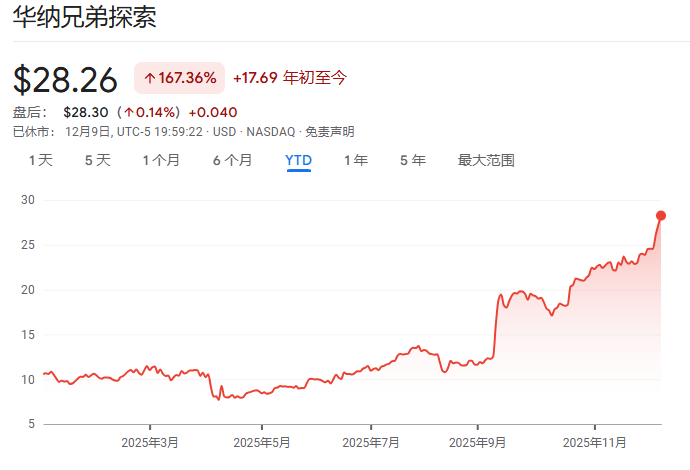
Core Viewpoint - The acquisition battle for Warner Bros. has intensified with Paramount's $108 billion all-cash hostile bid challenging Netflix's previous agreement, influenced by political dynamics surrounding Trump and regulatory scrutiny [1][2][4]. Group 1: Acquisition Proposals - Paramount's offer of $30 per share in cash represents a 139% premium over Warner Bros.'s unaffected stock price, totaling an enterprise value of $1,084 billion [4][5]. - Netflix's proposal, valued at $72 billion, includes $23.25 in cash and $4.50 in stock per share, focusing on Warner's film production and streaming assets [4][5]. - Paramount's CEO emphasized the certainty of cash returns and lower regulatory risks compared to Netflix's mixed cash and stock offer, which could lead to significant cash benefits for Warner Bros. shareholders [1][5]. Group 2: Market Reactions - Warner Bros.'s stock price surged from $12 in September to $28 amid the acquisition battle, reflecting investor interest and speculation [2]. - Following the news of Paramount's bid, Paramount's stock rose approximately 9%, while Netflix's stock fell about 3.4% [8][11]. Group 3: Regulatory Environment - The acquisition proposals face strict antitrust scrutiny, with the potential merger of Netflix and Warner Bros. creating a streaming giant with approximately 430 million subscribers, raising concerns about market concentration [8][9]. - Trump's administration is reportedly more lenient towards traditional media mergers, which could favor Paramount's bid over Netflix's [7][8]. Group 4: Strategic Considerations - Paramount's strategy includes leveraging its political connections and emphasizing the competitive nature of its acquisition proposal, arguing that merging with Netflix would be anti-competitive [7][9]. - Netflix's response may involve increasing its cash offer to make its proposal more attractive to Warner Bros. shareholders, as its stock component's value is under pressure [11][12].


Netflix faces consumer class-action lawsuit over $72bn Warner Bros deal
The Guardian· 2025-12-09 19:41
Netflix has been hit with a consumer lawsuit seeking to block the online video giant’s planned $72bn acquisition of Warner Bros Discovery’s studio and streaming businesses.The proposed class action was filed on Monday by a subscriber to Warner Bros-owned HBO Max who said the proposed deal threatened to reduce competition in the US subscription video-on-demand market.Some members of Congress have sharply questioned Netflix’s proposal, which is expected to face significant US regulatory scrutiny under antitru ...
1084亿美元!派拉蒙天舞对华纳发起恶意收购,谁担心成为输家?
Di Yi Cai Jing· 2025-12-09 10:35
Core Viewpoint - Paramount Global's hostile takeover bid for Warner Bros. Discovery (WBD) complicates the merger between Netflix and WBD, with Paramount offering $30 per share, valuing WBD at $108.4 billion, while Netflix's offer was $27.75 per share, valuing WBD at approximately $82.7 billion [1][2] Group 1: Acquisition Details - Paramount Global announced a cash offer of $30 per share for 100% of WBD, totaling an estimated $108.4 billion [1] - Netflix's agreement with WBD involves a cash and stock deal at $27.75 per share, with a total valuation of about $82.7 billion [1] - Netflix plans to acquire specific WBD assets, including Warner Bros. film and television divisions, HBO, and HBO Max, while Paramount aims for a full acquisition [1] Group 2: Board Response - WBD's board stated it would not change its recommendation for the Netflix agreement and advised shareholders to refrain from acting on Paramount's proposal [2] - The board will review and consider Paramount's offer despite maintaining its stance on the Netflix deal [2] Group 3: Regulatory Risks - The merger with Netflix may take 12 to 18 months to complete, facing regulatory scrutiny [4] - Netflix has agreed to pay a $5.8 billion breakup fee if the deal is not approved, indicating confidence in regulatory approval [4] - If WBD seeks other merger options, it would incur a $2.8 billion fee, suggesting Paramount may need to increase its offer [4] Group 4: Market Dynamics - Paramount claims its acquisition proposal enhances competition and benefits consumers, with a user base of over 300 million for Netflix and 125 million for HBO Max [5] - The leadership of Paramount, linked to influential political connections, may facilitate regulatory approval compared to Netflix's leadership, which has Democratic ties [6] Group 5: Industry Impact - Regardless of the outcome, Hollywood faces fewer buyers and a shift towards streaming over traditional cinema [7] - WBD's CEO indicated that the merger would not likely lead to significant layoffs, as Netflix aims to retain most employees [7] - The traditional cinema industry is threatened, with potential revenue losses of 25% if WBD's films do not screen in theaters [7] Group 6: Industry Challenges - The entertainment industry has been in decline, with a significant drop in film releases and box office revenues [8] - The number of films released by major studios has halved since 2006, with an average of 62 films per year from 2021 to 2024 [8] - The industry has lost tens of thousands of jobs since 2020, affecting various roles beyond just writers and producers [8][9]
B计划反击Netflix、特朗普女婿介入,揭秘甲骨文创始人之子恶意收购华纳兄弟
Feng Huang Wang· 2025-12-09 03:20
Core Viewpoint - Larry Ellison's son, David Ellison, initiated a $108 billion hostile takeover bid for Warner Bros. Discovery (WBD) shortly after Netflix announced a $72 billion acquisition of WBD, indicating a highly competitive landscape in the media and entertainment industry [1][2]. Group 1: Acquisition Details - David Ellison's bid for WBD is characterized as one of the most audacious hostile takeovers in history, with Paramount's market value at approximately $12 billion, significantly lower than WBD's [3]. - The financing structure for the bid includes $12 billion from the Ellison family, with the remaining $24 billion sourced from Middle Eastern sovereign wealth funds and U.S. private equity firms, raising concerns about national security reviews [3][6]. - Paramount submitted six acquisition proposals to WBD over a 12-week period, but ultimately lost to Netflix's offer [5]. Group 2: Strategic Moves and Reactions - David Ellison sent a personal message to WBD CEO David Zaslav, expressing admiration and a desire to partner, but this was too late as WBD's board had already decided to accept Netflix's offer [2]. - Paramount's management felt they were being manipulated during negotiations, as WBD consistently found reasons to dismiss their offers [4]. - The involvement of Jared Kushner's investment firm in the financing of the bid has raised concerns about potential political influences on the acquisition process [6][7]. Group 3: Industry Implications - The competition between Paramount and Netflix for WBD's assets highlights the intense rivalry in the media sector, with both companies facing potential antitrust scrutiny [6]. - The outcome of this acquisition battle could set significant precedents for future media mergers and acquisitions, particularly regarding the influence of political figures and the scrutiny of financing sources [6][7].
奈飞豪掷827亿美元鲸吞华纳兄弟:一场改写好莱坞百年规则的地震级交易
Xin Lang Cai Jing· 2025-12-09 02:20
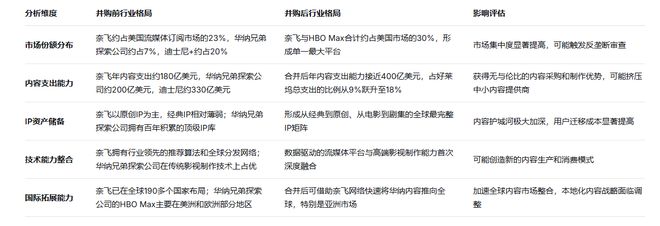
Core Viewpoint - Netflix's acquisition of Warner Bros. Discovery for $82.7 billion is seen as a transformative event in the entertainment industry, reshaping power dynamics and market structures [1][6]. Group 1: Acquisition Details - Netflix is acquiring Warner Bros. Discovery at $27.75 per share, totaling a stock value of $72 billion and assuming $10.7 billion in debt, representing a 35% premium over the last closing price before the news [2][3]. - Paramount Skydance has entered the bidding war with a cash offer of $30 per share, valuing the company at $108.4 billion, which is $2.25 higher than Netflix's offer [3][5]. - The acquisition process has been dramatic, with initial talks starting in early 2025 and multiple bids from Paramount before Netflix's final agreement [2][3]. Group 2: Strategic Motivations - Netflix's proposal was deemed the most comprehensive, detailing funding through $30 billion in bond issuance and cash reserves, along with a clear integration plan and respect for Warner's existing projects [3][6]. - Key commitments from Netflix included maintaining the independence of major Warner brands and not conducting large-scale layoffs for at least two years [3][6]. Group 3: Market Impact - The merger would create a media giant controlling both Netflix and HBO Max, with a combined potential subscriber base of over 420 million and a vast content library [6][7]. - The merger would significantly increase market concentration, with Netflix and HBO Max together holding approximately 30% of the U.S. streaming market [7][8]. Group 4: Regulatory Challenges - The merger faces potential regulatory hurdles, as the U.S. Department of Justice's new guidelines could classify the merger as illegal if market share exceeds 30% [8][9]. - Netflix has indicated a willingness to pay a $5.8 billion breakup fee if the deal does not receive regulatory approval, reflecting confidence in the transaction [8][9]. Group 5: Competitive Landscape - Paramount's strategy emphasizes that its acquisition would create a more competitive landscape, contrasting with Netflix's potential market dominance [9][10]. - Political factors may influence the regulatory review, with connections between Paramount's leadership and the Trump administration potentially affecting outcomes [10][11]. Group 6: Future Directions - The acquisition represents a clash between two paths for the future of Hollywood: Netflix's global streaming model versus Paramount's hybrid media empire approach [11][12]. - The outcome of this bidding war will determine the direction of the entertainment industry, balancing cash offers against regulatory risks and shareholder interests [11][12].