
城乡居民增收计划

Search documents
国家发改委:正在研究制定稳岗扩容提质行动和城乡居民增收计划,增强居民消费能力
Mei Ri Jing Ji Xin Wen· 2026-01-20 03:09
Core Viewpoint - The enhancement of consumer income is crucial for boosting domestic demand, as emphasized by the National Development and Reform Commission (NDRC) during a press conference [1] Group 1: Consumer Income and Domestic Demand - The NDRC is focusing on three key areas to improve consumer income and stimulate consumption [1] - The first area involves closely integrating livelihood improvement and consumption promotion, with plans to develop actions for stabilizing jobs and increasing urban and rural residents' income [1] Group 2: Investment Strategies - The second area emphasizes the combination of investment in physical assets and human capital, aiming to improve investment efficiency and promote mutual empowerment between material and human capital [1] - The third area focuses on the integration of policy support and reform innovation to enhance overall effectiveness [1]
新华社快讯:国家发展改革委表示有关方面正在研究制定稳岗扩容提质行动和城乡居民增收计划
Xin Hua Wang· 2026-01-20 03:08
Core Viewpoint - The National Development and Reform Commission is formulating plans to enhance employment stability and increase income for urban and rural residents, aiming to boost consumer spending and optimize consumption upgrades [1] Group 1: Employment and Income Plans - The government is researching and developing a "Stabilizing Jobs and Expanding Capacity" action plan [1] - There is a focus on increasing income for urban and rural residents to enhance their consumption capacity [1] Group 2: Service Industry Initiatives - This year, the government will implement actions to expand and improve the service industry [1] - A series of high-quality policies will be introduced to support these initiatives [1]
国家发改委:有关方面正在研究制定稳岗扩容提质行动和城乡居民增收计划
Jing Ji Guan Cha Wang· 2026-01-20 03:05
Core Viewpoint - The article emphasizes the importance of enhancing consumer income as a key aspect of boosting domestic demand, in line with the directives from the Central Economic Work Conference [1] Group 1: Policy Initiatives - The National Development and Reform Commission (NDRC) is focusing on three key areas to implement the Central Economic Work Conference's directives [1] - The first area involves closely integrating livelihood improvement and consumption promotion, with plans to develop actions for stabilizing jobs and increasing urban and rural residents' income to enhance consumer capacity [1] - The second area focuses on the integration of investment in physical assets and human capital, aiming to improve investment efficiency and promote mutual empowerment between material and human capital [1] - The third area emphasizes the integration of policy support and reform innovation [1]
发改委:有关方面正在研究制定稳岗扩容提质行动和城乡居民增收计划
Zheng Quan Shi Bao· 2026-01-20 02:57
Group 1 - The core viewpoint of the article emphasizes the importance of enhancing consumer income to boost domestic demand, as outlined in the Central Economic Work Conference [1] Group 2 - The National Development and Reform Commission (NDRC) is focusing on three key areas to implement the Central Economic Work Conference's directives: 1. Combining livelihood improvement with consumption promotion, with plans to develop actions for job stability and income growth for urban and rural residents to enhance consumer capacity [1] 2. Integrating investment in physical assets with investment in human capital to improve investment efficiency and promote mutual empowerment of material and human capital [1] 3. Aligning policy support with reform and innovation to drive economic growth [1]
制定实施城乡居民增收计划正当时
第一财经· 2026-01-19 15:24
Core Viewpoint - The article emphasizes the importance of increasing residents' disposable income as a means to enhance consumption and improve the distribution system, reflecting the benefits of national development for all citizens [3][6]. Group 1: Economic Data and Trends - In 2025, the national per capita disposable income reached 43,377 yuan, marking a nominal growth of 5.0% from the previous year, with the same percentage for real growth after adjusting for price factors [2]. - Over the "14th Five-Year Plan" period, the per capita disposable income has steadily increased from 35,128 yuan in 2021 to 43,377 yuan in 2025 [3]. Group 2: Employment and Income Growth - The foundation for implementing the "income increase plan" is to promote high-quality and full employment, which is crucial for the well-being of the populace and the healthy development of the economy [4]. - The average urban survey unemployment rate in 2025 was 5.2%, which is below the expected target of around 5.5%, indicating overall stability in the employment situation [5]. - The "15th Five-Year Plan" highlights the need for synchronized growth in residents' income and economic growth, as well as improvements in labor remuneration and productivity [6]. Group 3: Strategies for Income Increase - The implementation of the "income increase plan" requires efforts in both increasing income and reducing burdens [7]. - Establishing a more reasonable wage growth mechanism is essential for increasing labor remuneration, which relies on the continuous development of enterprises [9]. - In rural areas, activating property income through land reform and developing key industries such as specialty agriculture and rural e-commerce are vital for increasing farmers' income [10]. Group 4: Distribution Mechanism Reform - The future direction involves improving the initial distribution mechanism based on market evaluations of contributions, promoting a system where more labor, skills, and innovation lead to higher rewards [12]. - The reform of the distribution mechanism is a gradual and systematic process that requires coordinated efforts across initial, redistributive, and third distributions [13].


一财社论:制定实施城乡居民增收计划正当时
Di Yi Cai Jing Zi Xun· 2026-01-19 12:41
Core Viewpoint - The article emphasizes the importance of implementing a "Income Increase Plan" to enhance the disposable income of urban and rural residents, which is crucial for equitable distribution of national development benefits [1][2]. Group 1: Economic Data and Trends - In 2025, the per capita disposable income of residents reached 43,377 yuan, marking a nominal growth of 5.0% year-on-year, with a real growth of 5.0% after adjusting for price factors [1]. - The per capita disposable income has shown a steady increase from 35,128 yuan in 2021 to 43,377 yuan in 2025 during the "14th Five-Year Plan" period [1]. Group 2: Employment and Income Growth - The foundation for the "Income Increase Plan" is to promote high-quality and full employment, which is essential for the well-being of the populace and economic stability [2]. - The average urban survey unemployment rate in 2025 was 5.2%, below the expected target of around 5.5%, indicating a stable employment situation [2]. - The "15th Five-Year Plan" emphasizes that income growth for residents should align with economic growth, and improvements in labor remuneration should correspond with increases in labor productivity [2]. Group 3: Income Sources and Mechanisms - Establishing a more reasonable wage growth mechanism is vital for increasing labor remuneration, which relies on the continuous development of enterprises [3]. - The total market value of listed companies in China grew by 22.5% year-on-year, providing a broader space for income growth for residents [3]. - In rural areas, enhancing income through land reform and developing key sectors like specialty agriculture, rural tourism, and e-commerce is essential for farmers to share in the value-added benefits of these industries [3]. Group 4: Redistribution and Support Mechanisms - "Reducing burdens" is another critical aspect of increasing residents' income, with improvements in tax adjustments, social security, and transfer payments benefiting the general public [4]. - The ongoing refinement of redistribution mechanisms is creating better conditions for the increase of actual disposable income for residents [4]. Group 5: Broader Distribution Reforms - The "15th Five-Year Plan" suggests that future directions should focus on establishing a distribution mechanism where contributions are evaluated by the market, promoting a system where more labor and innovation lead to greater rewards [5]. - The reform of the distribution mechanism is a gradual process that requires coordinated efforts across initial, redistributive, and third distributions [5]. - The current period is critical for implementing the "Income Increase Plan," focusing on broadening income channels and reducing burdens to ensure equitable benefits from development for all [5].
新年两场国常会聚焦促消费,多部门部署居民增收计划
第一财经· 2026-01-18 15:18
Core Viewpoint - The article emphasizes the importance of domestic demand as the primary driver of China's economic growth, highlighting recent government initiatives aimed at boosting consumption and building a strong domestic market [3][4]. Group 1: Policy Initiatives - The State Council has held two meetings in January 2026 focused on expanding domestic demand, with a particular emphasis on enhancing consumer spending and implementing a comprehensive set of policies [3]. - The government aims to create a long-term mechanism for promoting consumption, linking the "14th Five-Year" consumption plan with income growth initiatives to shift from short-term stimulus to systematic institutional arrangements [4][10]. - Recent policies include the implementation of a fiscal and financial collaboration plan to stimulate domestic demand, encouraging social capital to participate in consumption and investment [3][4]. Group 2: Consumption Trends - Consumption is identified as the primary engine of China's economic growth, with retail sales expected to exceed 50 trillion yuan for the first time in 2025, despite a slowdown in growth rates since May 2025 [6][7]. - The service sector's retail growth outpaced that of goods, indicating strong potential, but overall consumer confidence and spending power need further enhancement [6][7]. - The government is focusing on nurturing new growth points in service consumption, particularly in sectors like transportation, home services, and entertainment, to stimulate economic activity [8][9]. Group 3: Income Growth and Consumer Confidence - The growth of current and expected income is highlighted as a key driver for boosting consumption and expanding domestic demand, with plans to implement a comprehensive income growth strategy for urban and rural residents [10][11]. - The government aims to increase the proportion of residents' income in national income distribution and enhance labor remuneration in the initial distribution process [10][11]. - There is a call for reforms in income distribution, including adjustments to tax policies and increased support for low-income groups to improve overall consumer spending [11][12]. Group 4: Removing Consumption Barriers - The article discusses the need to eliminate unreasonable restrictions in the consumption sector to fully unleash domestic demand potential and enhance economic vitality [12][13]. - Recent initiatives have been launched in various regions to clear restrictive measures in sectors such as automotive and housing, aiming to create a more favorable consumption environment [12][13]. - The emphasis is placed on the government's role in facilitating a conducive market environment for consumption, allowing market forces to drive growth [13].

新年两场国常会聚焦促消费,多部门部署居民增收计划
Di Yi Cai Jing· 2026-01-18 13:20
Group 1 - The core focus of the recent government meetings is to boost domestic consumption and expand the domestic market, emphasizing the importance of increasing residents' current and expected income as a key driver for consumption [1][7] - The State Council has implemented a series of policies aimed at enhancing consumer spending, including the establishment of a long-term mechanism for consumption promotion and the development of a "14th Five-Year" plan for consumption and income increase [1][4] - The government is prioritizing the cultivation of new growth points in service consumption, with a focus on sectors such as transportation, housekeeping, and entertainment, which are expected to drive significant economic growth [4][5] Group 2 - The recent analysis indicates a shift in policy from short-term stimulus to systematic institutional arrangements, aiming to address constraints on consumption capacity and time through reforms in the labor market [2] - Data shows that the total retail sales of consumer goods in China are projected to exceed 50 trillion yuan for the first time, with service retail growth outpacing goods retail growth by 1.3 percentage points [3] - The government is actively working to clear unreasonable restrictions in the consumption sector, which is seen as essential for unleashing domestic demand and enhancing the long-term growth potential of the economy [9][10] Group 3 - The "Silver Economy" is highlighted as a significant area for growth, with the elderly population expected to reach over 400 million by 2035, potentially leading to a market size exceeding 30 trillion yuan [5] - The People's Bank of China has established a 500 billion yuan loan program to support service consumption and elderly care, with plans to expand this support to the health industry [6] - The government is committed to enhancing the income distribution system, including increasing basic pensions and optimizing tax policies to improve residents' income levels [8]
制定实施城乡居民增收计划,哪些人群更可能从中获益?
Sou Hu Cai Jing· 2026-01-18 07:25
Core Viewpoint - The central economic work meeting held in December 2025 proposed the implementation of a "rural and urban residents' income increase plan" as one of the eight key tasks for 2026, aiming to address the declining growth rate of per capita disposable income in recent years [2][3]. Group 1: Income Growth and Consumption - The growth of residents' income is closely linked to consumption, with higher current or expected future income leading to increased consumption [4]. - The average disposable income per capita in China grew nominally by 5.3% in 2024, with a real growth of 5.1% after accounting for inflation, indicating a slowdown compared to the nearly 7% growth from 2014 to 2019 [3]. - The current low consumption rate of around 39.9% in 2024 highlights the need for policies that not only increase income but also enhance consumer confidence and spending behavior [25][27]. Group 2: Income Distribution and Policy Recommendations - The income distribution system may undergo adjustments to increase the share of residents' income in national income distribution, which has been declining since the mid-1990s [5][11]. - Structural policies targeting different income groups are recommended to effectively boost consumption and economic growth, particularly focusing on low-income populations [6][7]. - The government is encouraged to enhance social security and improve the income of low-income groups through employment policies and vocational training [6][20]. Group 3: Employment and Economic Challenges - The relationship between income and employment is critical, with economic growth slowdowns posing challenges to job stability and income growth [15]. - The rise of flexible employment and new job forms has created instability in income expectations, necessitating measures to stabilize the labor market [15][19]. - The increasing number of university graduates has led to concerns about declining returns on education, with income disparities among graduates widening [16][17]. Group 4: Pension and Social Security - The government plans to continue increasing the basic pension for urban and rural residents, with suggestions to raise farmers' pensions significantly to improve their economic security [21][22]. - Current pension systems need reform to ensure fairness and equal access, particularly for rural populations, to address the growing income gap [22][23]. Group 5: Consumer Behavior and Savings - The low consumer spending rate is partly due to high levels of precautionary savings, driven by uncertainty about future income and economic conditions [27][28]. - Policies aimed at improving social security and reducing the financial burden of education and healthcare are essential to encourage higher consumption rates [27][29]. - Low-income groups tend to spend a higher proportion of their income, suggesting that targeted income increases for these groups could significantly boost overall consumption [29][30].
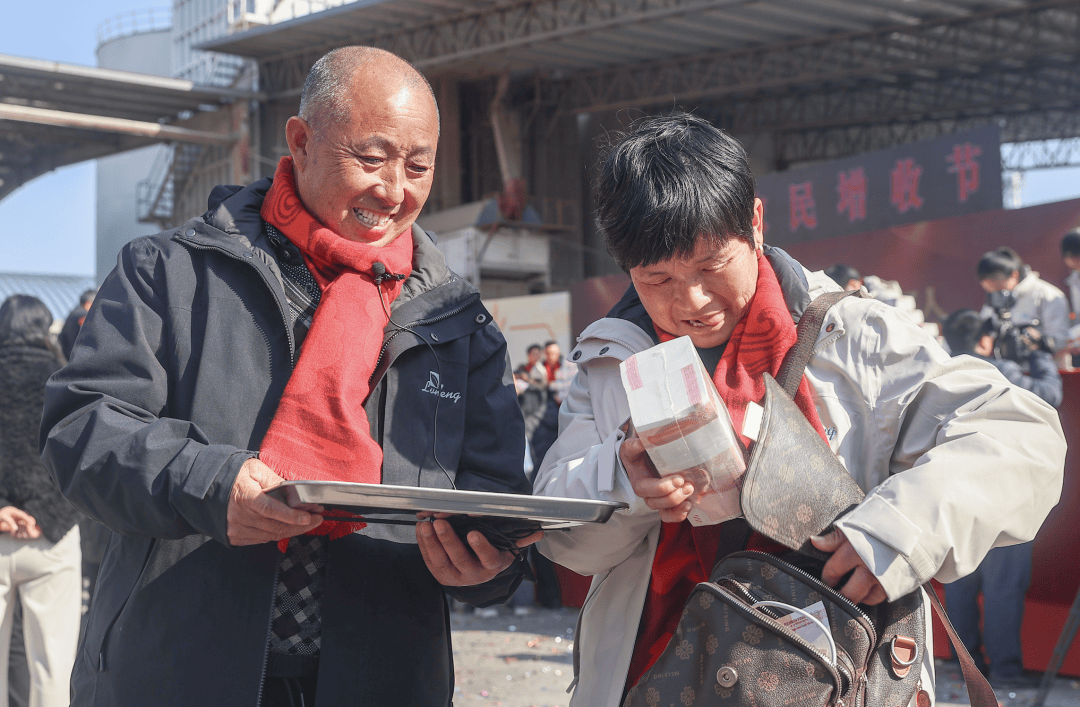
国务院打出促消费组合拳 兼顾当下与长远
Zhong Guo Xin Wen Wang· 2026-01-17 11:47
Group 1 - The core focus of the article is on the importance of promoting consumption as a key strategy for economic growth, with recent government meetings emphasizing the need for effective measures to stimulate consumer spending [1][3][6] - The "old-for-new" policy has shown significant results, with sales exceeding 2.6 trillion yuan and benefiting over 360 million people, indicating a strong market response and consumer engagement [2] - The government aims to enhance service consumption as a new growth point, addressing issues such as quality supply, credit, standards, and safety management to unlock the potential of the service sector [5][6] Group 2 - The article highlights the necessity of establishing a long-term mechanism for consumption promotion, including the implementation of the "15th Five-Year" plan and urban-rural income increase initiatives to boost consumer capacity and willingness [6][7] - It points out that resolving hidden barriers in the consumption sector is crucial for releasing demand, with a focus on ensuring timely payment of wages and stabilizing employment to strengthen consumer confidence [6][7] - The growing demand for services in education, healthcare, elderly care, cultural tourism, and sports reflects a shift in consumer preferences from mere availability to quality, indicating a significant trend in consumption behavior [5]