
城市治理现代化

Search documents
推进高水平改革开放当好开路先锋 陈吉宁同龚正黄莉新胡文容等集体参观浦东开发开放主题展并出席座谈会
Jie Fang Ri Bao· 2025-12-06 01:55
Core Viewpoint - The article emphasizes the significant progress and achievements of Pudong in its development and reform efforts over the past five years, highlighting its role as a leading area for socialist modernization in China [1][2]. Group 1: Achievements and Developments - Pudong has effectively implemented central government policies, leading to substantial advancements in high-quality development and the enhancement of its core functions as a "five centers" hub [2]. - The theme exhibition showcased Pudong's development journey through various formats, including nearly a thousand images and live demonstrations, reflecting its historical achievements [2]. - The leadership acknowledged the expectations set by President Xi Jinping for Pudong's development, which serves as a guiding principle for future initiatives [2]. Group 2: Strategic Focus Areas - Pudong aims to strengthen its role as a national innovation leader by enhancing basic research and original innovation, supporting high-risk foundational research, and fostering major technological tasks [3]. - The focus will also be on optimizing the innovation ecosystem, particularly in the Zhangjiang International Science City, to enhance the concentration of innovative elements and improve industry chain collaboration [3]. Group 3: Reform and Policy Initiatives - Continuous efforts will be made to enhance high-quality development through systematic reforms, addressing key constraints in industrial development, and optimizing policy supply [4]. - The city plans to deepen institutional openness in various sectors, including finance and telecommunications, while innovating regulatory frameworks to support cross-border services [4]. Group 4: Urban Development and Governance - Pudong is committed to improving urban governance and living conditions by accelerating the renovation of old neighborhoods and increasing the supply of affordable housing [6]. - The city aims to enhance public services and implement a digital governance framework to better meet the needs of its population [6]. Group 5: Collaborative Efforts and Future Goals - The leadership emphasizes the importance of collaboration across various sectors to support Pudong's development as a model for Shanghai's modernization efforts [7]. - There is a strong focus on establishing a competitive policy and institutional framework that aligns with international standards to attract high-quality foreign investment [7].
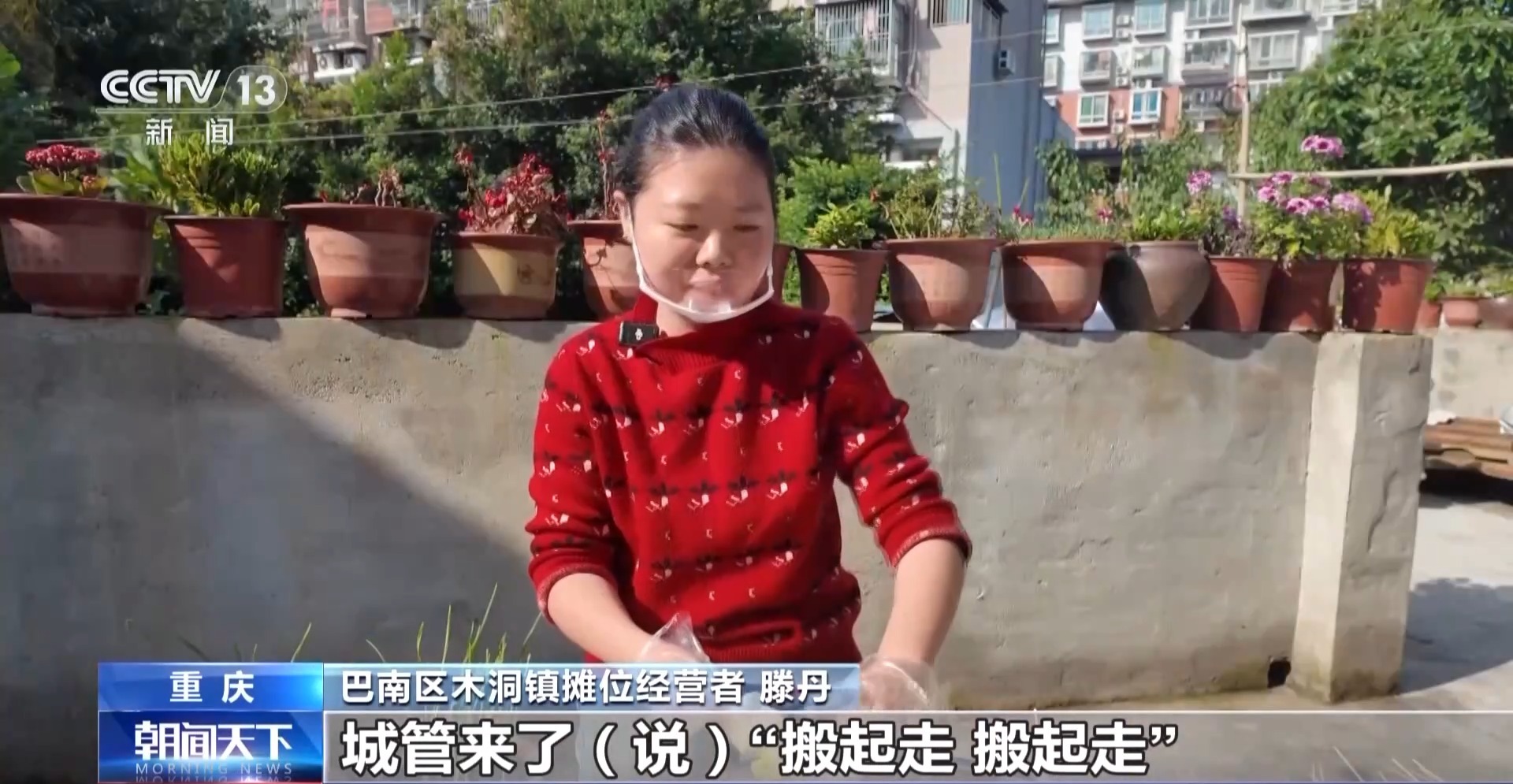
潮汐摊区、小哥驿站、数智赋能 城市治理走出新路子
Nan Fang Du Shi Bao· 2025-11-30 04:45
Core Viewpoint - The article discusses the innovative approach taken by Chongqing's Banan District to manage street vendors through the establishment of "tidal stall areas," which balance public demand with urban order, reflecting a shift towards modern urban governance focused on human-centered development [1][9][15]. Group 1: Urban Governance Innovations - The "tidal stall areas" are temporary vendor spaces that operate during specific hours, allowing for organized street vending while minimizing disruption to traffic and public order [1][9]. - The "721" work method emphasizes that 70% of urban management issues should be addressed through service, 20% through management, and only 10% through enforcement [11]. - The initiative has led to increased stability in vendor income, with vendors reporting daily earnings of several hundred yuan, compared to the previous instability [13][15]. Group 2: Community and Economic Impact - The establishment of "tidal stall areas" has created small markets that benefit local farmers and provide convenience for residents, showcasing a win-win situation for urban governance [16]. - Plans are in place to expand the number of "tidal stalls" in Banan, with public input being sought for new locations [15]. - The model has been adopted in over 100 cities across the country, with more than 100,000 "tidal stalls" established, indicating a nationwide trend towards this governance model [15]. Group 3: Digital Transformation in Urban Management - Chongqing has developed a digital urban management platform that integrates over 2,200 professional departments, enhancing efficiency and responsiveness in urban services [21][25]. - The use of drones equipped with AI algorithms for urban inspections has significantly improved the speed and effectiveness of identifying urban issues, reducing response times from 30 minutes to 10 minutes [29][33]. - The city aims to further enhance citizen participation in governance through AI analysis of public feedback, promoting a more precise and intelligent urban management approach [35].

城市治理要速度更要见精度
Jing Ji Ri Bao· 2025-11-27 21:47
Group 1 - The core idea emphasizes the importance of citizen engagement in urban governance, as demonstrated by the "Measuring Tape Brother" initiative in Shenzhen, which effectively addresses urban issues and enhances governance responsiveness [1][2] - Shenzhen's government has shown a commitment to addressing public concerns, with an average response time of three days for reported issues, reflecting a proactive approach to urban management [1] - The interaction between public opinion and urban management in Shenzhen is unique, with expectations for other regions to adopt a similar rapid response model [1][2] Group 2 - The concept of "people-oriented" governance is highlighted as essential for urban development, where citizen satisfaction is derived from the government's sensitivity to micro-level demands [2] - The establishment of the "Shenzhen - Public Opinion Fast Track" platform exemplifies innovative institutional design aimed at capturing and resolving citizen issues efficiently, achieving responses in minutes [2] - The integration of technology such as big data and cloud computing is crucial for modernizing urban governance, enhancing the ability to address citizen concerns and providing seamless services [2] Group 3 - A proactive approach to urban governance is advocated, focusing on preventive measures to mitigate potential risks and enhance overall governance quality [3] - The development of a standardized control framework is suggested to improve urban governance efficiency, emphasizing early intervention rather than reactive measures [3] - The success of urban governance relies on a collaborative effort between citizens and the government, highlighting the need for refined management of citizen demands and continuous service improvement [3]
建设人民城市,致广大而尽精微
Yang Shi Xin Wen· 2025-11-27 07:45
Core Viewpoint - The article emphasizes the importance of urban development that prioritizes the well-being and housing of the people, highlighting significant achievements in urban renewal and housing security in China, particularly under the leadership of Xi Jinping [5][19]. Urban Renewal and Housing Improvement - Shanghai has completed the renovation of over 6,000 households, marking the end of the "bucket toilet" era, reflecting a commitment to improving living conditions for residents [5]. - Xi Jinping has consistently stressed that urban renewal directly impacts people's sense of gain, happiness, and security, making it a crucial aspect of enhancing living standards [5][8]. - The central government has initiated a large-scale housing security system, with over 68 million units of various types of affordable housing and relocation housing constructed, effectively addressing housing issues for 170 million people [10]. Cultural Heritage and Urban Memory - The article discusses the preservation of historical and cultural heritage in urban areas, emphasizing that urban renewal should not come at the expense of historical buildings and cultural sites [11]. - Xi Jinping advocates for a balanced approach to urban development that respects and protects historical culture while promoting modernization [11][15]. Modern Urban Governance - The article highlights the modernization of urban governance, with Shanghai implementing a "digital house" for efficient public services, showcasing a move towards smart city management [16]. - Xi Jinping has called for a meticulous approach to urban management, likening it to "embroidery," which emphasizes precision and care in governance [17][18]. People-Centric Urban Development - The overarching theme is that urban construction must prioritize making cities livable and ensuring that the best resources are allocated to the people, fostering a sense of community and belonging [19].
四方面下功夫高质量开展城市更新 聚焦存量提质推进城市治理现代化
Chang Jiang Shang Bao· 2025-11-24 00:32
Core Viewpoint - Urban renewal is becoming a key driver for high-quality urban development in China, shifting focus from mere existence to quality improvement [1] Group 1: Urban Renewal Strategy - The Ministry of Housing and Urban-Rural Development emphasizes that urban renewal is a comprehensive and systematic strategic action aimed at promoting high-quality urban development [1] - The focus will be on planning, funding, operation, and governance to effectively carry out urban renewal [1] - The goal is to activate existing value through functional transformation, business upgrading, and quality enhancement, while modernizing urban governance [1] Group 2: Special Planning for Urban Renewal - The Ministry stresses the importance of developing special urban renewal plans, moving away from fragmented approaches to a systematic planning model [2] - A mechanism for integrated urban health checks and renewal is proposed, allowing for precise identification of urban issues [2] - The planning implementation system includes "special planning - area planning - project implementation," ensuring seamless integration from design to execution [2] Group 3: Sustainable Financing System - Funding challenges are identified as a major obstacle for urban renewal projects, which often have long payback periods and strong public welfare characteristics [3] - The Ministry calls for the establishment of a sustainable financing system that coordinates various funding sources and enhances project attractiveness through government financial guidance [3] - Financial institutions are encouraged to innovate and develop financial products tailored to urban renewal, particularly offering long-term, low-interest credit support [3] - A sustainable operational model is to be established, integrating effective market mechanisms with proactive government involvement to enhance resource allocation [3] - The Ministry highlights the need for 35 centrally funded cities to innovate and create replicable and scalable models for urban renewal [3]
200余个地级及以上城市开展城市管理进社区工作
Ren Min Ri Bao· 2025-11-23 22:16
Core Viewpoint - The Ministry of Housing and Urban-Rural Development emphasizes the importance of modernizing urban governance through community engagement and systematic management [1] Group 1: Urban Management Initiatives - Over 20 provinces have deployed specific initiatives for urban management within communities, with more than 200 cities at the prefecture level and above organizing related efforts [1] - The urban management initiative focuses on addressing urgent issues faced by the public in urban management, utilizing a "one committee, one office, one platform" work system [1] Group 2: Governance Mechanisms - The initiative employs mechanisms such as "whistle-blowing and reporting" and "immediate response to complaints" to ensure that urban governance resources reach the grassroots level [1] - Collaboration among urban management enforcement personnel and various municipal services (e.g., sanitation, landscaping, public utilities) is encouraged to enhance resource allocation [1] Group 3: Community Integration - The urban management initiative aims to integrate community environment governance with urban management, focusing on the renovation of back streets and small public spaces [1] - There is a push for interconnectivity between urban operation management service platforms and grassroots governance platforms, enhancing smart analysis, early warning, and decision-making support [1] Group 4: Proactive Governance - The work model is shifting towards proactive governance, with an emphasis on "preemptive action before complaints" to improve service delivery [1]
四方面下功夫持续推进城市更新行动
Zhong Guo Zheng Quan Bao· 2025-11-21 20:08
他强调,要下功夫建立可持续的城市建设运营投融资体系,统筹用好各类资金,发挥政府资金撬动作 用,鼓励金融机构开发金融产品,提供长周期、低利率的信贷支持。 同时,要下功夫建立可持续的运营模式,统筹有效市场与有为政府,加强资源整合,通过功能转换、业 态升级、品质提升等方式激活存量价值;并下功夫抓好系统治理和基层治理,发挥好"一委一办一平 台"作用,推动"城市管理进社区""物业服务进家庭",推进城市治理现代化。 ● 新华社合肥11月21日电(记者 王优玲 马姝瑞) 住房城乡建设部部长倪虹21日表示,城市更新是推动城市高质量发展的综合性、系统性战略行动,要着 力在规划、资金、运营、治理四方面下功夫,因地制宜、探索创新,持续推进城市更新行动。 住房城乡建设部21日在安徽省芜湖市召开全国城市更新工作推进会。倪虹表示,要下功夫编制好城市更 新专项规划,建立城市体检与城市更新一体化推进机制,建立完善"专项规划—片区策划—项目实施方 案"规划实施体系,做好规划衔接。 倪虹强调,35个中央财政支持城市要结合实际、创新突破,形成可复制、可推广的经验模式。要建立房 屋安全体检、房屋安全管理资金、房屋质量安全保险等房屋全生命周期安全管理 ...
灵隐寺免票,是城市最好的投资
经济观察报· 2025-11-20 10:20
Core Viewpoint - The article discusses the implications of free public park access in cities like Hangzhou, Chengdu, and Beijing, emphasizing the shift from revenue generation to enhancing human happiness and urban quality of life [1][5]. Group 1: Free Park Access - Starting December 1, 2025, Hangzhou's Lingyin Feilai Peak Scenic Area will no longer charge an entrance fee, allowing visitors to access Lingyin Temple, Yongfu Temple, and Taoguang Temple for free, which previously cost 75 yuan [2]. - The decision to eliminate entrance fees reflects a long-term strategy, as seen in 2002 when West Lake removed barriers, leading to a significant increase in tourism revenue from 29.4 billion yuan in 2002 to 345 billion yuan in 2024 [3]. Group 2: Social and Economic Impact - Free access to parks removes financial barriers, allowing diverse populations to share public spaces, which promotes social equity and enhances community engagement [3]. - The money saved on entrance fees is likely to be redirected towards local businesses, such as dining and accommodations, transforming parks from profit centers into catalysts for local economic activity [3]. Group 3: Urban Management Challenges - The transition to free access presents challenges for urban management, including the need for effective visitor management systems, environmental maintenance, and transportation logistics [4]. - Successful management of these challenges requires a shift in focus from merely controlling visitors to providing services that enhance the visitor experience [4]. Group 4: Global Context and Urban Planning - The article highlights global examples of urban park management, such as London’s green belts and Tokyo’s disaster preparedness parks, illustrating that modern parks serve multiple functions beyond aesthetics [4]. - The concept of "park cities" in China aims to integrate green spaces into urban planning, emphasizing their role as essential infrastructure for sustainable urban development [4].

灵隐寺免票,是城市最好的投资
Jing Ji Guan Cha Wang· 2025-11-20 08:42
Core Insights - From December 1, 2025, the Lingyin Feilai Peak Scenic Area in Hangzhou will no longer charge an entrance fee, allowing visitors to access Lingyin Temple, Yongfu Temple, and Taoguang Temple for free with an online reservation, previously costing 75 yuan [1] - This decision, while appearing to forgo nearly 1 billion yuan in direct revenue, reflects a long-term strategy similar to the 2002 removal of entrance fees at West Lake, which led to a significant increase in tourism revenue from 29.4 billion yuan in 2002 to 345 billion yuan in 2024 [1] Group 1 - The removal of entrance fees is seen as a way to eliminate barriers, allowing diverse groups of people to share the same scenic resources, promoting social equity [1] - The shift from a profit-driven model to one that stimulates local consumption is highlighted, as visitors may spend their saved ticket money on local food, accommodation, and crafts [2] - The transformation of parks into consumption starting points rather than mere attractions is emphasized, with successful examples from cities like New York showcasing the value of increased foot traffic [2] Group 2 - The decision to eliminate entrance fees also poses challenges for urban management, requiring effective systems for crowd control, sanitation, and cultural preservation [2] - The modern park concept in cities worldwide has evolved to encompass ecological infrastructure that supports leisure, safety, and economic functions, moving beyond mere green spaces [2] - The current trend in Chinese cities towards park-centric urban development reflects a deeper understanding of urban planning, focusing on sustainable growth and human well-being rather than just economic metrics [3] Group 3 - The free access to parks raises fundamental questions about the purpose of urban development, emphasizing the importance of creating spaces that enhance human happiness rather than just numerical growth [3] - Young people are increasingly favoring cities with rich public spaces and cultural considerations, indicating a shift in urban desirability [3] - The removal of financial barriers to access is viewed as a significant step towards modern urban development that prioritizes human-scale experiences [3]
从深圳“卷尺哥”找茬说起
Jing Ji Ri Bao· 2025-11-20 00:40
在深圳,类似"卷尺哥"这般"找茬"的行为并不鲜见。有不少网友评论,深圳市民之所以爱"投诉", 是因为"投诉有用"。这既是市民监督与政府务实作风的双向奔赴,也是人民群众主动参与城市治理的生 动写照,更是深圳"以人民为中心"城市治理理念的真实展现。具体来看,体现了两个转变。 最近,深圳"卷尺哥"火了。这位"卷尺哥"随身带着一把卷尺,穿梭在深圳的大街小巷,多次发视频 反映市政道路缺陷。"卷尺哥"所指之弊,件件有落实,次次"秒整改"。 两个转变之后,更期待第三个转变——从个体热度到制度精度。更多的热心市民参与城市治理是好 事,但是个人的热情能持续多长时间,有多少人能参与进来,能在多大程度上覆盖城市治理的方方面 面,还充满不确定性,也还有很多用眼看、用尺量难以发现的问题。为城市长远发展计,还应构建起更 加科学、完善、高效的城市治理体系和制度保障体系,通过覆盖市、区、街道、社区四级的"织网工 程",实现信息资源跨区域、跨层级、跨部门的互联互通、融合共享。推动人工智能、大数据等新一代 信息技术深度融入民生诉求办理流程,实现城市治理智慧化升级。此外,还应完善社会力量参与城市治 理的体制机制,形成政府、社会组织、企业、个人共同 ...