能源博弈

Search documents
伊朗专家给以色列损招,中国能源命脉遭威胁,中东或引爆全球油荒
Sou Hu Cai Jing· 2025-06-25 02:30
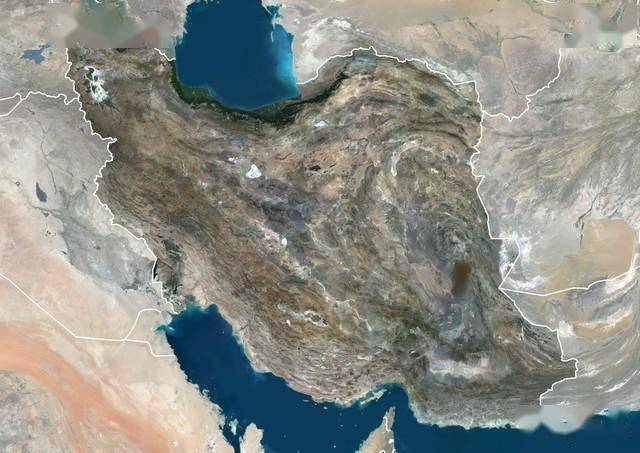
Group 1 - The core argument presented by the expert Carol is that if Israel attacks Iran's oil facilities, it would significantly harm China, which relies on Iran for 12% of its oil supply, particularly affecting refineries in Shandong that depend on Iranian oil for 95% of their needs [1] - The suggestion overlooks critical factors, such as Iran's potential retaliation by blocking the Strait of Hormuz, which is crucial for global oil transport, affecting 30% of the world's oil supply and impacting countries like Japan and South Korea that rely on this route for 90% and 88% of their oil imports respectively [3] - China has diversified its oil supply sources, with increased imports from Canada and strategic reserves that can last for three months, along with collaborations in renewable energy projects with Saudi Arabia, indicating preparedness for potential disruptions [3][5] Group 2 - Iran's economy heavily relies on oil revenue, which constitutes over 60% of its fiscal income, making it unlikely for Iran to risk severing ties with China, especially given their significant trade agreements [5] - Middle Eastern oil-producing countries, including Saudi Arabia and the UAE, oppose Israel's potential actions against Iran, fearing retaliation that could affect their oil fields, while the U.S. is also concerned about rising oil prices impacting its economy [5][7] - The modern energy landscape indicates that simply cutting off oil supplies does not guarantee victory in geopolitical conflicts, as China's diversified supply chain and strategic reserves create a safety net against potential disruptions [7]

俄罗斯国库告急!普京急盼中国拉一把,但是得先明白一个道理
Sou Hu Cai Jing· 2025-06-23 23:21
Group 1 - The core viewpoint of the articles highlights the deepening energy cooperation between China and Russia amidst complex geopolitical dynamics and Russia's economic challenges [1][3][4] - In April 2025, Chinese and Russian energy officials met to discuss enhancing energy cooperation, emphasizing the strategic nature of their partnership [3][4] - Russia has increased its oil supply limit to China from 10 million tons to 12.5 million tons, reflecting its reliance on China to alleviate economic pressures [3][4] Group 2 - The "Power of Siberia 2" gas pipeline project faces challenges regarding its route, with considerations of passing through Mongolia or Kazakhstan, both presenting logistical and financial hurdles [4][6] - Mongolia's role in the energy cooperation is complicated by its geopolitical stance, which may affect the stability and cost of energy transit [6][8] - The long-term prospects of Sino-Russian energy cooperation are promising, but require careful navigation of mutual interests and geopolitical factors [8][9]

2008年陕西发现巨大资源,预测达到6690亿吨,美国:资源应共享
Sou Hu Cai Jing· 2025-05-25 05:39
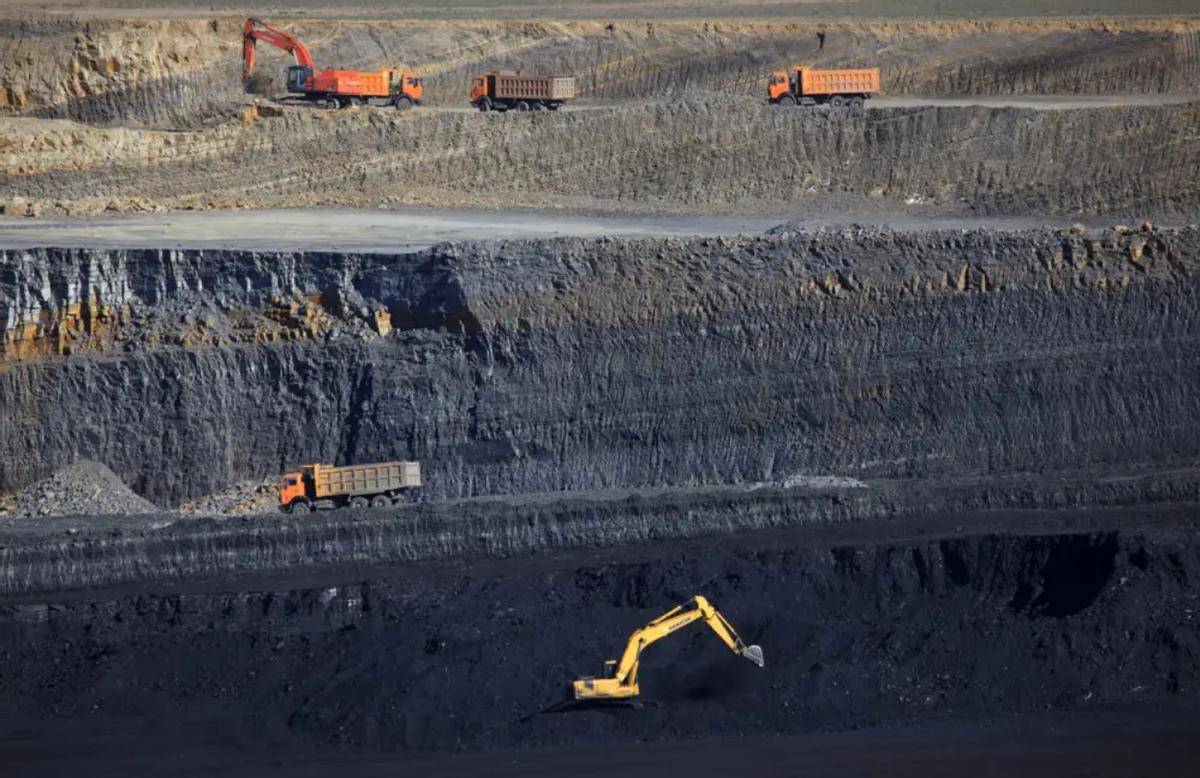
Core Insights - China's energy consumption is heavily reliant on imports, particularly oil, while the discovery of a massive coal reserve in Shaanxi Yulin in 2008 has significantly altered the energy landscape [1][3][11] Group 1: Energy Resources - The Yulin coal reserve has a staggering total of 669 billion tons, enough to meet China's energy needs for at least 200 years, making it one of the largest energy reserves globally [3][11] - In 2008, China's coal production was 2.523 billion tons, but it faced a coal energy shortfall of nearly 400 million tons, necessitating imports [9] - The global coal reserves are limited, with proven reserves of 9,842.11 billion tons, while coal consumption in 2018 exceeded 800 million tons, indicating a growing energy gap [9] Group 2: Geopolitical Implications - The discovery of the Yulin coal reserve enhances China's bargaining power in the global energy market, reducing its dependency on foreign energy sources [11][12] - The U.S. has historically controlled global coal prices and proposed "resource sharing" to counter China's rising influence in energy pricing [12][14] - China's strategic silence in response to the U.S. proposal reflects its diplomatic acumen and ability to navigate international pressures [14] Group 3: Economic Context - In 2008, China's total energy consumption was 2.91 billion tons of standard coal, amidst a backdrop of global economic turmoil and fluctuating energy prices [7] - The financial crisis led to a depreciation of the dollar, which in turn increased oil prices, impacting China's energy costs and necessitating substantial subsidies for refining companies [7][9] - Despite the push for clean energy, coal remains a critical energy source, especially as alternative energies have not yet fully proliferated [9]