
能源合作

Search documents
国家能源局负责人会见沙特阿美高级副总裁
国家能源局· 2025-12-12 13:33
何洋表示,能源是两国务实合作的重要领域,基础扎实,合作广泛,联系紧密。沙特阿美是中国企业的重要合作伙伴,希望双方在油气等领域继续 加强合作,不断取得新成果。 胡奈尼表示,中国是世界最大的能源市场,合作潜力巨大,沙特阿美愿与中方伙伴加强沟通,共同发掘更多合作机会。 2025年12月10日,中国国家能源局副局长何洋在京会见来访的沙特阿美高级副总裁艾哈迈德·胡奈尼,双方就沙特阿美在华业务合作现状及未来前 景等议题交换了意见。 中国国家能源局规划司、油气司、国际司相关负责同志参加会见。 ...

【环球财经】莫迪同特朗普就贸易和能源等问题通电话
Xin Hua She· 2025-12-11 22:50
Group 1 - The core point of the article is the discussion between Indian Prime Minister Modi and U.S. President Trump regarding the expansion of bilateral trade and energy cooperation, marking their first conversation since Russian President Putin's visit to India [1] - Modi described the conversation as friendly and productive, highlighting the review of bilateral relations and discussions on regional and international situations [1] - The dialogue occurred during trade negotiations in New Delhi, with reports indicating that the U.S. Trade Representative expressed that India has made its best offer historically for expanding market access for U.S. agricultural products, including sorghum and soybeans [1] Group 2 - The discussions included cooperation in key areas such as technology, energy, defense, and security, indicating a broadening of the partnership between India and the U.S. [1] - The timing of the call coincides with ongoing trade negotiations, suggesting a strategic alignment in addressing trade issues [1]
向印供应石油达成共识?克宫回应
中国能源报· 2025-12-09 07:37
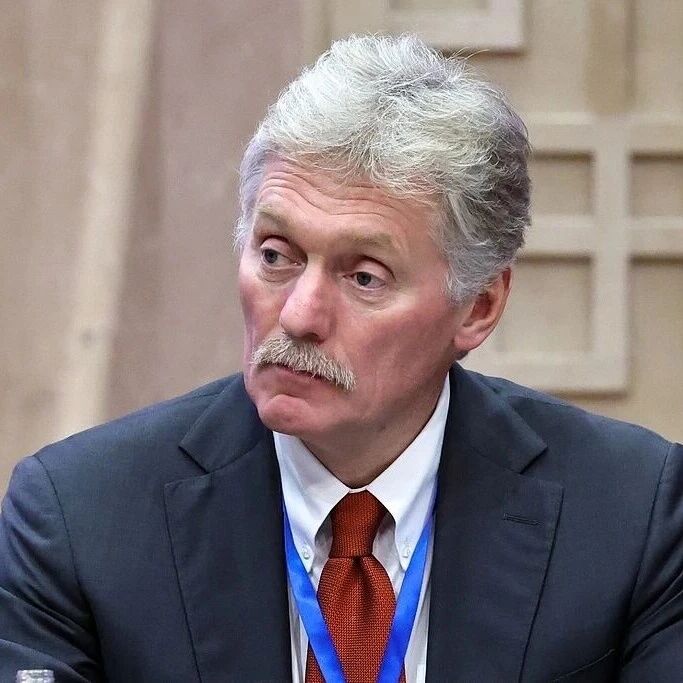
以下文章来源于环球网 ,作者张江平 环球网 . 世界很精彩! 普京访印期间是否就俄向印供应石油达成共识?克宫回应。 据俄新社等媒体8日报道,对于俄罗斯与印度能源合作有关问题,俄总统新闻秘书、克里姆林宫发言人佩斯科夫在记者会上作出 回应。 俄罗斯总统普京于本月4日至5日访问印度,并与印度总理莫迪举行了会晤。据俄新社最新报道,当被问及在普京访印期间,双 方是否就俄罗斯向印度供应石油一事达成共识时, 佩斯科夫回答称,"作为一个主权国家,印度在对其有利的地方开展对外贸易 活动和购买能源"。 "据我们了解,我们的印度伙伴将继续采取这种保障自身经济利益的做法。"佩斯科夫补充称。 美国此前决定对印度采取关税措施,原因与印度"以直接或间接方式进口俄罗斯石油"有关。综合俄新社等媒体本月4日报道,对 于美国就购买俄能源一事向印度施压,普京在接受印度媒体采访时称,美国仍从俄罗斯购买核燃料,供美国的核电站使用。"如 果美国有权从我们这里购买燃料,为什么印度就不能享有同样的权利?"普京在采访中表示,这一问题需要仔细研究,俄方已准 备好讨论这一问题。 来 源: 环 球 网 / 张 江 平 E n d 欢 迎 分 享 给 你 的 朋 友! ...
能源供应“不间断”,伙伴关系“再调整”,普京访印度签29份合作文件
Huan Qiu Shi Bao· 2025-12-05 22:34
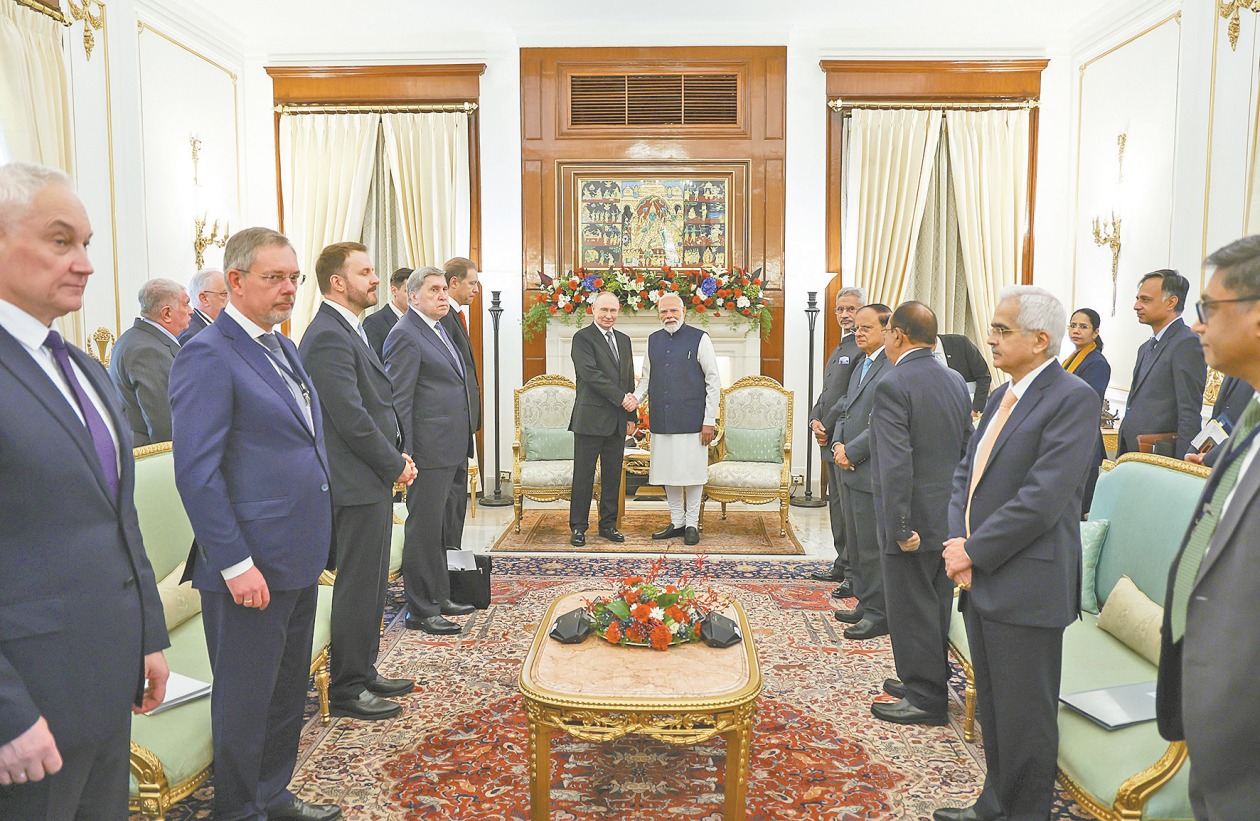
Group 1 - The core message of the articles highlights the strengthening of India-Russia relations, particularly in energy cooperation, amidst global challenges and pressures from the US [1][3][5] - Modi and Putin announced a five-year economic cooperation plan aimed at increasing bilateral trade to $100 billion by 2030, emphasizing a diversified and sustainable trade relationship [3][4] - The trade between India and Russia is projected to grow by 12% in 2024, reaching approximately $64 billion, with significant contributions from India's oil purchases from Russia [3][4] Group 2 - Russia is positioned as a reliable supplier of various energy resources to India, including oil, gas, and coal, with ongoing projects like the construction of India's largest nuclear power plant [4][6] - The discussions included the initiation of free trade agreement negotiations between India and the Eurasian Economic Union, indicating a strategic shift in trade dynamics [4][5] - The geopolitical implications of the India-Russia partnership may strain India's relations with the EU and the US, as India seeks to balance its strategic partnerships [7]
国家能源局主要负责人会见法国电力集团董事长兼首席执行官
国家能源局· 2025-12-05 12:38
Core Viewpoint - The meeting between China's National Energy Administration and the CEO of EDF highlights the ongoing collaboration between China and France in the energy sector, focusing on mutual benefits and future cooperation in nuclear and renewable energy [2][3]. Group 1: Meeting Overview - The meeting took place on December 4, 2025, where China's National Energy Administration Director Wang Hongzhi met with EDF Chairman and CEO Fontaine to discuss business cooperation in China [1]. - Both parties exchanged views on the prospects of collaboration, emphasizing the importance of mutual respect and win-win principles in their longstanding relationship [3]. Group 2: Areas of Cooperation - Wang expressed hope for expanding the breadth and depth of energy cooperation, aiming to inject new momentum into the comprehensive strategic partnership between China and France [3]. - Fontaine praised China's achievements in energy transition and expressed willingness to strengthen cooperation with Chinese enterprises in nuclear energy, renewable energy, and third-party markets [3].
美施压印度停购俄石油 普京怒斥:“双标”!
Xin Hua She· 2025-12-05 08:57
Core Viewpoint - Russian President Putin's visit to India marks his first trip since the escalation of the Ukraine crisis, highlighting the ongoing defense cooperation and energy trade between Russia and India amidst U.S. pressure [1][4]. Defense Cooperation - Indian Prime Minister Modi personally welcomed Putin, and the two leaders held a two-and-a-half-hour informal meeting focused on defense cooperation [2]. - The Russian Defense Minister, who accompanied Putin, indicated that defense collaboration would be a key topic, with discussions on military technology and production autonomy for India [2]. - India is expected to push for the expedited delivery of two additional S-400 missile systems, with a previous contract worth $5.43 billion signed in 2018 [3]. Energy Trade - Despite U.S. sanctions and pressure, India remains a significant buyer of Russian oil, with Russian oil accounting for 36.4% of India's total oil imports in 2024 [5]. - Putin criticized the U.S. for its double standards regarding oil purchases, asserting that if the U.S. can buy Russian nuclear fuel, India should have the same rights [4]. - The bilateral trade between Russia and India has seen minor adjustments but remains stable overall, with ongoing plans for collaboration in advanced technology, space exploration, and nuclear energy [4].
普京:俄罗斯与印度的能源合作不受政治形势波动的影响
Xin Lang Cai Jing· 2025-12-04 16:54
普京表示,某俄罗斯石油公司持续扩大在印度炼油厂的运营规模,与合作伙伴携手合作,年复一年地成 功运营。 俄罗斯总统弗拉基米尔·普京表示,与印度的能源合作不受政治形势波动的影响。 "若美国有权购买我们的燃料,印度为何不能?" 责任编辑:王许宁 俄罗斯总统弗拉基米尔·普京表示,与印度的能源合作不受政治形势波动的影响。 普京表示,某俄罗斯石油公司持续扩大在印度炼油厂的运营规模,与合作伙伴携手合作,年复一年地成 功运营。 "印度由此成为欧洲主要精炼油品供应国,不仅因其以折扣价购买我们的石油。这一成果历经多年积 累,与当前的经济环境毫无关联"。 "某些势力显然不乐见印度因与俄罗斯的联系而在国际市场日益活跃"。 "我了解俄企的看法,他们认为印度的合作伙伴可靠且非常认真"。 "印度由此成为欧洲主要精炼油品供应国,不仅因其以折扣价购买我们的石油。这一成果历经多年积 累,与当前的经济环境毫无关联"。 "某些势力显然不乐见印度因与俄罗斯的联系而在国际市场日益活跃"。 "我了解俄企的看法,他们认为印度的合作伙伴可靠且非常认真"。 "若美国有权购买我们的燃料,印度为何不能?" 责任编辑:王许宁 ...
美军锁死加勒比,中国能源危险了?
Sou Hu Cai Jing· 2025-12-02 23:14
"为了和平,我们要开会讨论对委行动。"12月1日,特朗普的表态充满讽刺——就在他召开白宫会议的当天,美国已在加勒比海集结14艘军舰、1.5万名 军人,还被曝出对贩毒船幸存者"赶尽杀绝"的战争罪嫌疑。这场由防长赫格塞思、国务卿鲁比奥等核心人物参与的会议,看似是针对委内瑞拉的"缉毒行 动升级",实则是特朗普在拉美搅局的一步棋,而中国与委内瑞拉的能源合作、在拉美的地缘布局,正被美国悄悄盯上,这波操作背后的算计,值得我们 高度警惕。 先剥离与中国无直接关联的"美国内部乱局":这是一场权责甩锅的政治闹剧。9月2日的缉毒行动中,防长赫格塞思下达"不留活口"的口头命令,导致两 名幸存者被二次打击致死,美国参众两院已启动调查,多名议员直言这是"战争罪"。特朗普却公开表示"不希望看到二次打击",一边为赫格塞思辩护, 一边把责任推给军方,这种"甩锅式切割",不过是为了规避国内政治压力。而美国两党围绕军事行动合法性的争论,本质是党派斗争的延续,和中国没 有直接关系。 真正关乎中国的,是两条"利益红线"。其一,中委能源合作的中断风险。委内瑞拉是中国在拉美重要的能源合作伙伴,中企不仅参与委石油勘探开发, 还通过"石油换贷款"协议,每年 ...
刚果(布)与美国计划加强能源合作
Shang Wu Bu Wang Zhan· 2025-11-29 04:47
此次会谈是继去年9月萨苏总统与美国俄克拉荷马州州长及美国俄克拉荷马城石油公司Continental Resources代表会晤后的又一次交流。会晤期间,萨苏总统表示希望吸引更多美国资本进入刚石油和能 源领域。 《中部非洲通讯社》报道,11月25日,刚果(布)石油与天然气部长布鲁诺·让·理查德·伊图瓦与美 国驻刚果(布)大使馆临时代办阿曼达·雅各布森举行会谈。阿曼达表达了美希加大对刚石油行业投资 的意愿,并表示,美石油和能源企业已在刚开展业务多年,为该国能源格局的形成做出重要贡献,这种 传统合作将为吸引新投资奠定坚实基础。 (原标题:刚果(布)与美国计划加强能源合作) ...
法国和阿尔及利亚的能源合作依然稳固
Shang Wu Bu Wang Zhan· 2025-11-28 05:46
随着能源需求的不断增长,阿在欧洲天然气供应来源多元化方面仍将发挥至关重要的作用,最近道达尔 能源在阿获得新的油气勘探许可证,表明阿法将继续保持密切的能源合作。 阿尔及利亚网站《阿尔及利亚观察》11月22日报道,尽管法国和阿尔及利亚之间外交紧张关系,法道达 尔能源和阿国家石油公司在能源领域合作依然稳固。 法阿之间的能源贸易具有战略意义。阿是法国的主要天然气供应国之一,能源领域一直是双边合作的重 点。道达尔能源在阿长期开展业务,尤其是在天然气的勘探、生产和分销方面发挥重要作用。尽管阿天 然气价格与美国天然气价格相当,但由于阿法两国地理位置接近,阿天然气具有物流优势:与来自其他 国家天然气相比,将阿天然气经地中海运往法国可以降低运输成本。巴黎和阿尔及尔之间的外交紧张局 势时常扰乱两国关系,但天然气供应和能源合作并未受到显著影响。道达尔能源公司和阿国家石油公司 之间维持的长期重大合同表明,两家公司有能力在不受政治影响的情况下开展业务。 道达尔能源董事长兼首席执行官普亚内在接受法国LCI电视台采访时表示,即使在紧张的政治环境下, 道达尔能源和阿国家石油公司之间依然维持密切的合作关系。他与阿国家石油公司的联系人是该公司首 ...
