长江十年禁渔

Search documents
长江禁渔五年,发生了哪些变化?
Xin Hua She· 2026-01-08 10:32
2021年1月1日全面启动以来,长江十年禁渔已实施满5年。 农业农村部长江流域渔政监督管理办公室表示,5年来,长江禁渔取得阶段性明显成效:水生生物 多样性恢复向好,退捕渔民基本实现安居乐业,禁捕管理保持总体稳定。江豚逐浪起,鲟鱼竞洄游,万 里江涛上,人水和谐的画卷不断铺展。 水生生物多样性恢复向好 越来越多的标志性物种回归公众视野。消失多年的鳤鱼出现频次快速增加,"长江三鲜"之一的刀鲚 重新溯河到达最远的洞庭湖…… 中国科学院水生生物研究所研究员王丁说,伴随长江十年禁渔不断推进,江豚逐浪成为沿江城市 的"标配"景观。2022年科学考察结果显示,长江江豚分布范围扩大,种群数量与2017年1012头相比,实 现历史性止跌回升。 江开勇表示,长江水生生物多样性恢复向好。干流水生生物完整性指数持续提升。2021年至2024 年,长江流域累计监测到土著鱼类344种,较2017年至2020年增加36种。 渔民从"靠水吃水"到"护水兴水" 禁渔成与败,关键在渔民。5年来,长江流域各地构建培训强技、创业强心、政策兜底的精准服务 体系,为渔民织密保障网。退捕渔民实现了从捕鱼者到护渔者、致富者的转变。 禁捕之外,长江沿线还深入实 ...
“生命长江 生生不息——长江禁渔五年展”开展
Xin Hua She· 2026-01-06 03:04
记者:阮帅 新华社音视频部制作 在形式上,展览既有中华鲟、长江鲟、胭脂鱼等旗舰物种活体,也有白鱀豚、白鲟、长江江豚等珍稀物 种模型和长江鱼类标本。观众还可通过视频连线、品尝特色产品、制作渔拓、收集长江鱼类印章、拍摄 AI主题报纸、参加科普讲座等多种形式,观摩禁渔执法情况,了解退捕渔民状况,观看长江水生生 物,体验丰富多彩的长江渔文化。 在成效体现上,展览共展出180多幅图片、12张图表,以翔实的内容、精准的数据、具体的案例,深入 系统展示了有关部门和沿江各地开展的工作和取得的阶段性成效。 本次展览由农业农村部会同长江水生生物保护暨长江禁捕工作协调机制成员单位举办。展览还在公众参 与区集中展示了北京、上海、江苏、湖北、云南、广东、新疆等7省(自治区、直辖市)70余所中小学 校学生绘制的100幅"未来的长江"儿童画,寄托着孩子们对长江母亲河的深切祝福和美好期望。 1月5日至25日,"生命长江 生生不息——长江禁渔五年展"在北京全国农业展览馆5号馆举办,系统展示 长江禁渔5年来的成效。 据了解,本次展览分为"高瞻远瞩·战略决策""协同发力·联合执法"等7大部分。 在内容上,展览以"长江大保护"为主题、"长江十年禁渔 ...
十年来 优良水质比例增近三成 地区生产总值翻一番多 长江经济带绿色发展成效显著
Jing Ji Ri Bao· 2026-01-05 22:49
Core Insights - The Yangtze River Economic Belt has seen a significant improvement in water quality, with the proportion of good water quality rising from 67% to 96.5% over the past decade, while the regional GDP has more than doubled, increasing its share of the national GDP from 42.2% to 47.3% [1] Group 1: Environmental Protection and Green Development - The principle of "coordinated protection, not large-scale development" has been firmly established in the Yangtze River Economic Belt, leading to enhanced ecological quality [2] - Over the past decade, more than 1,300 national nature reserves have completed rectification of key ecological issues, and 17 integrated ecological protection and restoration projects have been implemented [2] - The region has established 24 national carbon peak pilot cities and parks, and 14 zero-carbon parks, while supporting the scrapping and updating of approximately 10,000 old operating vessels [2] Group 2: Technological and Industrial Innovation - The Yangtze River Economic Belt has become a hub for technological resources and innovation, with the establishment of 3 technology innovation centers and 8 national laboratories, leading to breakthroughs in key core technologies [3] - The region has cultivated 41 national advanced manufacturing clusters and 30 strategic emerging industry clusters, contributing nearly half of the national GDP while accounting for about one-third of energy consumption and carbon emissions [3] Group 3: Infrastructure and Transportation - The development of the Yangtze River Economic Belt has focused on enhancing the functionality of the Yangtze Golden Waterway, with the high-grade navigable waterways increasing from 8,000 kilometers to 11,500 kilometers [3] - The cargo throughput of major ports has increased by 71%, reaching 4.2 billion tons, maintaining its position as the world's leading inland waterway [3] Group 4: Social Welfare and Livelihood Improvement - The implementation of a 10-year fishing ban has led to improved biodiversity and stable management of fishing resources, with nearly 100% employment rate for retrained fishermen [4] - Measures have been taken to ensure social security for 231,000 retrained fishermen, including pension insurance and basic living guarantees for 12,000 low-income fishermen [4] Group 5: Cultural Heritage and Community Development - The Yangtze River Economic Belt emphasizes the protection and promotion of cultural heritage, with initiatives to enhance the cultural landscape and integrate traditional culture with modern development [5] - The region has achieved a harmonious coexistence between people and nature, fostering industrial upgrades and cultural tourism [5] Group 6: Future Development Plans - The Yangtze River Economic Belt is entering its second decade of development, with plans to implement a comprehensive development strategy focusing on ecological, innovative, open, cultural, and happy development [6]
“生命长江 生生不息——长江禁渔五年展”在全国农业展览馆开展
Xin Lang Cai Jing· 2026-01-05 10:27
展览有3大亮点:一是内容"深"。以习近平总书记关于长江十年禁渔系列重要指示为指引,以"长江大保 护"为主题,以"长江十年禁渔"为主线,科学普及"为什么禁"、"怎么禁"、"怎么保护"等知识。二是形 式"活"。既有中华鲟、长江鲟、胭脂鱼等旗舰物种活体,也有白鱀豚、白鲟、长江江豚等珍稀物种模型 和长江鱼类标本,观众还可通过视频连线、品尝特色产品、制作渔拓、收集长江鱼类印章、拍摄AI主 题报纸、参加科普讲座等多种形式,观摩禁渔执法情况,了解退捕渔民状况,观看长江水生生物,体验 丰富多彩的长江渔文化。三是成效"实"。共展出180多幅图片、12张图表,以翔实的内容、精准的数 据、具体的案例,深入系统展示了有关部门和沿江各地开展的工作和取得的阶段性成效。 本次展览还在公众参与区,集中展示了北京、上海、江苏、湖北、云南、广东、新疆等7省(自治区、 直辖市)70余所中小学校学生绘制的100幅"未来的长江"儿童画,寄托着孩子们对长江母亲河的深切祝 福和美好期望。 智通财经记者 张成杰 为系统展示在习近平生态文明思想科学指引下长江禁渔5年来的成效,1月5日至25日,农业农村部会同 长江水生生物保护暨长江禁捕工作协调机制成员单位,在 ...

长江江豚分布范围持续扩大
Xin Hua She· 2026-01-05 09:45
"长江水生生物多样性虽然持续恢复,但是目前仍然有99种有历史 记录 的鱼类没有被发现,中华鲟 等旗舰物种尚未摆脱极度濒危状况,非法捕捞行为仍然时有发生,退捕渔民安置保障仍需持续发 力。"江开勇说。 他表示,下一步,农业农村部将继续会同有关部门和沿江各地完善长效机制,强化联合执法,提升 保护能力,坚定不移实施好长江十年禁渔,以长江水生生物高水平保护助力长江经济带高质量发展。 (完) 对退捕渔民的安置保障持续提升。农业农村部会同民政部、人力资源社会保障部采取有力措施,对 23.1万退捕渔民实行安置保障。强化就业帮扶,有劳动能力和就业意愿的退捕渔民就业率基本达到 100%。落实养老保险,符合参保条件的退捕渔民全部参加养老保险,已经有6万人领取养老金。 长江禁渔执法监管效能不断提升。农业农村部会同国家发展改革委大力支持沿江各地因地制宜加强 渔政执法能力建设,健全联合执法机制。会同公安部、市场监管总局等形成了"水上严打、岸上共管"的 执法合力。加强宣传引导,社会保护意识持续增强。禁渔五年以来,涉渔违法行为呈总体下降趋 势,"禁渔令"得到有效执行。 新华社北京1月5日电(记者古一平)长江十年禁渔开展五年来,长江水生生物多 ...
农业农村部:长江水生生物多样性恢复向好
Jing Ji Guan Cha Wang· 2026-01-05 08:34
经济观察网 据央视新闻客户端消息,今天(5日),农业农村部在全国农业展览馆举办"生命长江 生生 不息——长江禁渔五年展",系统展示长江十年禁渔启动实施五年来的生动实践和阶段性成效。 长江十年禁渔实施以来,"四大家鱼"、刀鲚等鱼类资源逐步恢复,多年未见的鳤、红唇薄鳅等稀有鱼类 被重新监测到,长江江豚恢复性增长、分布范围持续扩大,长江鲟、川陕哲罗鲑等珍稀濒危物种保护工 作取得突破性进展,物种多样性水平和水生生物完整性指数稳步回升,水生生物多样性恢复向好。 ...
6倍、9倍、23.1万、300亩 多视角“数”说长江十年禁渔新成就
Yang Shi Wang· 2026-01-03 02:42
Core Viewpoint - The ten-year fishing ban on the Yangtze River is a significant measure to promote high-quality development of the Yangtze Economic Belt and restore the vitality of the Yangtze River [1] Group 1: Environmental Impact - The overall management order of the fishing ban has been stable since its implementation on January 1, 2021, leading to a positive recovery of aquatic biological resources and biodiversity [1] - Monitoring shows that the resources of the four major fish species in the Yangtze River have reached over six times the levels before the fishing ban, while the resources of the knife fish have increased to over nine times the pre-ban levels [5] Group 2: Employment and Social Support - As of now, all 231,000 retired fishermen have been properly resettled and supported through employment assistance and social security policies [6] - In the Hunan Yuanjiang High-tech Zone, a net manufacturing company employs over 80 workers, with about 10% being retired fishermen [6] - Local authorities provide three job recommendations, one career guidance session, and one free skills training for each retired fisherman, along with one-on-one support from 490 officials [9] Group 3: Community Development - The "Fishermen's New Village," covering 300 acres, has been fully utilized, featuring educational facilities from kindergarten to high school within a 1-kilometer radius [13] - Residents report improved living conditions, with access to schools and hospitals, contributing to a more secure and comfortable lifestyle compared to their previous island living [14]
长江十年禁渔成效如何?记者实地探访
Xin Lang Cai Jing· 2026-01-03 01:44
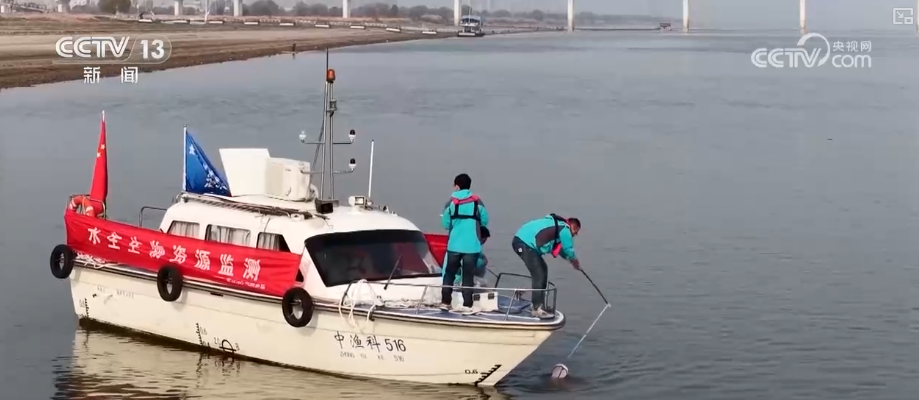
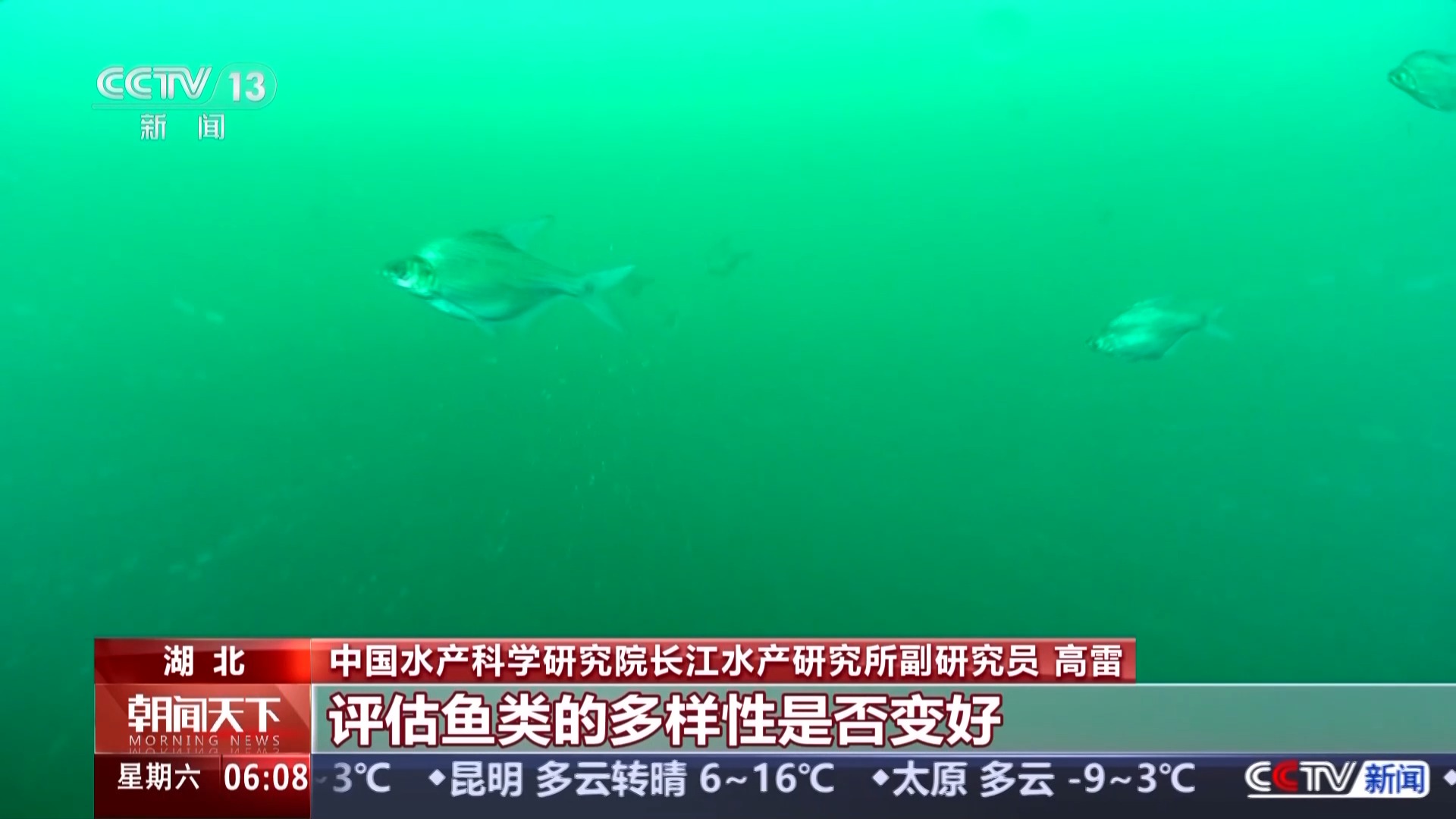
Core Viewpoint - The ten-year fishing ban on the Yangtze River is a significant measure to promote high-quality development of the Yangtze Economic Belt and restore the vitality of the Yangtze River [1] Group 1: Fishery Resource Recovery - The monitoring results indicate that the resources of the four major fish species in the Yangtze River have increased to over six times the levels before the fishing ban, while the resources of the knife fish have increased to over nine times [4] - Continuous monitoring is conducted during the fish breeding season from April to July to assess the diversity and resource changes of fish species [3] Group 2: Employment and Social Support for Fishermen - As of now, all 231,000 fishermen who have retired from fishing have been properly resettled and supported by various government departments [4] - Local initiatives provide each retired fisherman with three job recommendations, one career guidance session, and one free skills training session [9] - The establishment of a "Fishermen's New Village" has been completed, providing modern living conditions and facilities for relocated fishermen [11] Group 3: Economic Transition of Fishing Communities - Companies in the fishing industry are transitioning from 100% reliance on fishing to approximately 50%, with significant growth in production value reaching six to seven billion [9] - A former fishing net factory has diversified its product range to include agricultural, industrial, and recreational ropes, adapting to the new economic landscape [8]
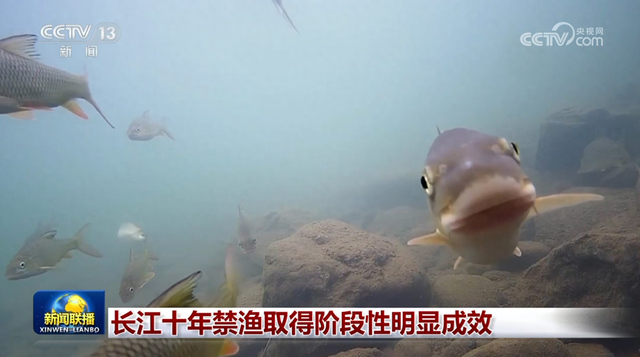
长江十年禁渔取得阶段性明显成效
Yang Shi Wang· 2026-01-02 11:56
5年来,长江水生生物多样性恢复向好。全国深入开展中华鲟、长江江豚、长江鲟等旗舰物种拯救行 动,2024年放流数量首次超过100万尾,2025年放流105万尾。同时,土著鱼类种类持续增加,2021— 2024年,长江流域累计监测到344种,较禁渔前增加36种。 5年来,渔政船艇、无人机、雷达视频等高科技装备基本实现了重点水域全覆盖。目前,14万有劳动能 力和就业意愿的退捕渔民全部转产就业,符合参保条件的22万退捕渔民全部参加养老保险,1.2万困难 渔民被纳入最低生活保障等救助范围。 央视网消息(新闻联播):记者从农业农村部了解到,长江十年禁渔自2021年1月1日全面启动实施以 来,已取得了阶段性明显成效。 ...
重大工程→生态保护→生活品质提升 实干迎新 多视角解锁新年新气象
Yang Shi Wang· 2026-01-02 04:11
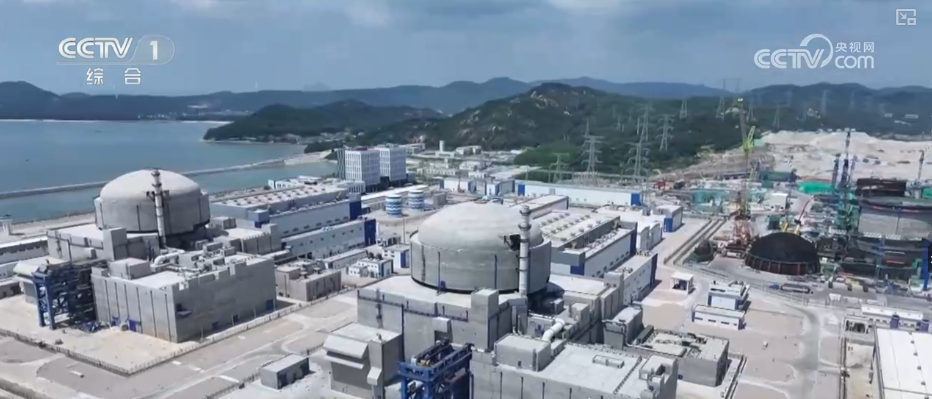
Group 1 - The first phase of the Zhangzhou Nuclear Power "Hualong One" project has been completed and put into operation, with two units providing approximately 20 billion kilowatt-hours of clean electricity annually, equivalent to a reduction of about 16 million tons of carbon dioxide emissions [4] - The equipment localization rate of the Zhangzhou Nuclear Power Hualong One units has exceeded 90%, effectively promoting the transformation and upgrading of China's high-end equipment manufacturing industry [6] Group 2 - The first vacuum automatic mooring system in the country has been officially put into operation at Qingdao Port, enhancing the safety of mooring operations and significantly improving terminal operational efficiency [8] - The time required for single-ship mooring operations has been drastically reduced from 20-30 minutes to under 30 seconds, ensuring ships are securely fixed to the dock [10] Group 3 - The ten-year fishing ban on the Yangtze River, which started on January 1, 2021, has achieved significant results over the past five years, with the restoration of aquatic biodiversity showing positive trends [10][11] - The number of released fish exceeded 1 million for the first time in 2024, with 1.05 million expected in 2025, and the number of native fish species monitored in the Yangtze River basin has increased by 36 species compared to before the ban [13] - High-tech equipment such as fishing patrol boats, drones, and radar video has achieved full coverage of key water areas, with all 140,000 retrained fishermen employed and 220,000 eligible fishermen participating in pension insurance [16]