高质平价

Search documents
看见·活力河南丨甜蜜蜜,从河南到马来西亚
He Nan Ri Bao· 2025-09-15 23:37
Core Insights - The article highlights the successful expansion of Mixue Ice City in Malaysia, emphasizing its "high quality and affordable" philosophy that resonates with local consumers [2][4] - The brand has effectively localized its offerings by incorporating local flavors and obtaining Halal certification, which has helped establish a strong emotional connection with Malaysian customers [2][3] - Mixue Ice City has created over 3,000 job opportunities in Malaysia, contributing positively to the local economy and fostering cross-cultural team collaboration [3][4] Localization Strategy - Mixue Ice City has introduced new beverages tailored to local tastes and has integrated local elements into its branding, such as the "Snow King" mascot [2][3] - The brand's local team, with over 95% of members being Malaysian, focuses on genuinely serving the local community [2][3] Community Engagement - The brand engages with families through online activities like the "Snow King Drawing Contest" and community classes, enhancing its presence as a joyful part of local life [3] - Mixue Ice City is not just a beverage seller but also a facilitator of happiness and community interaction [3] Economic Contribution - The company has established a robust operational and supply chain system, which has been praised by local partners for its efficiency and innovation [4] - The collaboration between Henan and Malaysia has been strengthened, providing a conducive environment for Mixue Ice City's growth in the Malaysian market [4][5]

逼疯年轻人的“丑裤子”,背后有高人
3 6 Ke· 2025-09-06 08:06
Core Insights - The resurgence of the "bent knife pants" has become a significant trend in the fashion industry, appealing to a wide demographic and generating substantial sales across various brands [5][11][22] - Uniqlo has effectively leveraged the popularity of bent knife pants to boost its performance in a challenging retail environment, achieving record profits while competitors struggle [24][45] Fashion Trend Analysis - Bent knife pants, characterized by their unique curved design, have gained popularity due to their flattering fit for various body types, particularly for Asian women [15][22] - The pants have been recognized by fashion authorities, including Vogue, as a key trend for the upcoming seasons, indicating their mainstream acceptance [7][11] Market Performance - Uniqlo's sales of bent knife pants have significantly contributed to its overall performance, with the company reporting over 926 billion yen in revenue for the 2024 fiscal year, marking a historical high [24][45] - The demand for bent knife pants has led to a surge in production, with over 200 million units launched on e-commerce platforms within a week [5][11] Competitive Landscape - Major brands like Adidas, Zara, and UR have entered the bent knife pants market, indicating a competitive landscape where multiple players are vying for consumer attention [11][24] - The fashion industry is experiencing a shift, with many traditional brands facing bankruptcy, while Uniqlo continues to thrive by focusing on affordability and quality [23][24] Consumer Behavior - The affordability of bent knife pants, priced around 100 yuan, has made them accessible to a broad audience, particularly appealing to young workers seeking stylish yet budget-friendly options [22][20] - Uniqlo's strategy of offering high-quality products at competitive prices has resonated with consumers, allowing the brand to capture both low-income and middle-class markets [45][50]


霸王茶姬的故事,才刚刚开始
Sou Hu Cai Jing· 2025-09-06 05:37
Core Insights - The article emphasizes that the end of new consumption in China is a return to value, highlighting the importance of sustainable growth over mere scale expansion [2][66]. Group 1: Company Performance - In August, many new tea beverage companies reported strong revenue growth for the first half of the year, driven by a fierce delivery subsidy war [5][6]. - Bawang Chaji, however, chose not to participate in this subsidy battle, maintaining stable performance with 7,038 global stores and continued double-digit GMV growth [8][9]. - The overseas market for Bawang Chaji saw a remarkable GMV increase of 77.4% year-on-year, with significant consumer interest in locations like Kuala Lumpur and Los Angeles [9][10]. Group 2: Differentiation Strategy - Bawang Chaji has established a unique brand positioning by focusing on high-value offerings rather than engaging in price wars, which is a common trend among competitors [12][17]. - The brand's founder, Zhang Junjie, has publicly stated the company's commitment to avoiding the delivery subsidy war, believing it to be unsustainable in the long term [14][15]. - Bawang Chaji's product innovation, such as the "Boyar Absolute String" milk tea, emphasizes health and quality, catering to consumer demand for healthier options [26][27]. Group 3: Domestic Growth Logic - Bawang Chaji, the youngest among six listed tea beverage companies, has rapidly established itself since its founding in 2017, reaching the NASDAQ market in just eight years [18][19]. - The company has focused on a differentiated approach from the outset, leveraging its location in Yunnan, China's top tea-producing province, to create unique products [22][23]. - The brand's commitment to transparency in product ingredients and nutritional information has helped build long-term consumer trust and loyalty [26][30]. Group 4: Global Expansion - Bawang Chaji's successful overseas expansion is a continuation of its value-first strategy, adapting its offerings to local tastes while maintaining its core brand identity [47][48]. - The brand has introduced localized products, such as the "Grain Fragrance Roasted Tea" series, which resonates with Southeast Asian consumers [50][51]. - Bawang Chaji's global strategy includes hiring local talent from international brands to enhance its market presence and operational efficiency [56][57]. Group 5: Conclusion - The article concludes that Bawang Chaji's success illustrates a new growth paradigm in the Chinese consumption market, where quality and value can drive sustainable growth without relying on low prices or rapid scale [66][69]. - This case demonstrates that Chinese brands can enter global markets through product quality, cultural resonance, and organizational strength rather than through price competition [69][70].
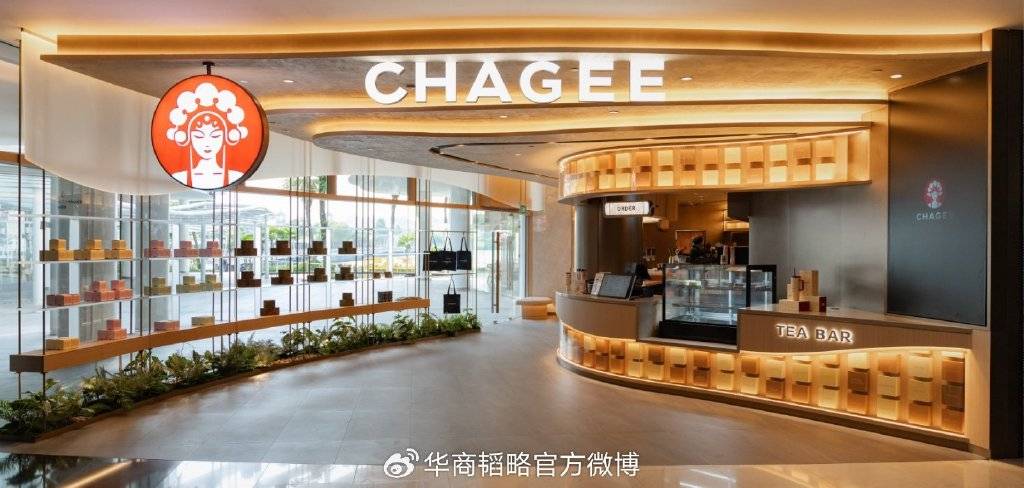
霸王茶姬二季度海外GMV猛增77%,创始人称坚决不打价格战
Zhong Guo Ji Jin Bao· 2025-08-30 09:31
Core Insights - Bawang Chaji aims to establish itself as a high-value brand and will not engage in price wars, despite the competitive landscape in the new tea beverage sector [2][4][5] Financial Performance - For Q2 2025, Bawang Chaji reported a total GMV of 8.1031 billion yuan, a year-on-year increase of 15.5%, with net revenue reaching 3.3319 billion yuan, up 10.2% [1] - Adjusted net profit for the quarter was 629.8 million yuan, showing a minimal increase of 0.1% [1][3] - The company achieved a net profit margin of 18.9%, which remains strong within the new tea beverage industry [3] Overseas Market Growth - Bawang Chaji's overseas GMV reached 235.2 million yuan in Q2, marking a significant year-on-year growth of 77.4% and a quarter-on-quarter increase of 31.8% [2][7] - The total number of global stores surpassed 7,000, with over 200 locations in overseas markets, reflecting a 40.9% year-on-year increase [6][8] Strategic Focus - The company emphasizes product innovation and operational efficiency, with a focus on high-quality ingredients and a differentiated pricing strategy [5][6] - Bawang Chaji's new product "Yiqi Hongchen" performed well in its first week, contributing to a notable increase in GMV [3][5] Management and Leadership - To support its global expansion, Bawang Chaji has appointed a new management team with international experience, including Emily Chang and Aaron Harris for North America [7]
河南“三头象”跑进大阪世博会
He Nan Ri Bao· 2025-08-22 23:25
Group 1 - Three companies from Henan, namely Pang Donglai, Mixue Ice City, and Pop Mart, have gained significant attention at the 2025 Osaka World Expo, becoming "star" enterprises and cultural communication links [1] - The Japan External Trade Organization's Osaka office director highlighted the popularity of these Henan companies among Japanese youth, noting that Mixue Ice City is well-received for its balance of price and quality [1][2] - Mixue Ice City has established over 46,000 stores globally, making it the largest fresh beverage company in terms of store count, and is focusing on expanding its presence in Japan [1] Group 2 - Mixue Ice City opened its first store in Japan in 2023 and currently operates seven stores, with the largest store selling over 1,500 cups daily [2] - The company is developing a supply chain tailored to the Japanese market, sourcing local ingredients like milk and fruits to ensure product freshness and quality [2] - The Expo serves as a high-internationality platform, allowing Henan's "three elephants" to gain broader recognition and interest in Henan's culture and lifestyle [2]
【转|太平洋食饮-蜜雪冰城深度】供应链壁垒与下沉红利双轮驱动,全球化打开长期空间
远峰电子· 2025-08-17 11:44
Company Overview - The company, known as a leader in the ready-to-drink beverage market, has over 45,000 stores globally, making it the largest in the industry [5][11] - It has undergone four phases of development, from its inception in 1997 to a global expansion phase starting in 2018 [5] - The product strategy focuses on high cost-performance, with prices mainly in the range of 6-8 yuan [8][9] Revenue Structure - The company's revenue is primarily derived from B-end business, with approximately 98% coming from the sale of goods and equipment to franchisees [15] - The revenue from overseas markets is increasing, with 2023 figures showing 92.7% from mainland China and 7.3% from outside [15] Performance Review - The company has shown rapid growth, with a revenue CAGR of 40.1% from 2021 to 2023, and a net profit CAGR of 28.2% during the same period [21] - The gross margin has stabilized around 30%, with a slight increase to 32% in the first three quarters of 2024 [21] Market Dynamics - The ready-to-drink tea market is in a growth phase, with a market size of 258.5 billion yuan, expected to reach 312.7 billion yuan by 2024 [30] - The market is characterized by a few dominant players, with the top five brands holding a market share of 46.9% [32] Competitive Landscape - The industry is highly concentrated, with the company holding a significant market share, outperforming competitors like Gu Ming and Cha Bai Dao [32] - The company has a strong presence in lower-tier cities, with 57.2% of its stores located in third-tier and below markets [11][41] Supply Chain and Expansion - The company employs a light asset model with high turnover, allowing for rapid expansion, particularly in lower-tier markets [11][38] - The supply chain is vertically integrated, covering 70% of core raw materials through self-production [37] Management Structure - The company is controlled by the Zhang brothers, who hold a combined 86.46% of the shares, ensuring stable governance [24][27] - The management team is focused on strategic planning, brand operation, and supply chain optimization [27][28]

订单激增258%,蜜雪“收割”瑞幸红利
2 1 Shi Ji Jing Ji Bao Dao· 2025-08-01 02:09
Core Viewpoint - The company aims to expand its coffee brand, Lucky Coffee, to over 10,000 stores by the end of 2025, with significant growth in new store openings and franchise inquiries [1][7]. Expansion Strategy - Lucky Coffee's store count has exceeded 7,000, covering over 300 cities in China, making it the fourth largest fresh coffee brand in the country [1]. - The company has seen a 164% year-on-year increase in new store openings in Q2 and a 300% month-on-month increase in franchise inquiries since July [1]. - The brand is focusing on high-potential cities and has verified profitability in first-tier cities, while also refining its store model [2]. Sales Performance - Lucky Coffee experienced a sales peak, with an average daily revenue of 5,732 yuan per store on July 12, and a 258% increase in delivery orders [1]. - The brand has implemented a cautious approach to delivery subsidies, ensuring that store profits are not compromised [1]. Franchise Support - To achieve its 10,000-store goal, Lucky Coffee has lowered its franchise investment requirement from 350,000 yuan to 250,000 yuan and adjusted the age requirement for franchisees [9]. - The company has introduced specific city franchise support policies, offering a total reduction of 34,000 yuan for stores in major cities [9]. Supply Chain and Cost Management - Lucky Coffee benefits from the supply chain advantages of its parent company, with coffee bean supply prices significantly lower than the industry average [10]. - The company has made substantial investments in supply chain infrastructure, including a new factory with an annual production capacity of over 20,000 tons of coffee beans [8]. Market Context - The coffee market in China is experiencing growth, with per capita coffee consumption increasing from 9 cups in 2016 to 16.74 cups in 2023 [14]. - The competitive landscape includes brands like Luckin Coffee and Kudi, which have successfully captured market share through aggressive marketing and pricing strategies [15][17]. Brand Positioning - Lucky Coffee aims to maintain a "high-quality, affordable" positioning without pursuing a high-end market strategy, contrasting with competitors that focus on premium branding [18]. - The brand's strategy of expanding from lower-tier to higher-tier markets reflects a unique approach in the coffee industry [18].
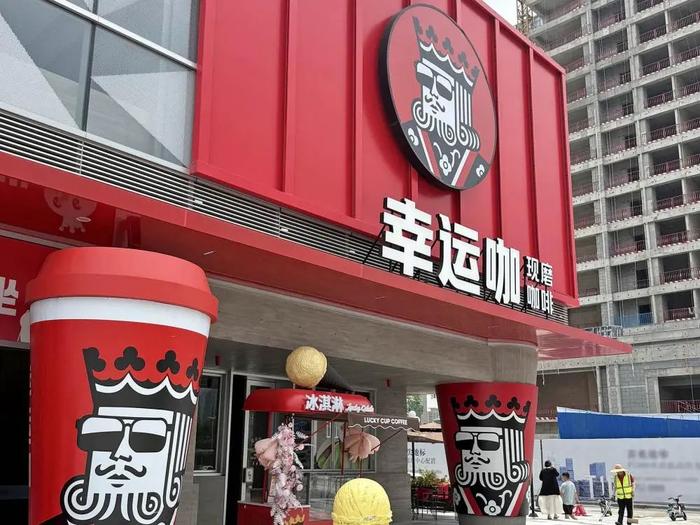
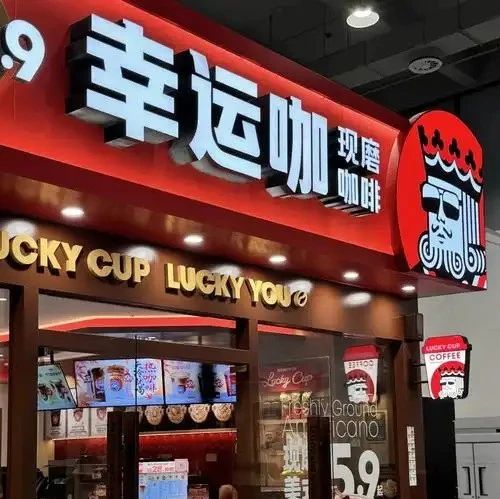
幸运咖攻入一二线城市,开店速度比肩瑞幸,今年目标破万店
Nan Fang Du Shi Bao· 2025-07-26 10:36
Core Viewpoint - Lucky Coffee, a sub-brand of Mixue Group, is aggressively expanding into first- and second-tier cities with a target of opening over 10,000 stores by the end of the year, having already reached nearly 7,000 stores in just four months [1][3][4] Expansion Strategy - Lucky Coffee was established in 2017 and offers products priced between 6 to 8 yuan, including fruit coffee, milk coffee, fruit tea, and light milk tea [3] - The brand initially focused on lower-tier cities and is now shifting towards higher-tier cities, with approximately 70% of its stores located in third-tier cities or below [3][4] - The new head of Lucky Coffee in China has extensive experience from Mixue Ice City, indicating a strategic push into first- and second-tier markets [3] Market Analysis - The company identified that coffee consumption frequency is higher in first- and second-tier cities, with per capita coffee consumption in China increasing from 7 cups five years ago to 22 cups currently, indicating significant market potential [4] - There is still a considerable gap in coffee shop density in cities like Beijing, Guangzhou, and Shenzhen, suggesting ample opportunity for new store openings [5] Operational Support - Lucky Coffee has established a dedicated market team of 400 members and a training team of 100 members to support franchisees in operations and marketing [5] - The company has implemented specific support policies for franchisees in major cities, waiving fees totaling 34,000 yuan for two years [3] Competitive Landscape - The coffee market is becoming increasingly competitive, with brands like Luckin Coffee and Kudi lowering prices to attract consumers [6] - Lucky Coffee positions itself as a high-quality yet affordable option, with prices starting at 5.9 yuan for an Americano, supported by Mixue Group's extensive supply chain [6][7] Supply Chain Advantages - Mixue Group has signed a procurement agreement worth 4 billion yuan with Brazil for coffee beans, enhancing Lucky Coffee's supply chain capabilities [7] - The company has recently launched a new roasting line in Hainan with an annual capacity exceeding 20,000 tons, significantly increasing its production capabilities [7] Consumer Trends - The shift in consumer behavior towards valuing quality over brand prestige is benefiting Lucky Coffee, as consumers increasingly view coffee as a high-frequency necessity [7]
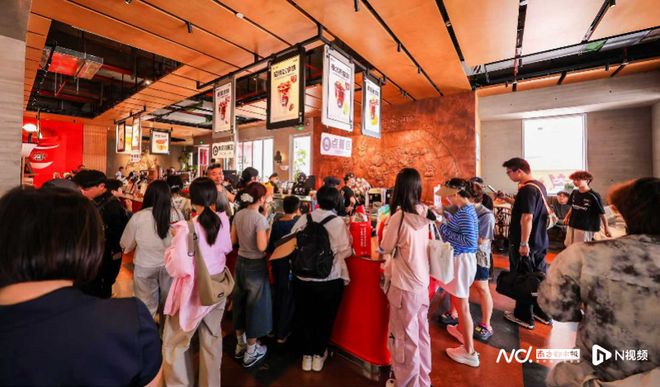
反攻一线城市!蜜雪冰城“好兄弟”出手
Zhong Guo Ji Jin Bao· 2025-07-25 16:17
Core Viewpoint - The domestic coffee market is expected to welcome new members to the "10,000 store club," with the brand Lucky Coffee aiming for 10,000 stores by 2025, currently nearing 7,000 stores across over 300 cities [2][4]. Expansion Strategy - Lucky Coffee plans to open approximately 4,500 new stores in 2024, averaging about 357 new stores per month [2]. - The brand's rapid expansion is supported by its parent company, Mixue Group, which has increased resource allocation to Lucky Coffee since 2025 [4]. Market Positioning - Lucky Coffee adopts a "high quality, low price" strategy, with product prices ranging from 6 to 8 yuan [4]. - The brand's new store openings in Q2 2025 saw a year-on-year increase of 164% [4]. Supply Chain and Cost Efficiency - Lucky Coffee benefits from Mixue Group's extensive supply chain, allowing for superior cost control and operational efficiency [4]. - The company sources high-quality Arabica coffee beans directly from Brazil, Ethiopia, and Indonesia, with a procurement price of less than 70 yuan per kilogram compared to the industry average of over 120 yuan [4]. Product Development - Lucky Coffee has significantly increased its product development speed, launching 32 new products in the first half of the year, an 88% increase from the previous year [5]. - The "True Fruit Coffee" series launched in May achieved over 100 million yuan in sales within a month [5]. Market Growth Potential - The Chinese coffee market is projected to reach 313.3 billion yuan in 2024, with an 18.1% year-on-year growth [5]. - Current per capita annual coffee consumption in China is 22.24 cups, with significant room for growth compared to over 300 cups in mature markets like the U.S. and South Korea [5]. Impact of Delivery Services - Recent competition in the delivery service sector has led to a 258% increase in delivery orders for Lucky Coffee, with average daily revenue reaching 5,732 yuan [6][7]. - The delivery service competition has altered consumer price perceptions, benefiting Lucky Coffee's pricing strategy [7]. Targeting Urban Markets - Lucky Coffee is shifting its focus to first- and second-tier cities, offering a two-year fee waiver for franchisees in major cities [9]. - Despite the challenges of high rental and labor costs in first-tier cities, the brand aims to establish a stable profit model beyond just low pricing [9]. Competitive Landscape - As of Q1 2025, Luckin Coffee has over 24,000 stores in China, while Kudidi Coffee has 10,045 stores [9]. - If Lucky Coffee maintains its current growth rate, it is projected to become the third coffee brand to reach 10,000 stores by the end of 2025 [9].
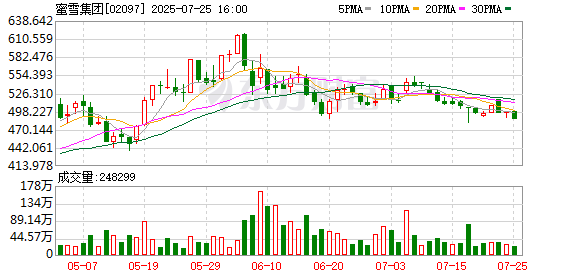
反攻一线城市!蜜雪冰城“好兄弟”出手
中国基金报· 2025-07-25 16:07
Core Viewpoint - The domestic coffee market is expected to welcome new members to the "10,000 store club," with Luckin Coffee aiming for rapid expansion and a target of 10,000 stores by 2025 [1][3]. Expansion Strategy - Luckin Coffee is set to open approximately 4,500 new stores in 2024, averaging about 357 new stores per month, indicating a significant acceleration in its expansion efforts [1][3]. - The brand's current store count is nearing 7,000, covering over 300 cities nationwide [1]. Pricing and Cost Control - Luckin Coffee follows a "high quality and affordable" strategy, with product prices primarily in the range of 6-8 yuan [3]. - The company benefits from the strong supply chain capabilities of its parent company, Mixue Group, which has 46,000 stores nationwide, allowing for superior cost control and operational efficiency [3][4]. - The cost of coffee beans supplied to franchisees is less than 70 yuan per kilogram, compared to the industry average of over 120 yuan per kilogram, resulting in a gross margin exceeding 50% for a 5.9 yuan Americano [3][4]. Product Development - Luckin Coffee has significantly increased its product launch speed, introducing 32 new products in the first half of the year, an 88% increase year-on-year [4]. - The "True Fruit Coffee" series launched in May achieved over 100 million yuan in sales within a month [4]. Market Potential - The Chinese coffee market is projected to grow, with the industry size expected to reach 313.3 billion yuan in 2024, a year-on-year increase of 18.1% [4]. - Current per capita annual coffee consumption in China is 22.24 cups, with significant room for growth compared to over 300 cups in mature markets like the U.S. and South Korea [4]. Impact of Delivery Wars - Recent delivery service competition has led to a 258% increase in daily order volume, with average store revenue reaching 5,732 yuan on July 12 [5][6]. - The competition has also increased franchise inquiries by 300%, positively influencing consumer price perceptions of coffee [6]. Focus on Urban Expansion - Luckin Coffee is shifting its focus to first and second-tier cities, previously having around 70% of its stores in lower-tier cities [8]. - The company has introduced a support policy for franchisees in major cities, waiving fees totaling 34,000 yuan for two years [8]. Challenges in Urban Markets - Despite the shift, Luckin Coffee faces challenges in penetrating first-tier cities, where its presence is still minimal and often located in suburban areas [9]. - High rental and labor costs in these cities pose a challenge to sustainable profitability, especially when compared to competitors like Luckin Coffee and Kudi Coffee, which have established larger networks [9].